J
Jason Hitch
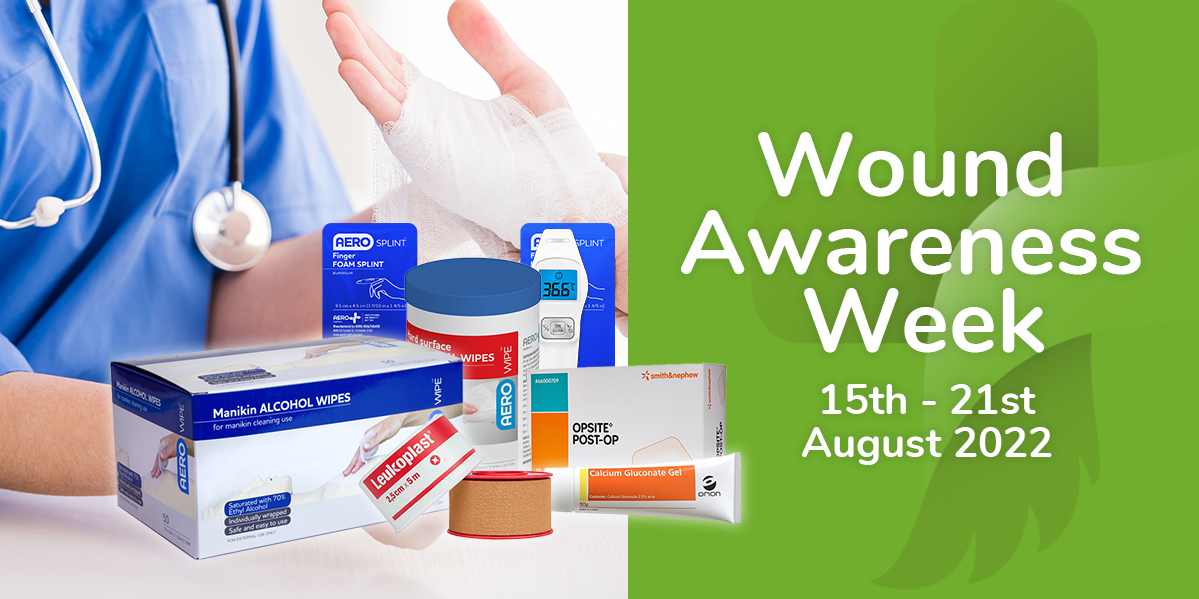
Chronic wounds are a growing problem in Australia, affecting over 420,000 of us every year. Raising awareness around wound prevention, treatment and management is an important first step to finding long term solutions. The 15th-21st of August marks this year's Wound Awareness Week 2022 – an opportunity for all of us to spread awareness about chronic wounds. By generating conversation about wound management and prevention, we can help influence better health care for all Australians.
Wound Awareness Week is an annual awareness campaign to help improve wound treatment and prevention in Australia. Run by Wounds Australia, the campaign calls on healthcare professionals and members of the public across the country to spread awareness about chronic wounds. Wound Awareness Week is the perfect time to generate conversation about:
wound healing processes
chronic wound warning signs
risk factors for chronic wounds
wound prevention
In addition to raising awareness, Wounds Australia uses the Wound Awareness Week to offer solutions and push change makers to provide better care. Last year, Wounds Australia released their 11 Point Plan for cutting costs while providing better wound care for more people.
Chronic wounds are a growing problem in Australia. According to Wounds Australia, our country has a "hidden epidemic of chronic wounds", with more than 420,000 Australians suffering from a chronic wound every year. Chronic wounds can have a debilitating impact on a person's life, affecting their ability to work, exercise and perform everyday tasks. Living with a chronic wound can also take a toll on a person's mental health, often leading to complications such as acute stress, anxiety and depression. Treating chronic wounds comes with a significant financial burden, both for individuals and the national economy. Wounds Australia says that over $3 billion government dollars are spent every year on treating chronic wounds, even though the chronic wound crisis is preventable. But it's not just costing the government. People suffering with chronic wounds face significant out of pocket costs, typically over $340 per month. The financial stress is often much greater for pensioners and retirees who are disproportionately affected by chronic wounds.
With better community awareness about chronic wounds, the general public will be able to spot the warning signs and seek help when they need it. Fast and effective treatment is the key to reducing the incidence of chronic wounds and preventing complications. An effective awareness campaign will help cut down the number of patients and speed up healing times. Improving awareness and education in the healthcare industries will also have significant benefits. When healthcare workers, first aid officers and carers understand how to prevent, treat and manage chronic wounds in the best way, patient outcomes will improve significantly. There are also numerous financial benefits to be gained through a successful awareness campaign. Better wound prevention and management will lead to fewer patients, faster healing times and reduced mental health complications. It's a chance to see monetary savings for both the government and individual patients.
A chronic wound is a wound that has not progressed through the normal stages of healing. Some chronic wounds take a long time to heal, others may stop healing altogether and some chronic wounds may even reoccur after healing. While minor wounds heal on their own, chronic wounds require special care to heal. Different types of wounds such as skin tears, ulcers, pressure injuries and surgical wounds can all become chronic. Older people are more at risk of developing chronic wounds, as are individuals with diabetes, anaemia and some types of vascular diseases. Infection, persistent bleeding and dead skin can all interrupt the normal healing process, and some medications may impact the body’s ability to heal. Smoking and a poor diet are also risk factors for chronic wounds. Also read: Why is wound care important for healing?

Using poor quality dressings or the wrong type of wound dressings can have serious negative consequences. The wrong dressing can increase the risk of infection and other complications. Since poor quality dressings require changing more often and may cause the wound to take longer to heal, they can end up being more costly in the long run. On the other hand, good quality modern wound dressings promote faster healing and protect the wound from infection. In many cases, the right wound dressings can keep patients out of hospitals since treatments can be done in community settings and homes.
At LFA First Response, we know just how important it is to have the right knowledge, skills and equipment on hand when it comes to wound management. Whether you're a school nurse, an aged care worker or an emergency services first responder, we want to support you to provide the best care possible. We’re committed to providing high quality wound care supplies with excellent shelf life and custom solutions to make sure you’re getting exactly what you need. This Wound Awareness Week, we'll be promoting the importance of wound healing and proper wound management for all Australians. We encourage you to join us.

In medical emergencies, particularly those involving sudden cardiac arrest (SCA), having immediate access to a defibrillator can mean the difference between life and death. Defibrillators are life-saving devices designed to restore a regular heart rhythm by delivering an electric shock to the heart.
J
Jason Hitch

Mining is a vital industry that powers economies around the globe, and Australia plays a significant role in it, being one of the largest producers of valuable resources like coal, iron ore, and gold.
J
Jason Hitch

Australia is home to some of the world's most venomous snakes, and for those exploring the bush, encountering one is a real possibility. While the chances of a snake bite may be low, knowing how to respond can mean the difference between life and death.
J
Jason Hitch

Daffodil Day, celebrated annually on the 22nd of August, is more than just a date on the calendar; it’s a symbol of hope and resilience for those affected by cancer. Understanding the impact of cancer in Australia, the significance of Daffodil Day, and how you can support those affected by cancer.
J
Jason Hitch