J
Jason Hitch
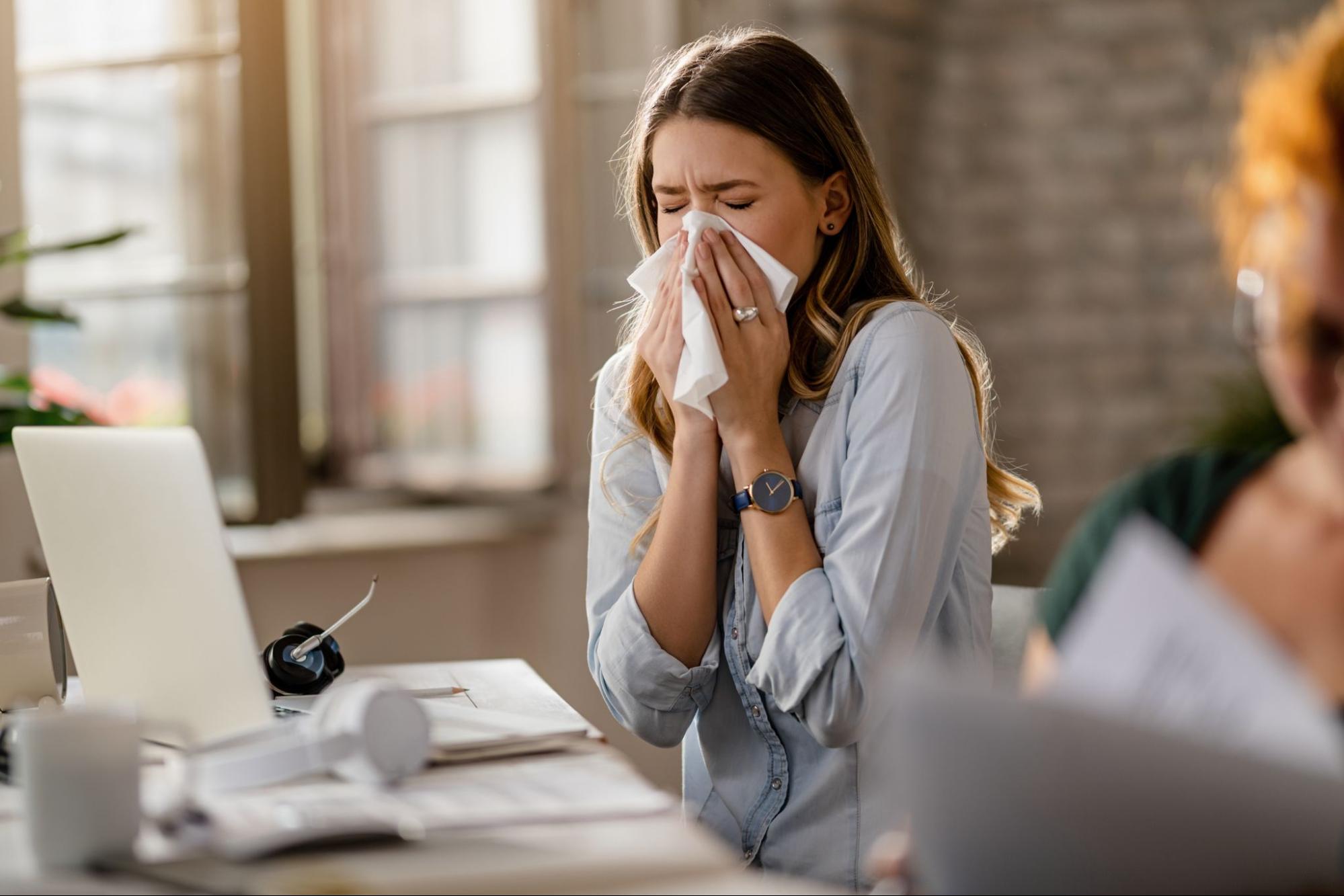
Hay fever season arrives at roughly the same time every year, but workplaces and schools can still get caught short. Across many southern regions of Australia, grass pollen builds through spring and reaches its highest levels from October to December. That makes September a practical time to check allergy and respiratory supplies.
Antihistamines, asthma spacers, anaphylaxis kits and action plans should be sorted before they're needed. For WHS officers, school health teams and facilities managers, a quick stock check now can prevent gaps when pollen levels climb.
There isn't one hay fever season that applies neatly across Australia. Timing varies by region, pollen type and weather conditions.
| Area / Factor | What to Know |
|---|---|
| Southern Australia | Grass pollen typically builds through spring and can remain significant into early summer. |
| Northern Australia | Pollen seasons can be longer and less clearly defined than in southern regions. |
| Tree pollen | Some tree pollens can affect susceptible people earlier than the main grass pollen period. |
| Weather conditions | Rainfall, temperature, wind and local vegetation can all influence pollen levels and seasonal intensity. |
These regional differences are why hay fever season in Australia is better tracked through local conditions than a single national date. AusPollen provides pollen information for Australian locations, while state and territory health authorities publish local advice.
For most workplaces and schools in southern Australia, check allergy and respiratory supplies before grass pollen reaches its peak.
Seasonal information is current at the time of writing. Check local pollen forecasts and your state or territory health authority for current conditions.
Hay fever affects enough Australians to become a practical issue for workplaces and schools during pollen season. A 2026 National Allergy Centre of Excellence study analysing the 2022 National Health Survey found nearly one in four Australians reported allergic rhinitis .
For employers, that can mean more sick days, reduced concentration and greater demand on workplace first aid resources . Schools can see similar disruption through student absences, difficulty concentrating in class and reduced participation in outdoor activities.
Hay fever can also have implications for asthma preparedness. Allergy & Anaphylaxis Australiaadvises that people with allergic rhinitis, particularly those sensitive to grass pollen, may experience asthma symptoms during pollen season.
For workplaces and schools, that means having the appropriate respiratory equipment and procedures in place. Asthma spacersshould be accessible, relevant asthma action plans should be up to date, and staff responsible for first aid should know the organisation's emergency procedures.
Medication arrangements vary between organisations and jurisdictions, so follow your workplace or school's policies, individual action plans and current health authority guidance.
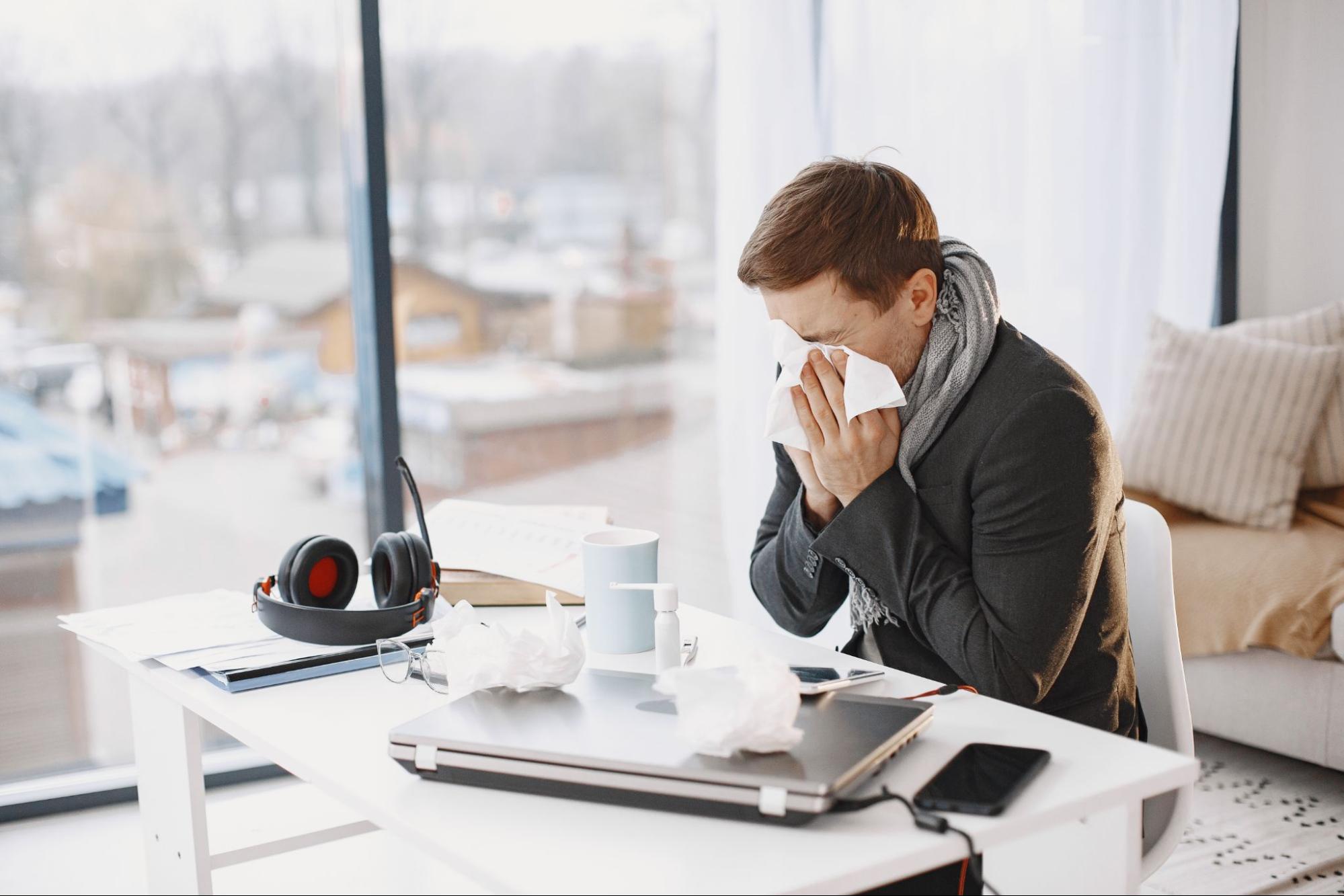
Thunderstorm asthma in Australia can occur when high grass pollen levels combine with particular weather conditions. During a thunderstorm, pollen grains can break into much smaller particles that become concentrated in the air and travel deep into the lungs.
Under the right conditions, this can trigger asthma symptoms in large numbers of people over a short period.
Melbourne's thunderstorm asthma event on 21 November 2016 remains the largest recorded event of its kind. Over the following 30 hours, Victoria recorded 3,365 more respiratory-related emergency department presentations than expected. The event contributed to 10 deaths.
Importantly, a previous asthma diagnosis wasn't the only marker of risk. People experiencing their first asthma attack were also among those affected.
For workplaces and schools in higher-risk regions, this makes respiratory preparedness particularly important. Asthma spacers should be accessible, relevant action plans should be up to date, and first aiders should know the site's emergency procedures.
The Victorian Government operates a thunderstorm asthma risk forecasting system during grass pollen season. Workplaces and schools in Victoria, NSW and other affected regions should follow alerts and guidance from their state or territory health authority.

Workplace preparation should cover the supplies, action plans and first aid arrangements your team may need during high-pollen periods:
This is also a good opportunity to look at broader first aid room requirements , including equipment, facilities and how the room is set up.
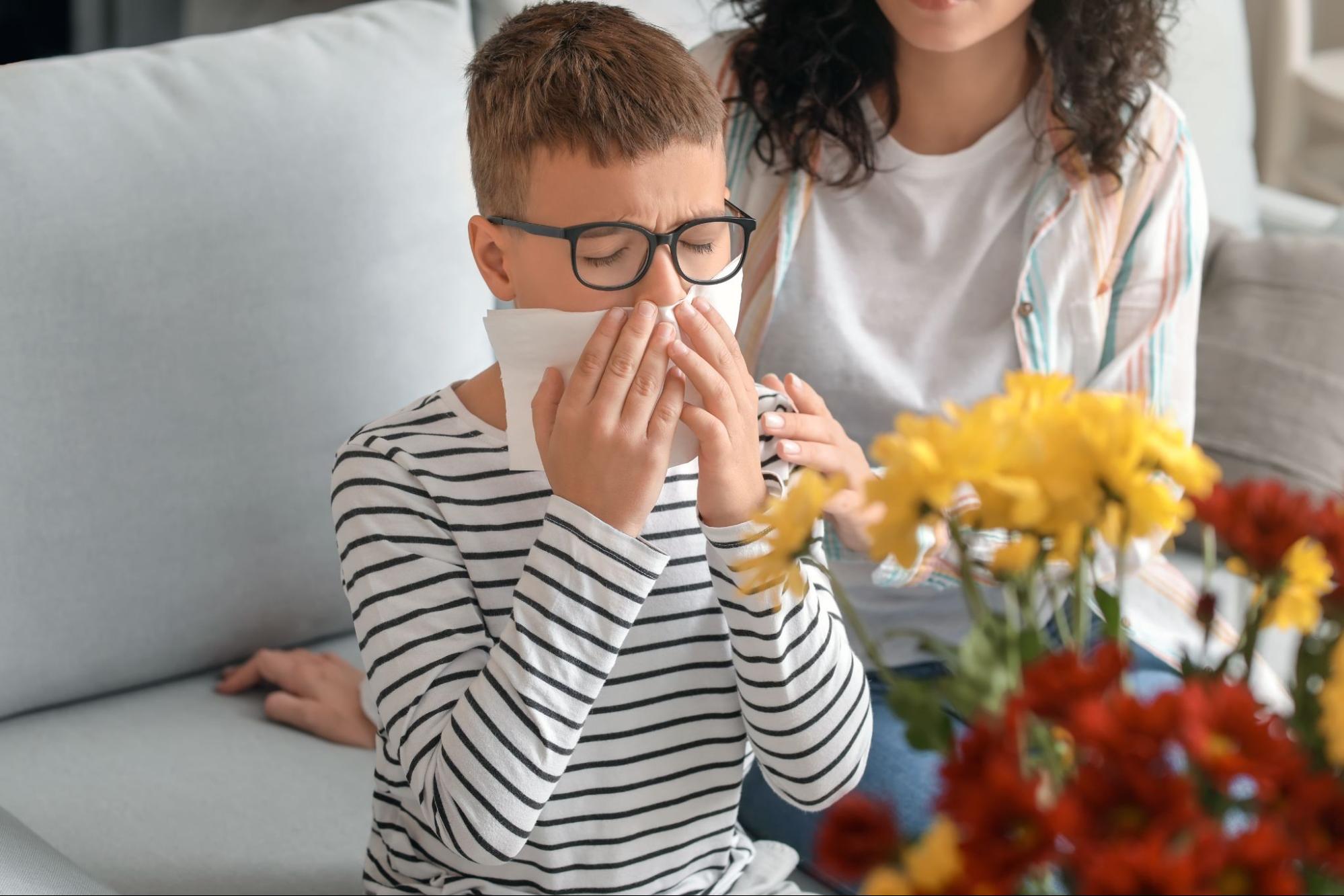
Schools need to consider individual student health plans alongside their first aid supplies.
Before Term 4, school health and first aid teams should:
These checks can sit within the school's broader first aid kit preparations , rather than being treated as a separate seasonal task.
Requirements vary between jurisdictions and can change, so schools should follow current education department and health authority guidance.
Councils should also account for seasonal allergy and respiratory needs across pools, recreation centres, libraries, sporting facilities and community events. For outdoor sites and events, make sure appropriate first aid equipment is available and responsible staff know where to find it.
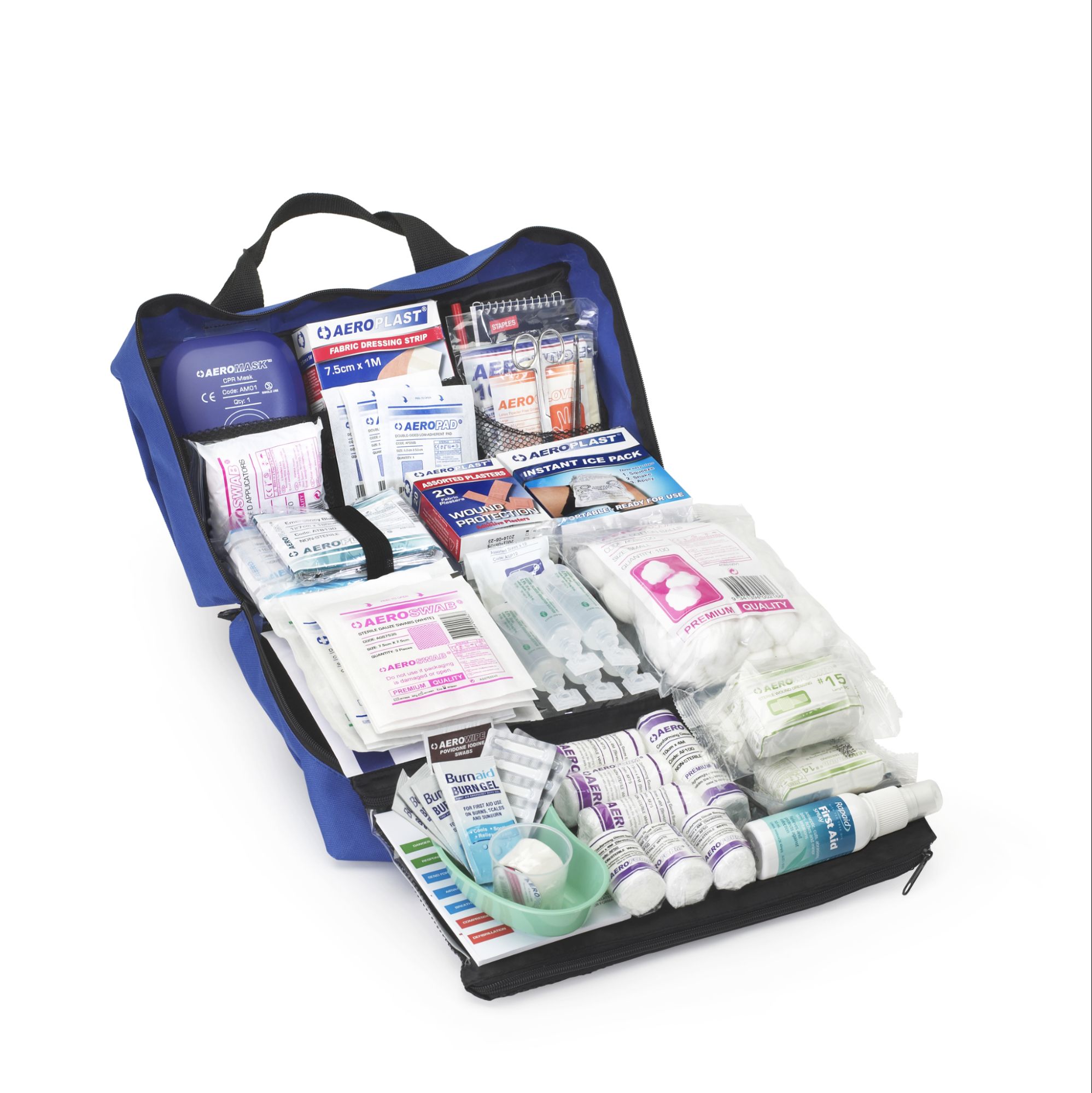
LFA First Response supplies antihistamines, asthma spacers, anaphylaxis kits and first aid room consumables to workplaces, schools, councils and other organisations across Australia.
Ordering for a larger site or multiple locations? Contact our teamfor bulk pricing and a wholesale quote.
The information provided in this article is for general informational purposes only and does not constitute medical advice. Always consult a qualified healthcare professional for medical guidance specific to your situation. Organisations should also check current state or territory requirements and health authority guidance.
Hay fever season across Australia varies by location and pollen type. Spring is the main grass pollen period across much of southern Australia, while northern regions can experience longer or less clearly defined pollen seasons. Local pollen forecasts provide the most useful guide for current conditions.
Allow enough time to assess existing stock, replace expired products and order anything that's missing before local pollen levels typically increase. For many organisations in southern Australia, September provides a practical preparation window ahead of the main grass pollen period.
Yes. Weather conditions, rainfall, temperature, wind and local vegetation can influence the timing and intensity of pollen seasons. Organisations should use local pollen forecasts rather than assuming conditions will follow exactly the same pattern each year.
AusPollen provides pollen forecasts for participating locations across Australia. State and territory health authorities are the best source for local health advice, including thunderstorm asthma alerts and guidance where these systems operate.
Where these products form part of an organisation's first aid arrangements, including them in routine stock checks can help identify used, missing or expired items before they're needed. The supplies required will depend on the workplace or school, its first aid arrangements and applicable state or territory guidance.

Winter is approaching, and with it comes an increase in colds and flus circulating in workplaces and the broader community. One particularly common symptom of these illnesses is a sore throat. Understanding the different potential causes of a sore throat can help you manage and mitigate this discomfort more effectively during the colder months.
J
Jason Hitch

Food allergies are a prevalent condition, affecting approximately 5 million Australians, according to the Centre for Food Allergy Research. During the upcoming Food Allergy Week (May 26th to June 1). Understanding what food allergies are, how they differ from food intolerances, and how they can be effectively managed is crucial, not just for the individuals affected but for anyone responsible for their care.
J
Jason Hitch

In today’s educational landscape in Australia, the safety and well-being of students are paramount, especially when it comes to managing allergies in schools. This blog aims to serve as a comprehensive guide on how to create safe learning spaces that accommodate all students, particularly those at risk of anaphylaxis.
J
Jason Hitch

While sore throats can strike at any time of year, they are more common in the winter months. The cold, wet weather leads to people spending more time inside, which increases the chance of spreading illness. Understanding what causes a sore throat, and how to determine the cause behind a sore throat.
J
Jason Hitch