J
Jason Hitch
While sore throats can strike at any time of year, they are more common in the winter months. The cold, wet weather leads to people spending more time inside, which increases the chance of spreading illness.
A sore throat can be a symptom of various different conditions including COVID-19, the common cold, strep throat or many other things. It will often present as pain or a scratchy sensation in the throat, and difficulty swallowing.
Often a sore throat is accompanied with other symptoms such as a runny nose, cough, sneezing, high fever or hoarseness when speaking.
Understanding what causes a sore throat, and how to determine the cause behind a sore throat, is important in knowing what treatment is needed, and when further medical assistance is required.
The truth is, there are many things that can cause a sore throat. However, the most common cause of a sore throat is a virus.
Viruses that often cause a sore throat include:
The common cold
The flu
COVID-19
Glandular fever
Mononucleosis
Sore throats can also be caused by a bacterial infection. The most common bacterial infection of the throat is caused by Group A streptococcus, which can lead to strep throat and scarlet fever. If left untreated, a streptococcal infection can lead to rheumatic fever which causes fever and inflammation to the heart, joints and blood vessels. Strep throat can cause white patches on the tonsils or in the throat. Bacterial throat infections often require treatment with antibiotics.
Allergies such as dust, pollen, pet dander and other triggers can cause a sore throat. Sometimes allergies cause a postnasal drip, which can lead to throat pain.
Triggers in the environment such as smoke, or even second hand cigarette smoke, can cause throat pain.
This occurs when stomach acid travels up into the oesophagus, causing irritation of the throat.
If you are concerned about your sore throat or your child's sore throat, make an appointment to see your doctor. Doctors may feel the neck for swollen glands, examine the throat with a torch, and take a swab to determine the cause of your throat pain. This helps them decide on a treatment plan.

Your doctor may offer you or your child a rapid strep test, which is a rapid antigen detection test used to diagnose strep throat.
Throat cultures taken by your doctor can test for a range of viruses and bacteria. In the event of a bacterial infection, your doctor may prescribe antibiotics.
If your sore throat is getting worse, or hasn't improved after 3 to 4 days, seek medical assessment.
You may be wondering if your sore throat symptoms are pointing to COVID-19, or something else. The best way to determine if it's COVID-19 is to test yourself with a RAT test. However, it's also worth knowing most of the time patients with COVID-19 will have other symptoms in addition to a sore throat. Such common symptoms include loss of taste and smell, fever and difficulty breathing.
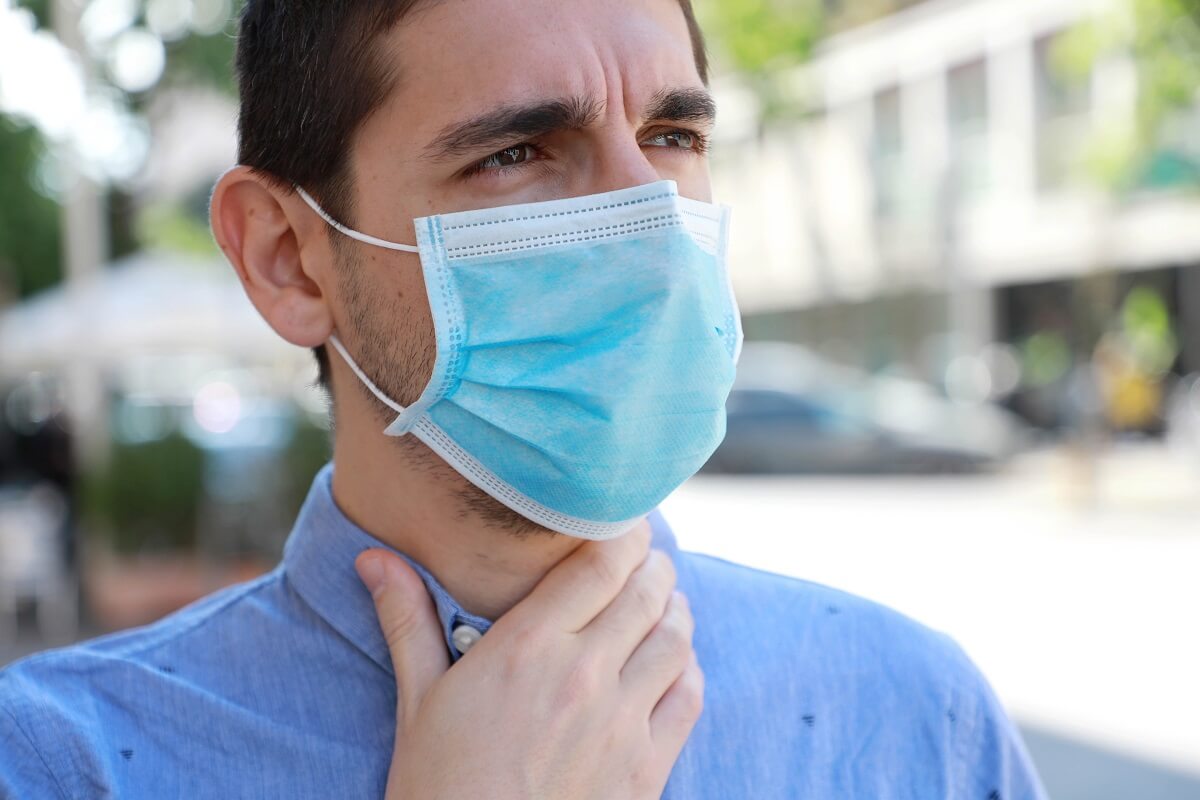
As with any symptoms of illness, the best thing you can do to avoid a sore throat is avoid getting sick.
Regularly wash your hands with soap, or use an antibacterial hand sanitiser such as Aerocleanse gel.
Keep up your intake of fluids to help ensure your throat is moist and to ease your throat pain. Remaining hydrated also helps to thin and loosen the mucus in your throat.

Avoid smoking or being around other people that are smoking. Avoid other irritants such as dust or known allergies.
Wearing a mask remains a good measure to avoid getting sick. Make sure you choose a good quality n95 face mask to add another layer of protection in the winter months.
Dry winter air, especially when breathing through the mouth, can irritate and dry out the tissues of the throat. People that exercise outside in winter in particular may experience a sore throat as a result. When inside, keep the room at a comfortable temperature. Heating can also dry out the throat.
As well as medical treatment for throat pain when required, there are things you can do at home that may help to ease your sore throat.
Gargling warm salt water can help ease some of the discomfort of a sore throat. Dissolve half a teaspoon of salt in a glass of warm water and gargle it at the back of the throat before spitting it out. The aim is to loosen mucus and ease inflammation. In addition, the warm salt water will help to draw out some of the virus or bacteria present in the throat, meaning you will eliminate some of the germs when you spit it out.
For another anti-bacterial alternative to a salt water gargle, try Betadine sore throat gargle.
Lozenges, antihistamines and over the counter pain medication may help ease the symptoms of a sore throat.
Adults and young children can take paracetamol or ibuprofen (above the age of 3 months) to temporarily ease symptoms.
Difflam throat spray provides anti-inflammatory relief to a sore throat, as well as containing antibacterial properties.
Strepsil lozenges contain antibacterial agents to fight against bacteria causing a sore throat, as well as providing some relief from throat discomfort.

Stick to soft food such as soup, and avoid eating anything that exacerbates your sore throat.
Sore throats are a common type of ailment in the winter months, so make sure you know how to protect yourself, your family and your workplace from illness, and be prepared with the products needed to offer relief when throat pain strikes.
Shop the wide range of sore throat treatments and other medical supplies at LFA First Response today.

Get first aid for construction right with LFA First Response. Learn about first aiders, kits, placement and compliance for Australian worksites.
J
Jason Hitch

Winter is approaching, and with it comes an increase in colds and flus circulating in workplaces and the broader community. One particularly common symptom of these illnesses is a sore throat. Understanding the different potential causes of a sore throat can help you manage and mitigate this discomfort more effectively during the colder months.
J
Jason Hitch

Food allergies are a prevalent condition, affecting approximately 5 million Australians, according to the Centre for Food Allergy Research. During the upcoming Food Allergy Week (May 26th to June 1). Understanding what food allergies are, how they differ from food intolerances, and how they can be effectively managed is crucial, not just for the individuals affected but for anyone responsible for their care.
J
Jason Hitch

In today’s educational landscape in Australia, the safety and well-being of students are paramount, especially when it comes to managing allergies in schools. This blog aims to serve as a comprehensive guide on how to create safe learning spaces that accommodate all students, particularly those at risk of anaphylaxis.
J
Jason Hitch
