J
Jason Hitch
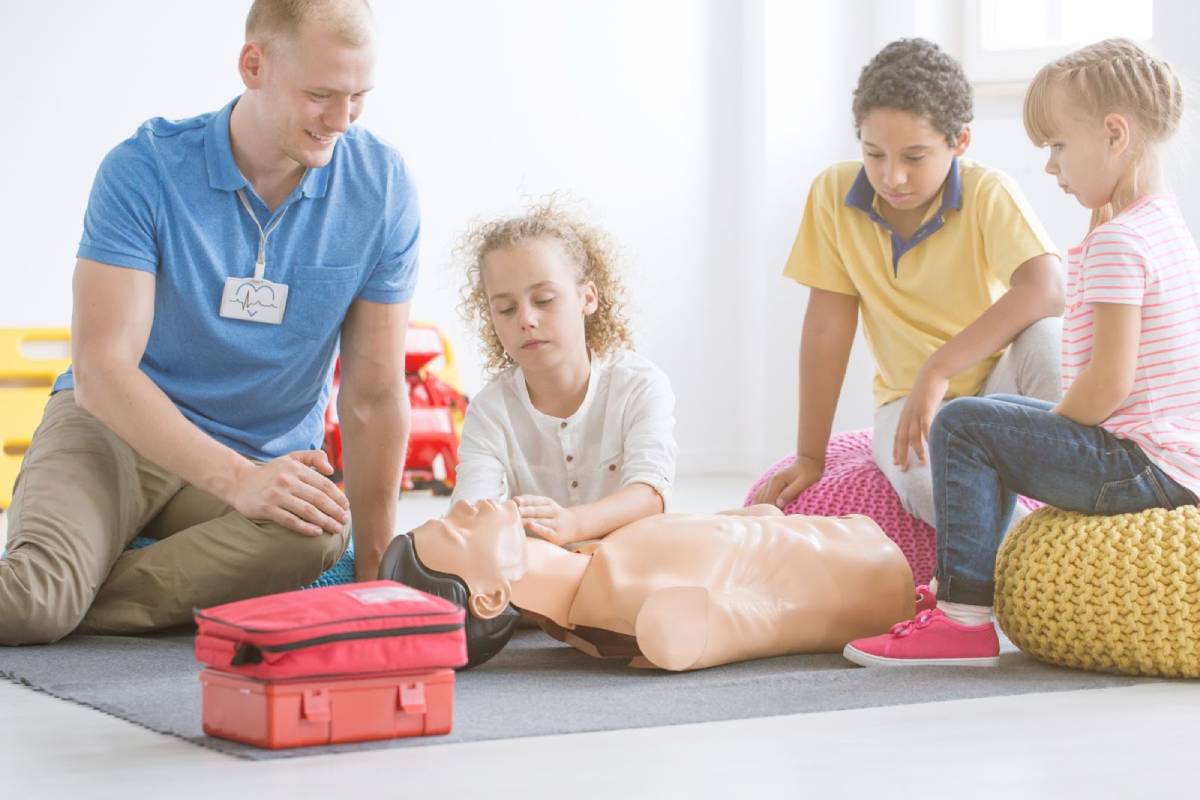
Excursions are a highlight of the school year. A break from routine, a chance to learn outside the classroom, and let’s be honest, a whole lot of fun. But with new environments come new risks. When you’re responsible for a group of kids, safety on school excursions isn’t optional. It’s your top priority.
Whether you're planning a short outing or a multi-day adventure, effective preparation supports your school community and strengthens your commitment to student health and safety. This isn't just about checking a box—it’s about showing parents and carers that their children’s welfare is always front of mind.
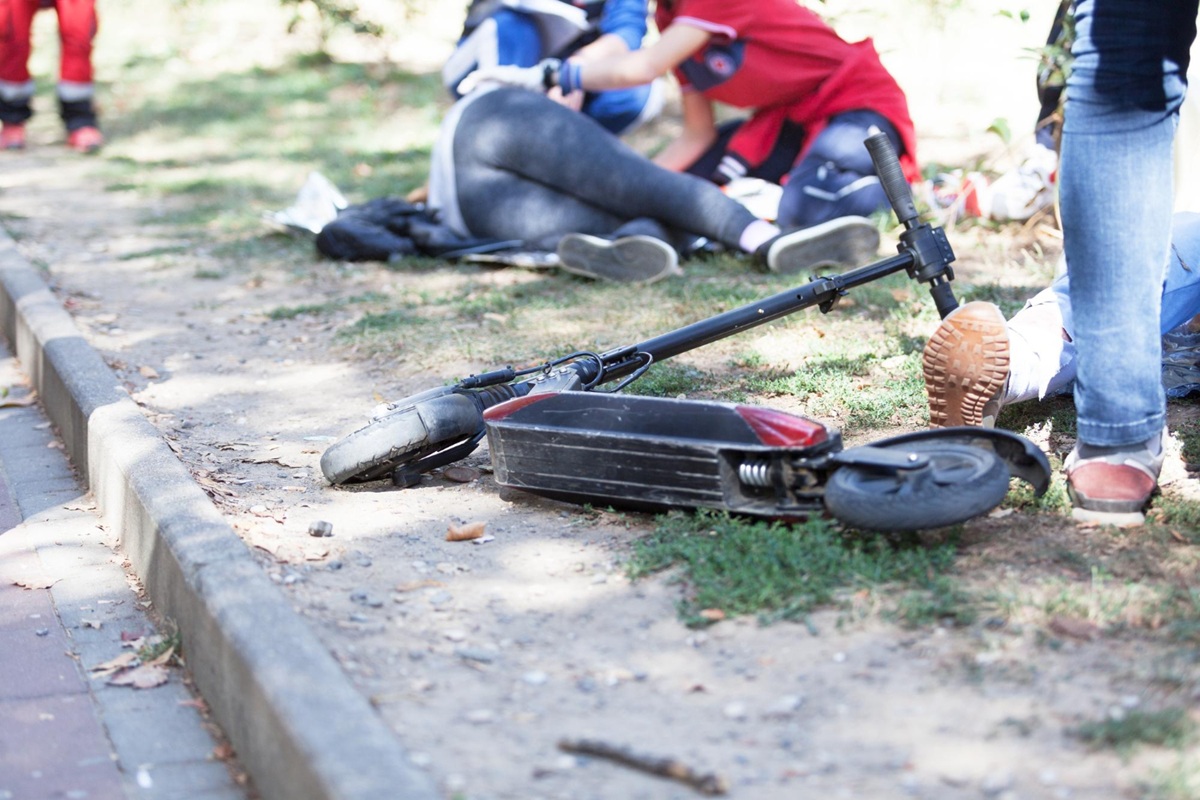
The most common issues on excursions are the ones you’d expect: cuts, grazes, sunburn, insect bites. But sometimes it’s more serious. An asthma attack, a sprained ankle, a bee sting that turns out to be an allergy trigger. When something goes wrong, there’s no time to wing it.
That’s why being properly equipped and knowing what to do matters.
The reality is, even a small delay in responding to an incident can turn a manageable problem into a full-blown emergency. And in unfamiliar environments, those delays are all too common. Being proactive rather than reactive is the difference between a hiccup and a disaster.
Solid risk assessment is essential here. Evaluating likely scenarios before departure allows you to put practical controls in place and helps demonstrate due diligence for your school's first aid obligations.
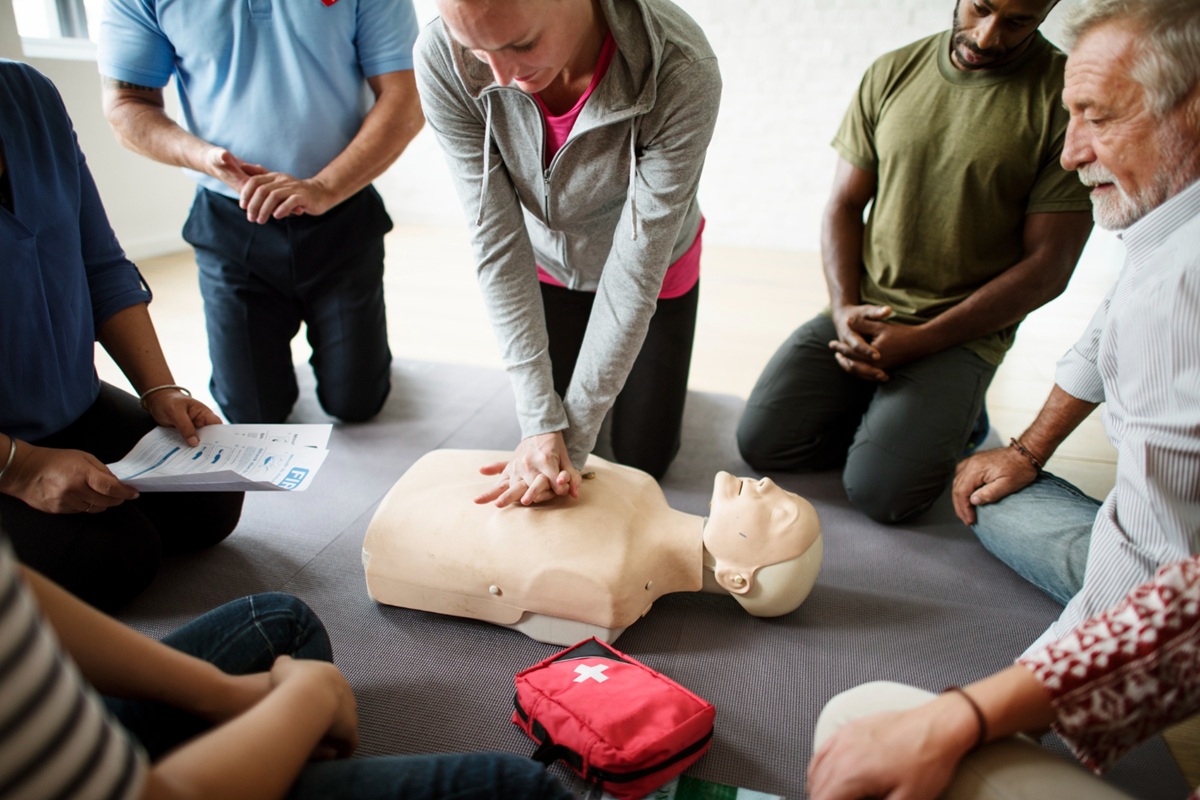
You need more than a dusty box with a few plasters and a pair of blunt scissors. Excursions call for purpose-built kits that can handle whatever the day throws at you. Whether you’re in the bush, on the beach or in the city, your first aid gear should suit the setting.
Not sure where to start? Our tailored first aid kit for schools is designed with real school needs in mind. We’ve included all the essentials so you don’t have to guess.
It’s also a good idea to check expiry dates and restock your kit before every excursion. Items like saline, bandages, and antiseptics can expire or get used up quickly, especially during a busy term.
You might know who loves soccer and who’s afraid of heights. But do you know who carries an EpiPen? Or who’s on daily medication? Before any trip, gather updated medical info, emergency contacts, and care plans. Keep it all on hand, and make sure staff know where to find it.
Some schools keep this information on mobile devices or in cloud-based systems for quick access. Whichever method you use, make sure it’s secure, up to date and accessible—even in areas with no reception.
This preparation supports your duty of care and ensures all students receive the right level of attention, in line with your overall health and safety strategy.
First aid planning should be built into your excursion checklist. Who’s the lead first aider? What’s the emergency procedure? Where’s the nearest hospital? Will you have mobile coverage? The best time to answer these questions is before you board the bus, not after something happens.
Also consider transport logistics. Can emergency services reach your location easily? Do you need a backup vehicle in case someone needs to leave early? Having clear roles and responsibilities for each staff member reduces confusion when time matters most.
A well-documented risk assessment should accompany every outing and be communicated in a face-to-face staff briefing to ensure everyone understands the plan.
Having a first aid kit is great. Knowing how to use it? Even better. Make sure at least one staff member is first aid trained. Ideally, more. It’s a small investment that makes a massive difference when something goes wrong.
Regular training refreshers help too. Techniques and best practices evolve over time, and what worked five years ago might not be best practice today. Consider scheduling annual first aid training sessions for all staff involved in off-campus activities.
Face-to-face training provides valuable hands-on experience that builds confidence in real-world situations, essential for anyone delivering school first aid in high-stress moments.
Excursion plans vary, and so should your first aid kit. A day at the museum needs different supplies than a three-day hike.
Here’s a quick guide:
Outdoor adventures: Add snake bite bandages, splints, insect repellent and sun protection
Urban day trips: Focus on wound care, nausea, allergy meds and hydration
Overnight camps: Include basic over-the-counter medications, extra supplies and personal hygiene items
If your group includes students with high medical needs, you may need to pack extra items like blood glucose monitors, inhalers or prescription medications. Planning for individual health requirements ensures everyone can participate safely.
Whatever the trip, our first aid kits for schools can be customised to suit.
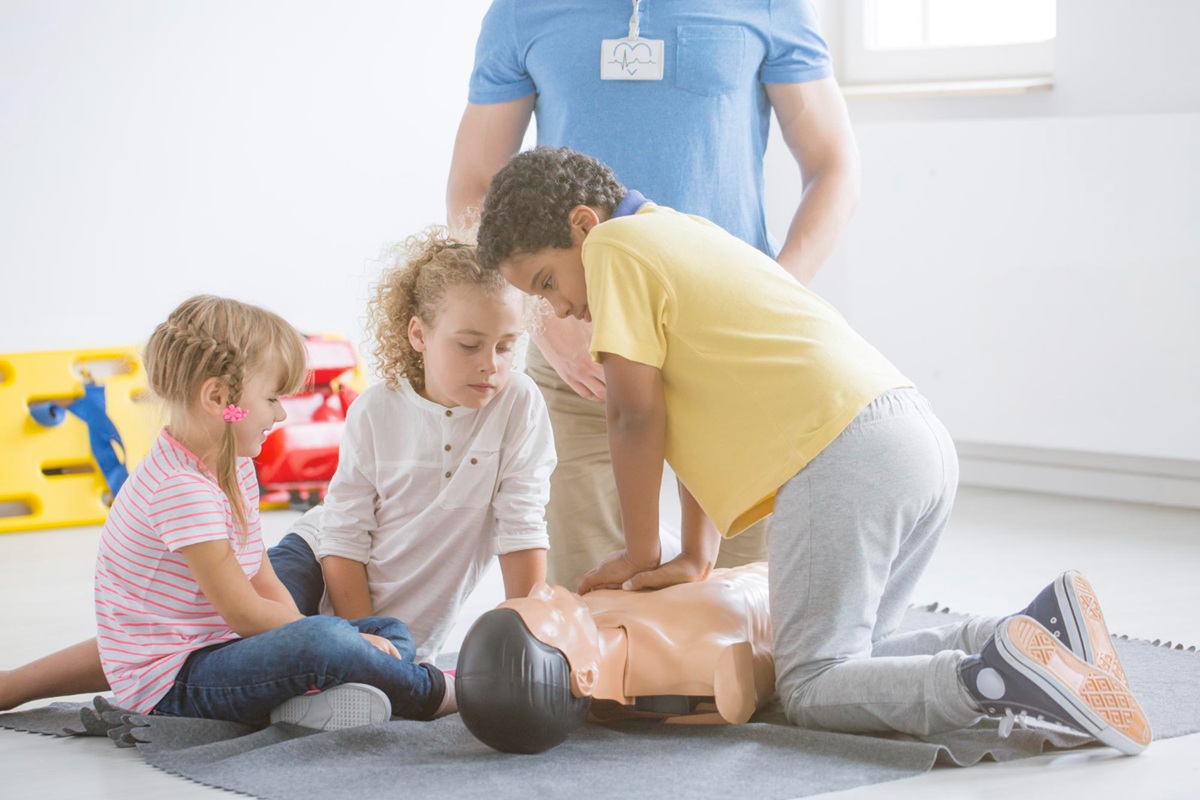
Safety isn’t just a staff job. Students play a role too. Give them a short pre-trip briefing to cover:
Expected behaviour
What to do if they feel sick or hurt
Who to talk to in an emergency
Why it’s important to follow safety rules
Even a quick chat can make a big difference.
You can also encourage students to carry a small personal essentials pouch with items like sunscreen, hand sanitiser, and tissues. This helps foster a sense of responsibility and reduces reliance on supervisors for every minor need.
Including students in the safety conversation empowers them to be active contributors to the school community and more aware of their surroundings.
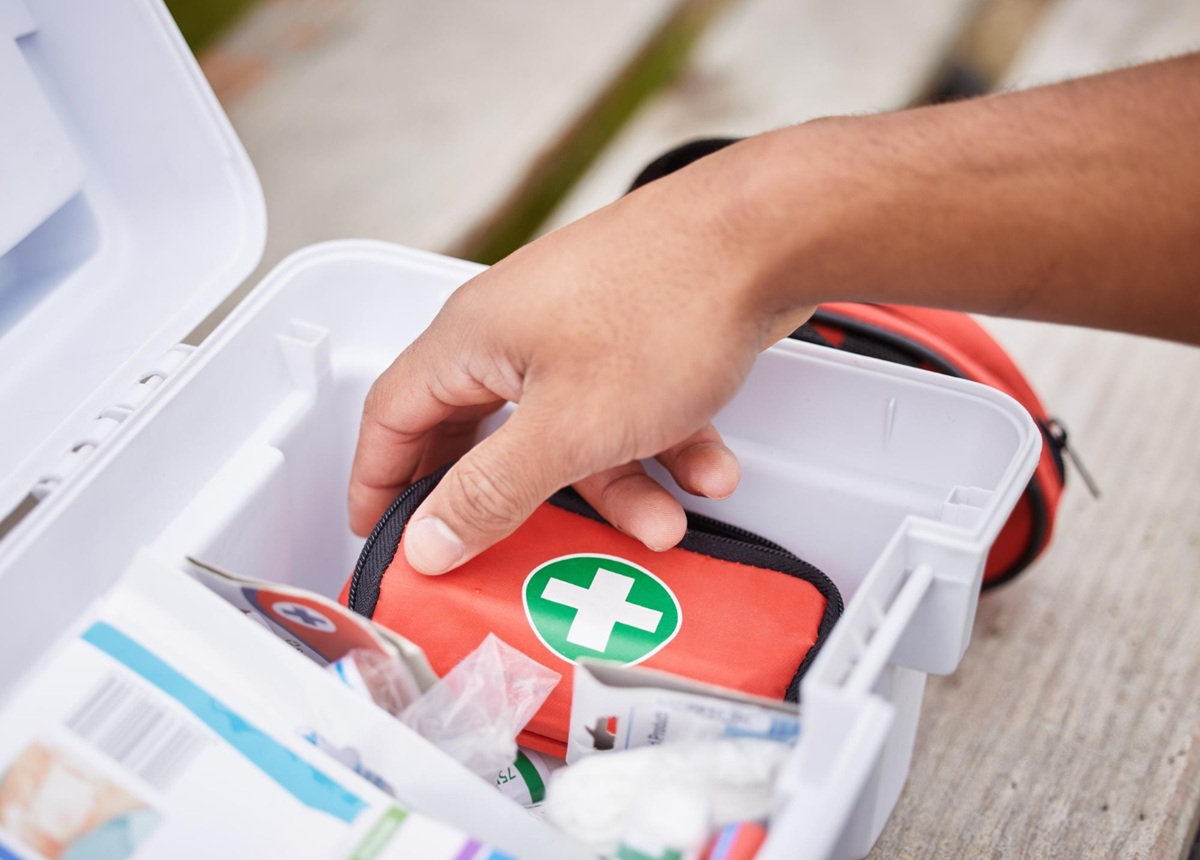
You can’t prevent every accident. But you can be ready for them. With the right preparation, the right training and the right gear, you can give students a safe and memorable excursion experience.
Parents, too, take comfort in knowing their child’s school is prepared. Communicating your safety measures in newsletters or excursion notes builds trust and reassurance.
At LFA First Response, we’re here to make that part easy. Our first aid kits for schools are built for Aussie classrooms, playgrounds and school buses. So when you’re packing for your next adventure, don’t forget the kit that’s got your back.
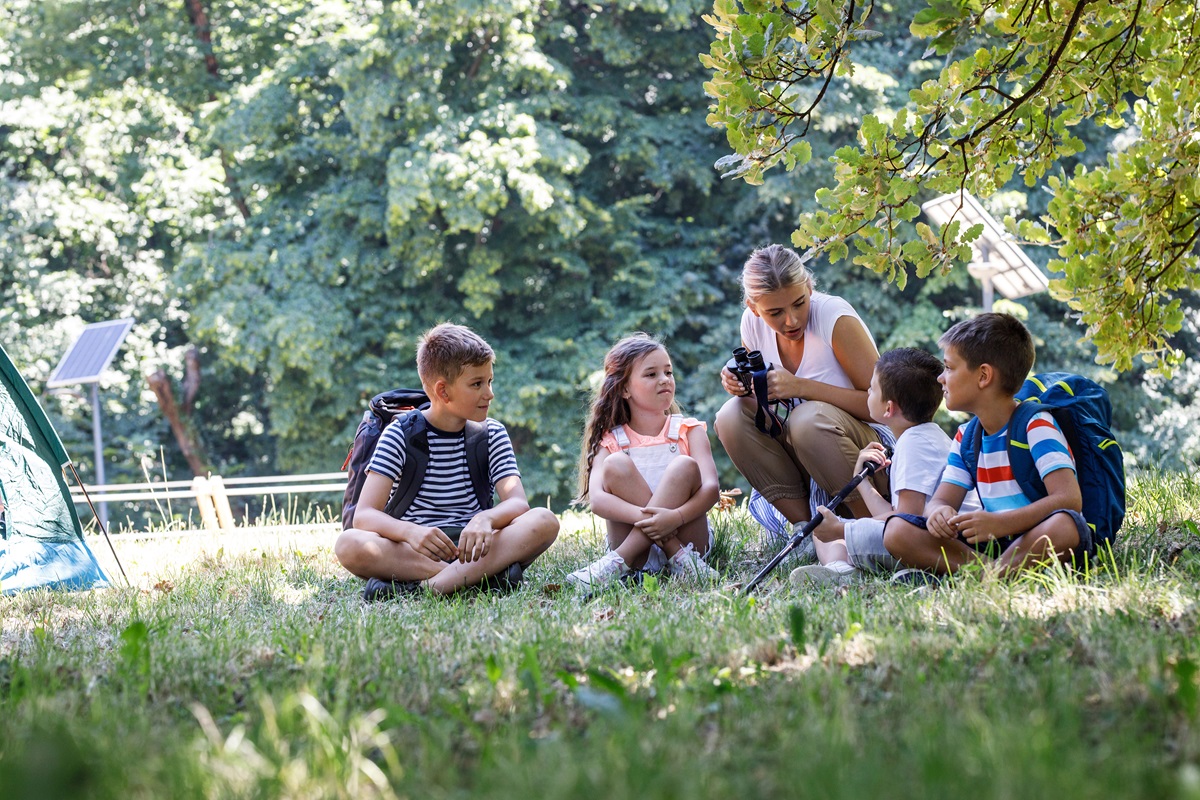
School camps in Australia offer students unique opportunities for learning, exploration, and adventure. However, with our diverse landscape, wildlife, and climate, it's crucial for teachers and decision-makers at schools to prioritise safety and preparedness. This month’s blog aims to provide valuable information and guidance on essential first aid supplies for Australian school camps, ensuring the safety and well-being of students during outdoor excursions.
J
Jason Hitch
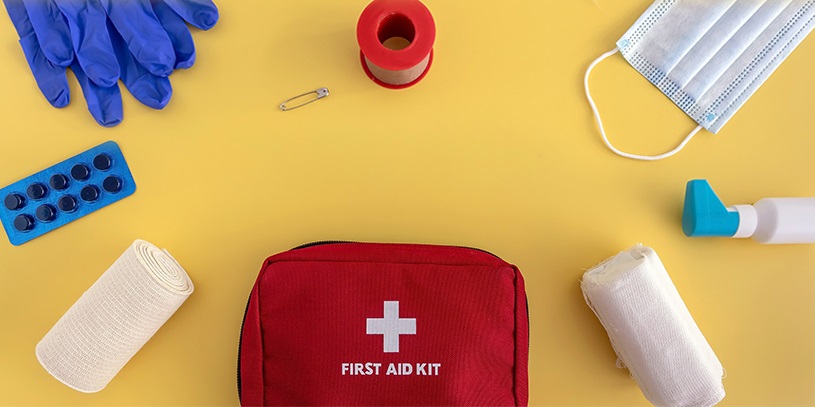
First aid policies are in place in schools to ensure that students can feel safe and well when unexpected circumstances arise. In compliance with legal obligations, schools must have the necessary first aid facilities and treatment available to all people at the school.
J
Jason Hitch
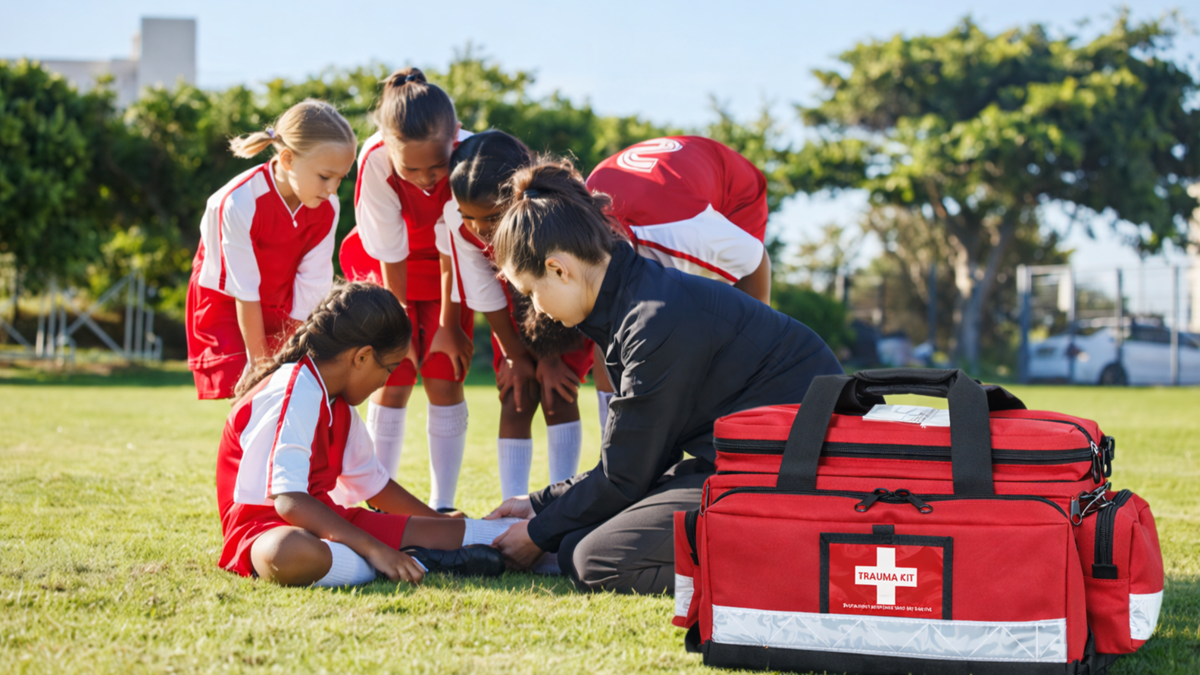
When an emergency happens at school, compliance gaps quickly become legal risks. With 2025–2026 updates to Safe Work Australia's Code of Practice and evolving state mandates, principals and WHS officers must rethink what “adequately stocked” really means. This expert checklist outlines the exact supplies, kits, and audit systems schools need to protect students and staff with confidence.
J
Jason Hitch

Schools are fast-paced environments, and with so many moving parts, health and safety risks can crop up at any moment. From playground slips to medical emergencies, being prepared isn’t optional. It’s essential.
J
Jason Hitch