J
Jason Hitch
Schools are fast-paced environments, and with so many moving parts, health and safety risks can crop up at any moment. From playground slips to medical emergencies, being prepared isn’t optional. It’s essential.
For educators, understanding these risks means more than staying compliant. It’s about protecting students, supporting staff, and creating a safe space to learn and grow.
At LFA First Response, we believe peace of mind starts with preparation. This guide breaks down the most common school hazards, how to manage them, and the essential equipment every school should have on hand.
Educators have a duty of care, not just to teach, but to ensure the physical and emotional safety of every student. A safe school environment supports learning, boosts confidence, and reduces disruptions caused by injuries or emergencies.
It’s also a compliance issue. Schools must meet health and safety standards set by state and federal regulations. Ignoring potential risks doesn’t just put people in danger, it can lead to serious legal and financial consequences.
But most importantly, when safety is prioritised, students thrive. Staff feel supported. And parents trust that their children are in good hands.
Whether it’s during school curriculum activities, recess, or special events, risks are always present in a school setting. Understanding what these look like is the first step in the risk management process.
Here are some of the most common hazards school staff should keep on their radar:
Wet walkways, uneven surfaces, and crowded corridors can easily lead to accidents, especially in high-traffic areas like playgrounds or assembly halls.
From scraped knees to nosebleeds, minor injuries are part of school life. But without proper supervision or supplies, small issues can escalate quickly.
Asthma attacks, allergic reactions, and seizures require immediate action. Schools must have plans in place and the right equipment on hand to respond fast.
Extreme weather, poor ventilation, or exposure to chemicals (like cleaning supplies or science lab materials) all carry potential risks, especially during practical learning activities.
Supporting student wellbeing is just as important as physical safety. Changes in behaviour, signs of distress, or mental health challenges can affect both students and staff.
Effectively managing risks in schools means recognising these common hazards and building procedures around prevention, response, and education.

Identifying risks is only half the job, safety risk management is all about taking proactive steps to prevent incidents and respond effectively when they do happen.
Here are key strategies schools can adopt to stay ahead in health safety:
For higher-risk school curriculum activities (like science experiments or sports), using a safe work method statement helps break down each task, assess the risks, and outline safe procedures for staff and students.
Every hazard needs a solution. That might mean installing handrails to prevent falls, running regular emergency drills, or clearly labelling electrical equipment to avoid shock risks. Tailoring control measures to specific activities keeps them effective and relevant.
All staff—not just admin or maintenance—should be trained in spotting hazards and responding appropriately. From recognising hazardous manual tasks like lifting sports equipment to knowing what to do in a medical emergency, informed staff are your first line of defence.
Safety isn’t one-and-done. Schools should regularly revisit their risk management process to update policies, incorporate feedback, and adjust to changes in staffing, equipment, or student needs.
Creating a safe learning environment doesn’t mean eliminating all risk, it means managing it smartly, confidently, and with the right tools in place.
Want help building a safety plan? Check out our guide to creating a School Emergency and Risk Management Plan.
Having the right equipment on-site is a critical part of any school’s risk assessment and work health strategy. No matter the size of the workplace or the type of activity, being properly equipped means your team can act fast and confidently when issues arise.
Here’s what every school should have in place:
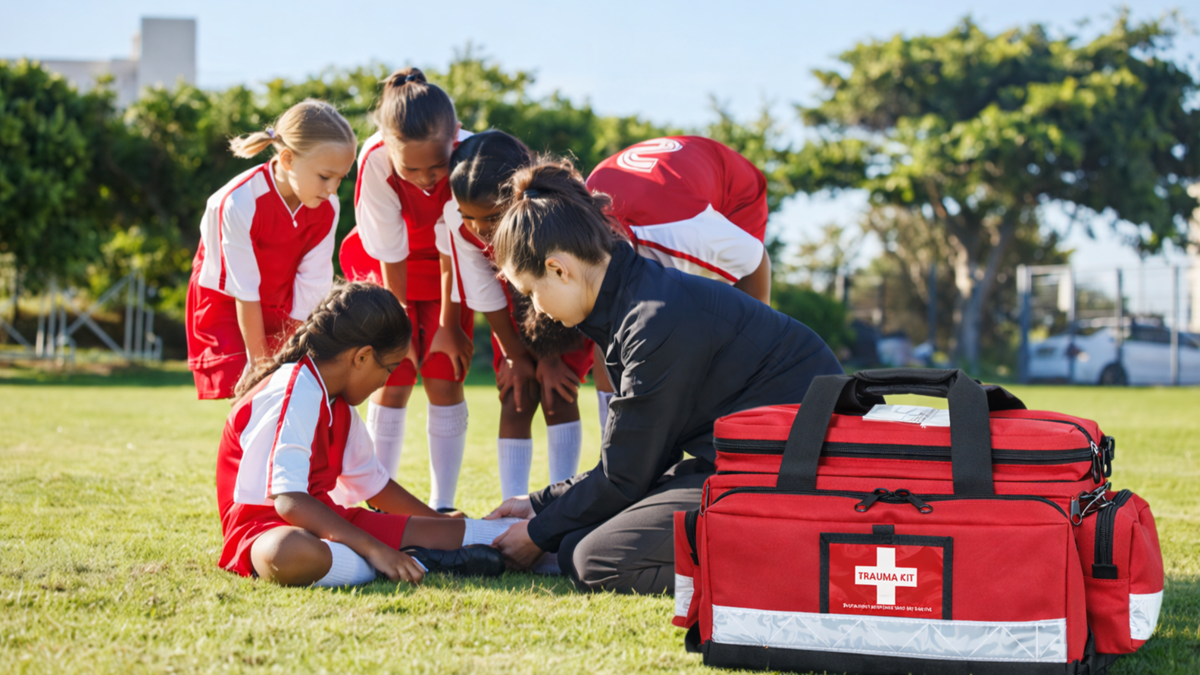
Accessible, compliant, and fully stocked kits are non-negotiable. These should be located throughout the workplace, in classrooms, staff rooms, and during off-site activities.
Asthma and anaphylaxis emergencies require immediate action. Schools must have clearly labelled, easily accessible asthma and anaphylaxis kits, stocked according to guidelines. Staff should be trained in their use to respond confidently when seconds count.
In the event of a cardiac emergency, time is everything. Having an AED on campus and ensuring staff are trained to use it can save lives.
Whether it's gloves for first aid, masks during flu season, or goggles in the science lab, appropriate personal protective equipment helps prevent cross-contamination and injury.
Clear signage, fire extinguishers, and evacuation maps should be visible and up to date. Regular checks ensure they’re ready when needed.
Keeping detailed records of incidents and near-misses helps the department identify trends and improve long-term safety outcomes. This information feeds directly into future risk assessments.
When schools invest in the right safety gear, it empowers staff to respond quickly and protects students from avoidable harm. Plus, it shows your school is serious about meeting its duty of care, and that goes a long way in building trust with your community.

Common school hazards include slips, trips, and falls, manual handling injuries (like lifting sports gear or moving furniture), exposure to electrical equipment, and emergency medical situations. There are also psychosocial hazards, such as stress, bullying, or behavioural incidents, which can impact both staff and students.
Staff should receive training in manual handling, first aid, fire safety, and emergency response procedures. They also need to understand how to identify and report risks as part of the school’s risk assessment process.
Regular refresher courses ensure that everyone stays aligned with the latest standards outlined in the Safety Act and relevant department policies.
A risk register lists all identified hazards, their likelihood, and control measures. It’s a core part of your school’s risk management process and ensures transparency across the department.
Yes, student behaviour issues, stress, and bullying can lead to serious outcomes. Addressing psychosocial hazards is essential for both well-being and compliance.
Managing health and safety in schools can be tough. LFA First Response helps by providing reliable, affordable medical supplies that meet Australian standards.
We’ve worked with schools to keep medical rooms stocked and ready, with an easy ordering process that saves time. Our customer service team is available to answer questions and offer practical advice when you need it.
With the right equipment and support, managing safety becomes simpler, so staff can focus on what matters most. Explore our school safety solutions or get in touch.

Emergencies don’t wait for convenient timing, and in a school setting, every second matters. Whether it’s a student fainting in class, a fire alarm going off mid-assembly, or an unexpected allergic reaction in the lunchroom, a school’s safety plan is only as strong as its weakest link.
J
Jason Hitch

In today’s educational landscape in Australia, the safety and well-being of students are paramount, especially when it comes to managing allergies in schools. This blog aims to serve as a comprehensive guide on how to create safe learning spaces that accommodate all students, particularly those at risk of anaphylaxis.
J
Jason Hitch

Looking for a healthy, practical and successful fundraiser for your school community this year? Raise money, bring your community together and boost awareness around first aid with LFA's first aid kit fundraiser.
J
Jason Hitch
When an emergency happens at school, compliance gaps quickly become legal risks. With 2025–2026 updates to Safe Work Australia's Code of Practice and evolving state mandates, principals and WHS officers must rethink what “adequately stocked” really means. This expert checklist outlines the exact supplies, kits, and audit systems schools need to protect students and staff with confidence.
J
Jason Hitch