J
Jason Hitch
Emergencies don’t wait for convenient timing, and in a school setting, every second matters. Whether it’s a student fainting in class, a fire alarm going off mid-assembly, or an unexpected allergic reaction in the lunchroom, a school’s safety plan is only as strong as its weakest link.
School medical officers' role goes way beyond managing band-aids and ice packs. You’re the frontline responder. The calm in the chaos. And the one who needs to know, with full confidence, that your comprehensive school safety system is in place and actually works.
This guide breaks down the essential components of a school safety plan - the ones that help you respond quickly, stay compliant, and keep students safe when things get real. Let's get into it!
In a real emergency, there's no time to dig through a manual. Every school needs a clear, practised emergency management procedure that staff can follow without second-guessing.
Students and staff should know exactly where to go and how to get there. Keep evacuation routes clearly marked, update assembly points as needed, and run drills regularly so they become second nature.
Different situations call for different responses. Staff should know the difference between lockdowns for natural disasters, lockout, and evacuation, and have a simple plan to follow for each.
Quick communication and calm action are key.
There should be a clear process for handling injuries or health emergencies. That includes knowing who the trained first aiders are, where critical equipment like defibrillators is located, and how to get emergency help fast.
Practising these procedures regularly helps staff stay calm and respond to each case effectively, because in those first few moments, clarity saves time.
A dusty box in the back of a cupboard won’t cut it. Your school’s first aid setup needs to be ready for real situations, not just regulations.
Every kit should include the essentials: bandages, saline, gloves, antiseptics, and for many schools, EpiPens and inhalers are non-negotiable. Outdated supplies or missing items can slow down response times when it matters most.
Old consumables are more than a compliance issue - they’re a risk. EpiPens and asthma relievers need to be in-date and effective. Regular checks keep your supplies safe and ready to use.
LFA First Response offers custom school kits built to meet real needs. Each kit includes high-quality, TGA-registered products and consumables with long-lasting expiry dates, so you’re not constantly replacing stock.
It’s one less thing to worry about - and one more step toward safer schools.

From scraped knees to sudden fevers, schools deal with it all. Having a clear system in place makes everyday incidents easier to manage - and helps serious ones from becoming emergencies.
Staff should be trained to assess the situation quickly. Who needs first aid? Who needs to go home? And who might need more serious medical attention?
Clear Reporting
Every incident, no matter how minor, should be documented. Whether it’s a twisted ankle or a head knock, detailed records keep everyone accountable - and help spot patterns if the same issues keep coming up.
If a student shows signs of illness, there needs to be a plan to isolate them safely until they’re picked up. That includes a clean, comfortable space and access to basic care.
A consistent, well-documented approach takes the pressure off staff and keeps students safe, even on the messiest school days.

In an emergency, who does what - and how fast they do it - can make all the difference. That’s why communication and training need to be dialled in.
It’s not just the School Medical Officer who needs to be in the loop. Teachers, admin staff, and even the grounds team. Everyone should know the basics of emergency response and how to contact help.
When something happens, time matters. Whether it’s a loudspeaker, SMS alert, or direct call to the front office, there should be a reliable way to spread the word quickly and clearly.
First aid training shouldn’t happen once every few years and then fade from memory. Refresher sessions keep skills sharp and build confidence across the team.
Prepared staff are calm staff. When everyone knows their role, it shows.
Safety guidelines for schools aren’t just about cuts and concussions - it’s also about creating a space where students feel supported and seen. Mental well-being needs to be part of every school’s safety plan.
Staff should feel confident in spotting early signs of stress, anxiety, or withdrawal. Quiet changes in behaviour can signal something bigger, and a gentle check-in can go a long way.
Simple tools can make a big difference:
Wellbeing check-in apps for students to flag how they’re feeling
Anonymous feedback boxes for those who prefer to speak up quietly
Designated safe spaces, like a calm-down room or quiet corner in the nurse’s office
Burnout is real, especially in schools. Mental health resources, debriefing sessions, and access to professional support help keep staff grounded and resilient.
When well-being is a priority, the whole school feels it. A safe school supports the mind just as much as the body.
Regular site safety checks are a must. Schools aren’t just classrooms; they’re full of hallways, playgrounds, kitchens, and sports fields, all of which can hide potential risks.
Not all risks are obvious. Common hazards schools overlook include:
Slippery floors (especially in rainy weather)
Sharp edges on furniture or playground equipment
Loose or broken gear in sports or play areas
These checks should be part of your regular routine. Walkthroughs should cover the physical environment, looking for things that might cause injury or make students sick. This could include checking air quality, lighting, and emergency exits, too.
It’s a great idea to involve the School Medical Officer in these reviews. They can spot health-related risks (like asthma triggers or the risk of allergic reactions) that might not be obvious to others.
The safer the environment, the fewer surprises when it comes to student health. Regular checks should be top priority and give you a proactive approach to potential problems.

Even with the best intentions, it’s easy to overlook a few things. These are some of the most common school safety policy missteps that can leave a school unprepared when it matters most.
Expired supplies or kits missing essential items put everyone at risk. Check expiry dates regularly, and replace anything that’s past its prime.
If the school layout changes - new classrooms, rearranged exits, or updated sports areas - make sure your safety plans reflect those updates. A door that used to lead to an emergency exit may no longer be accessible.
Every new staff member should be trained on your emergency procedures. Even if they’re not full-time, part-time staff should understand their role in an emergency.
Every incident, big or small, should be documented. Missing paperwork for minor injuries can lead to confusion later on, especially if a more serious issue arises from the same event.
Avoiding these mistakes helps keep your school’s safety plan solid and reliable when it counts.
We understand that managing the school safety plan for students on a tight budget isn’t easy. You need affordable, reliable supplies that don’t compromise on quality, and that’s where LFA First Response comes in.
Our comprehensive school first aid kits are fully stocked with everything you need to handle emergencies quickly. We offer compliant, TGA-registered products that keep your school in line with regulations, plus extended shelf life and quick, easy ordering to ensure your medical room stays stocked without the hassle.
Whether it’s dealing with minor injuries or preparing for more serious emergencies, our versatile solutions have you covered. Plus, our expert customer service is always here to help, ensuring you’re fully supported every step of the way.
Let LFA be your partner in making school health and safety simpler and more effective.
Your role in keeping students safe is crucial, and being prepared doesn’t mean you have to do it alone. With LFA First Response, you can rely on a trusted partner to help create tailored first aid solutions for your community.
Explore our custom kits or reach out to us for expert advice - together, we can build a safer, healthier school environment for everyone.
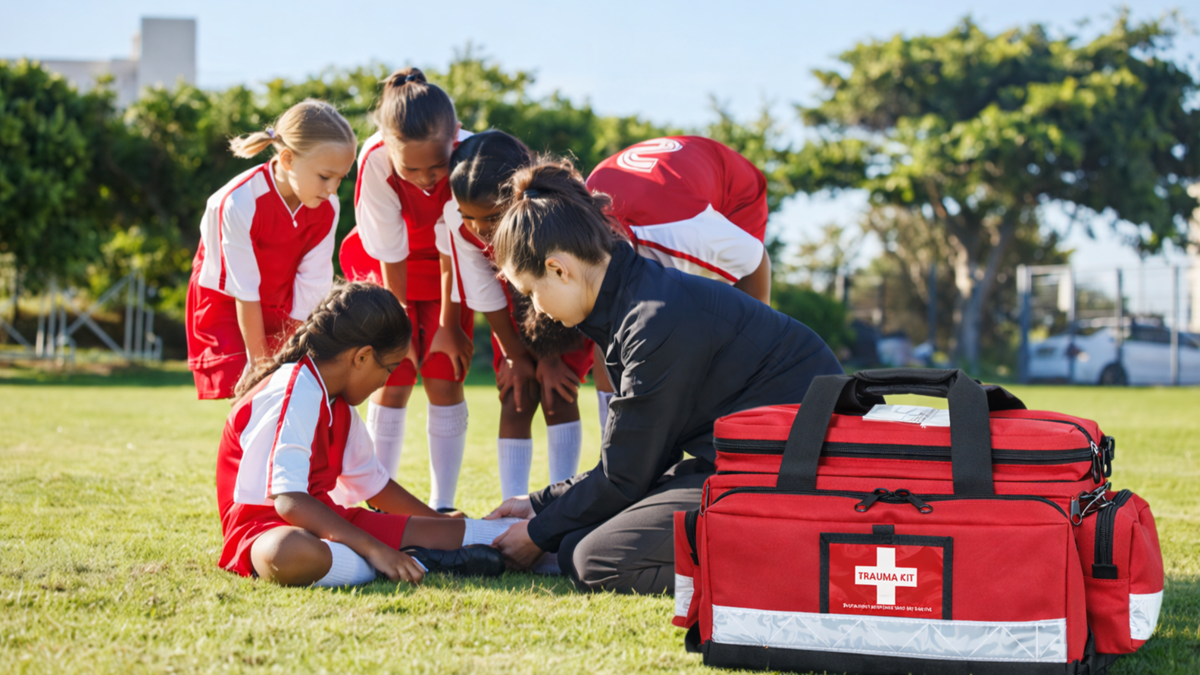
When an emergency happens at school, compliance gaps quickly become legal risks. With 2025–2026 updates to Safe Work Australia's Code of Practice and evolving state mandates, principals and WHS officers must rethink what “adequately stocked” really means. This expert checklist outlines the exact supplies, kits, and audit systems schools need to protect students and staff with confidence.
J
Jason Hitch
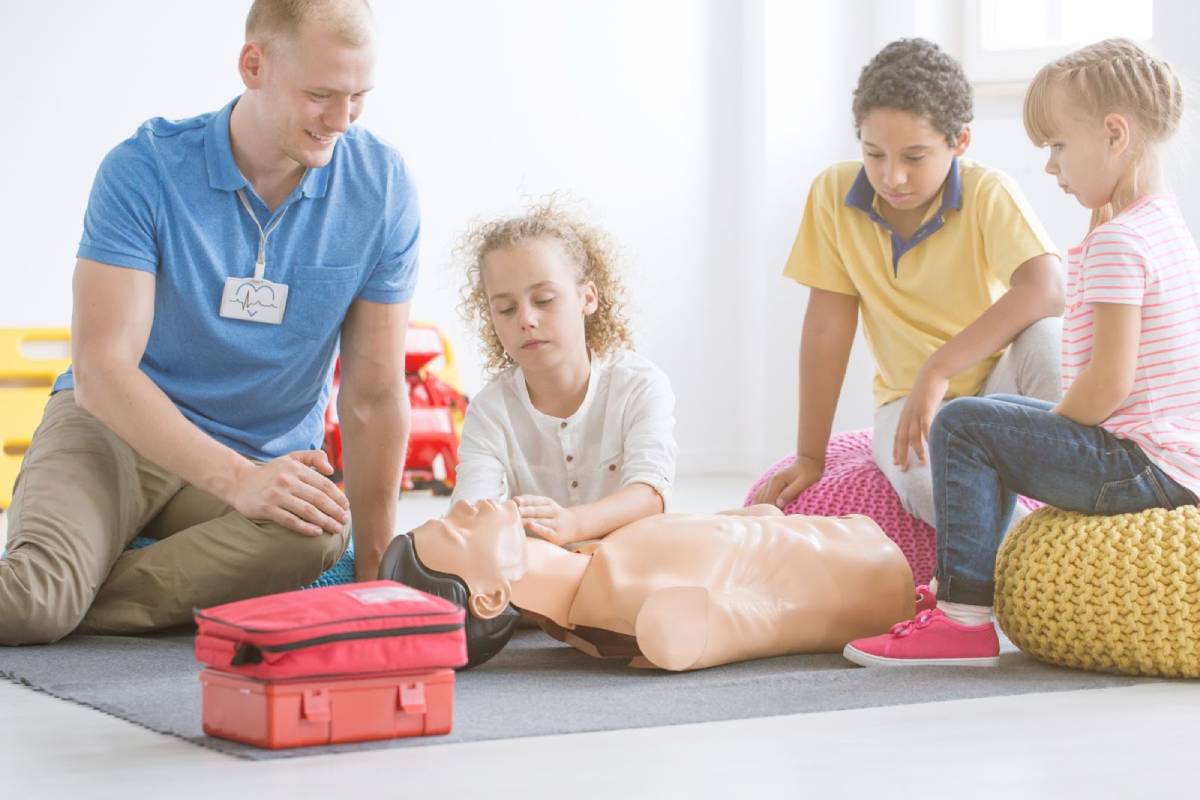
Excursions are a highlight of the school year. A break from routine, a chance to learn outside the classroom, and let’s be honest, a whole lot of fun. But with new environments come new risks. When you’re responsible for a group of kids, safety on school excursions isn’t optional. It’s your top priority.
J
Jason Hitch

Schools are fast-paced environments, and with so many moving parts, health and safety risks can crop up at any moment. From playground slips to medical emergencies, being prepared isn’t optional. It’s essential.
J
Jason Hitch
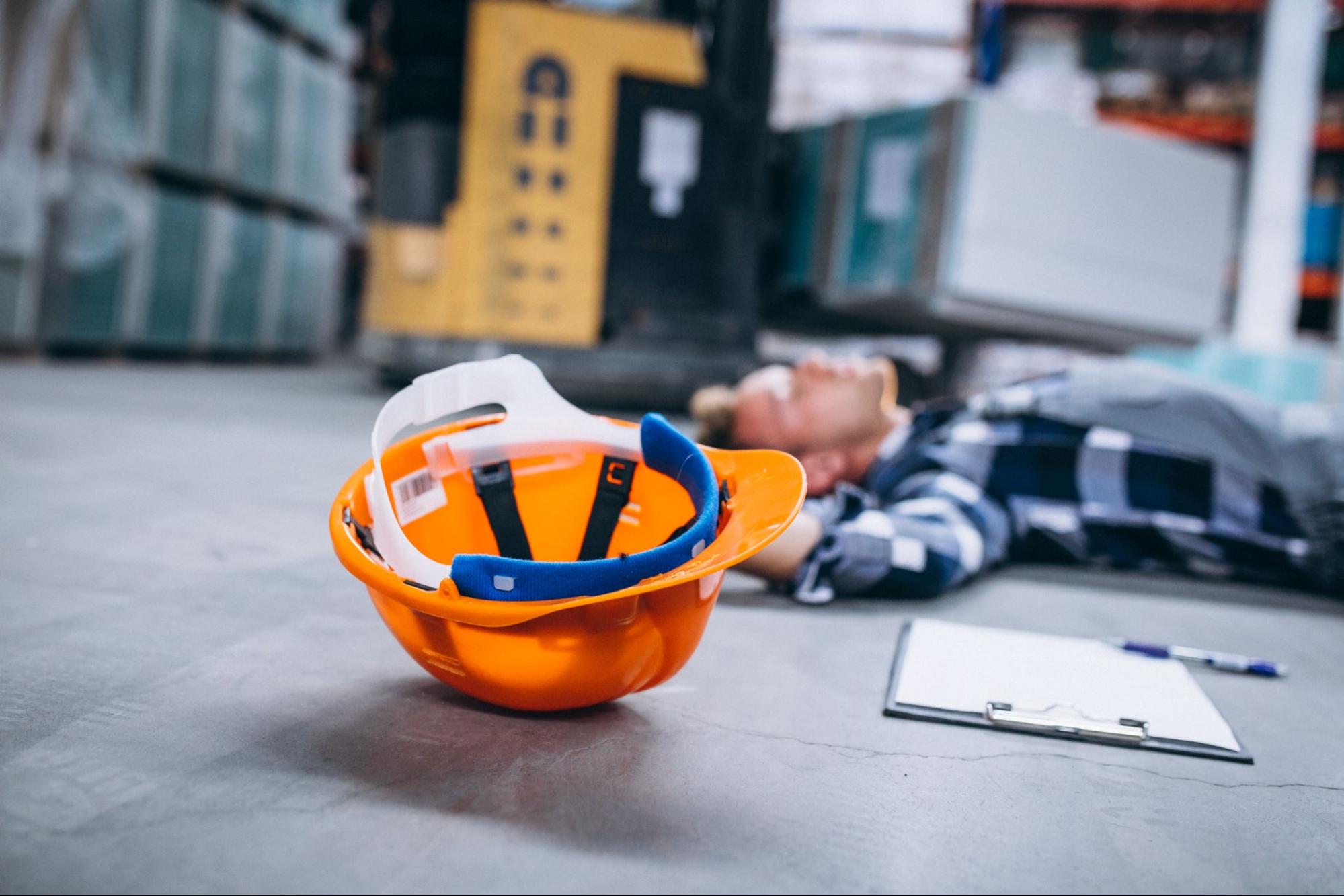
Get first aid for construction right with LFA First Response. Learn about first aiders, kits, placement and compliance for Australian worksites.
J
Jason Hitch