J
Jason Hitch
Australia has some of the highest UV radiation levels on the planet. That is not a tourism slogan — it is a clinical reality. In summer, unprotected skin can start sustaining DNA damage in as little as 11 minutes. And with two in three Australians expected to be diagnosed with skin cancer in their lifetime, knowing how to identify and respond to sunburn is not optional. It is essential to have first aid knowledge.
The problem is, not all sunburn is the same. A light pink flush across the shoulders requires very different treatment from a blistering, feverish reaction that signals systemic toxicity. Getting the response wrong — or dismissing a serious burn as "just a bit of colour" — can lead to infection, scarring, or a hospital visit.
This sunburn severity chart breaks down the four stages of sunburn, explains exactly what to look for at each level, and walks you through the correct first aid response — all aligned with current ANZCOR guidelines and Australian clinical best practice.
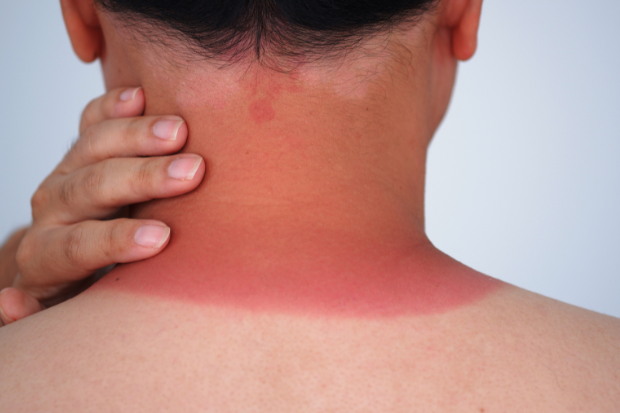
Sunburn is classified into four stages: mild (pink, tender skin), moderate (bright red with swelling), severe (blistering and intense pain), and sun poisoning (systemic illness requiring emergency care).
Cool the skin with running water for 20 minutes, take ibuprofen early, and hydrate aggressively.
Never apply ice to sunburn — it can deepen the injury.
Any blistering sunburn in a child requires immediate medical review.
Prevention — not treatment — is the only way to avoid permanent DNA damage.
A sunburn severity chart is a clinical reference tool that classifies solar erythema (the medical term for sunburn) by the depth of tissue damage, visible symptoms, and systemic impact. It works on the same principle clinicians use to assess thermal burns: the deeper the injury penetrates the skin's layers, the more serious the treatment required.
For first aid officers, school nurses, parents, and outdoor workers, a severity chart removes the guesswork. Instead of wondering "is this bad enough to see a doctor?", you match what you see against a defined set of clinical indicators and respond accordingly.
The chart below uses a four-stage model that maps to standard burn depth classifications recognised by the Victorian Adult Burns Service and the RACGP. For a deeper dive into general burn assessment and first aid, see our guide to diagnosing and treating burns.
Stage | Classification | Key Signs | Healing Time | Action |
|---|---|---|---|---|
Stage 1: Mild | Epidermal (First-Degree) | Pink to red; blanches with pressure; no blisters; tender | 3–7 days | Self-care at home |
Stage 2: Moderate | Superficial Partial-Thickness | Bright red; swelling; hot to the touch; may blister; significant pain | 7–14 days | Pharmacy consult |
Stage 3: Severe | Deep Partial-Thickness (Second-Degree) | Deep red/purple; large blisters; weeping skin; sluggish blanch | 2–4 weeks | GP or clinic review |
Stage 4: Sun Poisoning | Systemic Phototoxicity | Widespread blistering + fever, nausea, confusion, chills | Variable | Emergency (call 000) |
This is the most common form of sunburn. The skin appears pink to light red and feels warm and tender to the touch. The critical diagnostic feature is blanching: press a finger firmly against the reddened area, and the skin turns white, then quickly flushes back to pink when you release. This indicates the capillary bed beneath the skin is intact and undamaged. According to Healthdirect, symptoms typically appear 6–12 hours after exposure and peak around 24 hours.
Cool the skin: Apply cool (not cold) running water or compresses for 20 minutes. Alternatively, take a cool bath or shower. This dissipates stored heat in the tissue and stabilises the inflammatory response.
Moisturise: Apply a fragrance-free emollient or aloe vera gel while the skin is still damp to lock in hydration. A cooling burn gel containing hydrogel or aloe vera provides targeted relief for sunburnt skin.
Take ibuprofen early: NSAIDs like ibuprofen block the prostaglandins driving pain and redness. They are most effective when taken within the first few hours of symptom onset.
Hydrate: Drink extra water over the next 24–48 hours. Sunburn draws fluid to the skin surface, which can leave you mildly dehydrated.
Stay out of the sun: Your skin's natural UV protection is compromised. Further exposure will compound the damage.
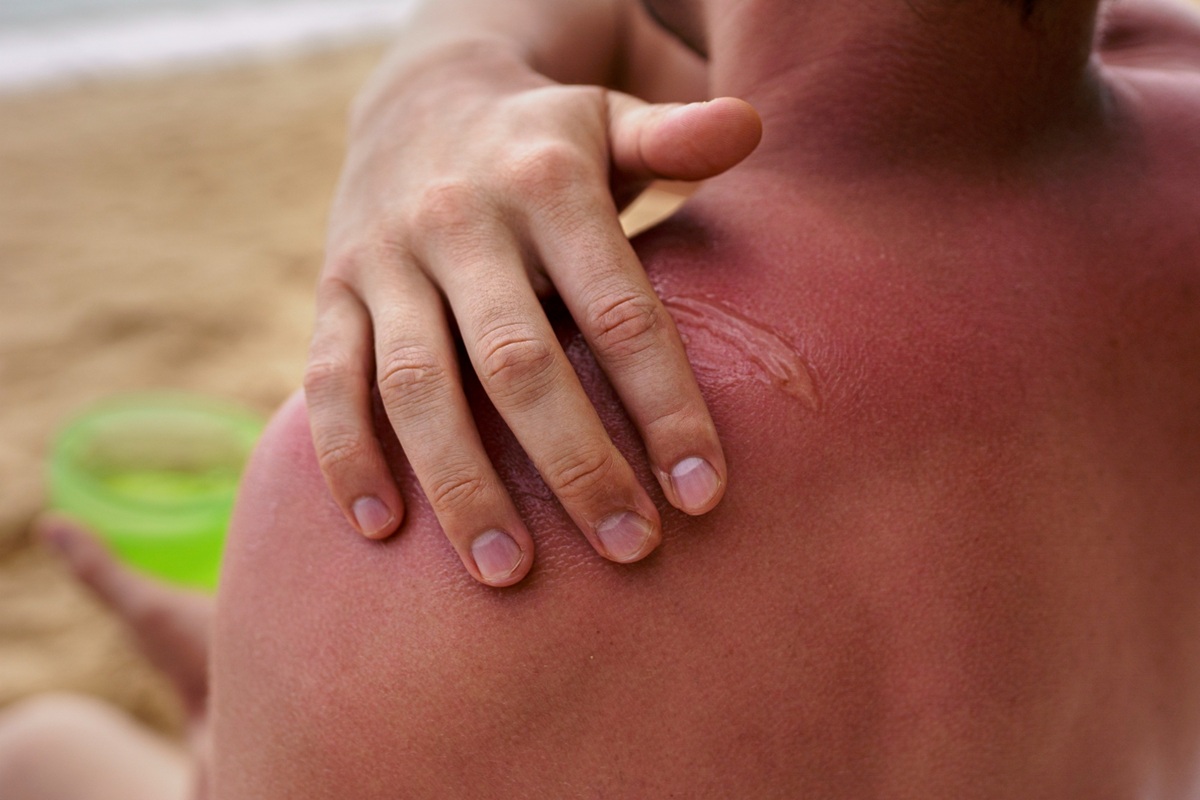
The redness is intense — often described as a vivid "lobster red." Visible swelling develops, particularly around the eyes, face, and areas with loose connective tissue. The skin feels physically hot to the touch, radiating heat. Small blisters may begin to form. According to the Better Health Channel, peeling is almost guaranteed with burns at this depth, and pigmentary changes (sunspots) become a genuine risk.
All Stage 1 treatments apply, with these additions:
Oral anti-inflammatories are essential, not optional: Maintain a regular dosing schedule of ibuprofen (as directed on the packaging) for at least 48 hours.
Consider hydrocortisone cream (1%): Available over-the-counter, this low-potency topical steroid can reduce itch and redness when applied sparingly to intact (non-blistered) skin.
Upgrade your hydration: At this stage, plain water may not be enough. Oral rehydration solutions containing sodium, potassium, and glucose are absorbed faster and help prevent the dehydration that accompanies significant skin inflammation. Browse LFA's range of rehydration products to keep your kit stocked.
Do not pop blisters: If small blisters appear, leave them intact. The blister roof acts as a natural sterile dressing, protecting the healing tissue beneath from infection.
This is the stage where sunburn crosses from uncomfortable to medically significant. The skin is deep red to purple, and large fluid-filled blisters (bullae) are present. The surface may appear wet or weeping. When you perform the blanching test, colour returns slowly or not at all — a sign that deeper capillaries are damaged. Pain is intense, and movement may be restricted by swelling. The RACGP notes that burns at this depth have breached the epidermis entirely and extend into the reticular dermis.
Do not burst blisters: This is non-negotiable. Ruptured blisters expose raw dermal tissue to bacteria. If a blister bursts on its own, clean gently with saline or water and cover with a sterile non-adherent dressing.
Cover with appropriate dressings: Use non-stick wound dressings or hydrogel burn dressings to protect the area. For large-area burns, burn sheets provide sterile coverage without adhering to the wound.
Seek medical review: Any blistering sunburn covering a large body area (particularly the face, hands, feet, or genitals) warrants a GP visit. A clinician can assess depth, prescribe medicated creams if needed, and monitor for infection.
Never apply ice: The ANZCOR Guideline 9.1.3 is explicit: ice and ice water cause vasoconstriction that can arrest blood flow to damaged tissue, potentially deepening the burn injury.
"Sun poisoning" is not a formal medical diagnosis, but it describes a severe sunburn that has triggered a systemic inflammatory response. Beyond the skin findings of Stage 3, the person develops whole-body symptoms: fever above 38.5°C, chills and rigours, nausea, vomiting, severe headache, dizziness, and confusion. This mimics a severe infection or viral illness. As Healthdirect explains, the inflammatory chemicals released by massively damaged skin spill into the bloodstream, affecting the entire body.
Call Triple Zero (000) or get to an Emergency Department immediately: This is not a condition you manage at home.
Move the person to a cool environment: Remove them from any heat source while waiting for help.
Begin gentle cooling with damp compresses: Avoid ice.
Offer small sips of water if conscious: Do not force fluids if the person is vomiting or confused.
Hospital treatment may include IV fluids, parenteral pain relief, and monitoring for electrolyte imbalances.
The blanching test is the single fastest bedside assessment you can perform. Press a finger firmly against the reddened skin for 3–5 seconds, then release and watch what happens.
Quick return to pink (under 2 seconds): Capillaries are intact—likely Stage 1 or 2. Self-care is generally appropriate.
Sluggish return: Deeper damage. Likely Stage 3. Seek medical review.
No return (non-blanching): Capillary damage or blood leaking into tissue. This is a medical emergency.
Important: On darker skin tones, redness and blanching can be difficult to see. Rely on tactile cues — heat, swelling, and hardening of the skin — and the person's reported pain level. The VicBurns service at the Alfred Hospital recommends this approach for accurate assessment across all skin types.
Not every sunburn needs a doctor. But certain signs demand professional assessment. Seek medical help if:
Blisters cover a large area of the body or appear on the face, hands, feet, or genitals
Fever, nausea, vomiting, chills, or confusion develop
Pain is severe and unresponsive to over-the-counter medication
Signs of infection appear: increasing redness, pus, red streaks, or escalating pain
The skin looks white, waxy, or leathery (signs of full-thickness damage)
Any blistering sunburn in a child, or any sunburn at all in an infant under 12 months
These thresholds are drawn directly from ANZCOR Guideline 9.1.3 and Healthdirect. When in doubt, call Healthdirect on 1800 022 222 for 24/7 nurse-led triage advice.
Children are not small adults — their skin is thinner, their body surface area relative to mass is larger, and they lose fluids far more rapidly when the skin barrier is compromised. Research published by the Cancer Council shows that a single blistering sunburn in childhood or adolescence can more than double the lifetime risk of melanoma. Overexposure before the age of 18 accounts for the bulk of UV-related DNA damage that drives skin cancer later in life.
Practically, this means the treatment thresholds are lower for children. Any blistering warrants a GP visit. Watch for dehydration closely: fewer than three wet nappies in 24 hours in an infant is a red flag, according to the Royal Children's Hospital Melbourne. Never give aspirin to anyone under 19 (risk of Reye's syndrome) — stick to paracetamol or ibuprofen at age-appropriate doses. Babies under six months should be kept out of direct sunlight entirely.
These two conditions often occur together after a long day in the sun, but they are distinct emergencies with different treatments. Confusing them can be dangerous. The table below, adapted from Healthdirect, summarises the key differences:
Feature | Severe Sunburn | Heat Exhaustion | Heat Stroke (000) |
|---|---|---|---|
Skin | Red, hot, painful | Pale, clammy, cool | Red, hot, DRY |
Sweating | Present | Profuse | Absent (failed) |
Mental State | Alert, pain-focused | Dizzy, weak, faint | Confused, aggressive, seizure |
Core Temp | Mildly elevated | Normal to <40°C | Above 40°C |
Urgency | Urgent if blistering | Treat on site | CRITICAL — call 000 |
Critical rule: If a person is sunburned but their skin is dry (not sweating) and they are confused or irrational, treat for heat stroke first. The sunburn is secondary. Heat stroke can be fatal, so make sure to call 000.
Every first aid treatment on this page manages symptoms. None of them reverse the DNA damage sustained by your skin cells. That damage is cumulative and permanent — five or more sunburns in a lifetime doubles melanoma risk. Prevention is the only real strategy.
Follow the Cancer Council's five forms of sun protection whenever the UV Index hits 3 or above (which, in most of Australia, means year-round):
Slip on sun-protective clothing (look for UPF50+ rated garments).
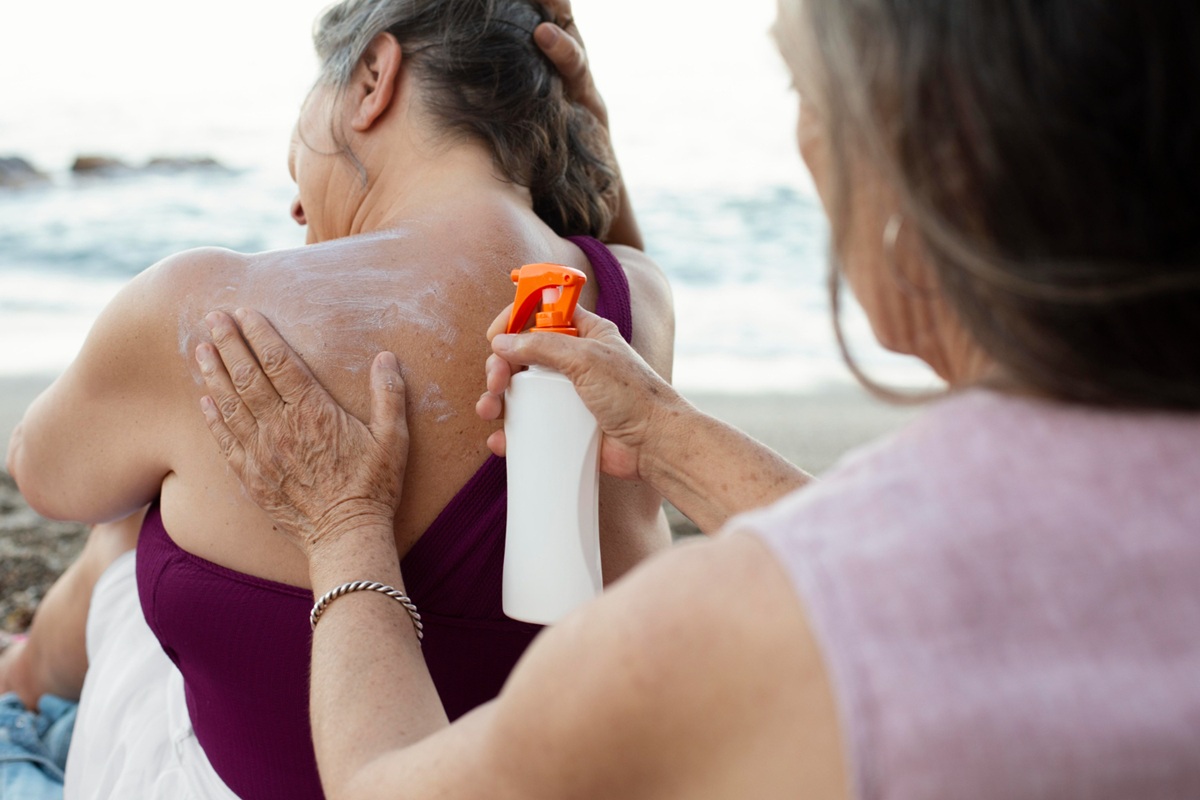
Slop on SPF 50+ broad-spectrum, water-resistant, TGA-approved sunscreen. Apply 20 minutes before going outdoors and reapply every 2 hours.
Slap on a broad-brimmed hat that covers your face, ears, and neck.
Seek shade, especially between 10 am and 4 pm.
Slide on wrap-around sunglasses that meet Australian Standard AS/NZS 1067.
For employers managing outdoor workers, Safe Work Australia mandates UV risk management under WHS legislation. That includes providing shade, scheduling work around peak UV, and ensuring workplace first aid kits contain appropriate burn treatment supplies.
LFA First Response is an Australian-owned supplier of first aid kits, medical consumables, and emergency equipment based in Canning Vale, Western Australia. We supply schools, workplaces, mining operations, and families across the country with hospital-grade, TGA-approved products — at wholesale-direct pricing, without the retail markup.
When it comes to sunburn preparedness, our range includes everything you need to respond properly at every severity level:
Burn gels and dressings: Our Aeroburn hydrogel range is specifically formulated for minor burns, scalds, and sunburn. The gel cools on contact, provides a moist healing environment, and contains aloe vera and melaleuca oil.
Burn sheets: Sterile, non-adherent sheets for covering large-area burns during transport or while awaiting medical help.
Burns first aid kits: Purpose-built kits containing burn gels, dressings, and essentials for immediate burn response.
Rehydration products: Oral rehydration solutions to manage the fluid loss that accompanies moderate and severe sunburn.
Anti-inflammatory and pain relief: Over-the-counter medication to manage pain and inflammation as part of your first aid response.
Whether you are stocking a school sick bay, a remote mine site, or the family car, we are here to help you build the kit that matches your risk. For more on burn first aid, read our guides on how to treat minor burns and first aid for dehydration.
No. The ANZCOR explicitly warns against using ice or ice water on burns, including sunburn. Ice causes intense vasoconstriction that can cut off blood flow to already-damaged tissue, potentially deepening the injury. Use cool running water or cool compresses instead.
Sunburn is a delayed reaction. Redness and pain typically begin 3–6 hours after exposure and peak at 12–24 hours. This delay is what makes sunburn so insidious — by the time you feel it, the damage is already done. Act as soon as your skin feels warm or looks slightly pink.
Never. Intact blisters act as a sterile biological dressing that protects the raw tissue underneath from bacteria. Popping them increases infection risk. If a blister bursts on its own, clean it gently and apply a non-adherent dressing from your first aid kit.
Seek medical attention for any blistering sunburn that covers a large body area, any sunburn accompanied by fever, nausea, or confusion, and any sunburn with blistering in a child. Full criteria are listed in the "When to Seek Medical Attention" section above.
Cool the skin with running water for 20 minutes, take ibuprofen as soon as symptoms appear, apply an alcohol-free moisturiser or burn gel, and drink plenty of fluids. The earlier you act, the less severe the inflammatory cascade will be. For our full guide to burn first aid, read How to Treat Minor Burns.
Disclaimer: This article is for general educational purposes only and does not constitute medical advice. In the event of severe burns, blistering in children, or signs of systemic illness (fever, confusion, vomiting), seek immediate professional medical attention via your GP or Emergency Department. Call Triple Zero (000) in an emergency.
Get first aid for construction right with LFA First Response. Learn about first aiders, kits, placement and compliance for Australian worksites.
J
Jason Hitch
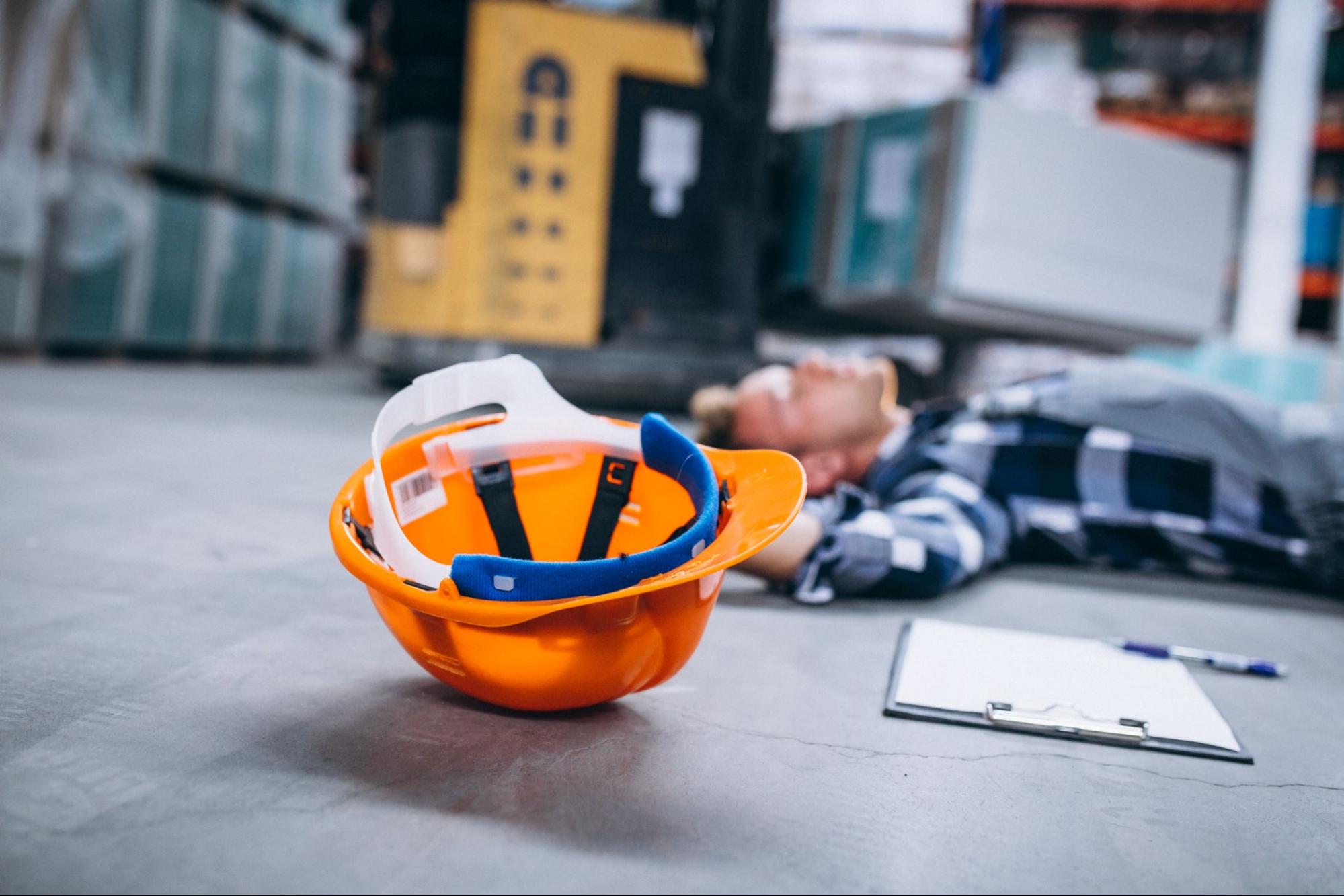
Get first aid for construction right with LFA First Response. Learn about first aiders, kits, placement and compliance for Australian worksites.
J
Jason Hitch

When someone is seriously hurt at work, the minutes before an ambulance arrives are the ones that matter most. On a busy warehouse floor, a remote mine site or a large campus, that early care has to happen somewhere clean, private and set up for the job. That somewhere is a first aid room.
J
Jason Hitch
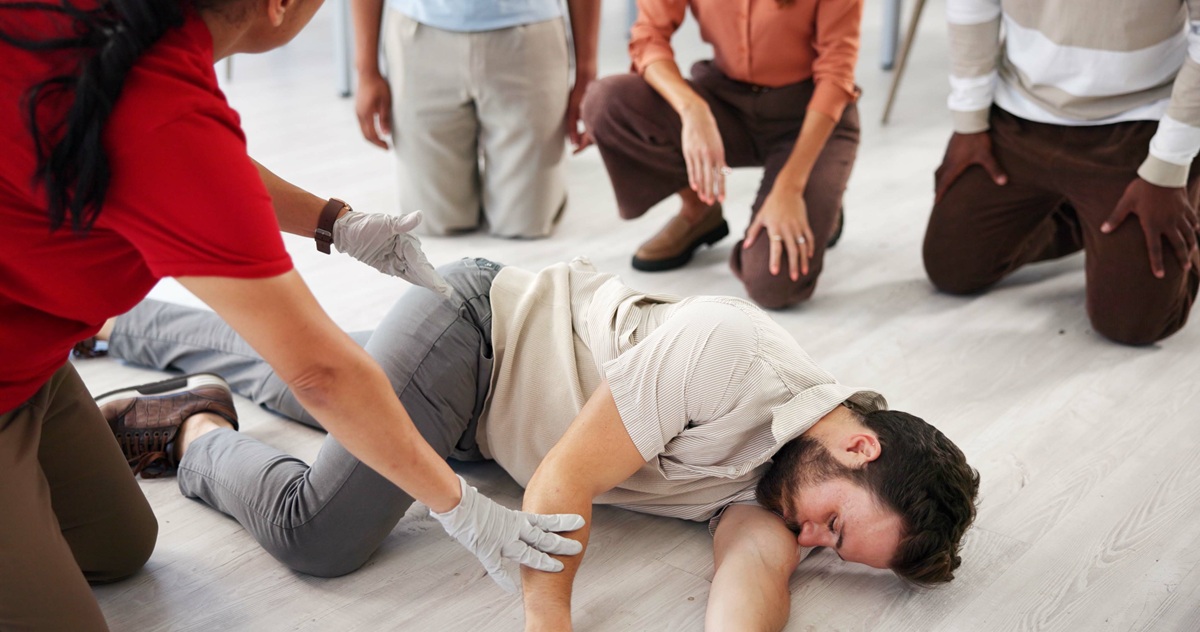
Fainting is one of the most common medical incidents in Australian schools, workplaces, and public events. Most episodes pass quickly and cause no lasting harm, but knowing what to do when someone faints and acting on it fast is what determines how the situation plays out.
J
Jason Hitch