J
Jason Hitch
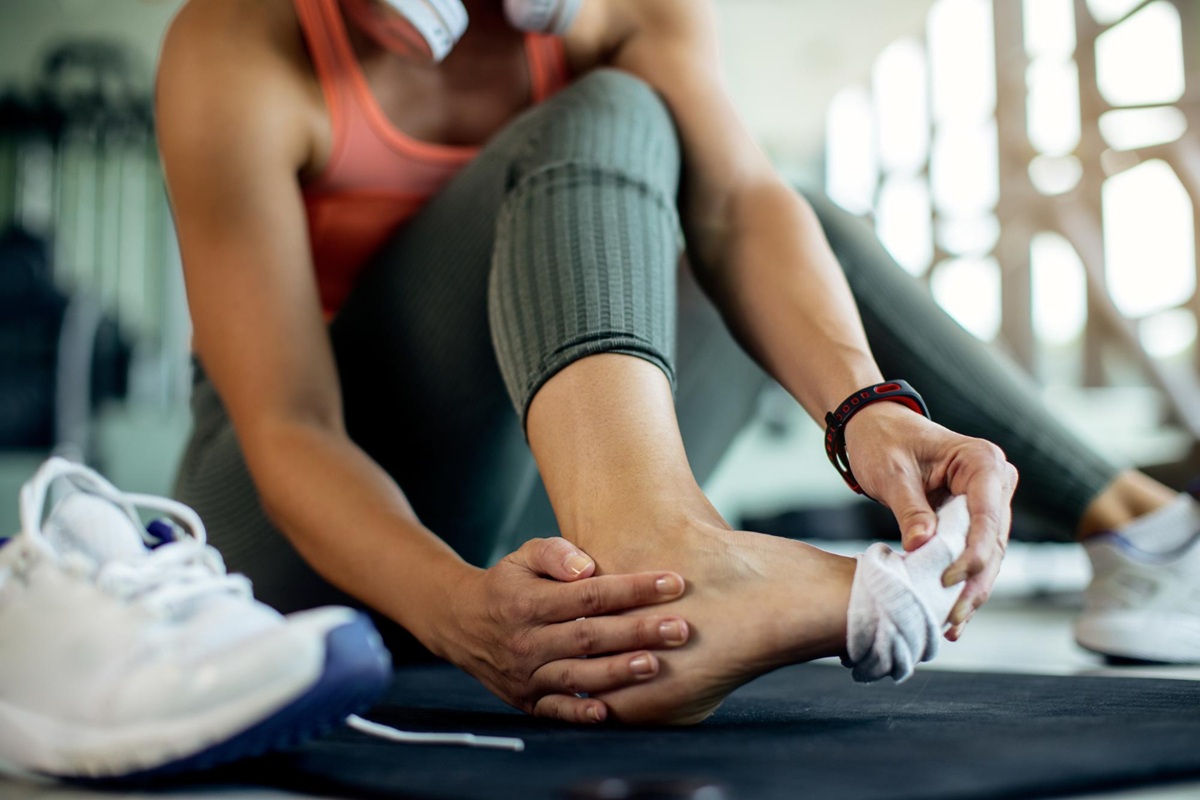
So, what does RICE stand for in first aid? It's the four-step treatment for soft tissue injuries:
R – Rest: Stop the activity. Take the load off the injured area.
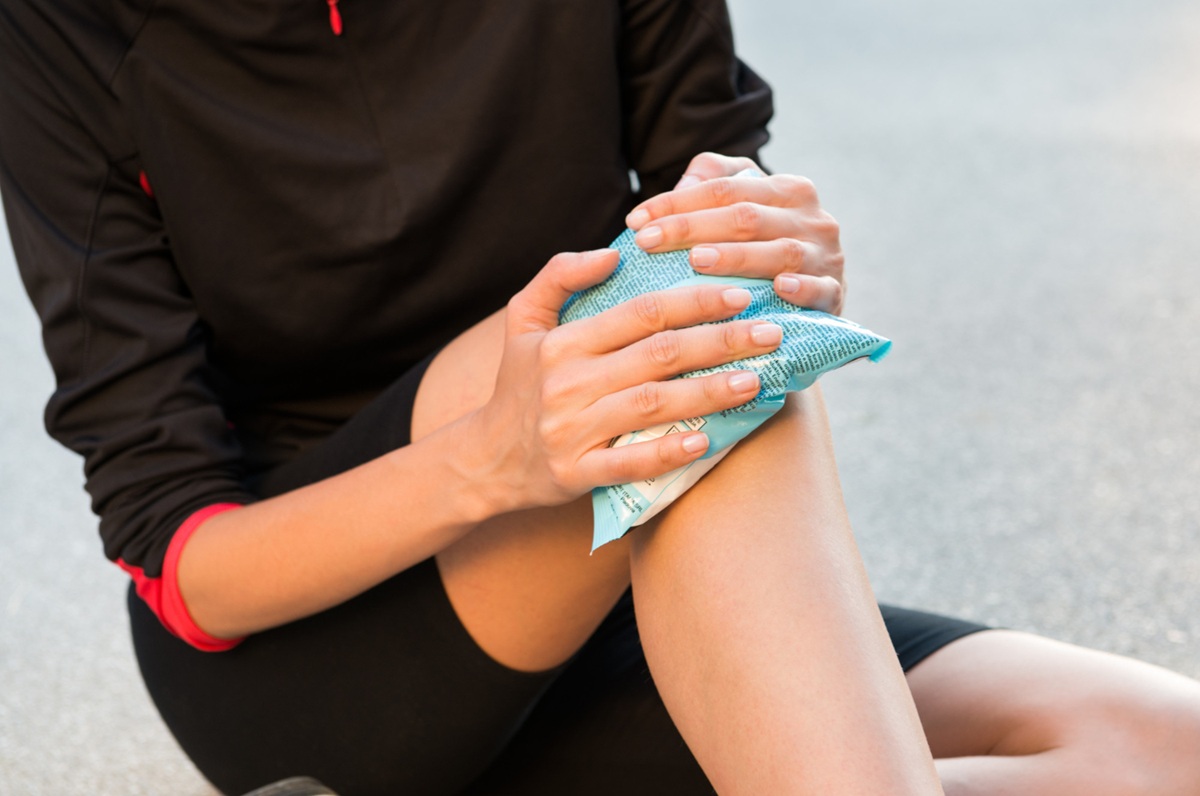
I – Ice: Apply a cold pack for 15–20 minutes every 2 hours. Always use a barrier.
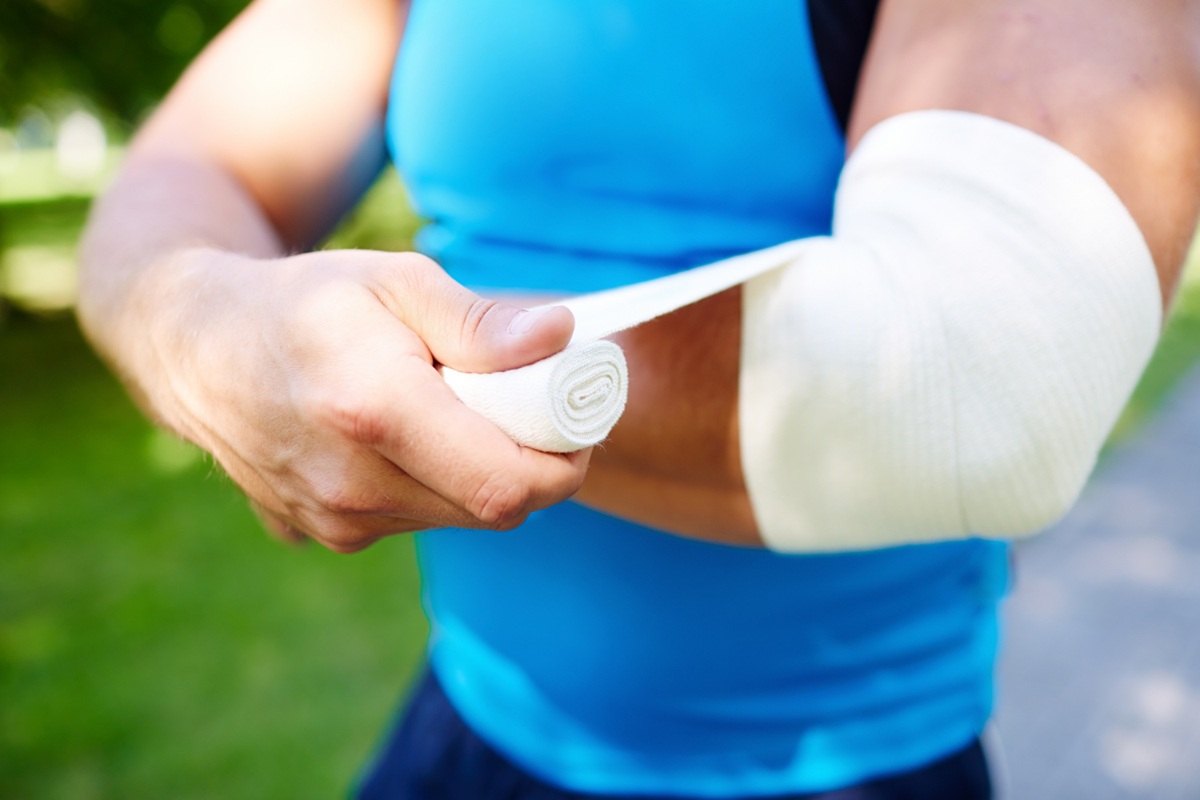
C – Compression: Wrap with an elastic bandage from below the injury upward. Snug, not tight.
E – Elevation: Raise the limb above heart level to drain swelling.
In Australia, we add an "R" for Referral, because first aid stabilises, but some injuries need a doctor.
When to refer: Can't bear weight, bone tenderness, severe pain, numbness, or an audible "pop" at injury.
Rolled ankles. Twisted knees. Pulled hamstrings. Wrist strains from awkward lifts.
If you're a Safety Coordinator, School Medical Officer, or Event Paramedic, you've seen these injuries dozens of times. Soft tissue injuries are the bread and butter of workplace first aid. WorkSafe WA mining incident data shows they account for roughly 44% of all reported incidents in high-risk industries.
The difference between a quick recovery and a drawn-out workers' comp claim often comes down to what happens in the first five minutes. That's where the RICE method comes in.
Understanding the RICE method in first aid and applying it correctly provides the tools to manage these injuries with confidence, reduce pain, limit swelling, and prevent a minor incident from becoming a major issue.
RICE isn't just a checklist to tick off. Each step targets a specific part of the body's response to tissue damage.
When a ligament stretches (sprain) or a muscle tears (strain), blood vessels rupture and fluid floods the area. Swelling begins. Left unchecked, that swelling can compress healthy tissue and deprive it of oxygen, a process known as secondary hypoxic injury. A small injury becomes a bigger one.
RICE intervenes at each stage. Here's the breakdown.
"Rest" doesn't mean bed rest for a week. It means stop doing the thing that caused the injury, right now.
Continued movement acts like a pump, forcing more blood and fluid into the damaged tissue. Someone who "walks off" a rolled ankle on uneven ground can turn a Grade I sprain into a Grade II sprain within minutes.
Stop the activity immediately.
Remove load from the injured limb, use crutches for lower limb injuries, and a sling for upper limb injuries.
Avoid activities that stress the injured tissue for the first 48 hours.
After 72 hours, gentle movement is fine; prolonged immobilisation causes its own problems (muscle wasting, joint stiffness). The research on risks of prolonged immobilisation confirms this.
The goal is relative rest, protecting the injury while keeping everything else moving.
Cold does three things: it constricts blood vessels (reducing blood flow to the area), slows cell metabolism (so cells need less oxygen to survive), and numbs pain by slowing nerve signals.
For the injured person, the pain relief is immediate and significant. For the tissue, less blood flow means less swelling.
Use a cold pack for 15–20 minutes every 2 hours during the first 48–72 hours
Never apply ice directly to skin; use a damp cloth, towel, or the cover provided with commercial ice packs
Remove the pack if the skin turns white or the area goes completely numb
Why you shouldn't ice for longer than 20 minutes: The body has a protective reflex called the "Hunting Response." If tissue gets too cold, blood vessels dilate to warm it up, the opposite of what you want. The risks of the Hunting Response are well documented.
No freezer? No problem. On remote WA sites, drill rigs, exploration camps, and regional schools, AeroCool instant ice pack technology activates on demand without refrigeration. For larger injuries, remote area cryotherapy solutions in 240g sizes provide better coverage.
Many physios consider compression the most effective part of RICE. External pressure physically limits how much fluid can accumulate around the injury.
Use an elastic compression bandage (crepe bandage).
Start wrapping below the injury and work upward toward the heart. This encourages fluid to drain.
Overlap each layer by half.
The bandage should be firm but not tight; you should be able to slide a finger underneath.
The critical safety check: After bandaging, test circulation. Press the nail bed until it turns white, then release. Colour should return within 2 seconds. If the fingers or toes are cold, blue, numb, or tingling, the bandage is too tight; loosen it immediately.
Detailed guidance on performing circulation checks and assessing bandage tension and circulation is available from clinical sources. For the bandaging technique, watch the correct distal-to-proximal bandaging technique demonstration.
Bandage quality matters. Lightweight crepe bandages don't provide enough compression for acute injuries. Heavyweight conforming bandages like AeroCrepe Elastic deliver consistent therapeutic pressure. For dusty mine sites or muddy sports fields, cohesive bandaging for dusty environments sticks to itself without clips or pins.
Raising the injured limb above heart level helps drain fluid away from the injury and back toward the central circulation.
For ankle or knee injuries: lie down and prop the leg on pillows so it sits higher than the chest.
For wrist or elbow injuries: use a sling or rest the arm on stacked pillows.
Putting your foot on a low stool while sitting isn't enough; the injury needs to be above the heart.
Maintain elevation as much as practical during the first 48–72 hours.
Clinical guidance on optimal elevation positioning and elevation duration guidelines provides more detail.
In Australian first aid training, RICE often becomes RICER. The extra "R" stands for Referral, a reminder that first aid stabilises an injury, but some cases need professional assessment.
The Australian RICER protocol additions and St John Ambulance sprain management guidelines both emphasise this point.
Inability to bear weight (can't take four steps) immediately after injury or during your assessment.
Bone tenderness when pressing the ankle bones or the outer edge of the foot.
Severe pain that doesn't improve with RICE.
Obvious deformity suggesting dislocation or fracture.
Rapid, significant swelling within minutes.
Numbness, tingling, or coldness below the injury.
An audible "pop" or "snap" at the time of injury.
These criteria come from the Ottawa Ankle Rules clinical calculator, used in emergency departments to determine when X-rays are needed. See also the indications for ankle radiography for clinical guidance.
A note on children and adolescents: Young people's bones grow faster than their ligaments. They're prone to avulsion fractures, where the ligament pulls a chip of bone off rather than tearing. The threshold for referral should be lower. See paediatric ankle sprain management and RCH clinical practice guidelines for more, along with paediatric injury data analysis from AIHW.

Just as important as what you do is what you don't do. The HARM protocol outlines factors that increase bleeding and swelling:
H – Heat: No hot baths, saunas, or heat rubs. Heat dilates blood vessels and increases swelling.
A – Alcohol: Alcohol is a vasodilator. It also masks pain, leading to overuse of the injury.
R – Running/activity: Testing the injury too soon causes more tissue damage.
M – Massage: Direct massage disrupts the clot-forming at the injury site and restarts bleeding.
More details on HARM protocol factors are available from Australia-wide First Aid.
You can't apply RICE properly if your first aid kit doesn't have the right supplies. A box of Band-Aids won't help when someone rolls an ankle.
The injury-specific first aid modules in LFA's Modulator 4 Series group RICE supplies together, instant ice packs, compression bandages, and triangular bandages for slings, so you're not rummaging through a jumbled kit during an emergency.
Instant ice packs in multiple sizes. See our comprehensive range of cold treatment supplies.
Elastic compression bandages in various widths, browse professional wound management consumables and our technical guide to bandage selection.
Triangular bandages for slings and elevation support
Understanding your workplace first aid compliance requirements ensures your provisions match your actual risks, not just a generic checklist.
A sprain involves ligaments (tissue connecting bone to bone). A strain affects muscles or tendons (tissue connecting muscle to bone). The treatment is the same in the acute phase, RICE for both. See the clinical definition of sprains and strains, the distinction between sprains and strains, and symptoms of ligamentous trauma for more detail.
15–20 minutes on, then at least 40 minutes off. Repeat every 2 hours during waking hours for 48–72 hours. Don't exceed 20 minutes continuously. The ARC guidelines on cryotherapy confirm this approach.
Yes, frozen vegetables work fine in a pinch. Wrap them in a cloth to protect the skin. For workplaces and event kits, though, purpose-made instant ice packs are more practical. They don't need a freezer and won't defrost in your kit bag.
RICE is for the acute phase, the first 48–72 hours. After that, gentle movement and rehabilitation become the priority. If symptoms haven't improved after 72 hours of RICE, get a professional assessment.
For immediate first aid, RICE (or RICER) remains the standard. Some physiotherapists use newer frameworks like "PEACE and LOVE" for longer-term rehabilitation, but these are clinical protocols for ongoing treatment, not replacements for acute first aid. For the first responder's job (pain control, swelling management, stabilisation), RICE is still what's taught and recommended by the Australian Resuscitation Council and St John Ambulance.
Now you know what RICE stands for in first aid, and more importantly, how to apply each step correctly.
For Safety Coordinators, School Medical Officers, and Event Paramedics across WA, soft tissue injuries are part of the job. How you respond in those first few minutes determines whether a rolled ankle is a quick ice-and-elevate situation or the start of a lengthy recovery.
Need to upskill your team or restock your supplies? LFA First Response delivers real-world first aid training and quality equipment to workplaces, schools, and events across Western Australia. We don't do boring PowerPoints and tick-box courses; we prepare your people for actual emergencies.
Browse our total safety solutions or get in touch to discuss your needs.

In today's fast-paced world, being prepared for any situation is crucial, especially for menstruating individuals who often face unexpected menstrual emergencies.
J
Jason Hitch
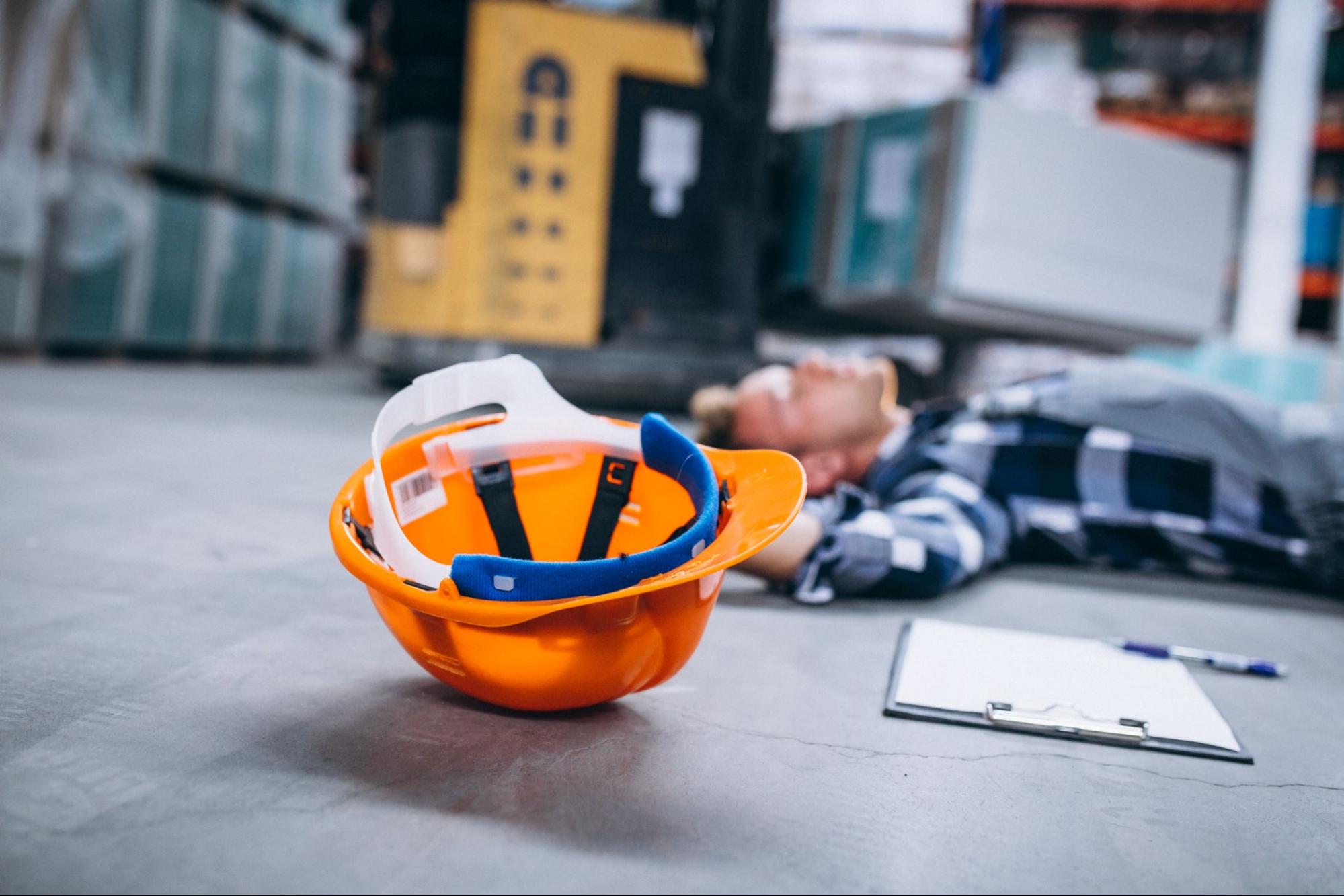
Get first aid for construction right with LFA First Response. Learn about first aiders, kits, placement and compliance for Australian worksites.
J
Jason Hitch

Get first aid for construction right with LFA First Response. Learn about first aiders, kits, placement and compliance for Australian worksites.
J
Jason Hitch

When someone is seriously hurt at work, the minutes before an ambulance arrives are the ones that matter most. On a busy warehouse floor, a remote mine site or a large campus, that early care has to happen somewhere clean, private and set up for the job. That somewhere is a first aid room.
J
Jason Hitch