J
Jason Hitch
Choosing the best insect repellent doesn't need to be complicated. Whether you're planning a camping trip, heading to the tropics, or simply want protection for everyday outdoor activities, the right repellent comes down to three things: where you're going, how long you'll be out, and who's using it.
In Australia, public health agencies recommend three proven active ingredients for skin-applied repellents: DEET, picaridin, and oil of lemon eucalyptus (OLE, also called PMD). When used correctly, each effectively keeps mosquitoes and other biting insects at bay. For evidence-based guidance, NSW Health's bite prevention advice and WA Health's guide to personal insect repellents are excellent starting points.
Mosquito protection isn't just about comfort. Some Australian regions experience mosquito-borne diseases, including Japanese encephalitis in certain seasons. The Australian Government's Japanese encephalitis overview explains why prevention matters.
Choose a DEET, picaridin, or OLE/PMD product that matches how long you'll be outdoors, apply it properly, and reapply as the label directs. It's that straightforward, and you'll find the same advice in NSW Health's prevention page.
Quick compliance check: In Australia, repellents that claim to repel insects must be registered with the APVMA. Always look for the approval number on the label, as WA Health advises.
A trusted active ingredient used for decades. DEET is highly effective against mosquitoes and many other biting insects when used as directed. The percentage on the label determines protection duration, not the strength of effectiveness. WA Health's repellent guide provides detailed information.
Equally effective as DEET, many users prefer picaridin for its lighter feel and minimal odour. Australian products commonly contain 10 percent or 20 percent picaridin. See WA Health's guidance for typical use recommendations.
Recognised by Australian health authorities as an effective natural alternative. OLE typically requires more frequent reapplication than higher-percentage DEET or picaridin products. Important: This is not the same as general eucalyptus essential oils.
Wearable wristbands and patches don't protect all exposed skin and aren't recommended by health authorities. Botanical-only sprays often provide shorter protection and need frequent reapplication.
You don't need the highest concentration for every outing. Choose the strength that suits your activity and environment.
DEET up to 20 percent typically provides 2 to 6 hours of protection, ideal for short to moderate outdoor activities like park visits, backyard time, or weekend sports.
DEET 40 to 80 percent is designed for extended, high-exposure situations such as multi-hour fishing trips, camping, or bushwalking. Expect approximately 8 to 12 hours of protection under favourable conditions. Note: High concentrations aren't suitable for children. See WA Health for age-specific details.
Picaridin 10 to 20 percent typically offers about 2 to 6 hours of protection. Always follow label instructions for reapplication timing, as outlined by WA Health.
Real-world factors: Heat, perspiration, swimming, and towel drying all reduce protection time. Reapply as the label directs, and more frequently in hot or wet conditions, just as NSW Health recommends.

Getting the most from your repellent comes down to proper application.
Sunscreen first, repellent second. Allow sunscreen to absorb for 20 minutes, then apply repellent to exposed skin. This order ensures both products work effectively.
Cover all exposed skin. Repellents only work where they're applied. Don't spray under clothing.
Use your hands for even coverage. For facial application, spray repellent onto your hands first, then apply to the face, carefully avoiding eyes and mouth.
Reapply according to the label. After swimming, heavy sweating, or towel drying, reapply as directed.
Mind your belongings. DEET can damage some plastics and coatings, including watch straps, sunglasses frames, and synthetic fabrics. The Royal Children's Hospital guide notes this important consideration.
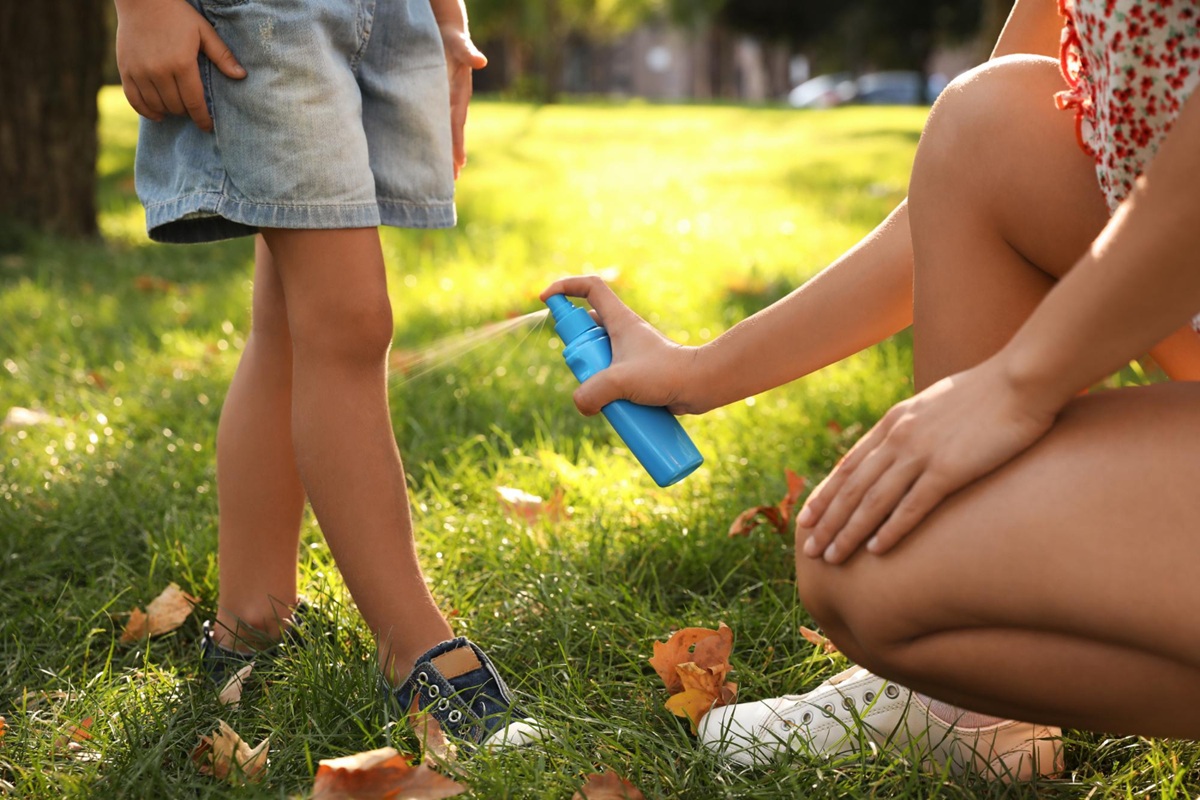
Two principles always apply: follow the product label and use the lowest effective concentration.
Start with physical barriers: pram nets, long loose clothing, socks, and shoes. Never allow children to apply repellent themselves. Carers should apply it to their own hands first, then to the child's skin, avoiding the hands, eyes, and mouth.
WA Health advises against using DEET or picaridin unless other protective measures aren't feasible. From 12 months, products with up to 10 percent DEET or picaridin may be used with careful application by a carer. OLE/PMD isn't recommended under 36 months. Always check the specific product label.
The Royal Children's Hospital notes that products with up to 30 percent DEET can be used on babies over two months when applied correctly, though they still recommend using the lowest concentration that provides adequate protection.
Guidance can vary slightly between sources, which is why it's wise to follow the label for your specific product and consult your local health department if uncertain. If you're pregnant or breastfeeding, speak with your healthcare professional and continue prioritising bite avoidance through clothing and registered repellents.
Once you understand the active ingredients and concentration levels, choosing the right product becomes simple. LFA First Response now stocks four RID insect repellent products designed for Australian families and outdoor enthusiasts. Here's how they compare.
Best for: High bite pressure and extended outdoor sessions—camping, fishing weekends, and trips to northern Australia.
Active ingredient & duration: 19.1% DEET providing up to 8 hours of protection.
Why choose it: Quick, even coverage when you need to head out the door fast. The aerosol format delivers consistent application across larger areas.
View product: RID Tropical Strength Insect Repellent Aerosol 150g
Best for: The same high-exposure situations as the aerosol, ideal if you prefer a non-aerosol format or need a travel-friendly size.
Active ingredient & duration: 19.1% DEET providing up to 8 hours of protection.
Why choose it: Controlled, targeted coverage with a compact bottle that fits easily into backpacks, handbags, or camping kits.
View product: RID Tropical Antiseptic Bite Protection Pump Spray 100mL
Best for: Skin-conscious users who want effective protection with a gentler feel—perfect for everyday use, school runs, or backyard gatherings.
Active ingredient & duration: 10% DEET, alcohol-free formula, up to 6 hours of protection.
Why choose it: Lower concentration with an alcohol-free base that many people find more comfortable on the skin, without compromising effectiveness for shorter outdoor periods.
View product: RID Sensitive Repellent Pump Spray 100mL
Best for: Children aged 12 months and over, or anyone who prefers a low-DEET formula with regular reapplication.
Active ingredient & duration: 7-10% DEET providing up to 6 hours of protection.
Why choose it: Specifically formulated for children with clear age guidance, making it easy for parents to establish a straightforward protection routine.
View product: RID Kids Repellent Pump Spray 100mL
About RID: RID emphasises its Australian heritage and antiseptic bite protection positioning across the range—particularly helpful if you sometimes notice bites before applying repellent. Browse the complete line-up on the RID brand page at LFA First Response.
A lower to mid-concentration repellent typically provides adequate protection for a few hours outdoors. Reapply if mosquitoes increase at dusk. RID Sensitive 10% DEET or RID Kids (for children) work well for these situations. Add long sleeves if mosquitoes are particularly active.
Choose a higher-duration formula and plan for reapplication throughout the day. RID Tropical Strength Aerosol or RID Tropical Strength Pump are ideal choices. Layer protection with long, light-coloured clothing and nets. WA Health's duration guide explains why concentration matters for extended outdoor activities.
Some regions experience heightened mosquito activity and occasional disease outbreaks during summer and wet seasons, making prevention particularly important. For broader context, see the Government's Japanese encephalitis prevention advice and follow your state health alerts.
Keep a small kit by the door: one adult repellent, one for kids, sunscreen, a sun hat, and a light long-sleeved shirt. Apply repellent whenever mosquitoes are active—often dawn and dusk—per NSW Health's advice.
Quick picks: RID Sensitive for adults, RID Kids for children 12 months and over.
Pack a tropical strength repellent, a lower concentration backup, long light clothing, a sleeping net, and plan to reapply after water activities.
Quick picks: RID Tropical Strength Aerosol (primary protection), RID Sensitive (backup for lower-risk times).
Plan for a longer protection duration and hot weather. Choose a higher-duration formula and check local health updates.
Quick picks: RID Tropical Strength Pump (travel-friendly), RID Tropical Strength Aerosol (if checking luggage).

Once you know which active ingredient, concentration, and format suit your needs, it's simply about maintaining a reliable supply. LFA First Response is a trusted Australian supplier to families, schools, workplaces, and local government, offering fast dispatch and free delivery on orders over $350.
You can shop the complete RID range in both aerosol and pump formats, with clear product pages that make reordering straightforward. If you manage multiple sites or facilities, LFA's centralised online store helps streamline procurement and repeat purchases.
Shop the RID range at LFA First Response
Always read the label and follow the directions for use. Discontinue use if irritation occurs. Use repellents in well-ventilated areas, supervise children during application, and combine repellents with protective clothing, screens, and nets for optimal protection in Australian conditions.

Australia is home to some of the world’s most venomous snakes, making snake bites a significant concern. With thousands of snake bites reported annually, knowing how to respond can be the difference between life and death. In this blog, we’ll walk you through exactly what you should and shouldn’t do if you’re bitten by a snake.
J
Jason Hitch
Get first aid for construction right with LFA First Response. Learn about first aiders, kits, placement and compliance for Australian worksites.
J
Jason Hitch
Get first aid for construction right with LFA First Response. Learn about first aiders, kits, placement and compliance for Australian worksites.
J
Jason Hitch

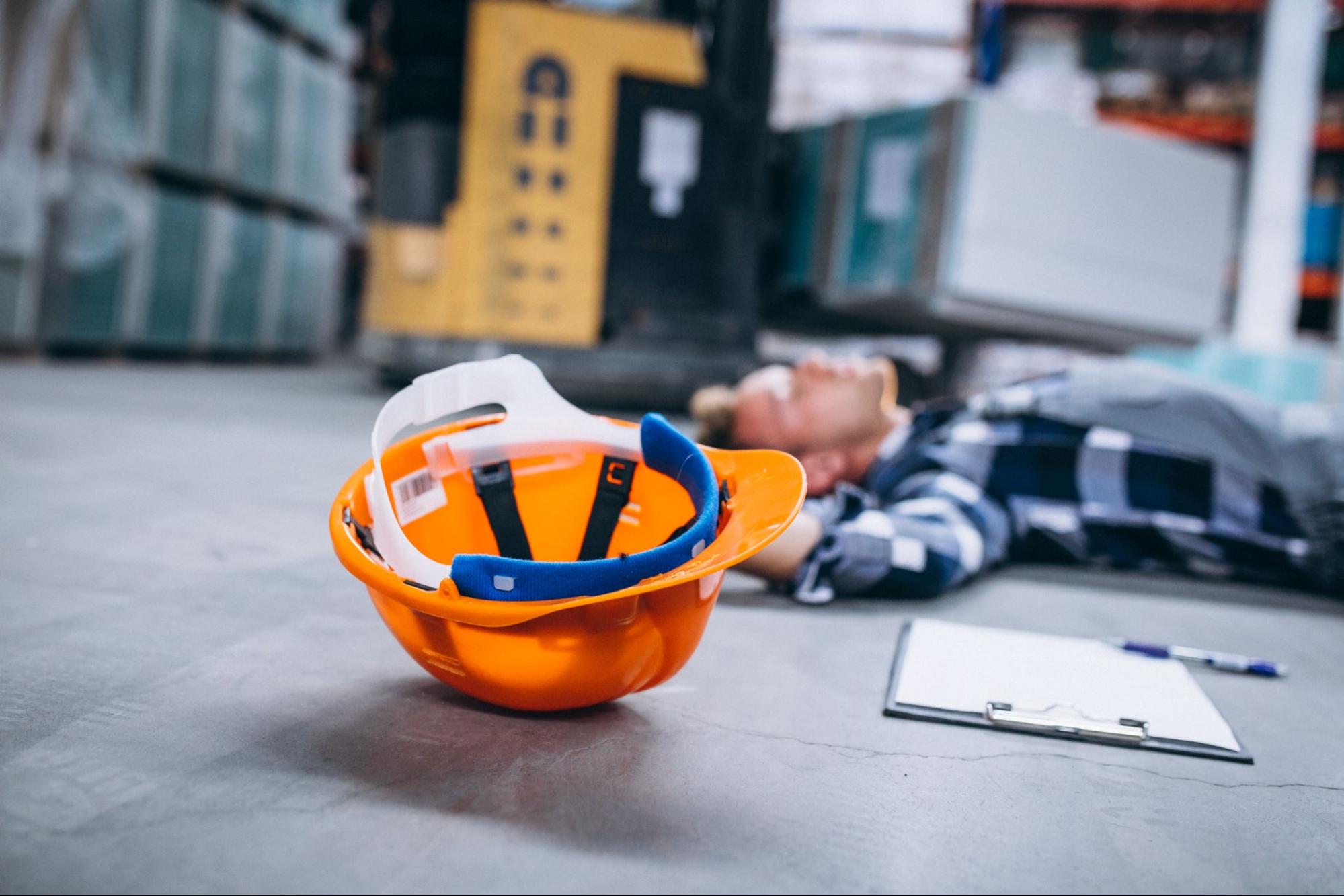
When someone is seriously hurt at work, the minutes before an ambulance arrives are the ones that matter most. On a busy warehouse floor, a remote mine site or a large campus, that early care has to happen somewhere clean, private and set up for the job. That somewhere is a first aid room.
J
Jason Hitch