J
Jason Hitch
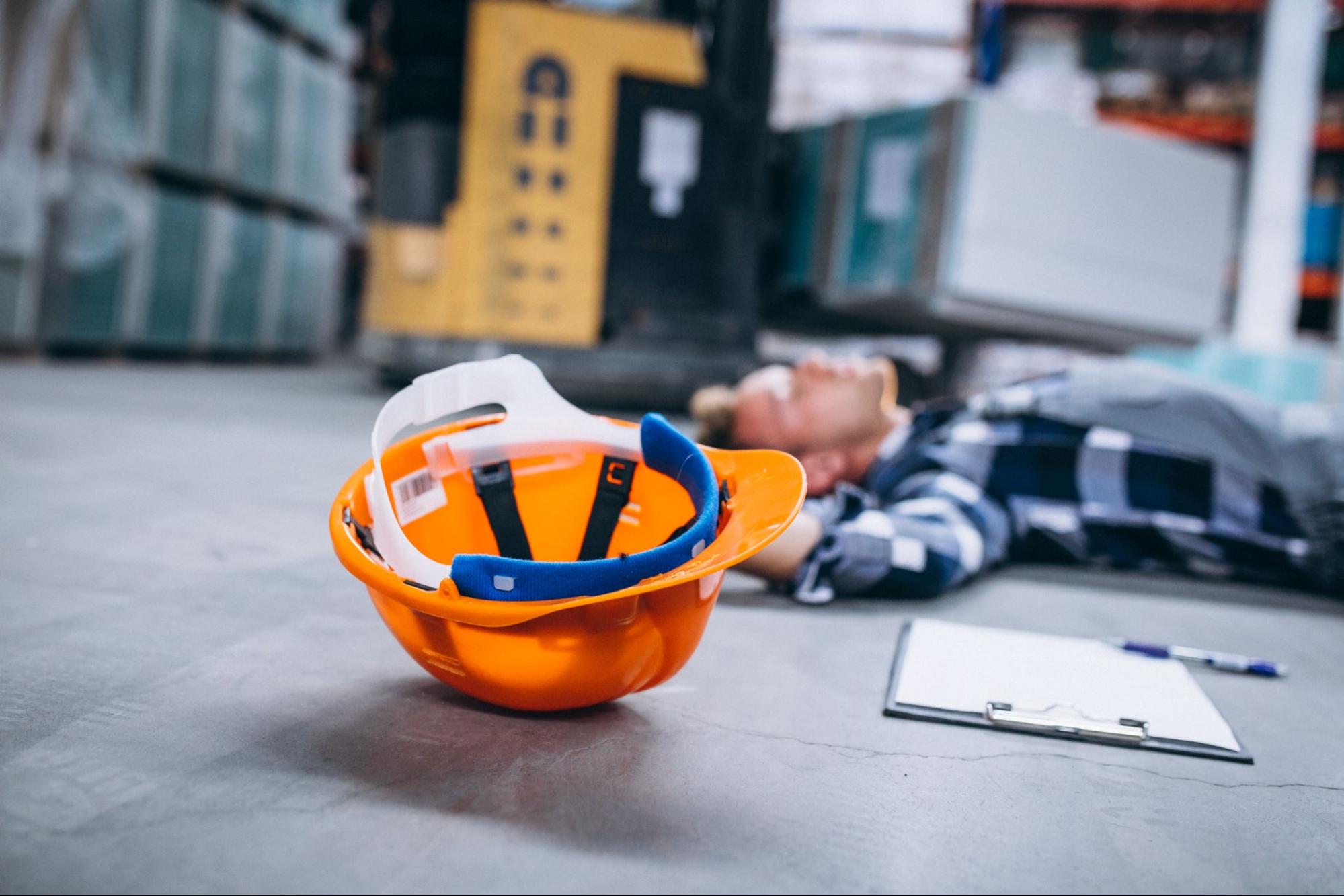
When accidents or illnesses occur in the workplace, immediate and appropriate first aid could mean the difference between a minor incident and a major crisis. An understanding of responsibilities and maintaining compliance with Australia’s stringent health and safety regulations is imperative. But who really is accountable for first aid in the workplace, and how is this managed effectively?
Australian workplaces are bound by regulations to ensure a safe environment for their employees. Employers bear a significant responsibility when it comes to providing first aid. This encompasses ensuring that there are adequate first aid facilities available, such as well-stocked first aid kits and a suitable number of trained first aiders. Employers must undertake a thorough hazard and needs assessment to ascertain the level of first aid that their workplace demands. Aspects like the number of employees, the nature of the tasks performed, and the layout of the workplace contribute to determining what is ‘adequate and accessible’ first aid under Australian law.
While employers are tasked with providing resources and managing risks, employees also play a pivotal role in ensuring workplace safety. This involves cooperating with implemented safety policies, using provided first aid facilities appropriately, and reporting any incidents, injuries, or hazards observed promptly. In a collaborative environment, ensuring safety becomes a joint effort. From participating in training to adhering to established emergency response protocols, the conscientiousness of each individual can significantly increase the overall safety of the workplace.

In Australia, various workplaces demand distinct sets of first aid skills among employees, based on their specific environments (i.e. if it is a high-risk or a low-risk workplace) and associated risks. However, some general skills and knowledge areas are universally relevant and beneficial across diverse industries and roles. Below is a look at what types of first aid skills might be requisite or advisable for workplace employees in Australia:
Basic First Aid Skills
CPR (Cardiopulmonary Resuscitation): Knowing how to perform CPR is crucial to keep a person alive until professional medical help arrives.
Wound Management: Understanding how to manage various wounds, including cuts, abrasions, and punctures, to prevent infection and control bleeding.
Burns Treatment: Identifying different degrees of burns and knowing the correct initial treatment steps.
Managing Choking: Learning techniques such as the Heimlich maneuver to assist a choking individual.
Utilising the recovery position: Understanding how to place the person in the recovery position, and when it is warranted.
Emergency Response Skills
Using an AED (Automated External Defibrillator): Recognising how to safely and effectively use an AED during cardiac emergencies such as cardiac arrest.
Emergency Coordination: Managing the incident scene, coordinating the response, and liaising with emergency services.
Evacuation Procedures: Understanding and following correct evacuation procedures in case of fire or other emergencies
Injury Management
Sprains and Strains: Knowing how to manage musculoskeletal injuries like sprains and strains to minimise further damage.
Spinal Injuries: Learning the precautions and initial management steps for suspected spinal injuries.
Fracture Management: Recognising and providing initial care for broken bones, including immobilisation techniques.
Illness Management
Managing Medical Conditions: Recognising and responding to signs of critical illnesses like heart attack, stroke, asthma, or anaphylaxis.
Managing Heat-Related Illness: Identifying and responding to heat stroke and dehydration, especially in work environments with high heat exposure.
Mental Health First Aid
Identifying Stress and Anxiety: Recognising signs of stress and anxiety among peers and providing initial support.
Crisis Management: Offering support and managing situations involving individuals experiencing a mental health crisis, such as panic attacks.
Workplace Specific Skills
Handling Hazardous Substances: In industries dealing with hazardous substances, understanding the protocols for dealing with exposure or spills.
Utilising First Aid Supplies: Knowing how to effectively use and manage first aid kits and other emergency medical equipment.
Legal and Ethical Understanding
Consent and Legal Protection: Understanding the legalities of providing first aid, including gaining consent and respecting individuals’ wishes.
Confidentiality: Respecting and maintaining the privacy of an individual’s medical and personal information.
Communication Skills
Effective Communication: Ensuring clear, concise, and effective communication during an emergency.
Documentation: Recording and communicating incident details accurately for future reference and reporting.
It's worth noting that in Australia, first aid training should be conducted by a registered training organisation to ensure that the skills learned adhere to the relevant standards and guidelines. Courses such as 'Provide First Aid' (HLTAID011) and 'Provide CPR' (HLTAID009) are widely recognised and provide a broad base of skills suitable for various workplaces. To read more: How Often Should CPR Skills be Refreshed? & What Are The Assessment Principles of First Aid?

While it is often designated first aiders who will undertake comprehensive training, having a wider team knowledgeable in fundamental first aid skills ensures a quicker, more efficient response to incidents, contributing to a safer workplace environment. Tailoring the skillset to the specific demands of the working environment and regular refresher courses are key to maintaining a responsive and capable first aid provision within Australian workplaces.
Crafting an effective workplace first aid program isn’t merely a checkbox activity; it’s a pivotal strategy in safeguarding employees and mitigating risks. Essential components include:
Training: Equip a portion of your workforce, or indeed all employees, with the skills to respond to various emergency situations. Depending on the workplace, different levels of training may be required, from basic first aid knowledge to advanced life support skills. These may vary depending on your individual workplace and what industry you are in.
Accessible First Aid Kits: Assessing how many first aid kits are needed, and what a workplace first aid kit should contain, is paramount. A basic first aid kit should include items like adhesive strips, wound dressings, and disposable nitrile gloves, but specific workplaces may require additional specialised supplies. LFA First Response offers tailored solutions, ensuring that your first aid kits are well-stocked and compliant with regulations.
Emergency Procedures: Developing, communicating, and practicing emergency procedures ensure that in the event of an incident, all personnel can respond effectively, minimising harm and facilitating swift recovery.
Review and Revise: A static approach to first aid isn’t feasible. As the workplace evolves, reassessing and refining your first aid strategy ensures continual relevance and effectiveness.

Ensuring compliance with legal obligations, like the 'Code of Practice - First Aid in the Workplace' under Safe Work Australia, is just the starting point. Beyond that, nurturing a culture that prioritises safety and wellness propels the organisation towards not only adherence to regulations but also towards achieving an elevated level of care for all its members. LFA First Response is proud to be your partner in building and maintaining a secure workplace environment. We offer a diverse range of products from first aid kits to high-quality medical supplies and equipment. We support businesses in both meeting regulatory expectations and in strengthening their first aid readiness.
The responsibility of first aid in the workplace is multifaceted, stretching from the employer’s obligation to provide adequate facilities and training to the worker's role in engaging with and upholding safety practices. By instilling a robust first aid program, understanding and adhering to legal obligations, and ensuring open, informative communication pathways, workplaces can be zones of safety, preparedness, and collective wellbeing. Alongside these elements, it is crucial that you have a fully stocked, compliant workplace first aid kit, which has an adequate number of supplies and the necessary first aid equipment to address a medical emergency if it were to happen.
Partner with LFA First Response to navigate through your first aid responsibilities, ensuring that when it comes to the safety of your team, you’re always one step ahead. Contact our friendly team today to see how we can help you with your workplace's unique first aid needs.

Get first aid for construction right with LFA First Response. Learn about first aiders, kits, placement and compliance for Australian worksites.
J
Jason Hitch
Get first aid for construction right with LFA First Response. Learn about first aiders, kits, placement and compliance for Australian worksites.
J
Jason Hitch

When someone is seriously hurt at work, the minutes before an ambulance arrives are the ones that matter most. On a busy warehouse floor, a remote mine site or a large campus, that early care has to happen somewhere clean, private and set up for the job. That somewhere is a first aid room.
J
Jason Hitch

Fainting is one of the most common medical incidents in Australian schools, workplaces, and public events. Most episodes pass quickly and cause no lasting harm, but knowing what to do when someone faints and acting on it fast is what determines how the situation plays out.
J
Jason Hitch
