J
Jason Hitch
Australia sees more than 26,000 out-of-hospital cardiac arrests every year — yet only around 10% of people survive. When a bystander uses an AED alongside CPR, survival rates can rise to around 50%.
Cardiac arrest can happen to anyone. One minute, a colleague is fine; the next, they're unconscious and not breathing. Without intervention, brain damage can begin within four to six minutes, and survival odds fall by roughly 10% for every minute defibrillation is delayed.
Median ambulance response times across Australia sit between 7.5 and 10 minutes, and are significantly longer in many regional areas. That gap between collapse and paramedic arrival is where a workplace defibrillator can make the difference.
No Australian law currently requires every workplace to have a defibrillator (AED)
The Australian Resuscitation Council strongly recommends AEDs in workplace settings
WHS obligations may support having an AED, depending on your workplace risk profile
Factors like workforce size, public access, physical demands, and ambulance response times all influence the need for an AED
High-risk and remote workplaces have a particularly strong case for on-site defibrillation
AED placement, maintenance, and staff familiarisation are just as important as ownership itself
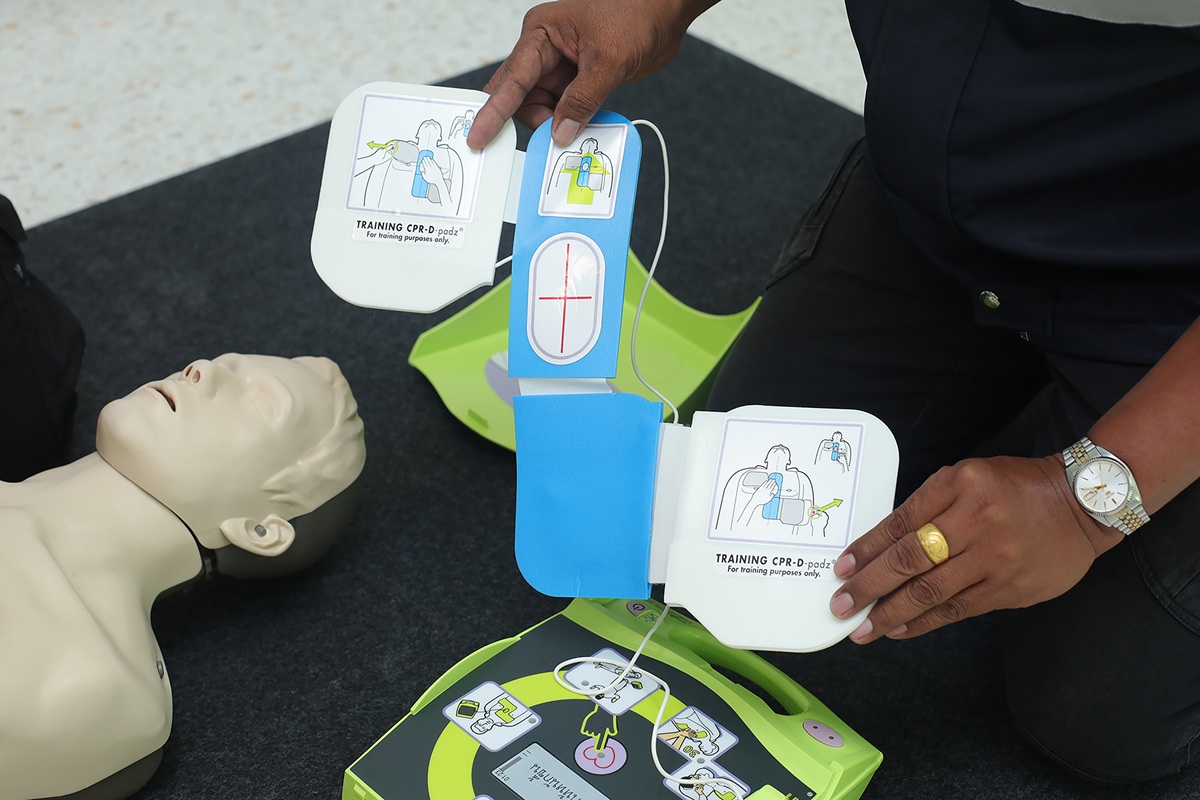
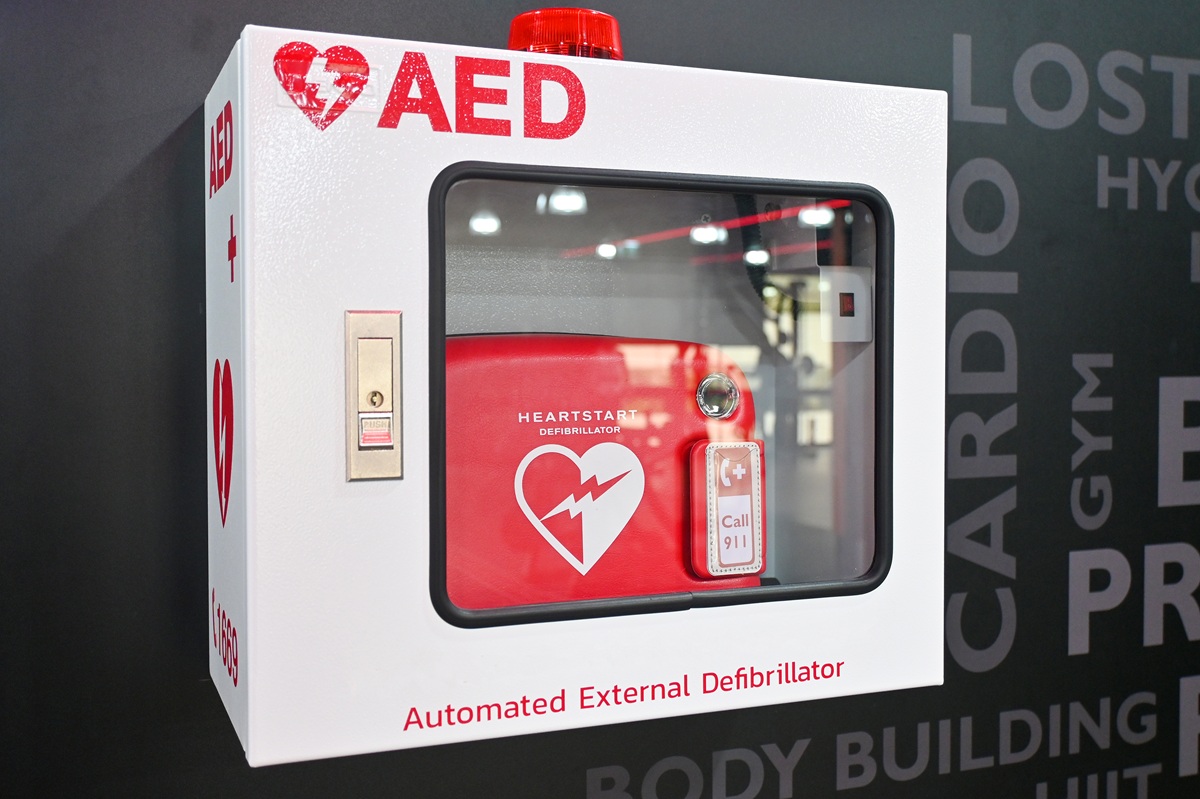
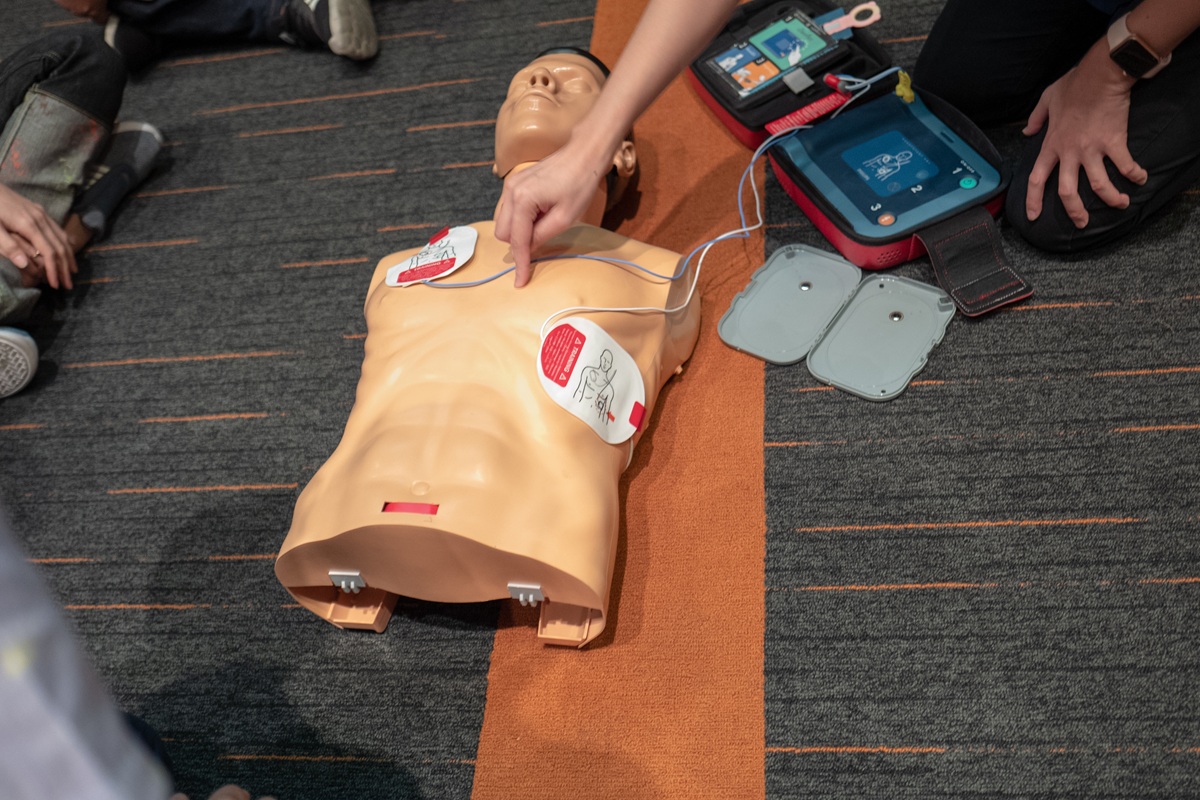
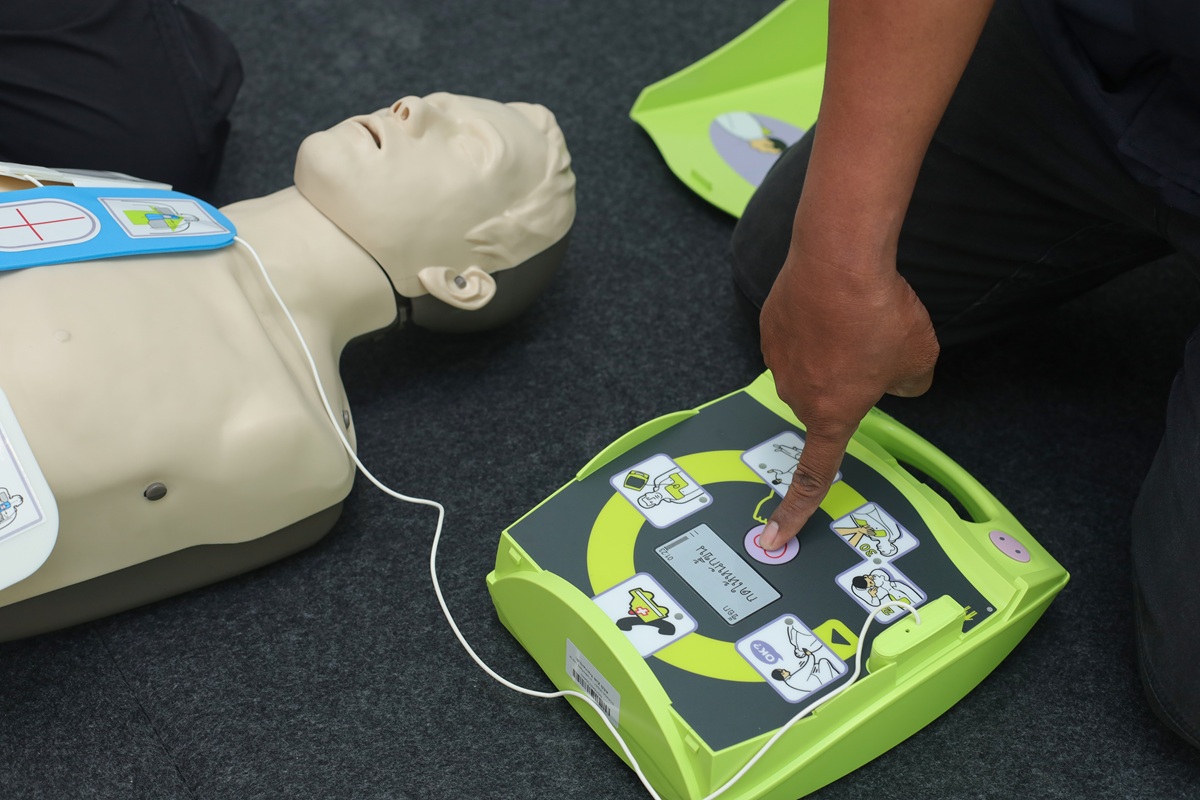
An Automated External Defibrillator (AED) is a portable device designed to detect dangerous heart rhythms during cardiac arrest and deliver a controlled electrical shock if one is needed. AEDs are designed for public use — they automatically analyse the heart rhythm and provide step-by-step voice prompts to guide the operator through the process.
There’s no way to shock someone unless the device determines it’s necessary accidentally. While no medical background is required to use one, combining an AED with CPR significantly improves survival outcomes.
The key point is this: an AED is not specialised clinical equipment. It’s a workplace safety device designed to buy critical time before paramedics arrive.
The Work Health and Safety Act 2011 requires employers to provide a safe working environment and without health risks, so far as is reasonably practicable. First aid provisions form part of those obligations.
Safe Work Australia’s Code of Practice: First Aid in the Workplace outlines minimum expectations for first aid kits, trained personnel, and facilities. While AEDs are not universally mandated, the Code makes clear that first aid measures should reflect the actual risks present in your workplace.
If a risk assessment identifies elevated cardiac risk — whether because of workforce demographics, physical demands, isolation, or public access — a workplace defibrillator becomes a strong and defensible control measure.
The Australian Resuscitation Council formally recommends AEDs in workplaces, and some states have already mandated them in specific settings such as fitness facilities. Registering your AED with your state ambulance service is also strongly recommended so emergency operators can direct callers to the device during a triple-zero call.
Despite strong evidence supporting early defibrillation, AEDs are still used by bystanders in fewer than 2% of witnessed out-of-hospital cardiac arrest cases in Australia — highlighting the ongoing gap in accessibility and preparedness.
Some workplaces make the case for an AED very clearly.
Construction sites, mining operations, manufacturing facilities, and heavy industry all combine factors that elevate cardiac risk: physical exertion, heat, electrical hazards, large site footprints, and delayed emergency response times. In remote environments, especially, an AED is part of responsible emergency planning rather than a discretionary extra.
Remote and rural worksites face the greatest challenge. When professional medical assistance may be a long distance away, having immediate access to defibrillation can be the difference between life and death.
Aged care, disability services, gyms, aquatic centres, hospitality venues, and large retail businesses are all environments where AEDs are becoming increasingly common.
Aged care and disability providers work with populations that often carry elevated cardiac risk. Gyms and fitness centres expose people to high physical exertion, including members with underlying cardiovascular conditions or those returning from rehabilitation.
Hotels, convention centres, shopping centres, pharmacies, and customer-facing businesses also deal with high volumes of public foot traffic across broad demographics. In many of these environments, the question is less whether a cardiac event could happen and more whether the site is prepared when one eventually does.
Office environments are generally classified as lower-risk under WHS frameworks, but lower-risk does not mean risk-free.
A workplace with dozens — or hundreds — of employees still represents a significant population gathered in one location each day. Age profile, stress levels, workforce size, and public access all influence the practical risk assessment.
For many Australian businesses, the decision to install an AED now comes down less to compliance and more to duty of care. Relative to the potential consequences of a cardiac arrest, the cost of a workplace defibrillator is modest.
Rather than a binary yes-or-no, treat this as a risk assessment. These are the factors that matter most.
The more people regularly present, the higher the statistical likelihood of a cardiac event occurring over time. Include employees, contractors, visitors, and customers in your assessment.
Cardiac risk increases with age, but physically demanding work, heat exposure, fatigue, and psychosocial stress can also contribute to elevated risk.
If customers, patients, clients, or visitors regularly enter your site, they fall within your broader duty of care. Public-facing businesses often underestimate this factor.
Survival rates decrease by roughly 10% for every minute defibrillation is delayed. If ambulance response times to your location are likely to exceed several minutes, an AED fills a critical gap.
Heat, sustained exertion, electrical hazards, isolated work, and confined spaces all increase overall emergency risk and may strengthen the case for onsite defibrillation
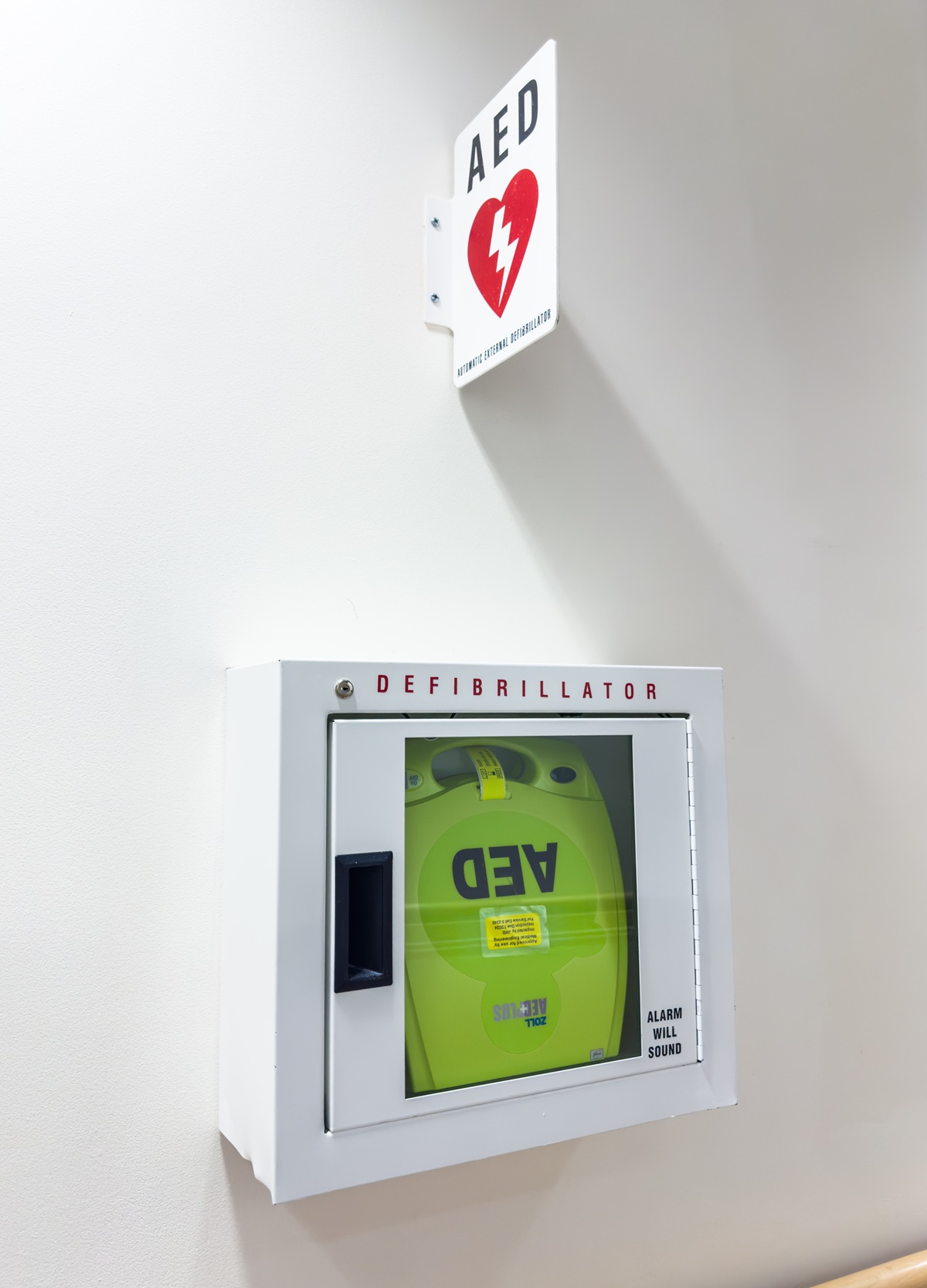
Owning an AED is only part of the equation — accessibility matters just as much.
Most emergency response frameworks work on the ‘three-minute rule’: an AED should be reachable within three minutes of a cardiac arrest being recognised.
In practice, that means:
One device per floor in multi-storey buildings
Prominent, highly visible locations
Clear signage throughout the workplace
Cabinets that remain unlocked and immediately accessible
Multiple units across large or spread-out facilities
The AED should also be registered with your state ambulance service so emergency dispatchers can direct callers to it if needed.
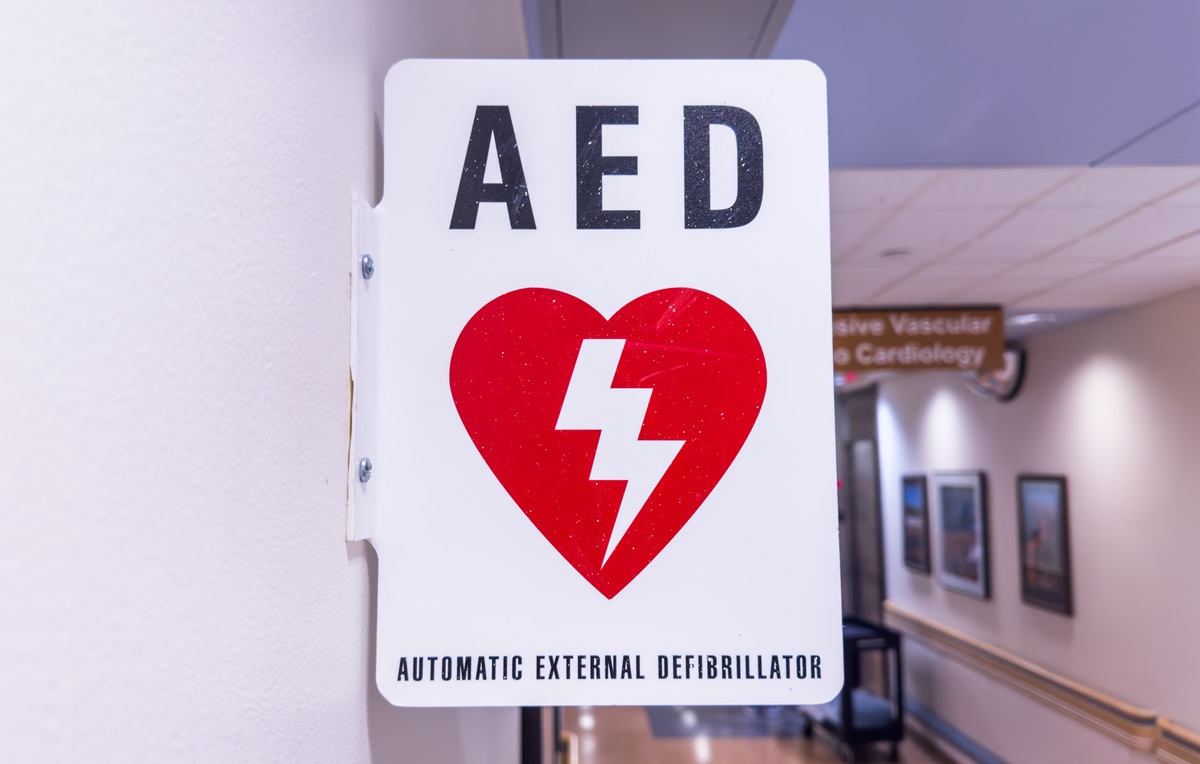
Modern AEDs perform regular self-checks and alert users to battery or pad issues, but they still require ongoing maintenance.
Pads and batteries have expiry dates and should be checked routinely as part of your WHS schedule. Pads typically require replacement every two to five years, depending on the model.
It’s also worth noting that expired pads may not deliver an effective shock. Reliable stock rotation and strong use-by date management matter more than many workplaces realise.
The Australian Resuscitation Council also recommends regular CPR and AED familiarisation training for first aiders. Even brief annual refreshers can improve confidence and response speed in a real emergency.
LFA First Response supplies a range of TGA-listed defibrillators and AED accessories to Australian businesses, backed by fast nationwide shipping and practical support from a team that understands workplace safety.
From single-office setups to multi-site workplace rollouts, we can help you choose the right device, organise the necessary accessories, and establish a maintenance approach that keeps your equipment ready for use.
Take a look at our range or get in touch with our team — we’ll get back to you within the hour.
Not universally. Australian WHS laws require employers to assess workplace risks and provide appropriate first aid resources. Depending on your environment, workforce, and location, that assessment may strongly support having an AED on-site.
Yes. AEDs are designed for public use and provide voice-guided instructions throughout the process. However, staff with CPR and AED familiarisation training are typically able to respond more quickly and confidently.
Enough to ensure an AED can be reached within roughly three minutes from anywhere on-site. Small workplaces may only require one unit, while larger or multi-storey facilities often need several.
A cardiac arrest occurs when the heart suddenly stops pumping effectively, causing the person to collapse and stop breathing normally. A heart attack is caused by a blockage restricting blood flow to the heart. A heart attack can lead to cardiac arrest, but the two are not the same.
Disclaimer: The information provided in this article is for general informational purposes only and does not constitute medical advice. Always consult a qualified healthcare professional for medical guidance specific to your situation. For WHS compliance requirements, refer to Safe Work Australia and your relevant state or territory regulator.
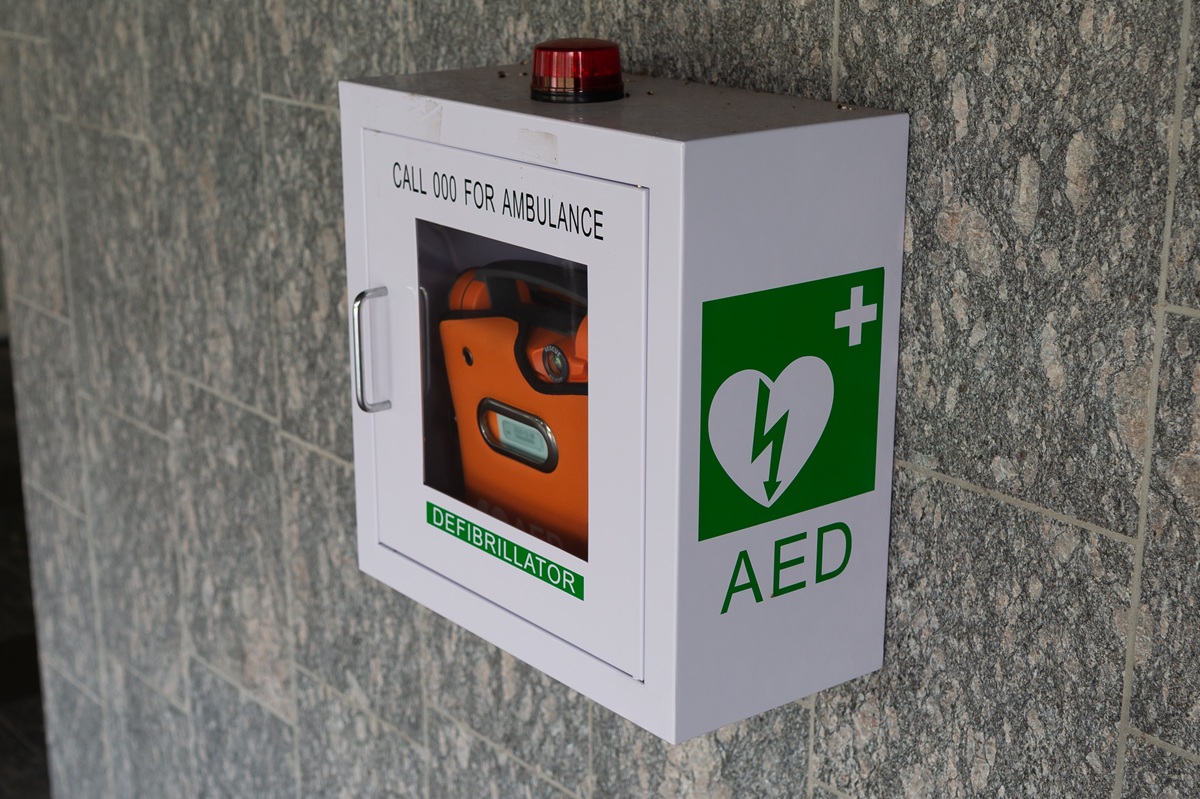
In the fast-paced school environment, the safety of students and staff is paramount. A key aspect of school safety is the presence of defibrillators, or Automated External Defibrillators (AEDs), on school premises.
J
Jason Hitch
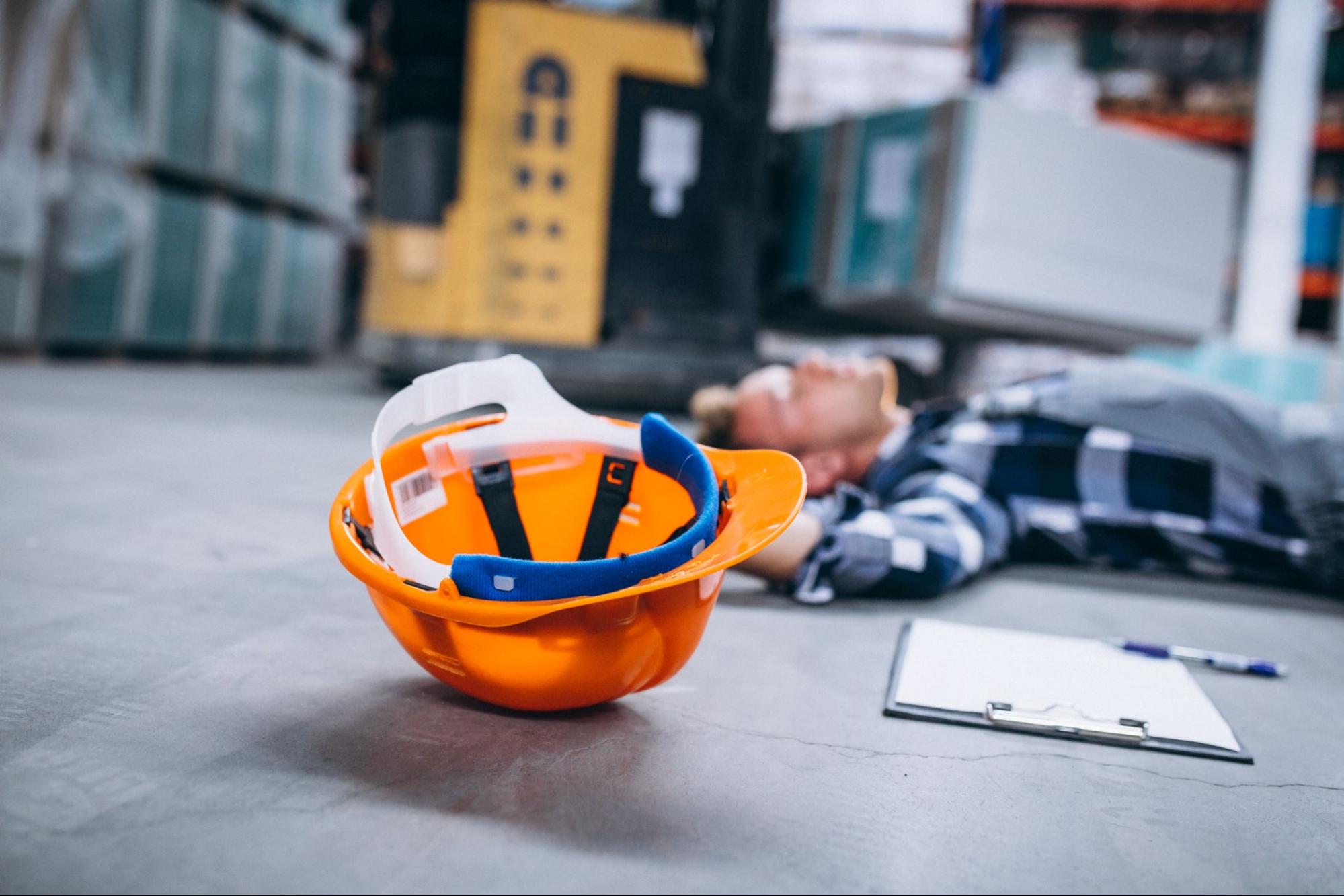
Get first aid for construction right with LFA First Response. Learn about first aiders, kits, placement and compliance for Australian worksites.
J
Jason Hitch

Get first aid for construction right with LFA First Response. Learn about first aiders, kits, placement and compliance for Australian worksites.
J
Jason Hitch

When someone is seriously hurt at work, the minutes before an ambulance arrives are the ones that matter most. On a busy warehouse floor, a remote mine site or a large campus, that early care has to happen somewhere clean, private and set up for the job. That somewhere is a first aid room.
J
Jason Hitch