J
Jason Hitch
A first aid kit can sit untouched for months, even years, and still look perfectly fine from the outside. But in an emergency, appearances mean nothing. What matters is whether the supplies inside are safe, sterile and ready to use.
Over time, medical products degrade. Sterile dressings can lose integrity. Antiseptic wipes can dry out. Medications can lose potency. Adhesives can fail, especially in Australia’s heat.
So, do first aid kits expire?
The case itself does not. But many of the essential components inside it do.
Keeping your first aid kit properly maintained is more than a routine task. It is a critical part of being prepared to respond effectively when an incident occurs. Understanding what expires, how long items typically last, and how often supplies should be checked helps ensure your kit remains reliable when it matters most.
First aid kits do not expire as a single unit, but many of the consumable items inside them do.
Expiry dates apply to sterile dressings, medications, saline, antiseptics, adhesives and gloves.
Durable tools such as shears and tweezers do not typically expire, but still require regular inspection.
Safe Work Australia requires first aid equipment to be adequately maintained. Expired supplies may create compliance risks.
Monthly checks and quarterly stock reviews help prevent expiry gaps.
Proactive replacement and structured refill systems simplify ongoing maintenance.
A first aid kit does not expire as a single unit. Each item inside it carries its own manufacturer’s expiry date, based on sterility testing, chemical stability and performance standards.
That means one kit can contain products with completely different shelf lives. For example:
Sterile dressings may expire within 3–5 years
Medications often have shorter, clearly printed dates
Saline and eyewash follow the batch-specific timeline
Adhesive products have performance-based expiry limits
There is no universal ‘kit expiry date.’ Monitoring individual components is the responsibility of the kit owner.
This is where compliance gaps occur. A kit can appear complete and organised, yet still contain expired consumables. Without a documented inspection process, expiry dates are easily overlooked.
Expiry dates exist to guarantee performance. Once that date passes, performance can no longer be guaranteed.
This creates three practical risks:
Reduced effectiveness: An expired product may not perform reliably in an emergency.
Infection control concerns: If sterility cannot be assured, treatment risk increases.
Compliance exposure: Under Australia’s Work Health and Safety framework, first aid equipment must be adequate and properly maintained. Expired supplies may not meet that expectation during an audit or incident review.
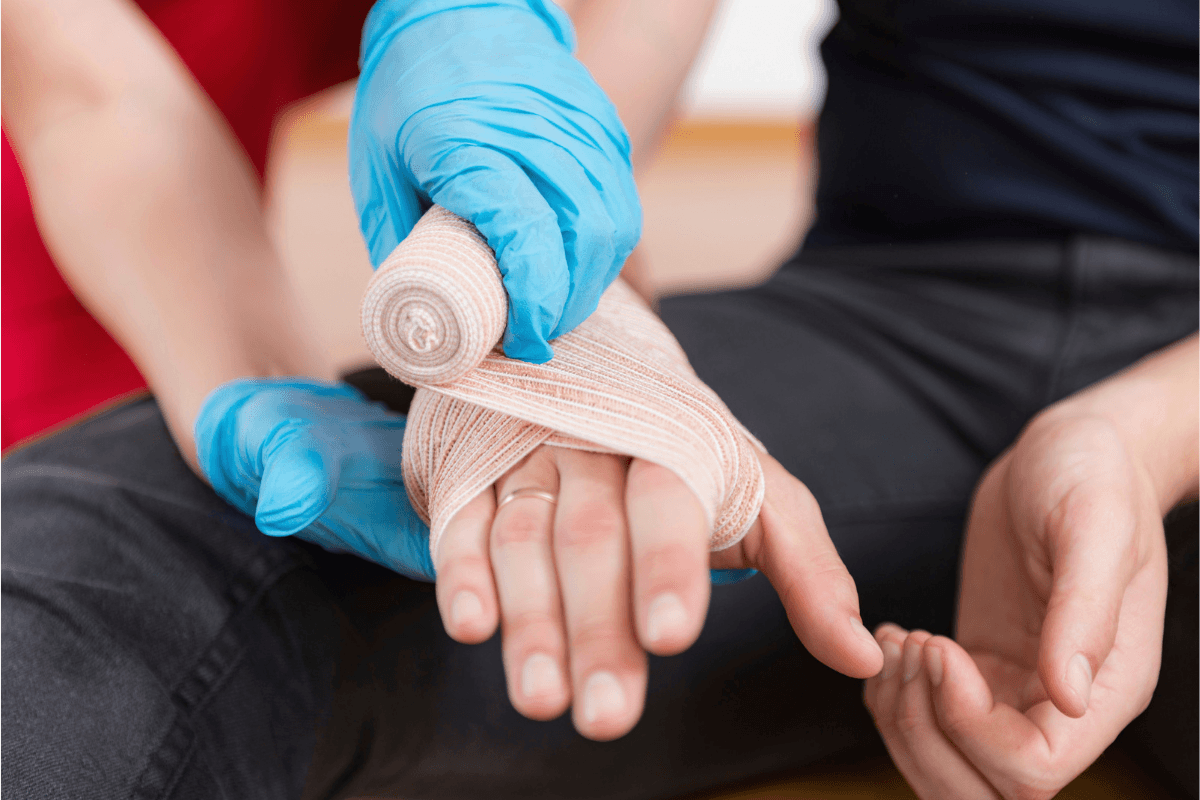
Most consumable items in a first aid kit are time-sensitive. Each carries a manufacturer’s expiry date based on sterility, stability or material performance. The items most frequently found expired during inspections include the following:
Generally 2–5 years from manufacture. Once expired, sterility can no longer be guaranteed, even if the packaging appears intact.
Commonly 3–5 years. Over time, adhesives lose strength, particularly in warm or fluctuating temperatures, reducing their ability to secure a dressing properly.
Often has a 1–3 year shelf life. Active ingredients in antiseptics can evaporate or degrade, and wipes may dry out inside sealed sachets.
These sterile solutions must be used within their printed expiry date. Multi-use bottles also lose sterility once opened and should not be stored long-term.
Cooling and antiseptic agents gradually break down, reducing effectiveness. Changes in texture or separation are clear indicators of replacement.
Tablets like paracetamol or ibuprofen must remain within the manufacturer's expiry dates to ensure predictable potency and dosing.
Latex and nitrile materials deteriorate over time, especially when exposed to heat or UV light, making them more likely to tear during use.
It’s also important to remember that expiry dates assume correct storage conditions. Kits stored in vehicles, site sheds or other non-climate-controlled environments may experience accelerated deterioration.
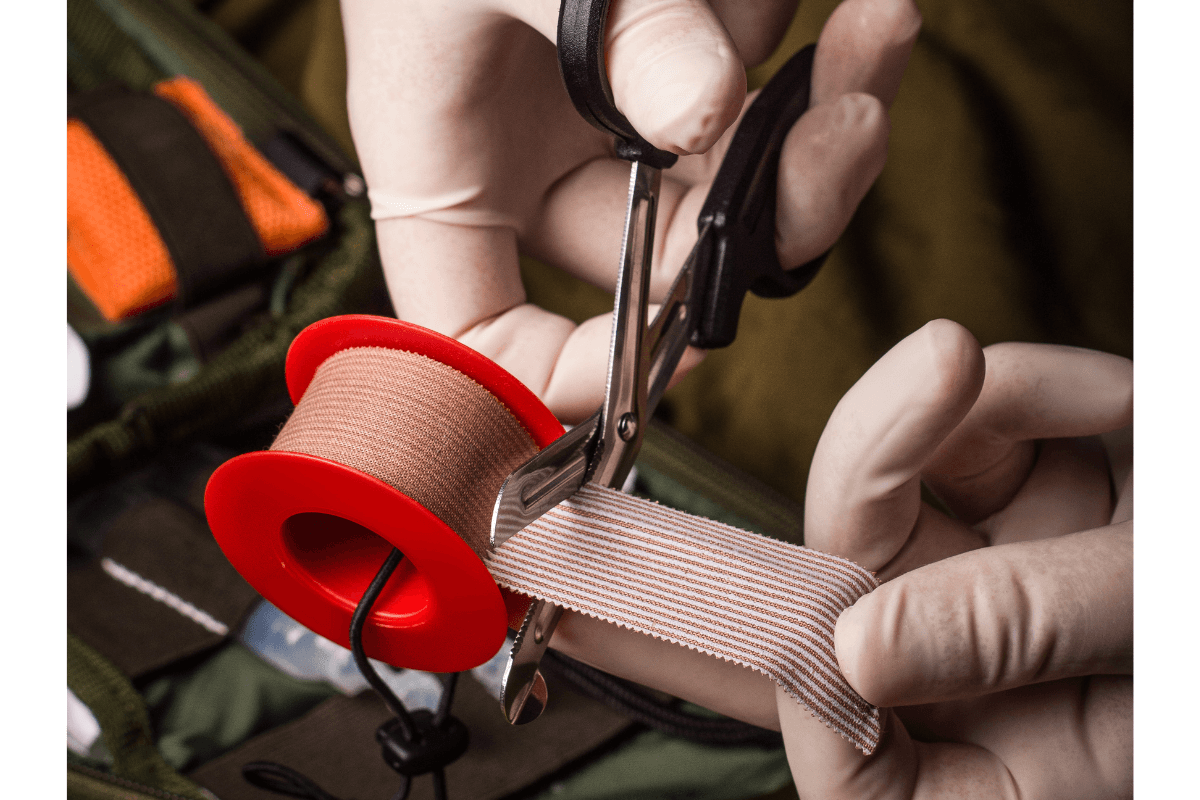
Not every component in a first aid kit carries a printed expiry date. Many tools and structural items can remain serviceable for years if they are stored and maintained correctly. However, the absence of an expiry date does not remove the need for inspection.
Common condition-based items include:
Designed to cut clothing or bandages quickly and safely. Over time, blades can dull or loosen at the pivot, reducing cutting efficiency when speed matters.
Used for splinter or debris removal. Bent tips, corrosion or residue buildup can affect both grip and hygiene.
Foam or aluminium splints do not expire, but they can crack, warp or lose rigidity if stored poorly.
While the barrier device inside may have an expiry date, the outer case should be checked for cracks, contamination or missing components.
The kit itself should remain clean, clearly labelled and easy to access. Broken latches, damaged seals or obstructed placement can delay response time.
The distinction is straightforward: consumables are date-driven, while tools are condition-driven. Both require regular inspection.
A thorough first aid check should assess functionality, cleanliness and accessibility, not just printed expiry dates. Overlooking the physical condition of equipment can undermine the effectiveness of otherwise in-date supplies.
If you’ve ever asked, ‘do first aid kits expire?’, the more important question is how often you’re checking them.
A first aid kit is not a set-and-forget safety measure. Regular inspection ensures expired, damaged or missing items are identified before an emergency exposes the gap.
Safe Work Australia’s Model Code of Practice requires first aid equipment to be adequately maintained. While it does not mandate a universal inspection frequency, implementing a documented schedule is best practice.
For most environments, the following framework is effective:
Monthly visual check: Confirm the kit is accessible, intact and not obviously depleted.
Quarterly stock review: Check expiry dates, replace consumables and inspect tools for condition.
Immediate restocking after use: Replace any used items promptly.
Annual compliance review: Audit contents against your risk assessment and operational needs.
Higher-risk settings or environments exposed to heat may require more frequent checks. Vehicle kits, in particular, should be monitored closely due to temperature fluctuations.
Documentation is equally important. Recording inspection dates, replacements, and the responsible person demonstrates proactive management and supports compliance if an incident occurs.
A first aid kit is only as reliable as its last review. A clear inspection schedule ensures it remains ready when needed.
When an item passes its expiry date, it should be removed immediately. Leaving expired products in the kit increases the risk that they may be used unintentionally during an emergency.
Medications should be returned to a pharmacy for safe disposal. Expired sterile items or products with damaged packaging should not be used for treatment. If kept for training, they must be clearly separated from operational stock.
Replacement should be like-for-like and aligned with your risk assessment. Substituting products without review can create coverage gaps or inconsistencies across multiple kits.
To simplify maintenance, many organisations move to a more structured approach, such as:
Pre-packed refill kits
Standardised kit configurations across sites
Scheduled restocking aligned with inspection cycles
This reduces administrative burden and ensures critical consumables are replaced consistently and predictably.
Expiry management should be proactive, not reactive. A first aid kit is part of your broader safety infrastructure, and maintaining it systematically helps ensure it performs when it is needed most.
Maintaining first aid kits across workplaces, vehicles or multiple locations requires structure. Tracking individual expiry dates and replacing items one by one can quickly become time-consuming and inconsistent.
LFA First Response supplies compliant, workplace-ready first aid kits and refill solutions designed to simplify ongoing maintenance. Our range includes industry-specific kits, pre-packed refill modules and wholesale medical supplies with strong shelf lives to maximise value.
Ongoing audits and routine inspections demand consistent supply support. A reliable partner simplifies replacement, improves standardisation and reduces the risk of missed expiry dates.
First aid kits do expire; not as a single unit, but through the time-sensitive supplies inside them.
Sterile dressings, medications, saline and adhesive products all have defined shelf lives. Without regular inspection and timely replacement, a kit can quietly shift from being a reliable safety measure to a preventable risk.
A first aid kit is only as reliable as its last review. Consistent checks, clear documentation and proactive restocking keep your supplies compliant and ready to perform when required.
Maintaining that consistency becomes significantly easier with the right supply partner.
At LFA First Response, we supply Australian organisations with compliant, pre-stocked first aid kits, industry-specific solutions and convenient refill packs, all at wholesale pricing designed to support ongoing workplace safety.
Browse our first aid kits and refill supplies or contact our team for bulk pricing and tailored recommendations for your site.
Do first aid kits expire if they are unopened?
Even if a first aid kit has never been opened, the consumable items inside it will still reach their manufacturer’s expiry dates. Shelf life is based on time from manufacture, not usage. An unopened kit can still contain expired dressings, medications or solutions if it has not been checked.
Does storage temperature affect expiry dates?
Yes. Extreme heat, humidity and UV exposure can accelerate product degradation. Kits stored in vehicles, warehouses or outdoor environments may experience faster deterioration than those kept in climate-controlled areas. Regular inspection is especially important in these settings.
Do first aid kits in vehicles expire faster?
They can. Vehicle kits are exposed to temperature fluctuations, vibration and humidity. Heat, in particular, can accelerate adhesive breakdown and medication degradation. More frequent inspection is recommended for mobile or fleet kits.
How far in advance should expired items be replaced?
Best practice is to replace items before they reach their expiry date, especially for high-risk or critical supplies. Many organisations adopt a rolling review system to prevent last-minute shortages.
Can expired first aid items be kept for training purposes?
Yes, in some cases. Expired bandages or dressings may be retained for demonstration or training use. However, they must be clearly separated from operational stock to prevent accidental use during a real incident.

Fainting is one of the most common medical incidents in Australian schools, workplaces, and public events. Most episodes pass quickly and cause no lasting harm, but knowing what to do when someone faints and acting on it fast is what determines how the situation plays out.
J
Jason Hitch

Australia is home to thousands of spider species, but only a few can cause serious harm. This guide explains how to recognise dangerous spider bites, what symptoms to watch for, and the correct first-aid techniques for funnel-web, redback, and white-tailed spiders. With clear steps on when to call 000, how to apply pressure immobilisation, and how to treat low-risk bites at home, it empowers you to respond calmly and effectively. You’ll also learn simple prevention tips, what to keep in you
J
Jason Hitch

Anaphylaxis can strike without warning and become life-threatening within minutes. Learn how to identify symptoms, administer adrenaline, call 000, and set up an anaphylaxis-ready first aid kit tailored for schools, workplaces, events, and remote areas. This guide walks you through prevention, emergency response, aftercare, and the essential gear every site should have.
J
Jason Hitch
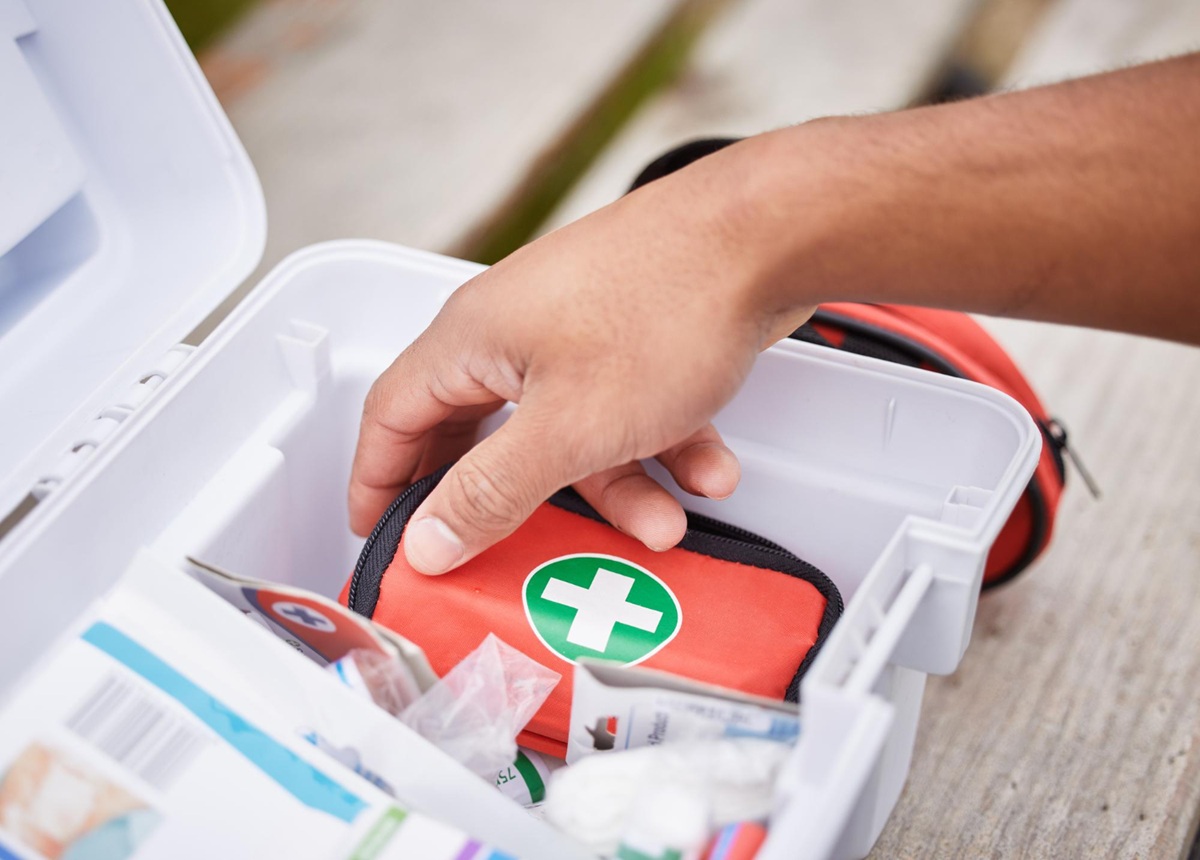
In any school environment, accidents and medical incidents can happen without warning. Whether it’s a scraped knee on the playground, an allergic reaction in the lunchroom, or a sudden asthma attack during sport, having a well-stocked and compliant classroom first aid kit is essential.
J
Jason Hitch