J
Jason Hitch
Anaphylaxis is a severe allergic reaction that can be fatal within minutes if untreated
Common triggers include peanuts, shellfish, insect stings, medications, and latex
Immediate treatment with adrenaline (EpiPen) is critical - don’t wait for all symptoms
Patients must always go to hospital after an episode due to risk of biphasic reactions
First aid kits should include space for EpiPens, ASCIA Action Plans, PPE, and be sector-specific (schools, worksites, events, remote areas)
Anaphylaxis is a sudden, severe, life-threatening allergic reaction that can lead to unconsciousness or death if not treated immediately. The first step is to use an EpiPen (adrenaline auto-injector), call 000, and lay the person flat. Emergency kits should include clear action plans, access to adrenaline, gloves, CPR gear, and tailored contents for your environment, whether it’s a school, mine site, event or remote location. This guide walks you through symptoms, response steps, aftercare and kit setup.
Every day, Australians in schools, workplaces, and public settings are exposed to potential allergens, such as food, insect bites, medication, or environmental factors. For those at risk of anaphylactic reaction, even a tiny exposure to an allergen can trigger a full-body reaction in minutes.
As duty holders, whether you're a school first aider, mining safety manager, event medic or site responder, being prepared isn’t optional. Knowing how to treat anaphylaxis is a core part of workplace health and safety.

Anaphylaxis occurs when the immune system goes into overdrive in response to a harmless substance it wrongly sees as dangerous. This overreaction causes the release of chemicals that can lead to:
Severe swelling (especially of the airways)
Rapid drop in blood pressure
Constriction of the chest and lungs
Circulatory collapse
It’s not just uncomfortable, it’s fatal without fast treatment. What makes it more dangerous is that reactions often begin without warning and can worsen in seconds.
Common Triggers Include:
Peanuts, tree nuts, shellfish, milk, eggs
Bee or wasp stings
Penicillin or other medications
Latex
Exercise combined with allergen exposure
According to ASCIA, anaphylaxis is the most serious form of allergic reaction and must be treated as a medical emergency, even if symptoms seem mild at first.

Being able to identify symptoms fast is the first step toward an effective response.
Key symptoms:
Swelling of the face, lips, tongue, or throat
Tightness in the chest, wheezing, or trouble breathing
Pale or bluish skin, especially around the lips
Hives, rash, or widespread skin redness
Vomiting, stomach cramps, or diarrhoea
Dizziness, fainting, or sudden collapse
These can appear alone or in combination, and may look similar to asthma, anxiety or a panic attack. But if someone has a known allergy and shows any of these signs, assume anaphylaxis.
In a school setting, it could be a child reacting to a hidden allergen in lunch. On a mine site, it might be a worker stung by a bee or exposed to latex gloves. In every case, acting immediately is what matters.
Every anaphylaxis response starts with one action: call Triple Zero (000). This applies even if the person seems okay after an EpiPen is used.
When calling 000:
Say you suspect anaphylaxis
State if an EpiPen has been administered and when
Share your exact location, including gate access or floor level
Inform them if you’re in a remote area or if access is limited
In high-risk workplaces and community facilities, assign roles during emergency drills so it’s clear who calls, who treats, and who directs paramedics.
In remote regions, like exploration camps or field sites, having satellite phones or UHF radio backup can be lifesaving. Train your team to stay calm, relay clear information, and keep the operator on the line for support.
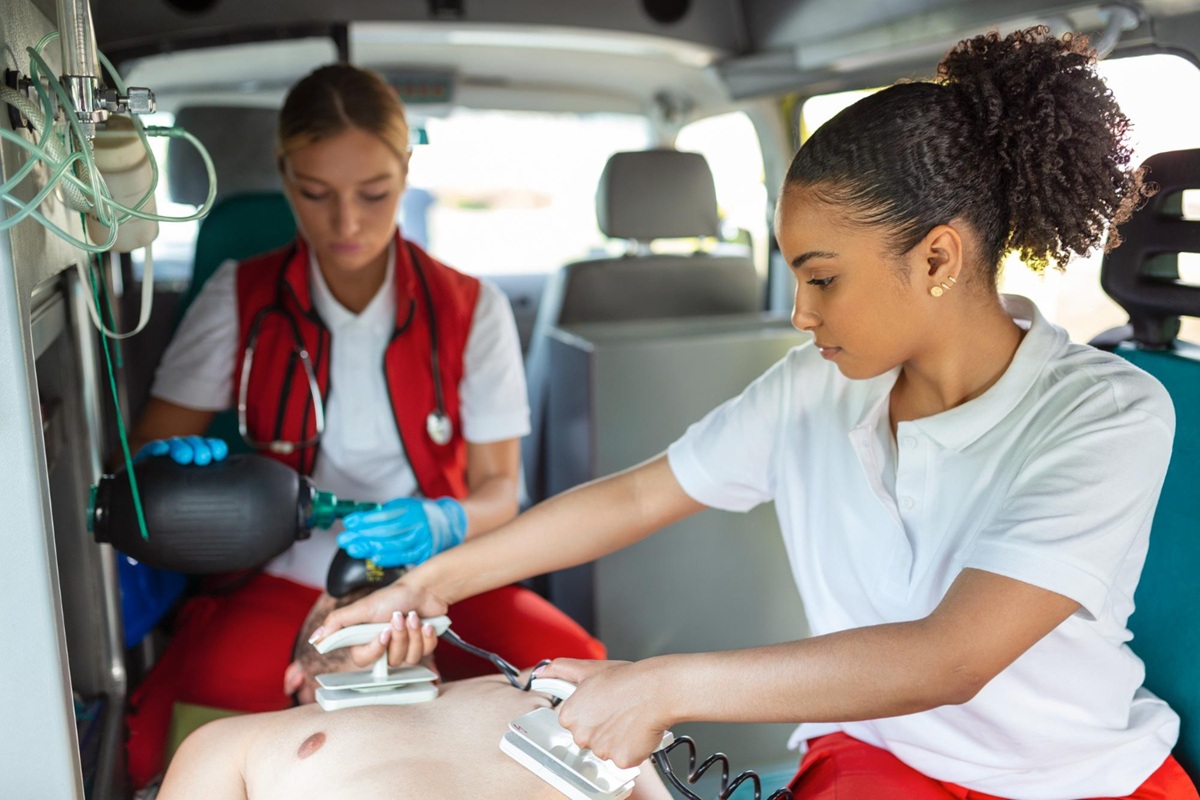
Don’t wait to confirm every symptom. If there’s any chance it’s anaphylaxis, give adrenaline straight away via an EpiPen:
Remove the blue cap
Press the orange tip against the outer mid-thigh
Hold for 3 seconds
Record the time
A second dose can be given after 5 minutes if there’s no improvement.
Lay the person flat with their legs raised to support blood pressure.
Exceptions:
If breathing is difficult, they can sit upright.
If unconscious but breathing, place them in the recovery position.
Never let them stand or walk, even if they say they feel fine, as this can lead to rapid cardiovascular collapse.
Stay with the person. If they become unresponsive and are not breathing, begin CPR. Use gloves and a CPR face shield from your first aid kit if available.
Once adrenaline is administered and symptoms improve, the danger isn't over. According to ASCIA guidelines, all patients should be transported to the hospital by ambulance and monitored for at least four hours.
Why?
Adrenaline effects wear off
A second reaction (biphasic anaphylaxis) can occur hours later
Professional care ensures breathing support, IV fluids or antihistamines are ready if needed
Ensure an incident report is completed and the person’s ASCIA Action Plan (if they have one) is reviewed. This is essential in schools, childcare, aged care, and regulated work sites.
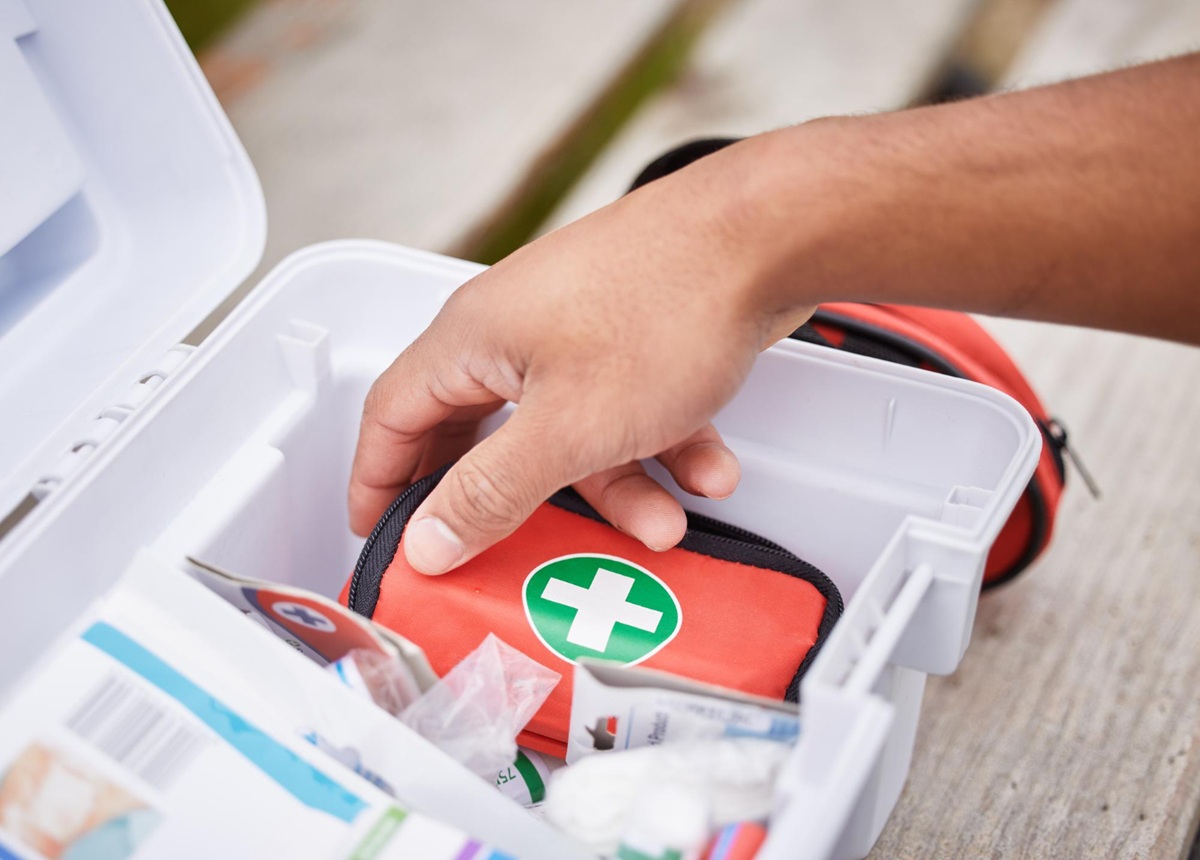
A general first aid kit won’t cut it in anaphylaxis emergencies. Your kit should include:
At least one clearly marked space for an EpiPen
A laminated ASCIA Anaphylaxis Action Plan
Emergency contact cards or allergy ID
Gloves, disinfectant wipes, and a CPR face shield
Antihistamines (under GP instruction)
Instant cold packs for sting reactions
Clear labelling and fast access compartments
Your team should know where the kit is, what’s in it, and how to use it. And it should be checked regularly using purpose-built refill kits.
School first aid kits should support policies for allergen-free zones, include staff training on action plans, and provide backup auto-injectors where allowed.
Mine sites need kits designed for harsh conditions and long emergency response times. Include multiple EpiPens, dust-proof packaging, and laminated quick-reference guides.
Kits should be lightweight, portable, and labelled for fast access. Include sun and insect bite treatments and signage for allergy response points.
Remote settings demand full self-sufficiency. Include communication tools, waterproof gear, and backup oxygen or airway support equipment.
From schoolyards to construction sites, being prepared for anaphylaxis comes down to having the right gear and knowing how to use it.
At LFA First Response, we help teams across Australia build first aid solutions tailored to their risk profile. We stock kits, refills, signage, and accessories that support a fast, confident response in pressure situations.
Our kits are:
Compliant with Australian standards
Built for schools, industry, marine and remote use
Easy to restock, reorder, and customise
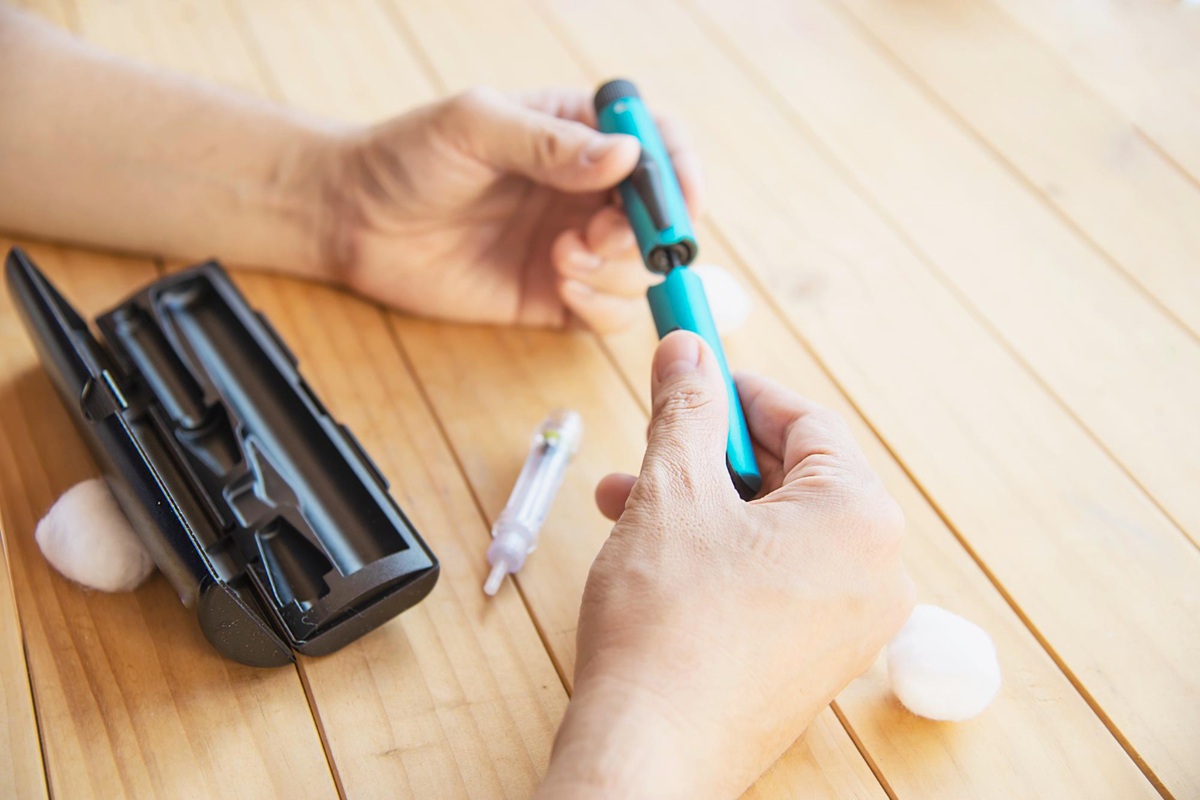
Anaphylaxis can happen anywhere, anytime, to students, staff, workers, or visitors. Your team’s ability to respond quickly depends on your gear, your training, and your planning.
Know the signs
Act immediately
Keep your kits ready
Need help building a compliant, anaphylaxis-ready first aid station? Our team is here to assist.
Immediately. Adrenaline (via an EpiPen) should be administered at the very first signs of anaphylaxis, such as swelling, difficulty breathing, or dizziness, especially if the person has a known allergy. Delaying treatment to “wait and see” can allow symptoms to progress rapidly, leading to airway obstruction or collapse. Adrenaline is most effective when given early, and it’s safe to use even if the diagnosis isn’t 100% certain at the time.
Yes. In Australia, it is legal for any bystander to administer an EpiPen in an emergency. The device is designed for ease of use; just remove the cap, press against the thigh, and hold. Printed instructions on the device and the ASCIA Action Plan included in most kits provide step-by-step guidance. This is especially important in settings like schools, field worksites or community venues, where trained responders may not always be nearby.
Even if the person appears to recover after using an EpiPen, they still need emergency medical attention. Adrenaline works quickly, but its effects can wear off after 10 to 20 minutes. Paramedics may administer a second dose, provide oxygen, or start IV support. There’s also a risk of a biphasic reaction, where symptoms return hours later, so hospital observation is essential.
EpiPens are a prescription-only medication in Australia and must be issued to individuals who have been assessed by a medical practitioner. For this reason, they aren’t pre-packaged in off-the-shelf first aid kits. However, first aid kits should be designed with designated compartments and signage to accommodate EpiPens if individuals on site are known to carry them. Many schools, childcare centres and worksites have protocols in place to store them alongside standard supplies..
At a minimum, first aid kits, especially those intended for allergy response, should be checked monthly. Items like adrenaline auto-injectors have strict expiry dates and need to be stored properly (protected from light and heat). Using first aid kit refills makes it easier to keep track of what needs replacing and ensures compliance with Australian workplace safety regulations.
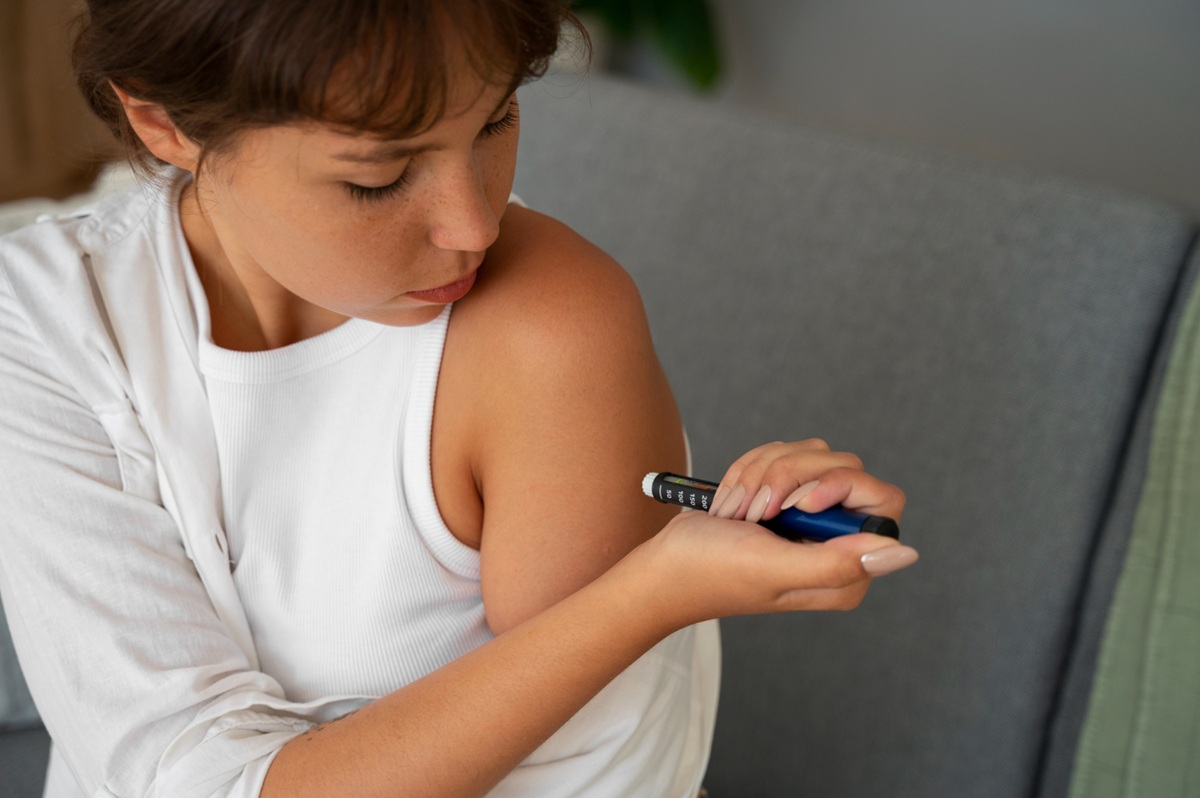
Anaphylaxis can strike without warning and become life-threatening within minutes. Learn how to identify symptoms, administer adrenaline, call 000, and set up an anaphylaxis-ready first aid kit tailored for schools, workplaces, events, and remote areas. This guide walks you through prevention, emergency response, aftercare, and the essential gear every site should have.
J
Jason Hitch
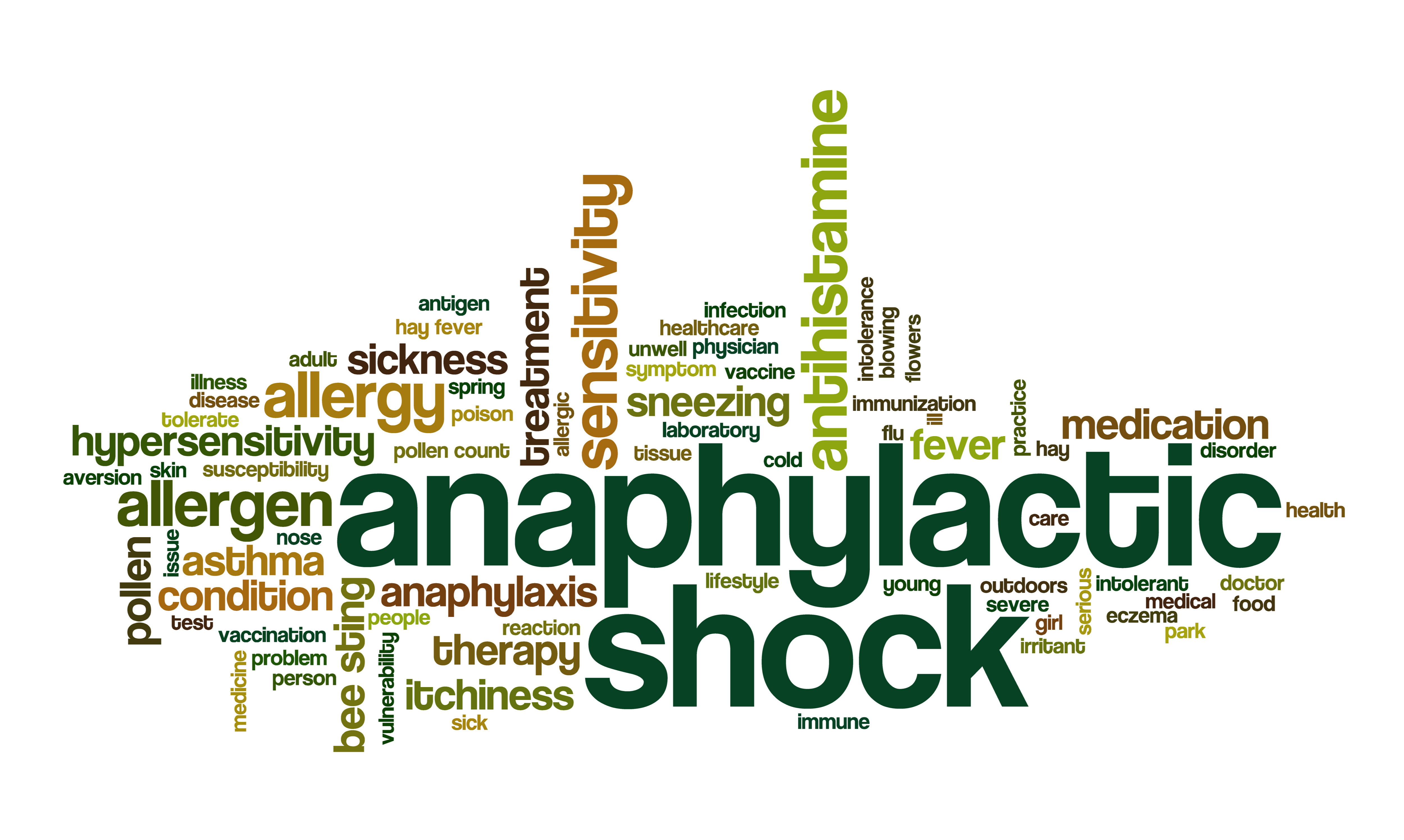
When you live with allergies, you may experience symptoms like sneezing, coughing and itchiness from time to time. Anaphylaxis is a much more serious allergic reaction which can be life threatening.
J
Jason Hitch

Fainting is one of the most common medical incidents in Australian schools, workplaces, and public events. Most episodes pass quickly and cause no lasting harm, but knowing what to do when someone faints and acting on it fast is what determines how the situation plays out.
J
Jason Hitch
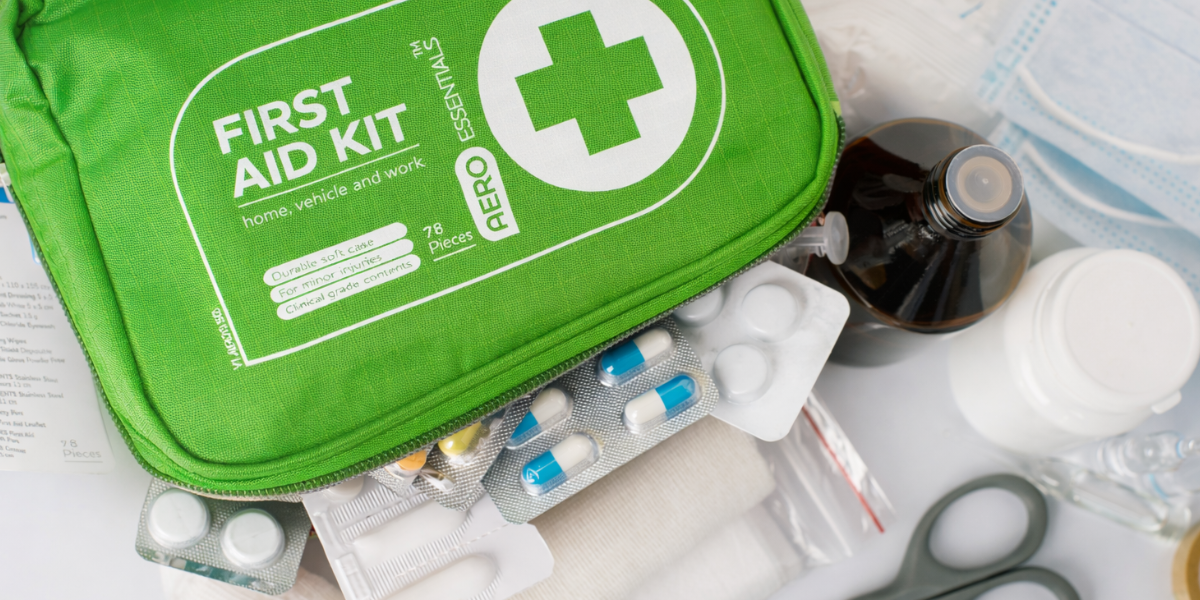
A first aid kit itself does not expire, but many of the medical supplies inside it do. Items like sterile dressings, antiseptics, medications, saline and gloves have manufacturer expiry dates that affect their safety and effectiveness. Regular inspections, timely replacement of expired items and proper storage are essential to keep the kit compliant, reliable and ready to use in an emergency.
J
Jason Hitch