J
Jason Hitch
You’re reaching into the garden shed for your secateurs when you feel a sharp pinch. Or maybe you’re helping your kids get ready for school and find a spider in the shoe pile. Or perhaps you just want to be prepared, because living in Australia means sharing space with spiders.
Here’s the reassuring truth: out of thousands of Australian spider species, only a few can cause serious harm. Since the introduction of funnel-web and redback antivenoms, serious outcomes are rare. The real challenge isn’t the spiders themselves, it’s knowing how to respond when someone gets bitten.
This guide covers how to recognise different Australian spider bites and how to treat them effectively.
Before we dive into the details, here’s the essential information for quick reference.
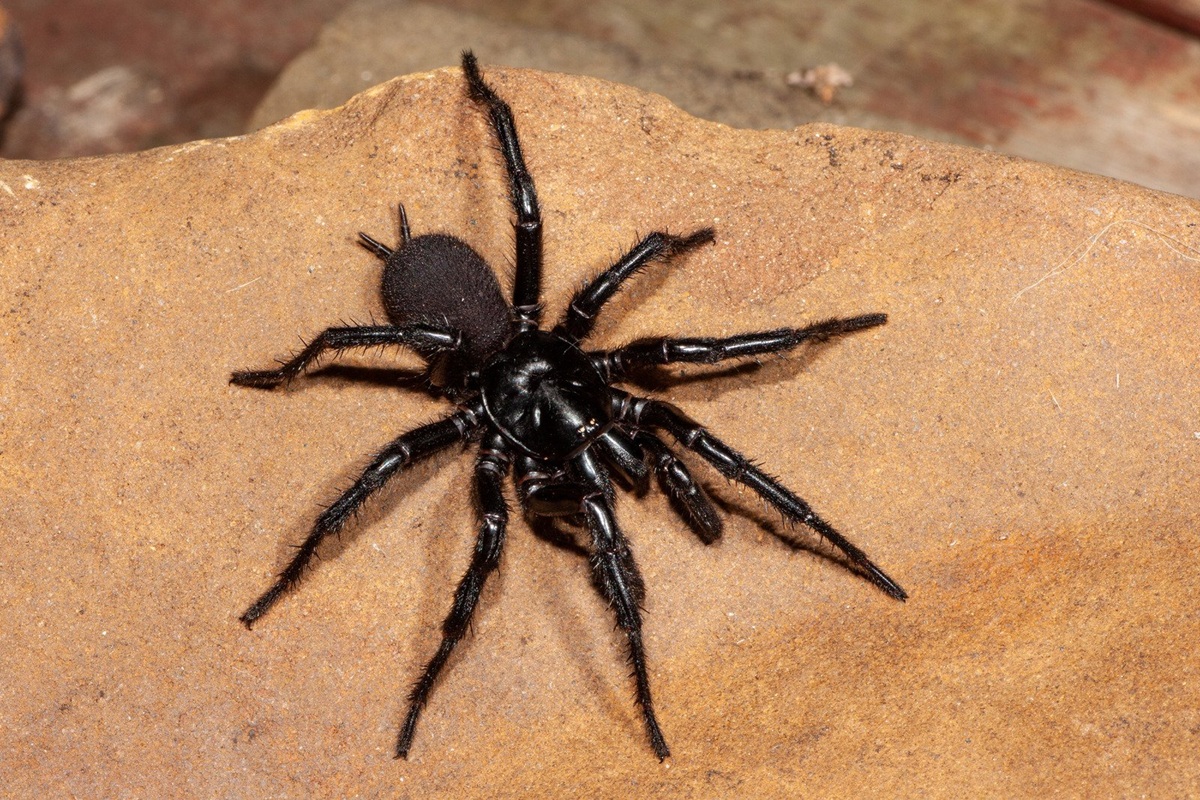
Large, glossy black spiders with prominent fangs are potential medical emergencies. These are the only Australian spider bites that are truly life-threatening.
What to do:
Call 000 immediately.
Apply the pressure immobilisation technique to slow venom spread.
Symptoms:
Severe pain at the bite site, rapid onset sweating, tingling around the mouth, muscle twitching, and breathing difficulty.
Since funnel-web antivenom became available in the 1980s, there have been no recorded deaths, but urgent medical attention remains critical.
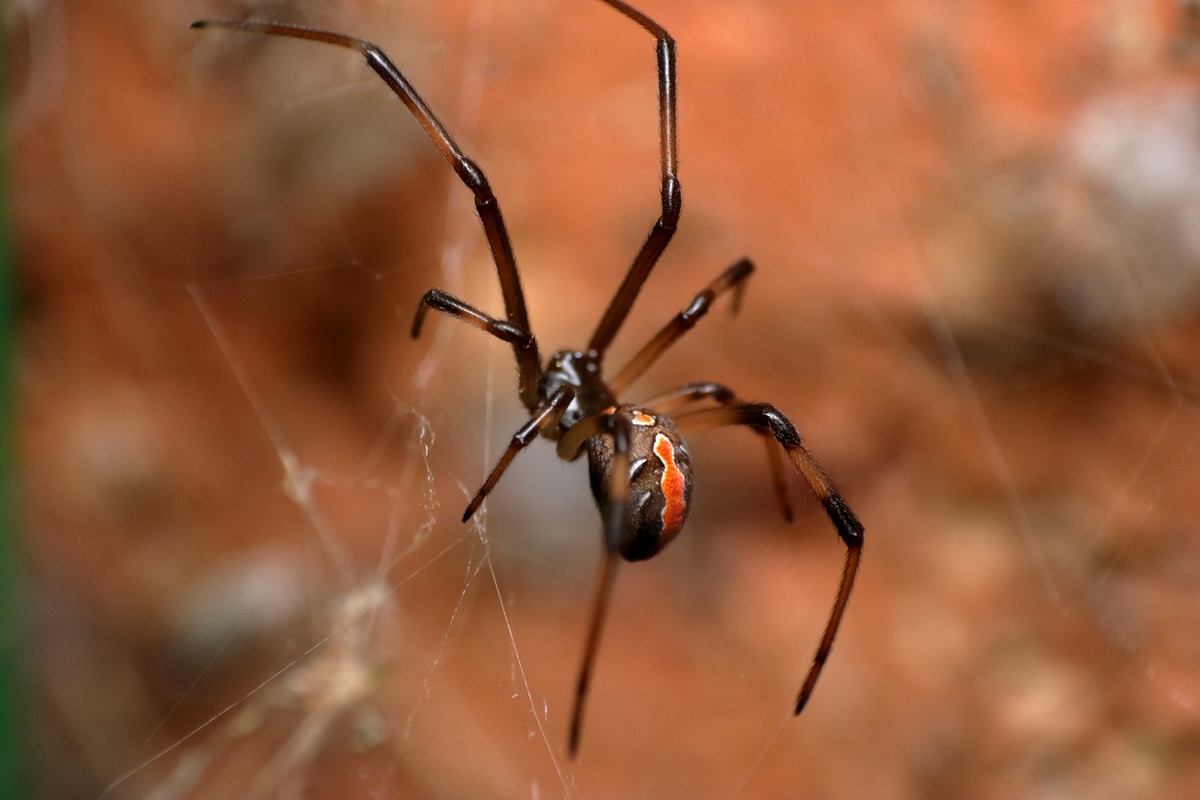
Redback bites cause intense local pain that can spread and last for hours. The experience is extremely unpleasant but rarely life-threatening for healthy adults.
Treatment:
Do not use pressure immobilisation.
Apply a cold pack for 15 minutes on/off.
Call 13 11 26 (Poisons Information Centre) for advice.
Children, elderly people, and vulnerable individuals should always receive medical assessment.
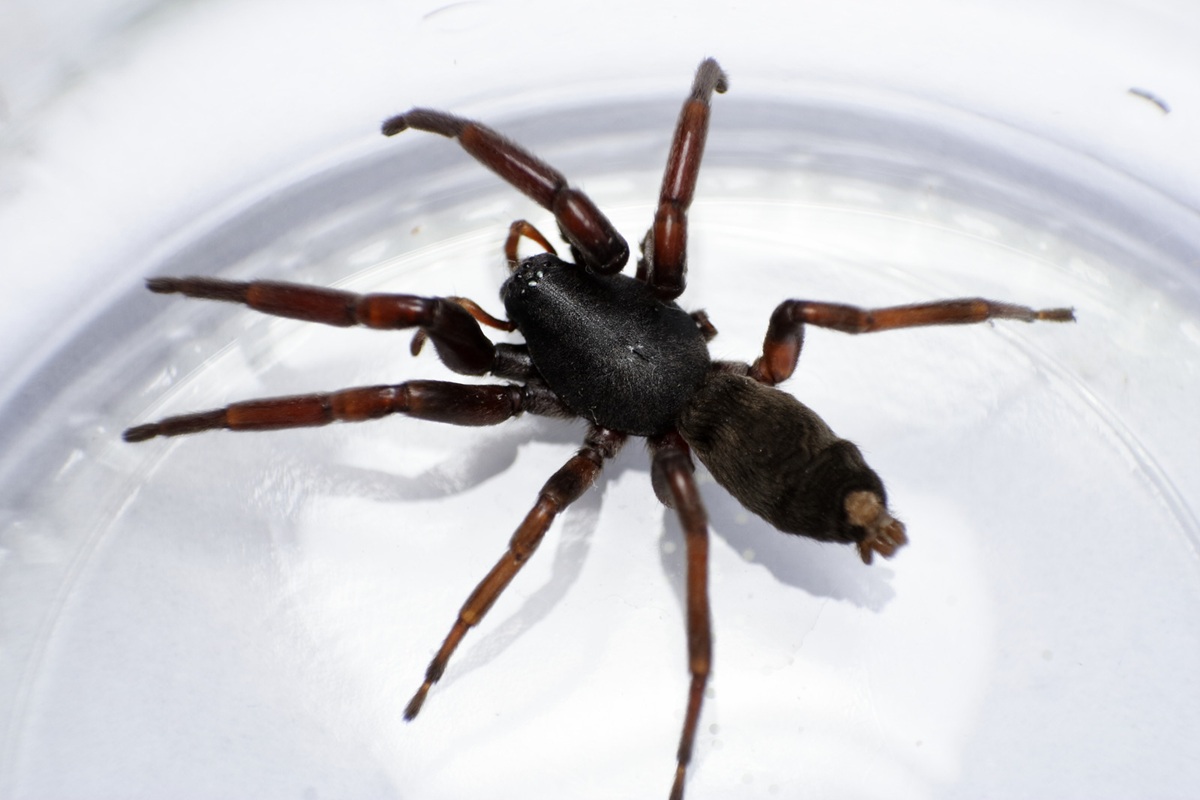
White-tail spider bits can cause pain, redness, and minor swelling, but not “flesh-eating” ulcers – that’s a myth.
Treatment:
Wash the area, apply a cold compress, take pain relief if needed and monitor for infection.
000 – Life-threatening emergencies, funnel-web or mouse spider bites, severe allergic reactions.
13 11 26 – WA Poisons Information Centre (24/7 expert advice, free service).
When it comes to Australian spider bites, most spiders you'll encounter aren't dangerous. For practical first aid purposes, we can think about them in three main groups.
These demand immediate emergency response. The funnel-web spider family, particularly the Sydney funnel-web, possesses some of the most potent venom in the spider world. Their venom is especially dangerous to children because of their smaller body mass. If you see a large, glossy black spider with robust fangs, treat it as potentially life-threatening until proven otherwise.
The redback is probably Australia's most well-known venomous spider. While their bites can cause significant pain and systemic symptoms, they're rarely life-threatening to healthy adults. The experience can be extremely unpleasant, though, with pain that intensifies over hours and may last for days without treatment.
This includes huntsman spiders, white-tailed spiders, wolf spiders, and the vast majority of Australia's arachnid population. While their bites can be painful and cause local reactions, they don't require emergency treatment or specialised first aid beyond basic wound care.
A quick note on identification: even experts can struggle to identify spiders accurately in emergency situations. When in doubt, treat any large, dark spider bite as a potential emergency and seek expert advice through the Poisons Information Centre on 13 11 26.
The female has a distinctive spherical black body, approximately 1cm long, with a prominent red or orange stripe on the upper abdomen. They favour dry, sheltered locations and have adapted well to human environments, check under outdoor furniture, inside garden sheds, behind outdoor bins, and in stored items like plant pots.
Large, robust spiders with body lengths of 1.5-3.5cm, glossy black or dark brown colouring, and prominent, powerful fangs. They prefer moist, cool environments and are primarily found in forested areas of New South Wales, particularly around Sydney. Males wander during mating season (summer to autumn) and can be aggressive when threatened.
Slender, cigar-shaped spiders with grey to dark reddish bodies, 12-18mm long, with distinctive white or pale grey patches on the tip of their abdomen. These hunting spiders are often found inside homes, particularly in clothing, bedding, and towels.
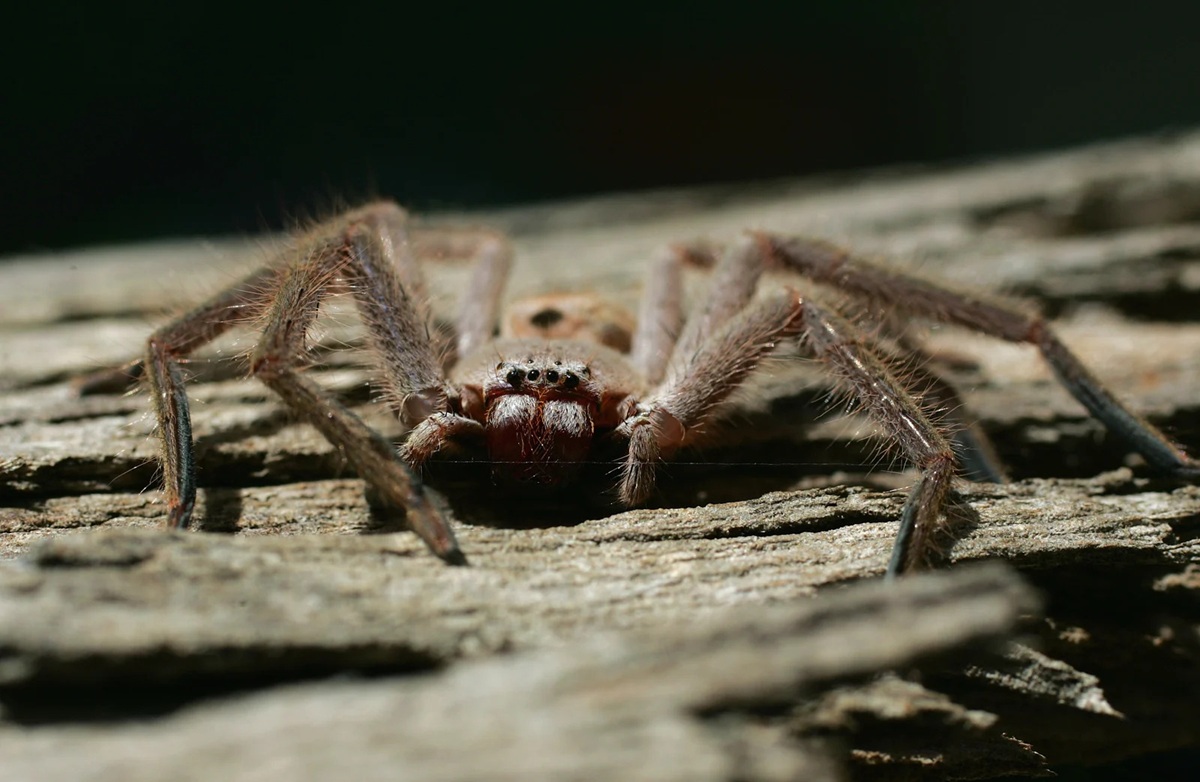
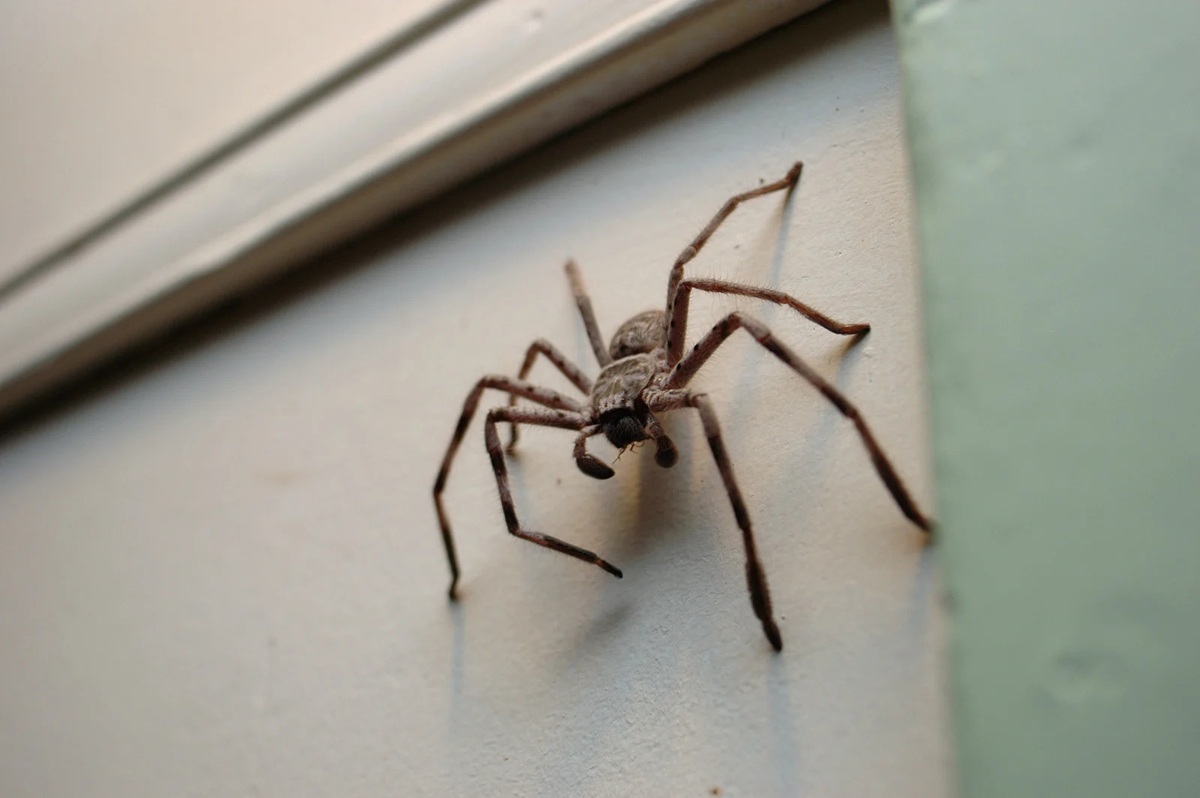
Large, flat-bodied spiders with leg spans that can exceed 15cm. Despite their alarming size, Huntsman spiders are generally non-aggressive and beneficial, feeding on pest insects and other spiders.
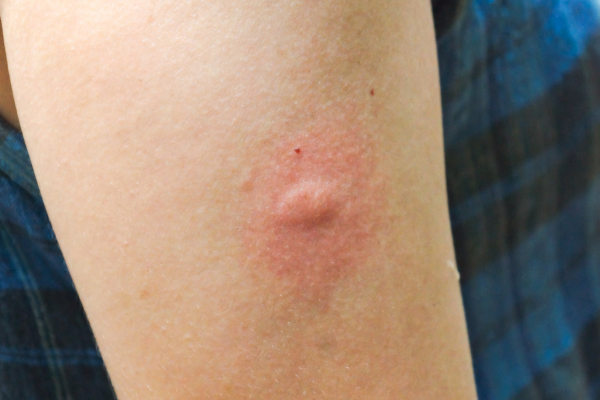
Immediate symptoms:
Intense pain at the bite site with visible fang marks
tingling around the mouth and tongue
Profuse sweating
Excessive salivation.
Within 15-30 minutes, symptoms may start to look like:
Muscle twitching
Rapid heart rate
Difficulty breathing
Confusion
Nausea
Please note: A funnel web spider bite is life-threatening and requires calling 000 immediately.
Immediate symptoms:
Sharp pinprick sensation (sometimes barely noticeable)
Gradually intensifying pain that spreads from the bite area
Redness and swelling
Local sweating
After 1-12 hours, symptoms may start to look like:
Severe pain that radiates up the limb or spreads to the abdomen
Patchy sweating
Headache
Swollen lymph glands
Nausea
While extremely painful, most adults can manage redback spider bites with medical supervision and pain relief.
Immediate symptoms:
Burning pain at the bite site
Localised redness and swelling
Possible small blister formation
Occasional itching
Symptoms typically resolve within a day or two. Despite persistent myths, confirmed white tail spider bites do not cause tissue necrosis or "flesh-eating" ulcers.
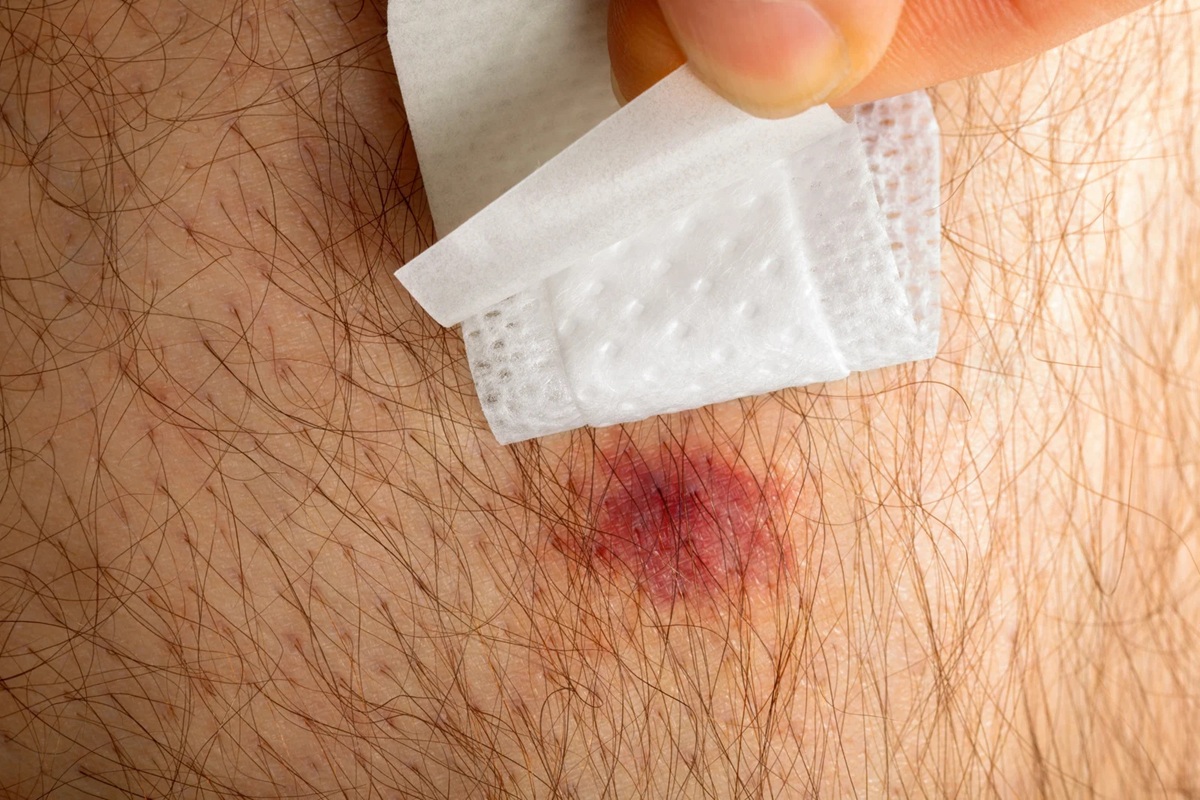
This protocol can save a life. The pressure immobilisation technique slows the movement of venom through your lymphatic system, buying crucial time until medical help arrives.
Immediate Steps:
Call 000 before anything else
Keep the person calm and absolutely still—lay them down
Apply a firm elasticated bandage directly over the bite site
Continue bandaging up the entire limb, as firmly as you would for a sprained ankle
Apply a splint to prevent movement (use anything rigid: wooden stakes, rolled newspaper, umbrella)
Mark the bite site on the bandage with a pen and write the time
Keep the person still—any movement pumps venom faster
Monitor for worsening symptoms and be ready to perform CPR if needed
What Not to Do:
Don't wash the bite site (venom traces help identify the spider)
Don't remove the pressure bandage until at the hospital
Don't apply ice or a tourniquet
Don't cut the wound or try to suck out venom
Having the right supplies accessible makes all the difference. Many people keep a dedicated snake and spider bite kit that includes compression bandages, a splint, and clear instructions, everything needed in one package.
For workplaces or larger properties, having multiple compression bandages in different locations means you're never scrambling to find supplies in an emergency.
The treatment for redback spider bites is completely different. Pressure immobilisation makes these bites significantly worse by trapping venom near nerve endings.
Steps for Redback Bites:
Wash thoroughly with soap and water
Apply a cold pack wrapped in a cloth for 15 minutes
Remove for 15 minutes, then reapply as needed
Take over-the-counter pain relief (paracetamol or ibuprofen)
Monitor for spreading symptoms
Call Poisons Information Centre on 13 11 26 for advice
Seek medical care for children, the elderly, pregnant individuals, or if pain becomes severe
Cold therapy is your best option for redback bites. Redback venom moves slowly, and cold reduces pain without the complications of a pressure bandage.
Most Australian spider bites fall into this category and can be managed at home:
Wash the bite site with soap and water, then apply an antiseptic
Apply a cold compress for 15 minutes on, 15 minutes off
Take pain relief if needed
Monitor for a day or two
Watch for signs of infection: increasing redness, warmth, pus, red streaks, or fever. If you notice any of these or if symptoms worsen, see your doctor.

Call 000 Immediately For:
Any bite from a big, black spider
Breathing difficulty following a spider bite
Loss of consciousness or altered mental state
Rapidly worsening symptoms
Signs of anaphylaxis: difficulty breathing, swelling of tongue or throat, wheeze, persistent dizziness or collapse
Call Poisons Centre (13 11 26) or Go to Emergency For:
Severe redback bite pain is not responding to cold therapy
Children, elderly, or pregnant individuals with confirmed spider bites
Spreading symptoms beyond the bite site
Systemic symptoms: profuse sweating, muscle spasms, severe nausea
Uncertainty about the spider type with developing symptoms
The WA Poisons Information Centre is staffed by specialists around the clock and can provide expert advice on Australian spider bites, including whether you need emergency care, hospital assessment, or home management.
At Home:
Shake out shoes, boots, and clothing before wearing, especially if left outside
Wear gloves when gardening or moving outdoor items
Check inside the gloves before putting them on
Inspect behind curtains, towels, and under toilet seats
Regularly remove spider webs and reduce clutter
Check under outdoor furniture and children's toys before use
In Schools:
Teach children never to touch or provoke spiders
Regularly inspect play areas and storage spaces
Train all staff in spider bite first aid, particularly the pressure immobilisation technique
Maintain well-stocked supplies, including the right bandages and splints
Display clear emergency procedures and keep 000 and 13 11 26 readily available
In Workplaces:
Conduct risk assessments specific to your workplace
Implement regular pest control programs
Provide appropriate protective equipment for high-risk work
Ensure designated first aiders are trained in spider bite response
Maintain appropriate first aid supplies, including compression bandages suitable for the pressure immobilisation technique
Safe Work Australia's Model Code of Practice for First Aid in the Workplace provides guidance on requirements. Whether you're setting up for a small office or a large worksite, you can find comprehensive workplace kits that include everything needed for responding to spider bites and other emergencies.
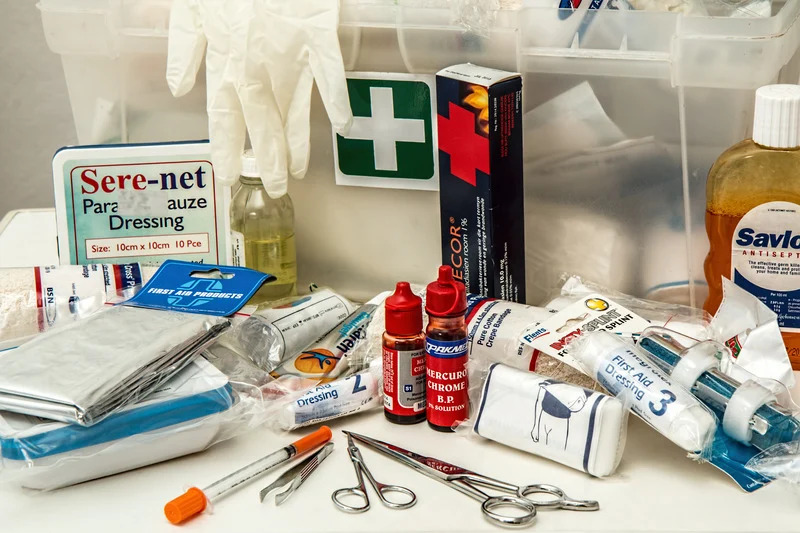
For Funnel-web/Mouse Spider Response:
Elasticated compression bandages (at least two or three)
Rigid splint or splinting materials
Marker pen for marking bite location and time
Clear instruction cards for the pressure immobilisation technique
For Redback Spider Response:
Cold packs or ice packs
Clean cloths for wrapping cold packs
Antiseptic solution
General Supplies:
Disposable gloves
Sterile gauze and adhesive dressings
Scissors, tweezers, and adhesive tape
Over-the-counter pain relief
Emergency contact numbers (000, 13 11 26)
Rather than assembling items yourself, many people find it easier to use purpose-built kits. If you're looking at options for your home, workplace, or school, professional first aid kits designed for Australian conditions include the specific supplies needed for different spider bites.
Myth: White-tailed spider bites cause flesh-eating ulcers.
Fact: A medical Journal of Australia study tracking 130 confirmed white tail spider bites found zero cases of necrotic ulcers. This myth has been thoroughly debunked. If you develop an ulcer after a suspected spider bite, it's more likely caused by an infection or underlying health condition that needs proper medical assessment.
Myth: Pressure immobilisation should be used for all venomous spider bites.
Fact: Pressure immobilisation is life-saving for funnel-web and mouse spider bites, but it actually makes redback bites worse. The technique works by slowing the lymphatic spread of fast-acting neurotoxic venom. Redback venom moves slowly and causes worse pain when trapped near nerve endings by a pressure bandage. Always match your first aid to the spider type.
Myth: All large, dark spiders are dangerous.
Fact: Huntsman spiders are large and intimidating, but rarely cause significant medical issues. Size and colour don't determine danger—a tiny redback is far more medically significant than a huge huntsman. Focus on specific features: glossy black body with robust fangs suggests danger, while a flat body and long legs usually mean harmless.
Myth: You should always try to catch the spider for identification.
Fact: Never delay first aid or risk additional bites trying to catch a spider. A photo from a safe distance is useful, but your safety and rapid treatment matter more. Hospital staff can often identify spiders from symptom patterns and venom traces on the bite site. Time spent chasing spiders is time wasted when someone needs treatment.
Myth: Spider bites are a common cause of death in Australia.
Fact: Since funnel-web antivenom was introduced in 1981, there have been no recorded deaths from funnel-web bites. Since redback antivenom became available in 1956, there have been no confirmed redback fatalities. With proper first aid and medical care, spider bites are survivable—but this doesn't mean they're not serious or shouldn't be treated urgently.
Myth: If there's no immediate pain, it wasn't a dangerous spider.
Fact: Some redback bites feel like nothing more than a pinprick initially, with severe pain developing gradually over 30-60 minutes. Similarly, some funnel-web bite victims report relatively mild initial pain before rapid symptom escalation. Never dismiss a bite based on initial sensation alone—watch for developing symptoms and seek advice if you're unsure.
Myth: Children and adults respond the same way to spider bites.
Fact: Children are at significantly higher risk of venomous spider bites because of their smaller body mass. The same amount of venom creates a much higher concentration in a child's system. Any confirmed or suspected funnel-web bite in a child is a critical emergency, and redback bites in children should always receive medical assessment, even if symptoms seem mild.
Living in Australia means sharing our environment with spiders, but they don’t have to be a source of fear. With the right knowledge and preparation, most bites can be managed safely.
The key takeaways:
Know which types of spiders are dangerous
Match your treatment to the threat
Have equipment immediately accessible
Use the Poisons Information Centre on 13 11 26 whenever you're unsure
For complete readiness, explore LFA First Response's range of snake and spider bite kits, all equipped for Australian conditions and trusted by workplaces, schools, and families.
Remember, the best time to prepare was yesterday. The second-best time is today.

Fainting is one of the most common medical incidents in Australian schools, workplaces, and public events. Most episodes pass quickly and cause no lasting harm, but knowing what to do when someone faints and acting on it fast is what determines how the situation plays out.
J
Jason Hitch
A first aid kit itself does not expire, but many of the medical supplies inside it do. Items like sterile dressings, antiseptics, medications, saline and gloves have manufacturer expiry dates that affect their safety and effectiveness. Regular inspections, timely replacement of expired items and proper storage are essential to keep the kit compliant, reliable and ready to use in an emergency.
J
Jason Hitch
Anaphylaxis can strike without warning and become life-threatening within minutes. Learn how to identify symptoms, administer adrenaline, call 000, and set up an anaphylaxis-ready first aid kit tailored for schools, workplaces, events, and remote areas. This guide walks you through prevention, emergency response, aftercare, and the essential gear every site should have.
J
Jason Hitch
In any school environment, accidents and medical incidents can happen without warning. Whether it’s a scraped knee on the playground, an allergic reaction in the lunchroom, or a sudden asthma attack during sport, having a well-stocked and compliant classroom first aid kit is essential.
J
Jason Hitch