J
Jason Hitch
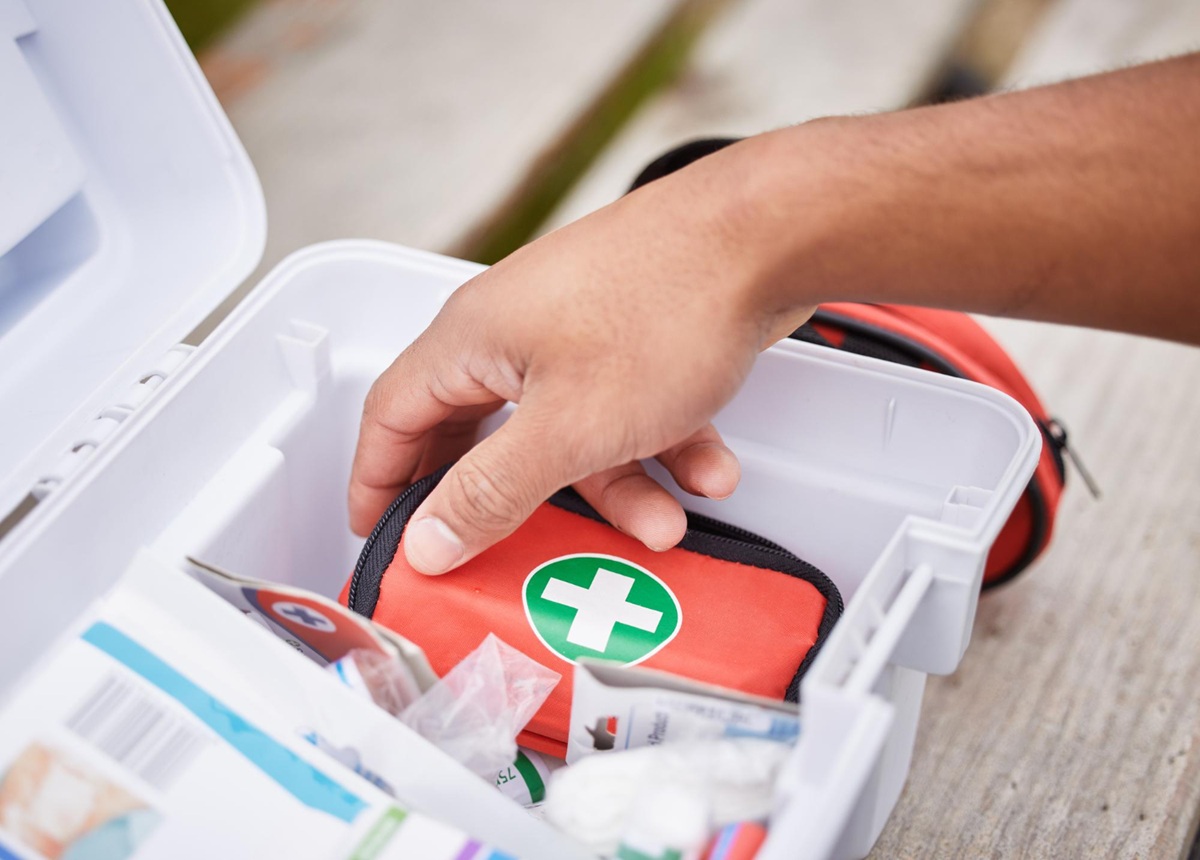
In any school environment, accidents and medical incidents can happen without warning. Whether it’s a scraped knee on the playground, an allergic reaction in the lunchroom, or a sudden asthma attack during sport, having a well-stocked and compliant classroom first aid kit is essential.
For school administrators, nurses, and teachers, being equipped for both everyday injuries and high-risk emergency situations is part of delivering a safe and supportive learning environment. Here’s what every classroom should have, and why.
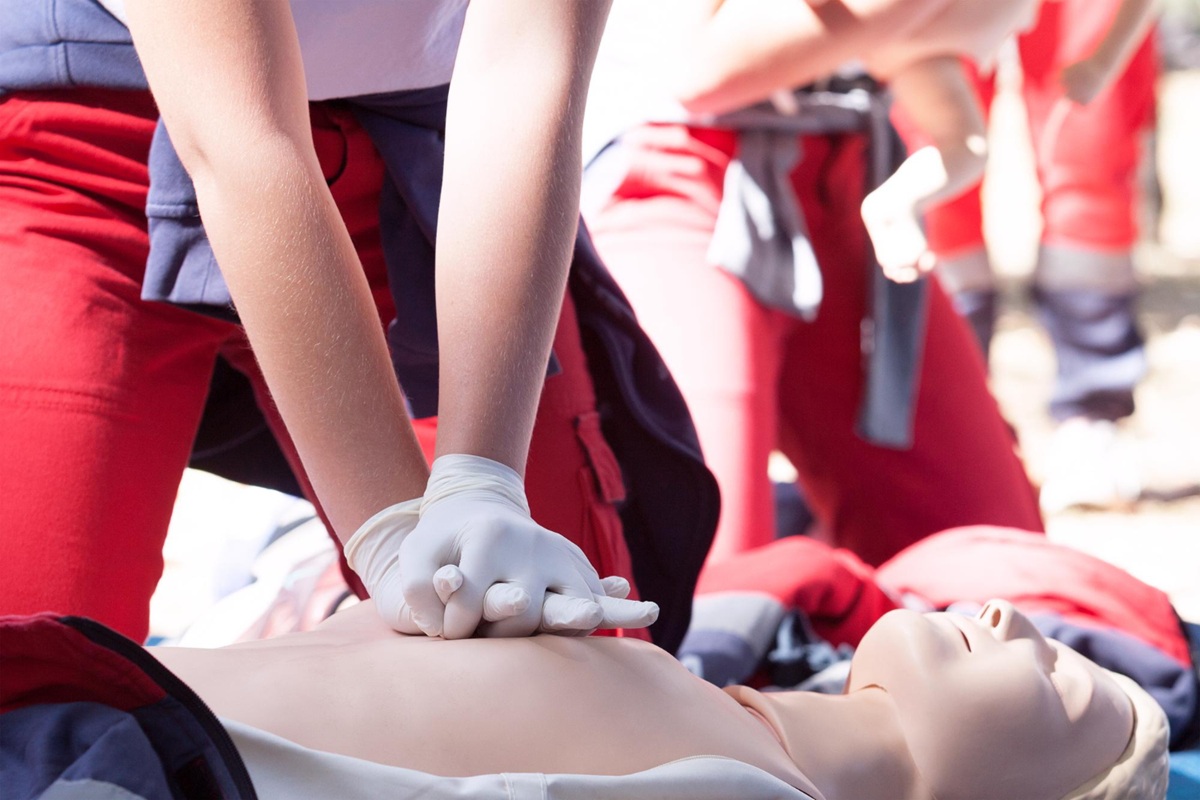
Children are active, unpredictable, and often unaware of their own limits. Minor incidents can escalate quickly without proper intervention. A readily available, fit-for-purpose first aid kit ensures that help is always nearby.
Beyond peace of mind, schools also have a duty of care to meet health and safety requirements, respond promptly to injuries, and be prepared for specific medical conditions present in the student population.
This is especially true in primary school settings, where younger students may not be able to clearly communicate symptoms or follow instructions during emergencies. Teachers and staff must be able to assess risk quickly, follow an action plan, and handle an emergency with confidence.
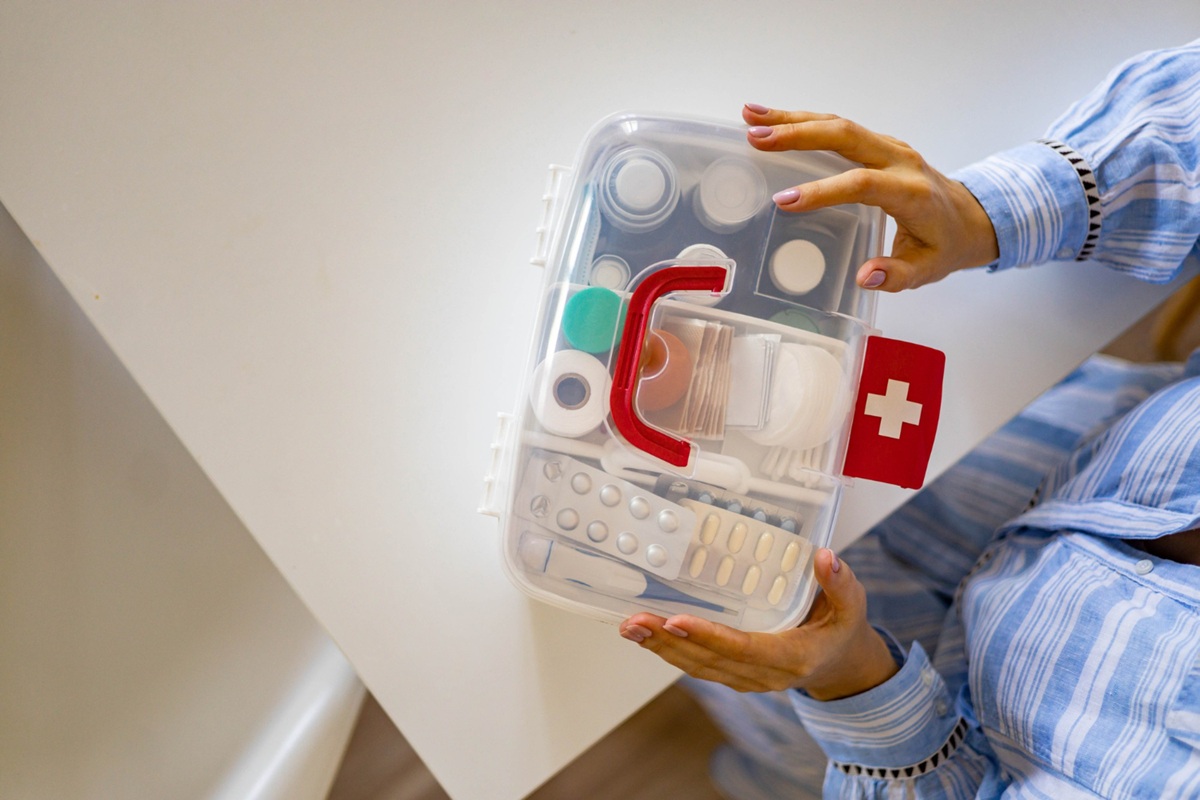
A reliable classroom first aid kit should cover the basics, like cleaning wounds, stopping bleeding, and supporting injuries, while also preparing for more serious issues such as asthma, anaphylaxis, or the need for emergency medication.
Here are the essentials:
A staple for any school kit, assorted adhesive plasters help cover minor cuts, scrapes, and blisters. Choose hypoallergenic options suitable for sensitive skin.
For deeper cuts or bleeding injuries, sterile gauze and non-stick wound pads are essential for controlling bleeding and preventing infection before further treatment.
Include both conforming and compression bandages for supporting sprains, securing wound dressings, or managing swelling.
Cleaning wounds before dressing them is critical in reducing infection risk. Ensure your kit includes alcohol-free antiseptic wipes or saline solution suitable for young skin.
To protect both the responder and the student, include nitrile gloves and a barrier mask for CPR. This is especially important when managing bleeding, vomiting, or respiratory distress.
Useful for removing splinters, trimming dressings, or cutting clothing if needed. Always choose medical-grade instruments.
Instant cold packs help manage swelling, sprains, or bruising, especially in playground or sports-related injuries.
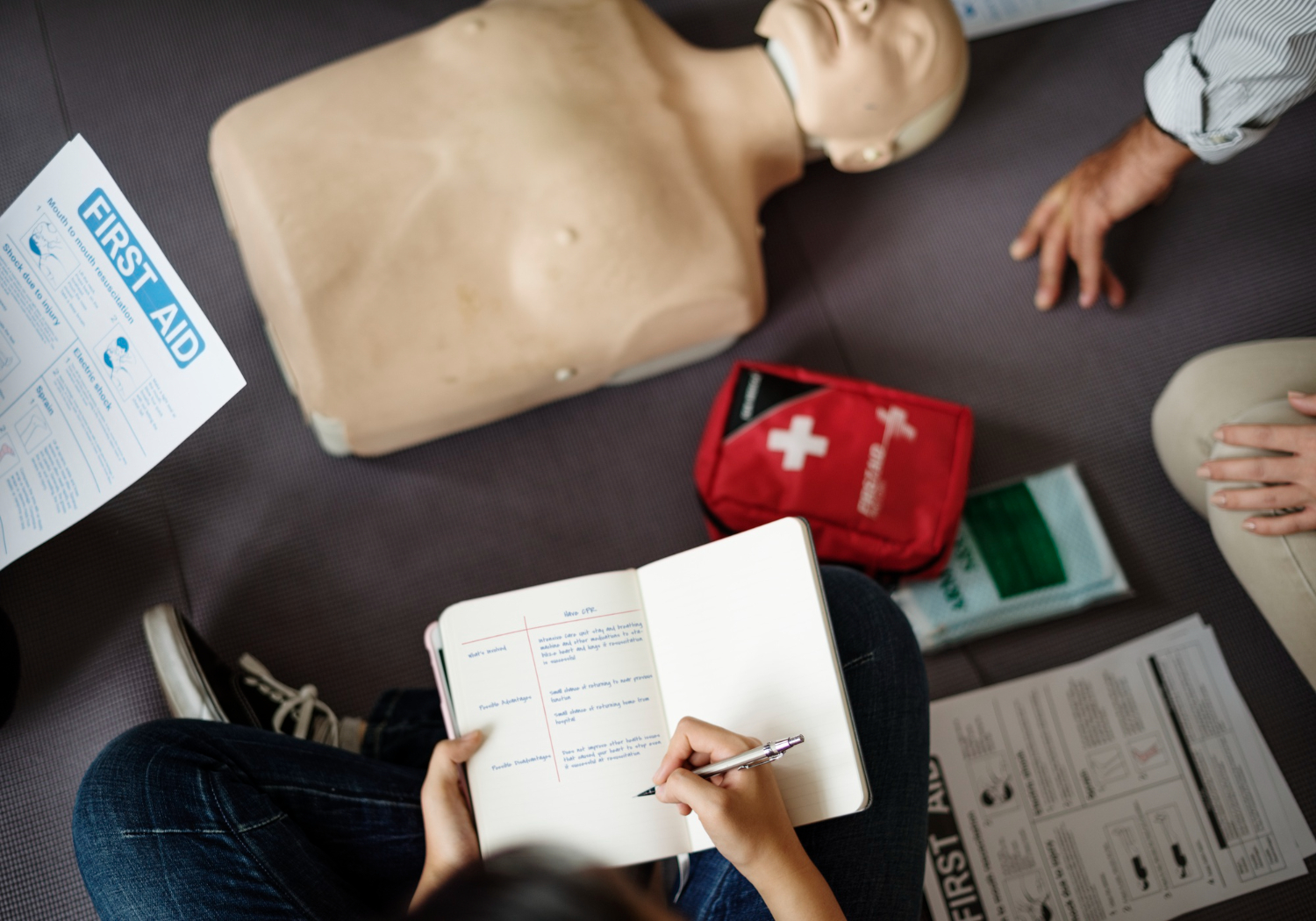
In many schools, first aid preparedness extends beyond bumps and bruises. These specialist items are critical to meeting the health needs of students and staff:
Anaphylactic reactions require immediate response. Every school should have an easily accessible, clearly marked EpiPen station in key areas, especially classrooms where food is consumed. Look for alarmed or wall-mounted units to prevent misuse and ensure rapid location in an emergency.
Asthma is one of the most common chronic conditions in children. A compact asthma kit, including a spacer and reliever medication (as per your policy), should be kept in every high-activity zone, including classrooms and gymnasiums.
While less frequent in general classrooms, incidents involving syringes, needles, or broken glass can occur. A sharps disposal kit ensures that hazardous materials can be dealt with safely and in accordance with public health guidelines.

Classroom kits are essential, but so are mobile solutions for off-site activities. Every school should have at least one excursion first aid kit, stocked for a variety of settings, including bushwalks, parks, and sporting events.
Excursion kits should also be prepared for incidents like snake bites, insect stings, or outdoor allergic reactions. Teachers should know when to call 000, apply a pressure immobilisation bandage, and maintain the recovery position while awaiting help.
Choose lightweight backpacks with secure compartments, and check kits before each trip to ensure contents are up to date.
To stay compliant and effective, first aid kits should be:
Clearly labelled and accessible in every classroom
Regularly inspected and restocked, especially after incidents
Tailored to student health plans, including allergies, asthma, or diabetes
Checked for expired items, especially creams, medications, and sterile dressings
Staff should also know exactly where the nearest kit is located and be confident in using its contents. Every teacher should be trained to perform CPR, use an EpiPen, and follow the correct recovery position for an unconscious but breathing student. First aid training and regular drills help ensure everyone is ready to respond and follow the appropriate action plan.

Every school environment comes with its own unique risks, from classroom bumps to playground accidents and emergency situations. Being prepared isn’t just about meeting compliance, it’s about protecting students, supporting staff, and responding with confidence when every second counts.
At LFA First Response, we understand the real-world needs of Australian schools. Our school first aid kits are thoughtfully designed to meet the daily demands of classrooms, sick bays, playgrounds, and excursions. Each kit is packed with practical, high-quality contents that help you respond quickly to everything from minor injuries to serious incidents.
We also offer dedicated solutions like the wall-mounted EpiPen station, portable asthma kits, mobile excursion first aid kits, and compliant sharps disposal kits. All products are backed by our commitment to fast dispatch, competitive pricing, and dependable support.
Whether you're updating your classroom supplies or outfitting an entire school, we’re here to help you choose the right gear to keep your students safe.
Shop school first aid kits or contact the team at LFA First Response for tailored recommendations and bulk supply solutions.
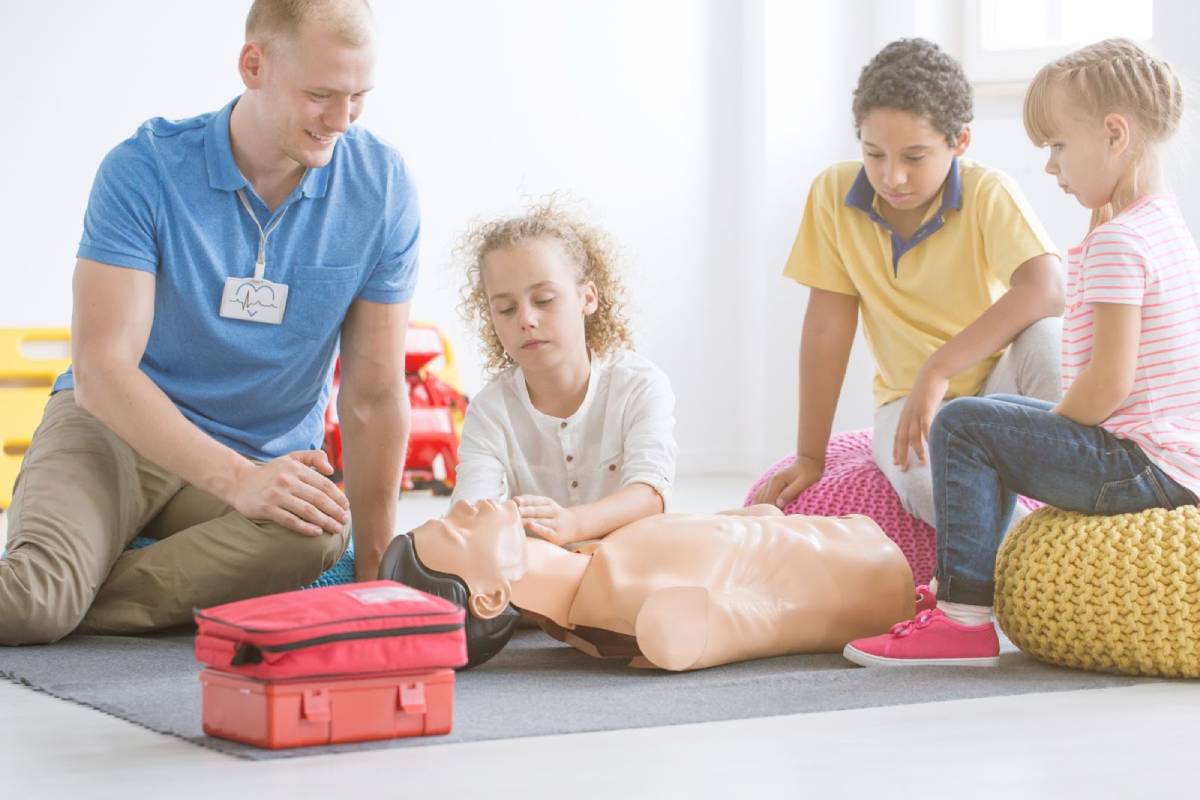
Excursions are a highlight of the school year. A break from routine, a chance to learn outside the classroom, and let’s be honest, a whole lot of fun. But with new environments come new risks. When you’re responsible for a group of kids, safety on school excursions isn’t optional. It’s your top priority.
J
Jason Hitch

School camps in Australia offer students unique opportunities for learning, exploration, and adventure. However, with our diverse landscape, wildlife, and climate, it's crucial for teachers and decision-makers at schools to prioritise safety and preparedness. This month’s blog aims to provide valuable information and guidance on essential first aid supplies for Australian school camps, ensuring the safety and well-being of students during outdoor excursions.
J
Jason Hitch
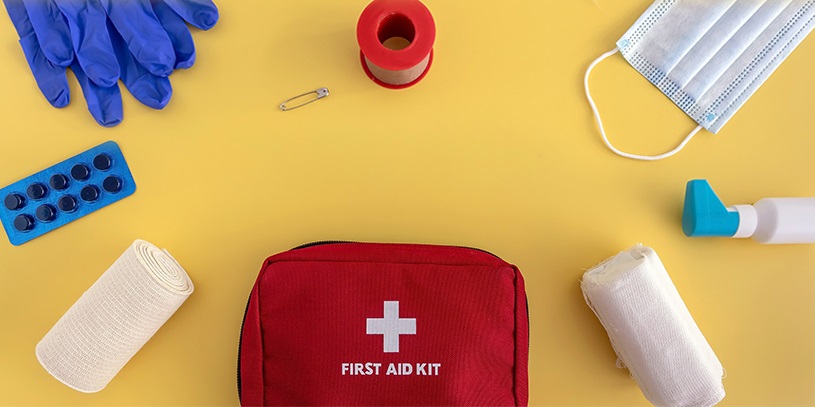
First aid policies are in place in schools to ensure that students can feel safe and well when unexpected circumstances arise. In compliance with legal obligations, schools must have the necessary first aid facilities and treatment available to all people at the school.
J
Jason Hitch

Fainting is one of the most common medical incidents in Australian schools, workplaces, and public events. Most episodes pass quickly and cause no lasting harm, but knowing what to do when someone faints and acting on it fast is what determines how the situation plays out.
J
Jason Hitch