J
Jason Hitch
Crush injuries are among the most serious workplace incidents, especially in high-risk environments like mines, construction sites, and industrial facilities. Whether caused by collapsing structures, heavy machinery, or vehicular accidents, crush injuries demand immediate and informed first aid.
In this blog, we’ll break down what a crush injury is, the dangers it presents, and the essential first aid steps to take before professional help arrives. This information is particularly useful for safety officers, school medical staff, remote area responders, and anyone working in emergency preparedness.
A crush injury occurs when a body part is subjected to high pressure, usually from a heavy object or compression between two hard surfaces. The force can damage skin, muscles, bones, blood vessels, and organs. Common crush injury scenarios include:
Mining cave-ins
Forklift or machinery accidents
Building collapses
Heavy objects falling in workplaces or schools
Car accidents
When pressure is applied over time, muscle cells begin to break down, releasing toxins into the bloodstream. The severity ranges from mild bruising to life-threatening trauma, often accompanied by bleeding, fractures, compartment syndrome, or crush syndrome.

Crush syndrome is a critical complication that can develop when a compressed limb is suddenly released. During the compression, muscle cells break down and release substances like potassium and myoglobin. When these flood the system too quickly after release, they can trigger acute kidney injury, cardiac arrest, or systemic shock. In many cases, the sudden influx of waste products can also lead to metabolic acidosis, where the body becomes dangerously acidic, further compromising organ function.
This is why careful management of crush injury is vital, especially when the victim has been trapped for more than 15 minutes. Improper handling can worsen outcomes, so first responders must be trained and equipped for this type of emergency.
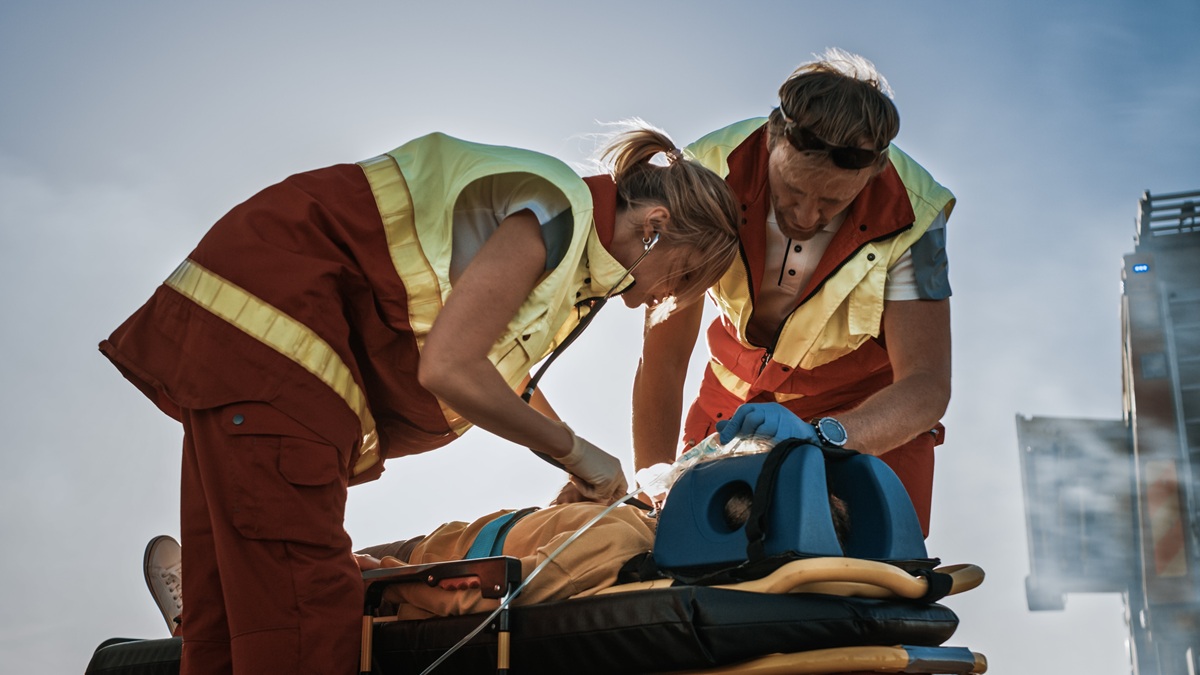
Before rushing in, assess the surroundings. If there’s ongoing risk from unstable structures, heavy machinery, or hazardous materials, do not approach until it’s safe or professional responders have secured the area. Your safety is the first priority and essential for maintaining health and safety protocols.
Call an ambulance (triple zero - 000) immediately. Clearly describe the situation, including the type of injury, the duration of the person's entrapment, and whether any body parts remain under pressure. Early communication ensures the right emergency response is on its way.
If the victim has been trapped for over 15 minutes, do not attempt to lift or remove the object unless instructed by medical professionals. Sudden release can trigger crush syndrome, causing a surge of toxins that may lead to acute kidney injury, cardiac arrest, or systemic shock. Continue to monitor the person and wait for paramedics trained in advanced trauma care.
If it’s safe to be near the victim, offer reassurance. Keep them warm using a blanket or clothing, and encourage them to stay as still as possible. Monitor breathing, consciousness, and responsiveness. If they become unresponsive and you are trained, begin CPR.
If there’s severe bleeding and you can access the injury without removing the crushing object, apply pressure using sterile dressings or a trauma pad. Avoid applying a tourniquet unless you’re trained in its use or guided by emergency services.
Remain with the person, provide updates to emergency responders, and follow any instructions given over the phone. Once paramedics arrive, hand over all details clearly, including how long the person was trapped and any changes in condition. Emergency teams may need to initiate advanced life support measures on arrival, especially if the victim shows signs of shock, cardiac arrest, or systemic complications from crush syndrome.
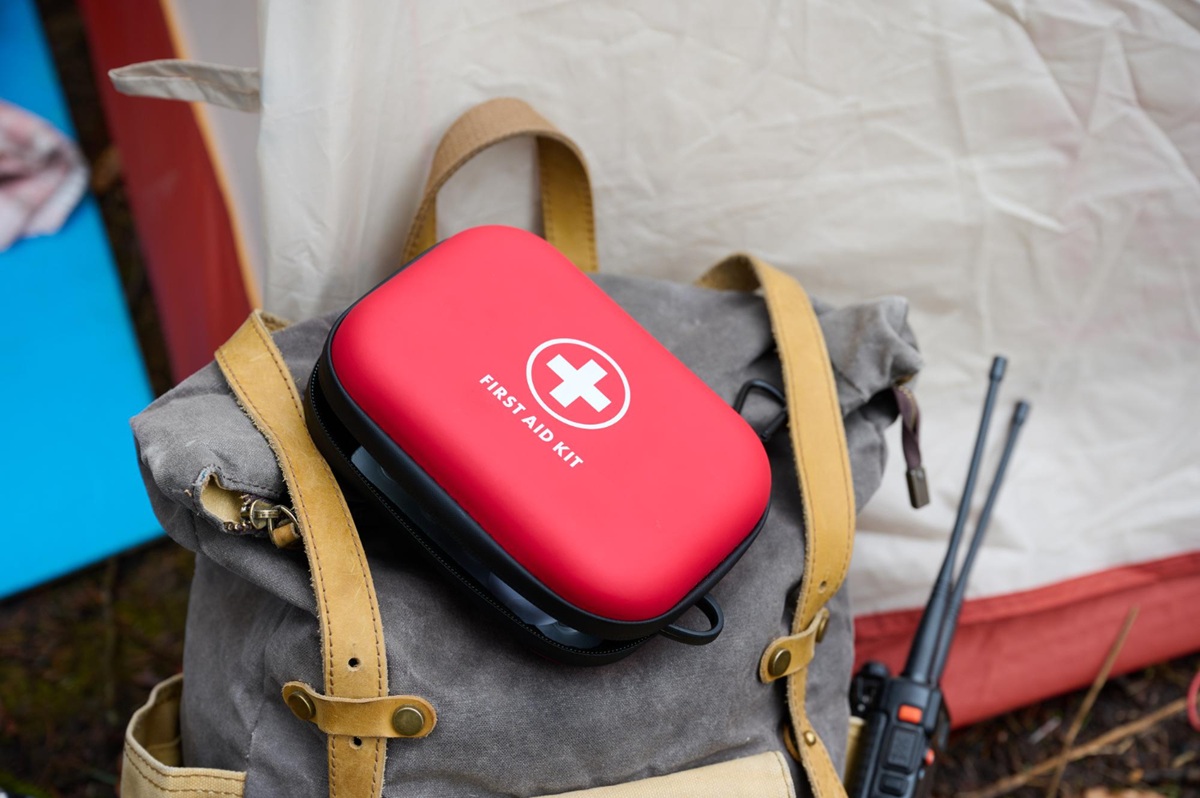
Whether you're managing safety on a mine site or in a remote outback facility, having the right first aid supplies on hand is critical. For crush injury response, ensure your first aid kit includes:
Heavy-duty trauma dressings
Compression bandages
Emergency blankets
Instant cold packs
Tourniquets (if applicable and trained for use)
Splints or supports for stabilisation
A communication tool or emergency radio in remote areas
Specialised trauma kits for industrial, mining, or remote use should be routinely inspected and updated for readiness. This helps reduce the risk of complications during a response.
Crush injuries don’t just happen on mining sites. They’re a risk in schools (playground accidents, falling equipment), council-managed areas (tree or structure collapse), remote locations (fallen rocks or animal trampling), and at community events with large equipment or crowds.
Key groups that must plan for this scenario include:
Mining safety officers who are ensuring OH&S compliance on-site
School medical officers who are managing playground and sports injuries
Remote area rangers and field staff with limited emergency access
Local government event coordinators who are preparing for public incidents
Corporate facility managers who are overseeing warehouse or construction areas
Preparedness means both having the correct gear and the right aid training. Organisations should ensure staff complete regular first aid courses relevant to their work environment, whether that’s a mine site, school, or remote field post. Proper training helps teams act quickly, confidently, and in line with current health and safety standards.
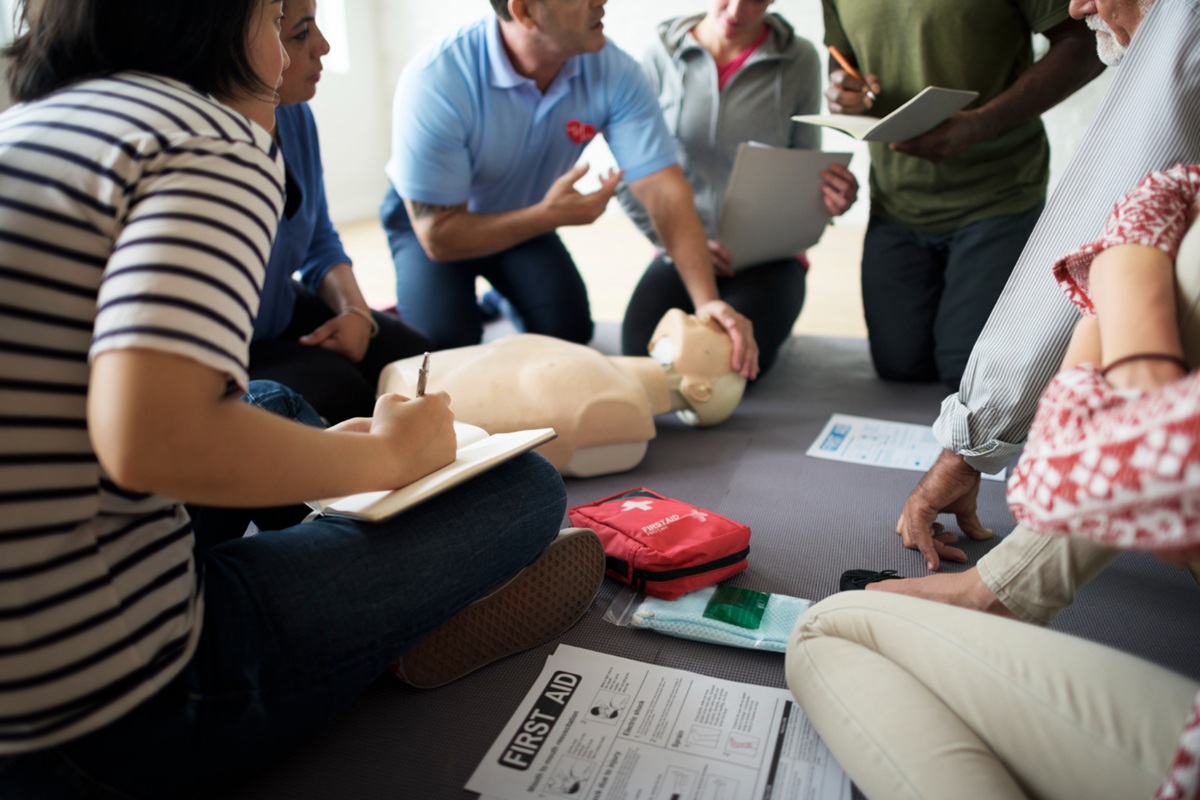
A well-trained team, supported by compliant first aid kits and reliable medical supplies, is your best defence against the life-threatening outcomes of crush injuries. Acting quickly, staying calm, and understanding when not to move a patient are all part of an effective emergency response.
LFA First Response supplies fit-for-purpose trauma kits, industrial first aid stations, and remote response packs built for real-world environments—because in crush injuries, every minute and every decision counts.

Fainting is one of the most common medical incidents in Australian schools, workplaces, and public events. Most episodes pass quickly and cause no lasting harm, but knowing what to do when someone faints and acting on it fast is what determines how the situation plays out.
J
Jason Hitch
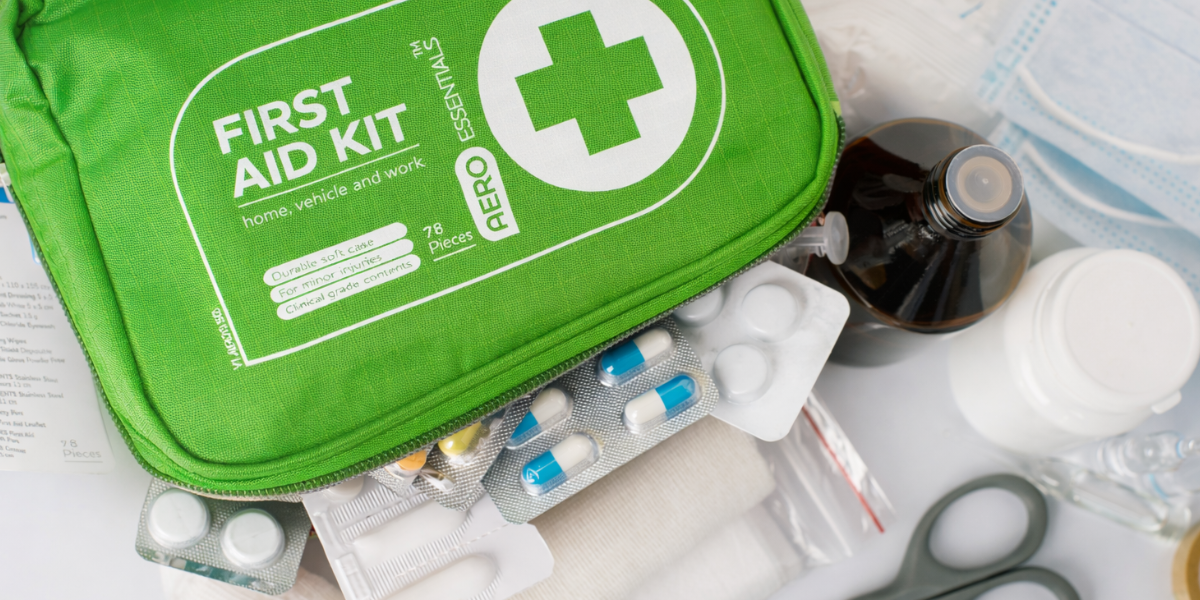
A first aid kit itself does not expire, but many of the medical supplies inside it do. Items like sterile dressings, antiseptics, medications, saline and gloves have manufacturer expiry dates that affect their safety and effectiveness. Regular inspections, timely replacement of expired items and proper storage are essential to keep the kit compliant, reliable and ready to use in an emergency.
J
Jason Hitch

Australia is home to thousands of spider species, but only a few can cause serious harm. This guide explains how to recognise dangerous spider bites, what symptoms to watch for, and the correct first-aid techniques for funnel-web, redback, and white-tailed spiders. With clear steps on when to call 000, how to apply pressure immobilisation, and how to treat low-risk bites at home, it empowers you to respond calmly and effectively. You’ll also learn simple prevention tips, what to keep in you
J
Jason Hitch

Anaphylaxis can strike without warning and become life-threatening within minutes. Learn how to identify symptoms, administer adrenaline, call 000, and set up an anaphylaxis-ready first aid kit tailored for schools, workplaces, events, and remote areas. This guide walks you through prevention, emergency response, aftercare, and the essential gear every site should have.
J
Jason Hitch