J
Jason Hitch
A student who suddenly loses the ability to focus on a simple task. A quiet teenager who becomes uncharacteristically irritable or argumentative. A child who repeatedly asks to leave the room for water or the bathroom, far beyond their usual routine.
In the fast-paced environment of an Australian school, these moments are often dismissed as part of the daily ebb and flow. We attribute them to a missed breakfast, a poor night’s sleep, or the simple restlessness of a long afternoon.
For students living with diabetes, these subtle behavioural shifts are rarely just a distraction. They are often the first physiological warning signs of a diabetic emergency.
Things can go sideways fast. Without early recognition and swift intervention, these symptoms can escalate from mild disorientation to a life-threatening medical crisis. Understanding the nuance of these signs is not just a clinical skill: it is a fundamental part of your student duty of care.
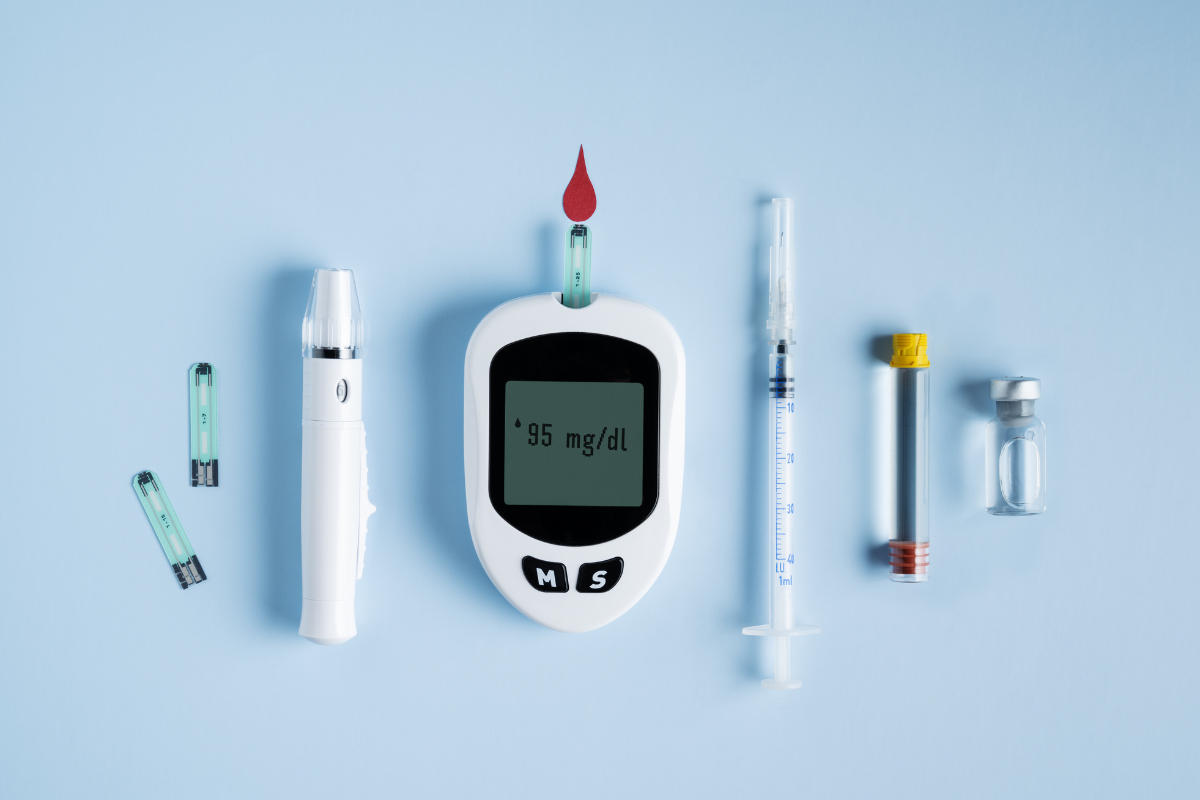
A diabetic emergency occurs when blood sugar levels become too low (hypoglycaemia) or too high (hyperglycaemia), and both can escalate if not recognised early.
Early signs are often subtle and behavioural, including changes in focus, mood, or energy levels that may be mistaken for normal classroom behaviour.
Low blood sugar can develop quickly over minutes, while high blood sugar may build more gradually but still lead to serious complications.
If a student appears out of character, it’s important to take it seriously and monitor closely rather than waiting for symptoms to pass.
In a suspected diabetic emergency, staff should stay with the student, follow school procedures, and escalate early if unsure.
Schools reduce risk by ensuring staff awareness, clear emergency procedures, and accessible, well-maintained first aid kits with appropriate supplies.
To respond effectively, staff must understand what is happening internally. The body requires glucose (sugar) for energy, and insulin acts as the key that allows that sugar to enter the cells. In a student with diabetes, this system is disrupted.
This is often the most acute concern in a classroom. It occurs when there is too much insulin and not enough glucose in the bloodstream. This can be caused by a student skipping a snack, exercising more than usual, or taking too much insulin.
The brain relies almost exclusively on glucose to function, so the first symptoms are often neurological: confusion, irritability, and loss of motor skills.
This occurs when there is too little insulin or the body cannot use it effectively. This typically develops more slowly than a ‘hypo,’ but it is just as dangerous. If left untreated, the body begins to break down fat for energy, which produces toxic acids called ketones.
In a school setting, this might manifest as extreme thirst or frequent bathroom visits as the body desperately tries to flush the excess sugar out through the urine.
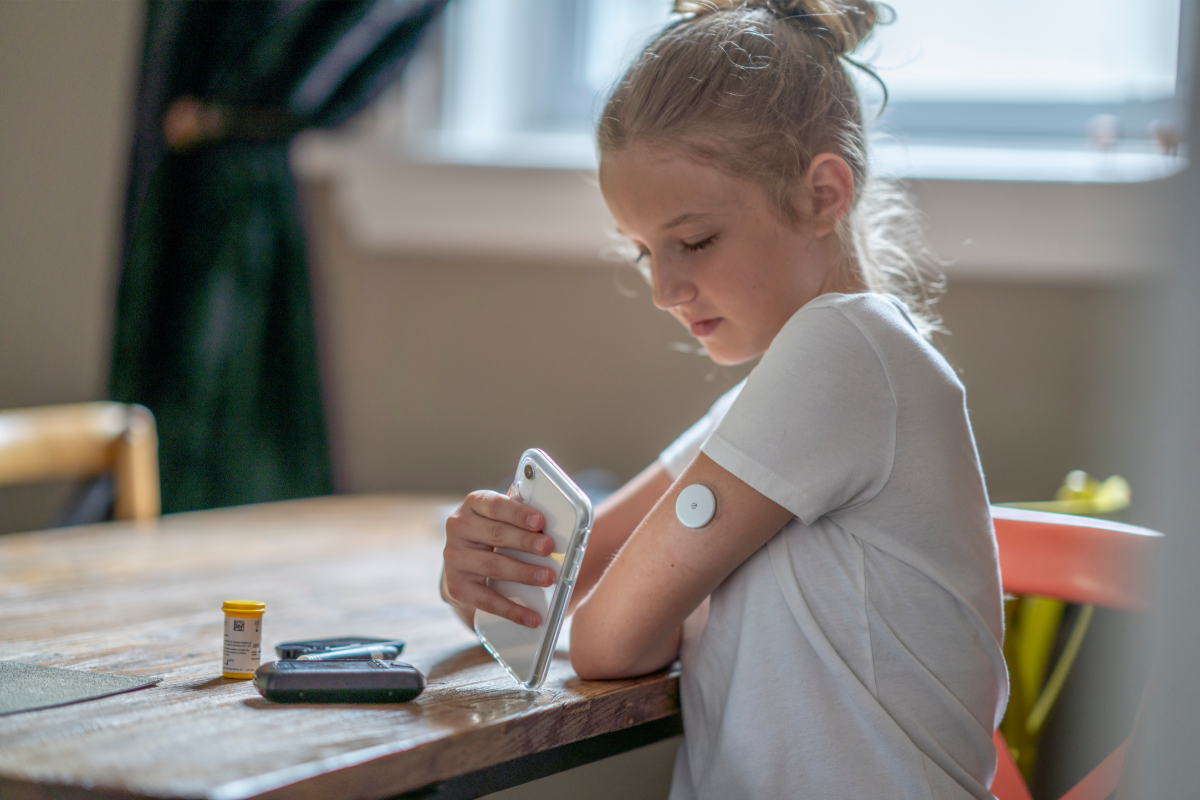
The difficulty for educators is that a student may not always realise they are ‘going low’ or ‘going high.’ These signs are often mistaken for minor illnesses. The following breakdown categorises symptoms by their medical type while highlighting how they specifically manifest during the school day.
Because ‘hypos’ develop quickly, staff must be able to spot the rapid onset of these symptoms:
Physical instability: Shaking, trembling hands, or a sudden lack of coordination (for example, suddenly dropping a pen or struggling to use scissors).
Autonomic responses: Excessive sweating even in mild conditions, pale skin, or complaints of a ‘racing heart.’
Cognitive decline: The student may seem ‘foggy.’ They might stare blankly at a page or be unable to complete a simple task they would normally manage.
Emotional volatility: Sudden crying, unexplained anger, or unusual behaviour that feels forced or out of character.
Physical complaints: Frequent mentions of hunger, ‘butterflies’ in the stomach, or a sudden headache and dizziness.
‘Hypers' are the slow burners of diabetic emergencies. They are easier to miss because the student may simply seem tired or disengaged:
The thirst and toilet cycle: A student who keeps filling their water bottle and asking to use the bathroom every 20 minutes is showing classic signs.
Lethargy: A hyper student may appear unusually quiet, sluggish, and disengaged from activities.
Visual disturbance: Complaints of blurred vision or difficulty reading the whiteboard.
Oral signs: The student may have dry or flushed skin or ‘fruity’ smelling breath.
In some cases, symptoms can progress quickly and require urgent medical attention. If the following signs are present, the situation must be treated as a medical emergency:
Slurred speech: Often mistaken for intoxication or a stroke.
Severe confusion: Inability to communicate clearly or recognise friends and teachers.
Loss of coordination: Stumbling or inability to stand.
Seizures or tremors: Convulsions resulting from the brain being deprived of glucose.
Loss of consciousness: The student becomes unresponsive.

In a classroom or playground, a diabetic emergency does not always present as a clear medical issue. It often shows up as behaviour that feels slightly out of character for the student.
A diabetic emergency is often a thief of concentration. You may notice a student who is usually a high achiever suddenly struggling with basic instructions. They may ‘zone out’ and appear to daydream, but they will fail to snap back when their name is called. This distraction is actually a sign that the brain is struggling to process information due to a glucose imbalance.
Recess and lunch are high-risk times because of the physical exertion involved in play. A student may become uncharacteristically aggressive during a game or may burst into tears over a minor disagreement. While this is often handled as a behavioural issue, staff should always consider if the behaviour is linked to changes in blood sugar levels.
Exercise increases the body's uptake of glucose, which means symptoms may appear more quickly during physical activity. A student who was perfectly fine in the previous lesson may crash during PE. Watch for students who suddenly stop participating, sit on the sidelines looking pale, or appear unusually fatigued compared to their peers.
Older students may try to manage how they feel without drawing attention. This may appear as repeated requests to go to the bathroom, asking for water more often than usual, or quietly withdrawing from activities. It is vital to create a classroom culture where ‘checking in’ is normalised so students feel safe disclosing when they feel ‘off.’
In the legal and ethical framework of Australian schooling, ‘Duty of Care’ requires staff to take reasonable steps to protect students from foreseeable harm. A diabetic emergency is highly foreseeable once a diagnosis is known.
The danger lies in the window of opportunity. In the early stages of low blood sugar, the student can often treat themselves by eating a few glucose tablets or drinking a juice box. If the teacher waits 15 minutes to see if it passes, the student’s confusion may become so severe that they can no longer swallow safely. This creates a high-risk situation that may require an injection of glucagon or an ambulance call-out.
Early recognition is only effective if it is paired with a consistent response. If the English teacher recognises the sign but the Art teacher does not, the student is at risk. This highlights the need for whole-school training and standardised first aid kits in every department. From a duty of care perspective, recognising when something is not right and acting on it is a critical part of maintaining a safe school environment.
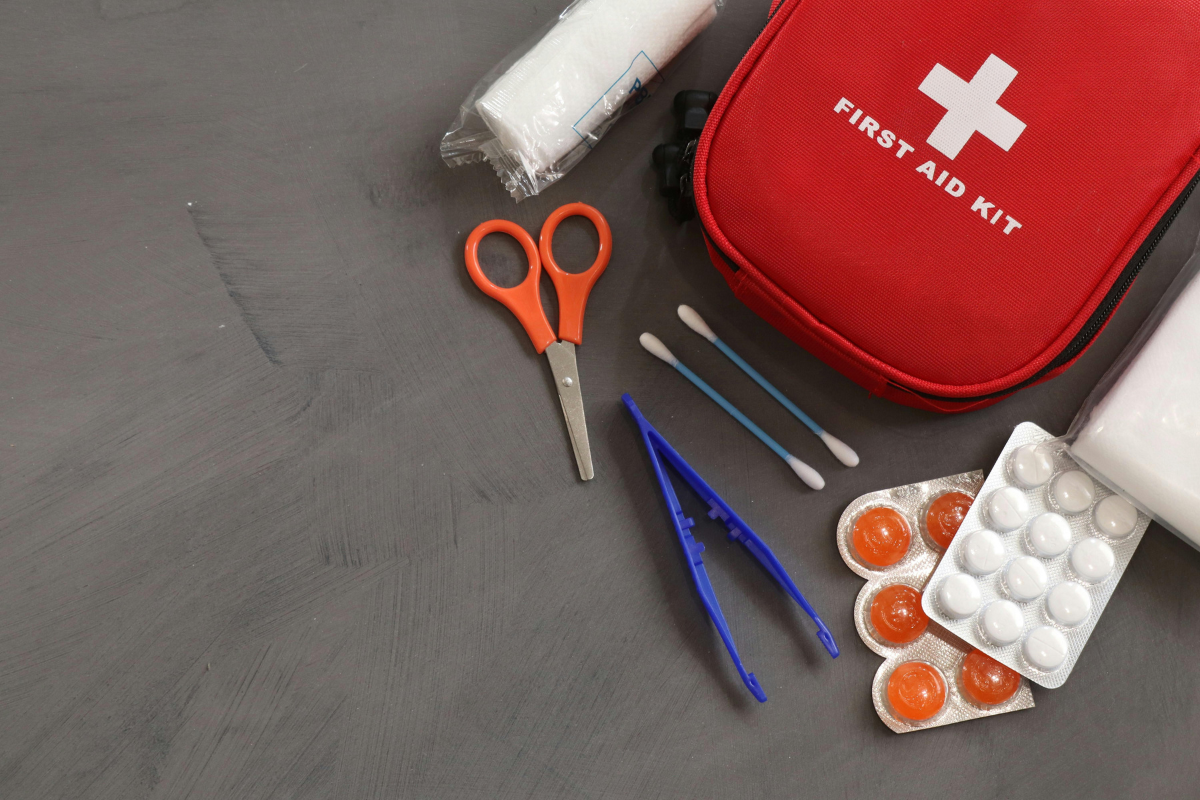
If you suspect a student is experiencing a diabetic emergency, the priority is to respond calmly and involve appropriate support.
Stop and stay: Do not send the student to the office or anywhere else without supervision. If they are having a hypo, they could collapse in the hallway. Stay with them and delegate another student to fetch the first aid officer.
Check the plan: Every student with diabetes should have an Individual Management Plan. This plan should guide the response and specify their target range and what snacks they need.
Treat the hypo first: If you are unsure if the blood sugar is high or low, and the student is conscious, the general first aid rule is to treat for low blood sugar. A small amount of sugar will help a hypo and is unlikely to significantly worsen a hyper in the short term.
Monitor the recovery: After consuming fast-acting sugar (like glucose jellybeans or juice), the student should show improvement within 10 to 15 minutes. If they do not improve or if they worsen, escalate to emergency services.
Document and communicate: Once the student is stable, the incident must be recorded. Parents and guardians must be notified as per school policy.
Some situations require immediate medical assistance.
Call 000 if the student:
Becomes unconscious or unresponsive
Has a seizure
Shows signs of confusion or is unable to communicate clearly
Does not improve, or their condition worsens
You are unsure how serious the situation is
While waiting for emergency services, stay with the student and follow your school’s emergency procedures. Acting early is always the safer option when there is uncertainty.
Preparation is the bridge between a close call and a tragedy. Delays often come down to uncertainty: who to call, where equipment is located, or whether the right supplies are available. When processes and resources are clear, staff can act quickly and with confidence.
To eliminate these hurdles, first aid kits should be:
Uniform: Every kit across the school should look the same and contain the same essential glucose sources.
Accessible: Kits should be placed in high-risk areas like Science labs, PE sheds, and kitchens. Well-stocked kits across classrooms and portable settings help reduce delays when time matters.
Maintained: A dedicated staff member should audit kits monthly to ensure glucose tablets, gels, and snacks are within their expiry dates. Standardised kits and structured restocking ensure equipment is available when it is needed, not after the fact.
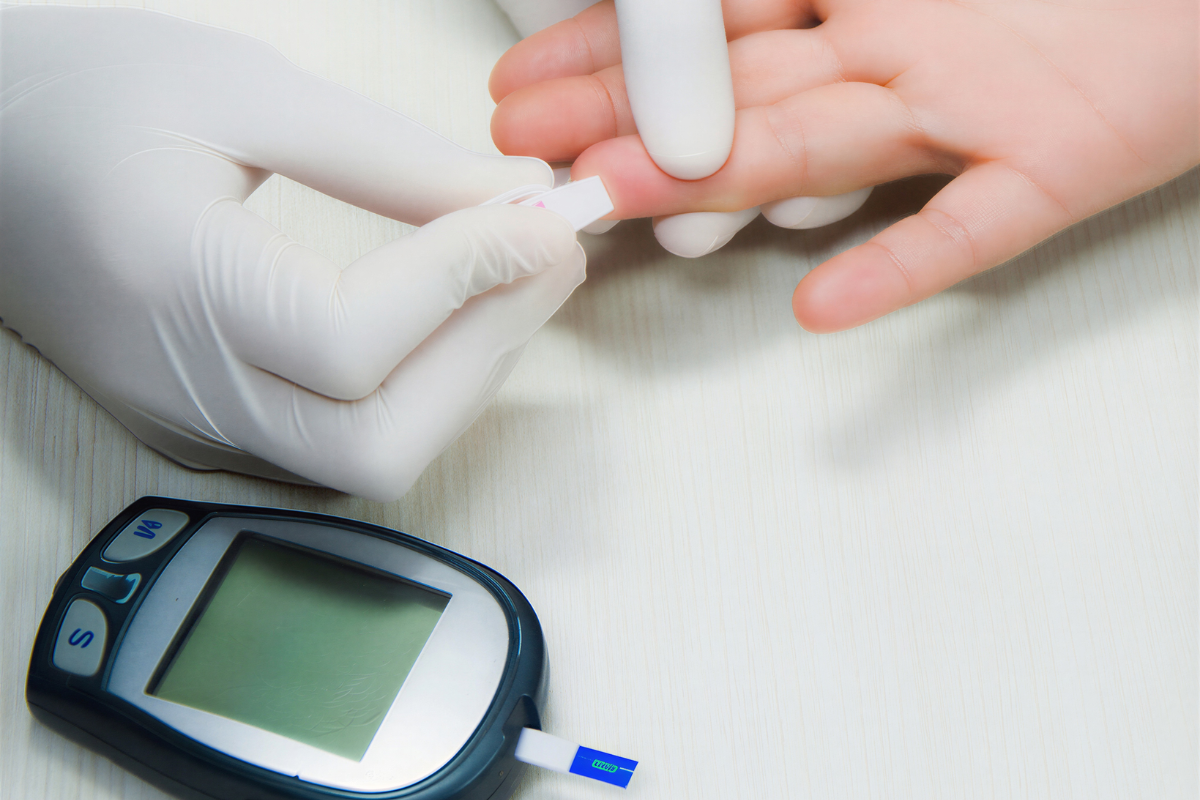
At LFA First Response, we understand that school staff are educators first and paramedics second. Our goal is to provide the tools that make the medical side of the job as simple as possible. We provide Australian schools with:
Compliant first aid kits: Designed specifically for school environments.
Specialised refills: Ensuring you never run out of fast-acting glucose or essential supplies.
Bulk solutions: Helping large campuses maintain consistency across dozens of classrooms.
A diabetic emergency is not the time to find out your first aid kit is empty, or your procedures are outdated. We encourage all school administrators to conduct a Diabetes Readiness Audit this term. Review your Individual Management Plans, check your kit locations, and ensure your supplies are fresh.
Browse our range of school-ready first aid kits or contact our team for a tailored school audit and bulk pricing.
Yes. In some cases, a diabetic emergency may be the first indication that a student has diabetes. Symptoms—particularly of high blood sugar—can go unrecognised until they become more serious.
If a student shows signs consistent with a diabetic emergency, it’s important to respond based on what you’re observing, not whether a diagnosis is known.
They can be. Changes in routine—such as before recess or lunch, after physical activity, or during long periods without food—can increase the likelihood of blood sugar fluctuations.
Excursions, sports days, and exams can also introduce additional physical or emotional stress, which may affect how a student’s body manages blood glucose levels.
While not every classroom may require a full kit, staff should always have quick access to one nearby.
For larger campuses, having multiple kits distributed across buildings and shared spaces helps reduce response time and ensures coverage during busy periods or when students are spread across different areas.
In a suspected low blood sugar event, access to fast-acting glucose can support early intervention.
Delays in locating appropriate supplies can slow response time, particularly in larger school environments. Keeping glucose sources within first aid kits or known locations helps ensure a quicker, more effective response.
Any used items should be replaced as soon as possible. Delaying restocking can leave the kit incomplete for the next incident. Having a clear process for reporting usage and triggering restocking helps maintain readiness across all kits.
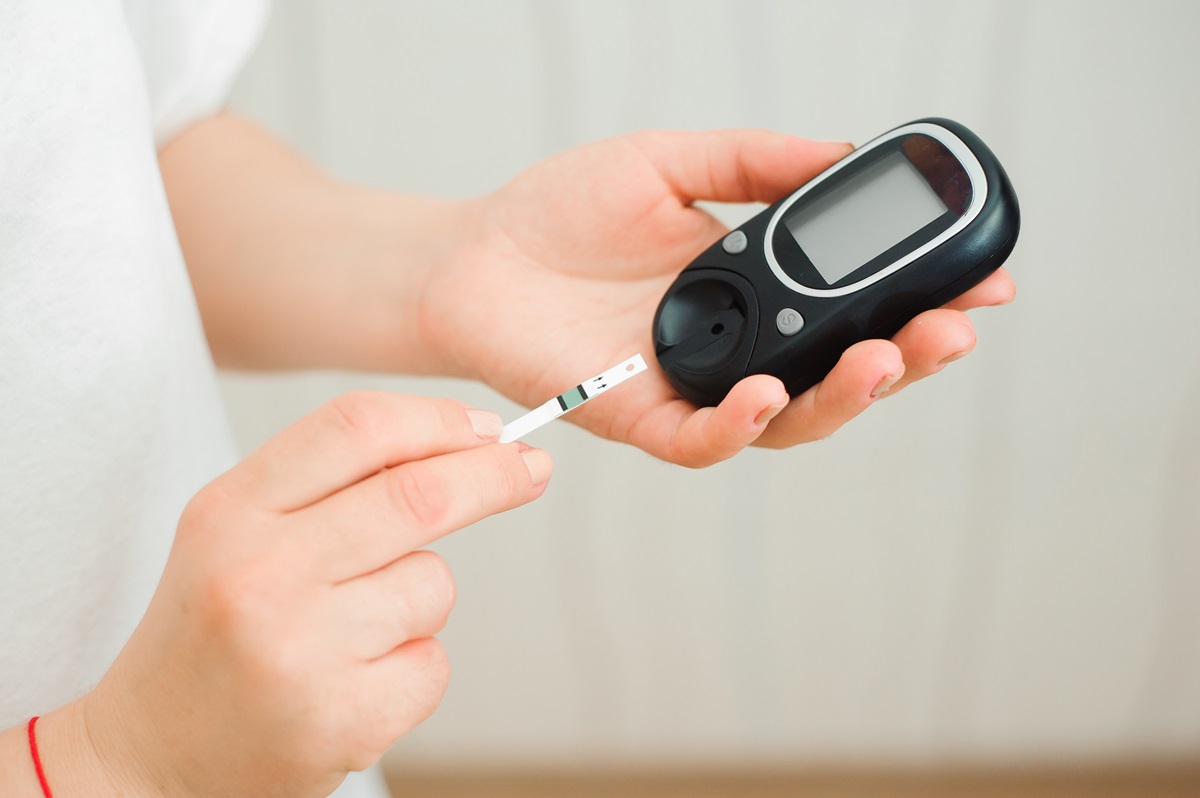
In a world where health awareness is more vital than ever, understanding chronic conditions like Type 1 diabetes becomes imperative. This blog aims to clarify the complexities of Type 1 diabetes, distinguishing it from Type 2 diabetes, and encouraging our readers to rally behind the impactful Jump to Cure Diabetes initiative in 2024.
J
Jason Hitch
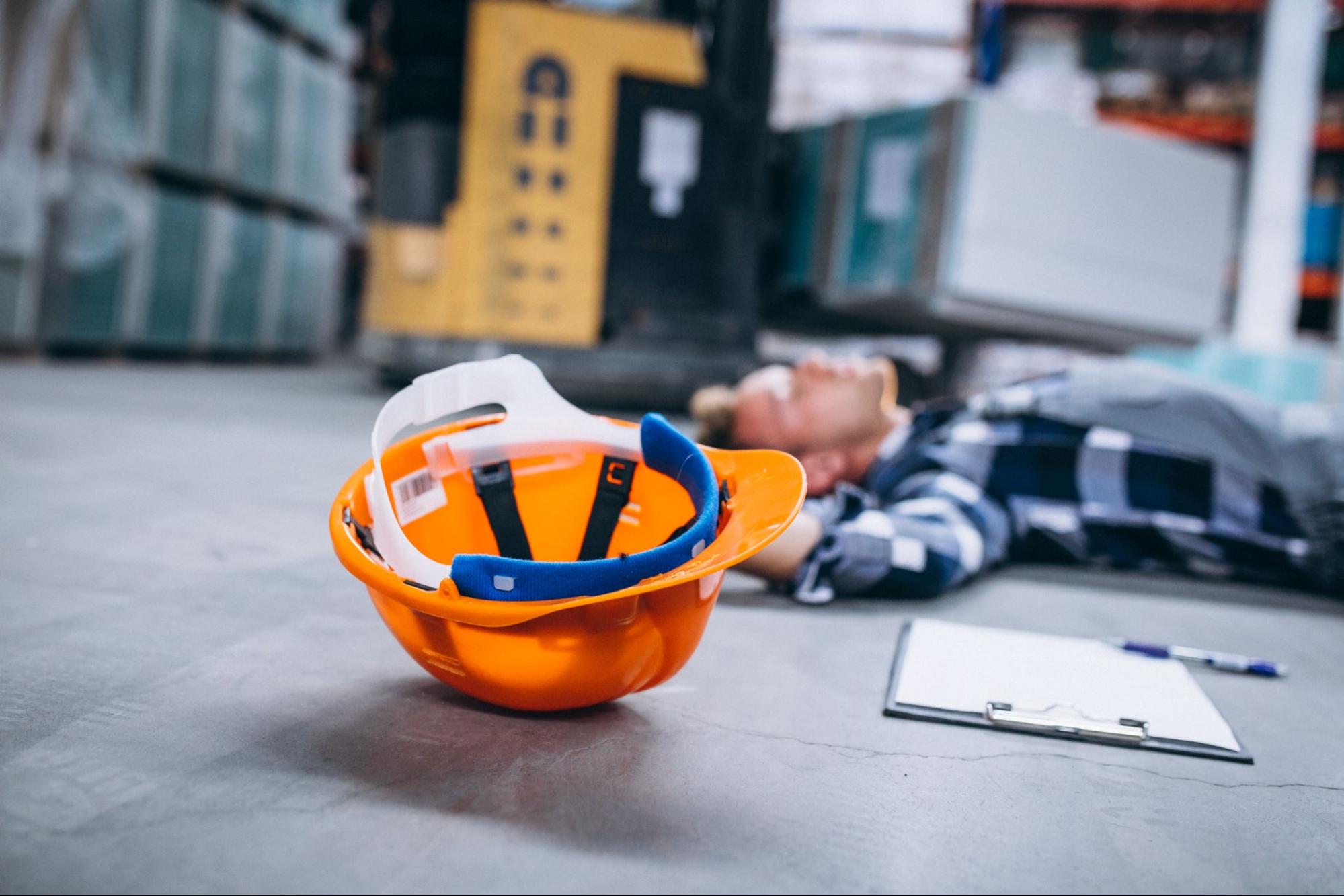
Get first aid for construction right with LFA First Response. Learn about first aiders, kits, placement and compliance for Australian worksites.
J
Jason Hitch

Get first aid for construction right with LFA First Response. Learn about first aiders, kits, placement and compliance for Australian worksites.
J
Jason Hitch

When someone is seriously hurt at work, the minutes before an ambulance arrives are the ones that matter most. On a busy warehouse floor, a remote mine site or a large campus, that early care has to happen somewhere clean, private and set up for the job. That somewhere is a first aid room.
J
Jason Hitch