J
Jason Hitch
When someone is seriously hurt at work, the minutes before an ambulance arrives are the ones that matter most. On a busy warehouse floor, a remote mine site or a large campus, that early care has to happen somewhere clean, private and set up for the job. That somewhere is a first aid room.
For many Australian workplaces, a dedicated room is part of meeting the duty of care they owe their people under work health and safety law. The first aid room requirements aren't a fixed checklist that applies to every business, though. They flow from a risk assessment, the size of your workforce and the kind of hazards your team faces day to day.
Here's how to work out what your workplace actually needs, and how to make sure the room earns its place.
A first aid room isn't mandatory for every workplace. Your risk assessment decides whether you need one.
As a guide, the model Code recommends a room for low-risk sites with 200 or more workers, and high-risk sites with 100 or more workers.
A compliant room needs the right equipment, around 14 square metres of space, a one-metre-wide door, privacy, clear signage and easy access to water.
A first aid area, a first aid room or a staffed health centre: match the level to your risk.
The PCBU holds the legal duty, and a trained first aider should maintain the room. Always check your state regulator for local rules.

There's no rule that every Australian workplace must have a first aid room. What the law expects is that you provide workplace first aid facilities suited to your site, and you work that out through a risk assessment. The Model Code of Practice: First aid in the workplace, published by Safe Work Australia and adopted by most states and territories, is the reference point most employers use.
As a general guide, the Code recommends a dedicated room for:
Low-risk workplaces with 200 or more workers
High-risk workplaces with 100 or more workers.
Those worker numbers are only a starting point. A smaller high-risk site can still need a room when:
Serious injuries are a genuine possibility
You're a long way from emergency services
Getting an injured person the care they need would be difficult without one.
A remote mine site 40 minutes from the nearest hospital sits in a very different position to a suburban office of the same size, and a local council running a busy depot and public events has different needs again. The assessment sizes the facility to the real risk on site.
The decision to provide a first aid room should form part of your workplace first aid risk assessment. Rather than relying on workforce numbers alone, consider the specific risks and practical needs of your workplace.
Your assessment should take into account factors such as:
The number of workers and other people on site
The types of work being carried out and the likelihood of serious injury or illness
Hazardous equipment, chemicals or high-risk activities
How quickly emergency medical services can reach your workplace
Whether employees work alone, across multiple buildings or at remote locations
Shift work, after-hours operations and public access to the site
Where these factors increase the likelihood or impact of a workplace emergency, a dedicated first aid room may be the most appropriate way to provide timely care until emergency services arrive.
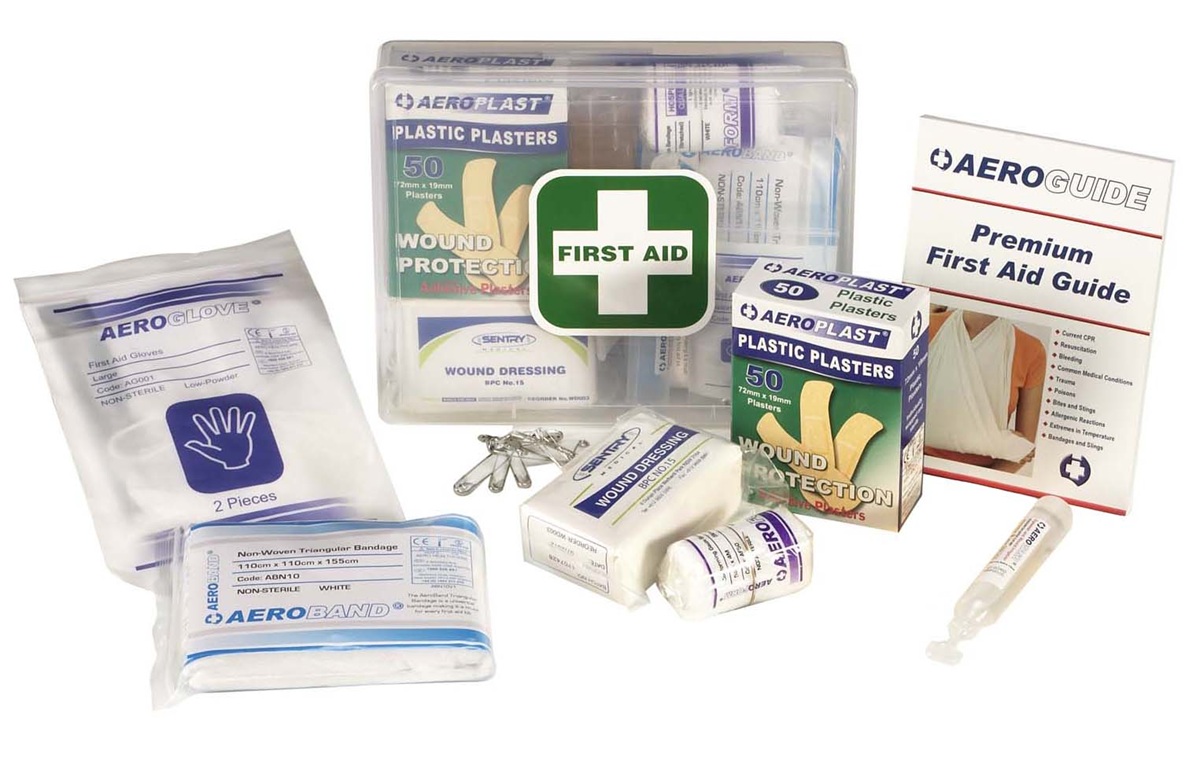
Once you've established that you need one, the details matter, and most of the first-aid room requirements below come straight from the Model Code. A room that's cramped, poorly stocked or hard to reach won't do its job when it counts.
At a minimum, the Code suggests the room should hold:
A first aid kit suited to your workplace
An examination couch with a waterproof surface and disposable sheets
An examination lamp with a magnifier
Hygienic hand cleanser and disposable paper towels
A storage cupboard, plus containers for soiled waste and for sharps
A bowl or bucket of at least two litres
Electric power points, a chair and a table or desk
A telephone or emergency call system, with the names and contact details of your first aiders and local emergency services displayed.
Plenty of workplaces choose to install an automated external defibrillator (AED). An AED is a sensible inclusion anywhere there's a risk of electric shock or large numbers of people on site, and it can be the difference in a sudden cardiac arrest.
Beyond the gear, the space has to work for a stressed first aider and an injured person. The Code offers these facility guidelines:
An appropriate floor area, around 14 square metres as a guide
An entrance clearly marked with standard first aid signage
A door at least one metre wide so a stretcher can get in and out
Good lighting and ventilation
Privacy through a screen or a door
Easy access to a sink with hot and cold water, and to toilet facilities.
The location of the room is just as important as its contents. A room on the ground floor, near an exit, with space outside for an ambulance to pull up, saves precious time.
Not every workplace needs a full room, and some need more than one. First aid facilities sit on a spectrum:
Facility | What it is | Best suited to |
First aid area | A quiet, private space with a chair, a first aid kit and a phone | Smaller or lower-risk sites where a dedicated room would be overkill |
First aid room | The dedicated, fully equipped room described above | Larger or higher-risk workplaces |
Health centre | A facility staffed by a registered nurse, doctor or paramedic | Large mine sites or major industrial operations where serious injuries are a real risk and emergency help can be hours away |
Wherever your workplace lands on that spectrum, your risk assessment makes the call.

Setting the room up is the start, not the finish. Staying on top of your first aid room requirements is an ongoing job. The person conducting the business or undertaking, the PCBU, carries the legal duty, but the day-to-day work usually sits with a trained first aider or WHS coordinator.
Responsibility for maintaining the room should generally be assigned to a trained workplace first aider or WHS coordinator. The same first aid kit compliance basics apply here as much as anywhere: keep it clean and stocked, check the contents for expired or used items, and make sure the AED, if you have one, is charged and within date.
One more thing to confirm: your state or territory. The Model Code is national, but each jurisdiction adopts and enforces its own version, and the detail can vary. In Western Australia, for instance, first aid sits under the Work Health and Safety Act 2020 and the state's own Code of Practice. Your local WHS regulator is the place to confirm exactly what applies to you.
Use this quick checklist to help keep your first aid room ready for use:
First aid kit fully stocked and in date
AED checked and ready for use (if installed)
Examination couch clean and serviceable
Sharps and clinical waste containers emptied or replaced when required
Hand hygiene supplies replenished
Emergency contact numbers current
Signage clearly visible
Room remains accessible and free from general storage
Inspection log complete
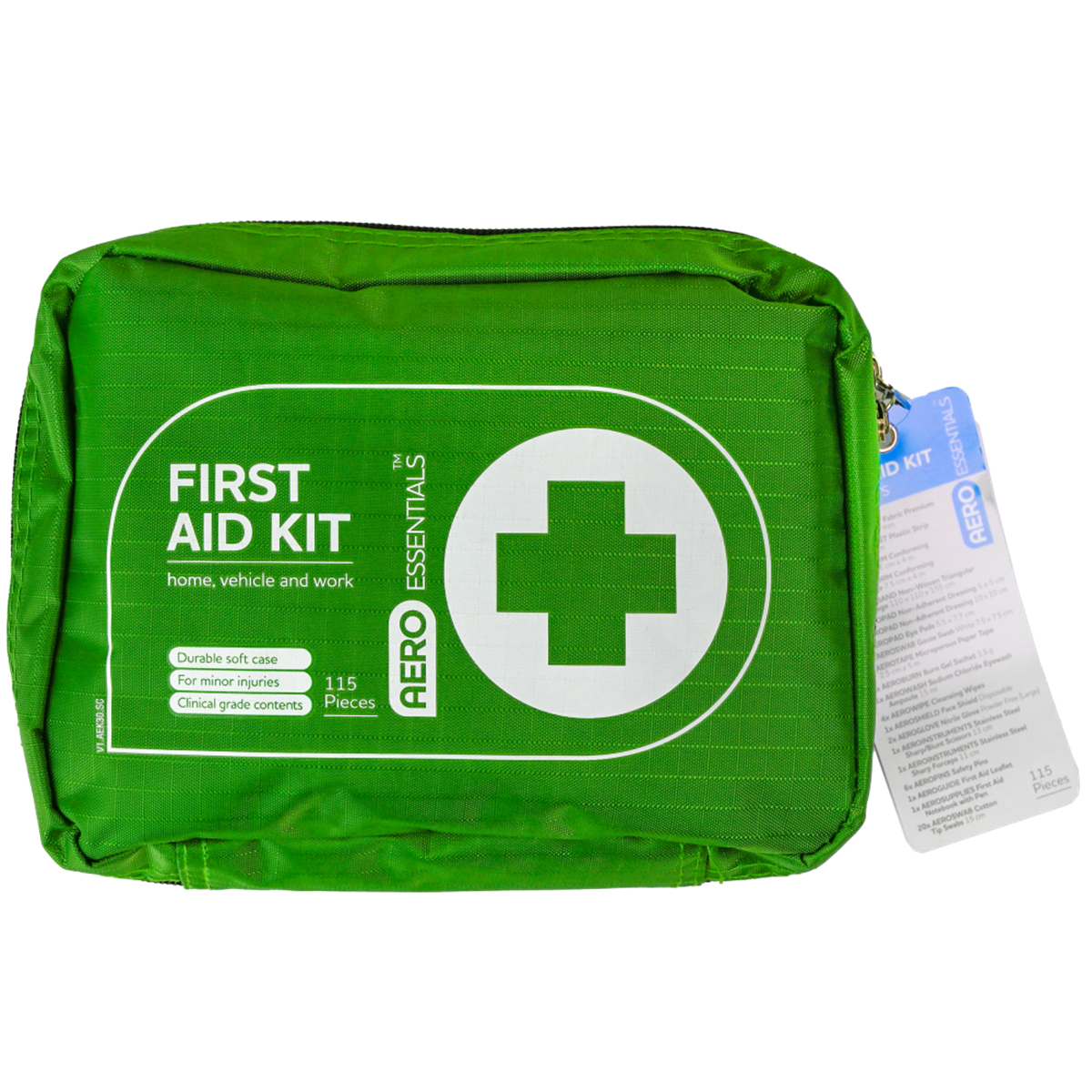
A well-equipped first aid room helps your team respond quickly when every minute matters. Choosing equipment that suits your workplace, industry and level of risk is just as important as having the room itself.
LFA First Response supplies workplace first aid kits, automated external defibrillators (AEDs), eyewash stations, sharps and clinical waste containers, first aid signage and other essential equipment to Australian workplaces. We source quality products from trusted manufacturers, including TGA-listed or registered medical devices where applicable.
If you'd like help selecting the right equipment for your first aid room, get in touch with our team or browse our workplace first aid range online.
Disclaimer: The information provided in this article is for general informational purposes only and does not constitute medical advice. Always consult a qualified healthcare professional for medical guidance specific to your situation.
For official guidance, refer to Safe Work Australia's Model Code of Practice: First Aid in the Workplace and your relevant state or territory WHS regulator.
No law names a first aid room as compulsory. WHS legislation puts the duty on the PCBU to provide first aid facilities that match the workplace's assessed risk, and your state regulator can act where they fall short. So the room isn't a line item you tick off, but skipping one where your risk assessment clearly calls for it can leave you in breach.
Trained first aiders are a separate requirement from the room, and just as important. As part of your overall workplace first aid room requirements, the codes recommend one trained first aider for every 50 workers in low-risk workplaces, one for every 25 in high-risk workplaces, and around one for every 10 at remote or isolated sites. Those figures are starting points, so work them out per shift and per work area to be sure you're covered when relief or night staff are on.
The entrance should carry a standard first aid sign, a white cross on a green background, so anyone can find it fast under pressure. In Australia, these follow AS 1319, the standard for workplace safety signs. Keep the sign visible and unobstructed, and light it if the area can be dark.
The Code doesn't set a fixed interval, but a monthly check suits most workplaces, with items replaced as they're used or reach their expiry date. Restock straight after any incident, and follow the manufacturer's schedule for an AED's pads and battery. A simple log makes it easy to show the room has been maintained if you're ever asked.
It can double as a quiet rest space, as long as that never stops it being available the moment someone's hurt. Avoid turning it into general storage or a room that's regularly locked or occupied, since it has to be reachable straight away. Where space is tight, a dedicated first aid area is often the more practical option.
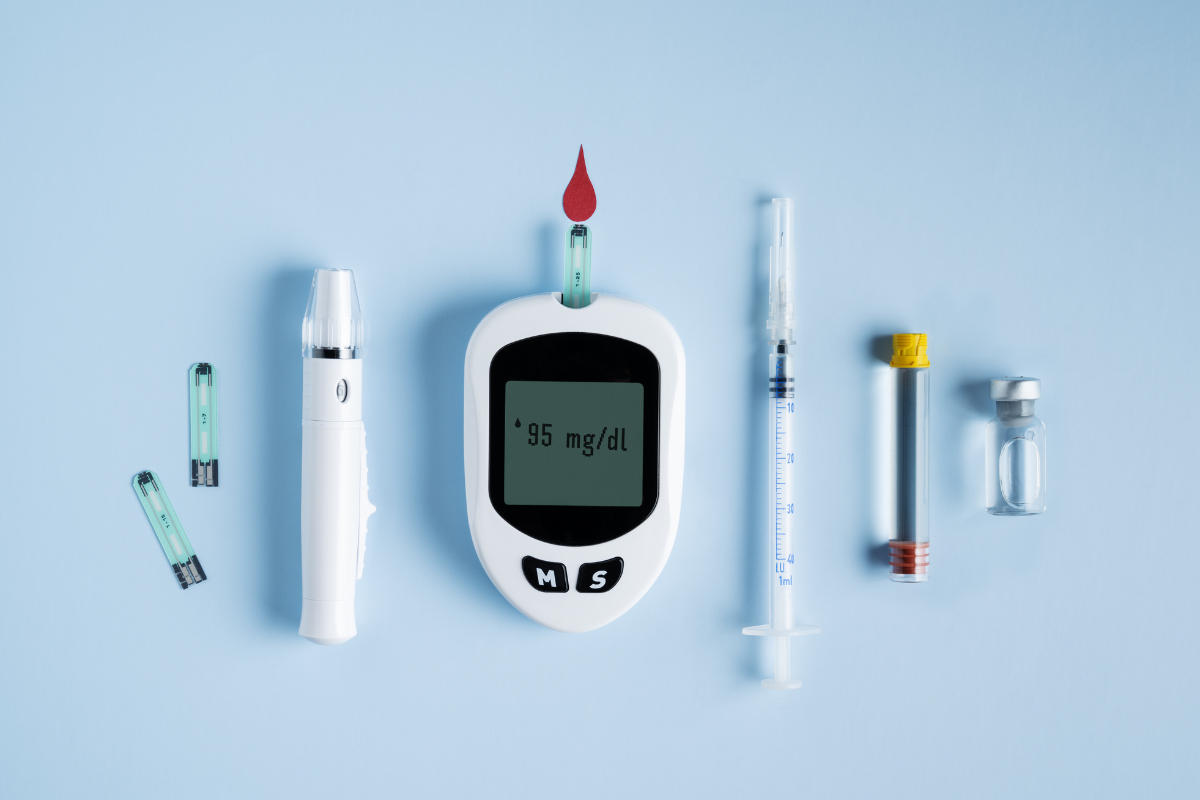
A student who suddenly loses the ability to focus on a simple task. A quiet teenager who becomes uncharacteristically irritable or argumentative. A child who repeatedly asks to leave the room for water or the bathroom, far beyond their usual routine.
J
Jason Hitch
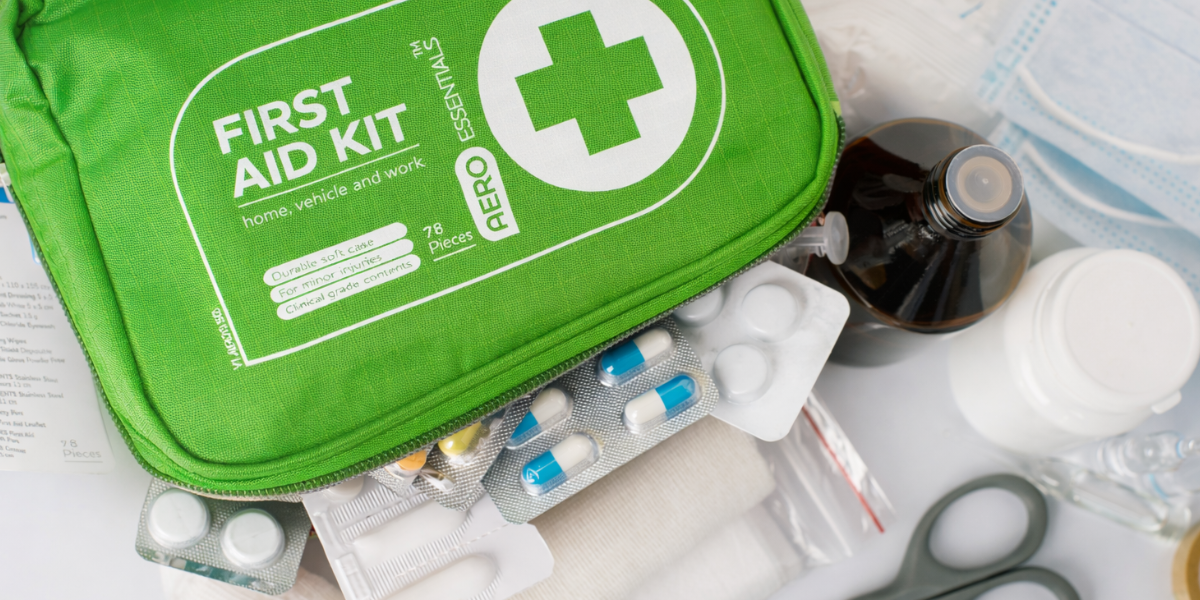
A first aid kit itself does not expire, but many of the medical supplies inside it do. Items like sterile dressings, antiseptics, medications, saline and gloves have manufacturer expiry dates that affect their safety and effectiveness. Regular inspections, timely replacement of expired items and proper storage are essential to keep the kit compliant, reliable and ready to use in an emergency.
J
Jason Hitch
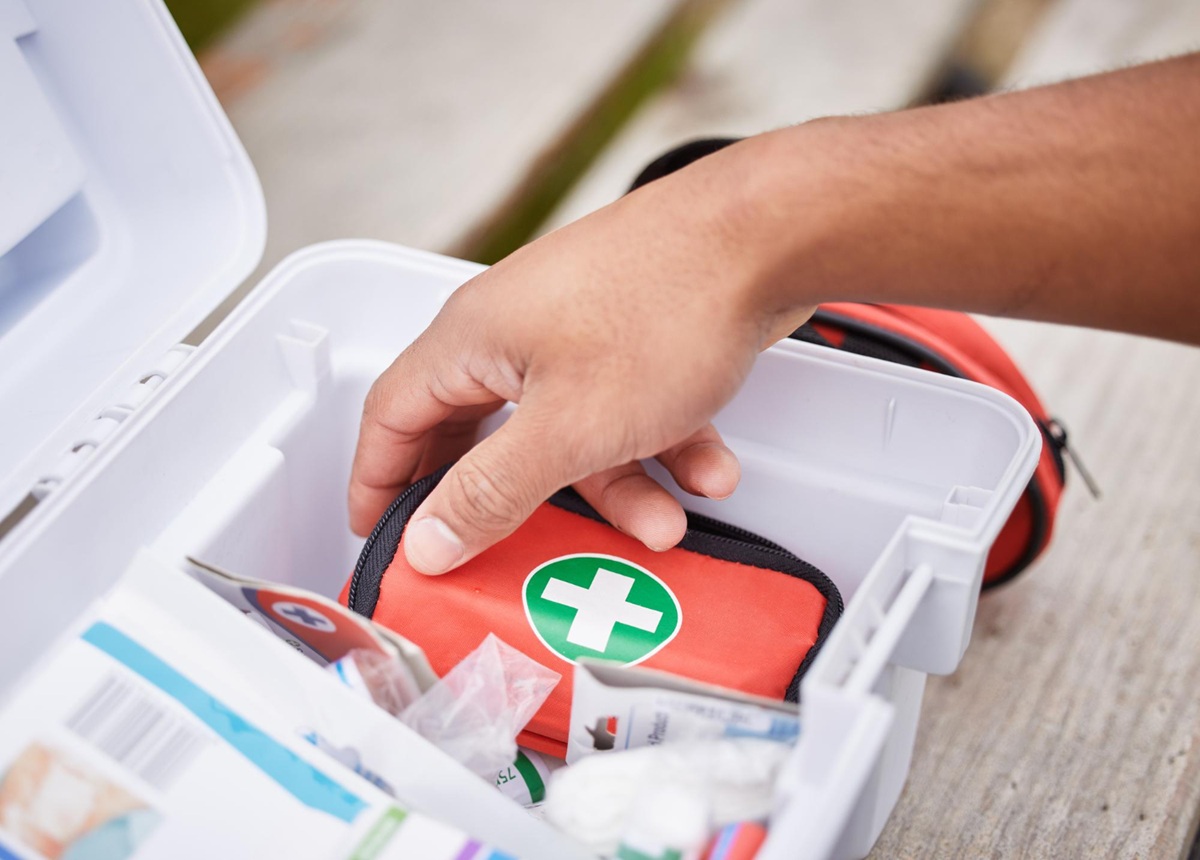
In any school environment, accidents and medical incidents can happen without warning. Whether it’s a scraped knee on the playground, an allergic reaction in the lunchroom, or a sudden asthma attack during sport, having a well-stocked and compliant classroom first aid kit is essential.
J
Jason Hitch
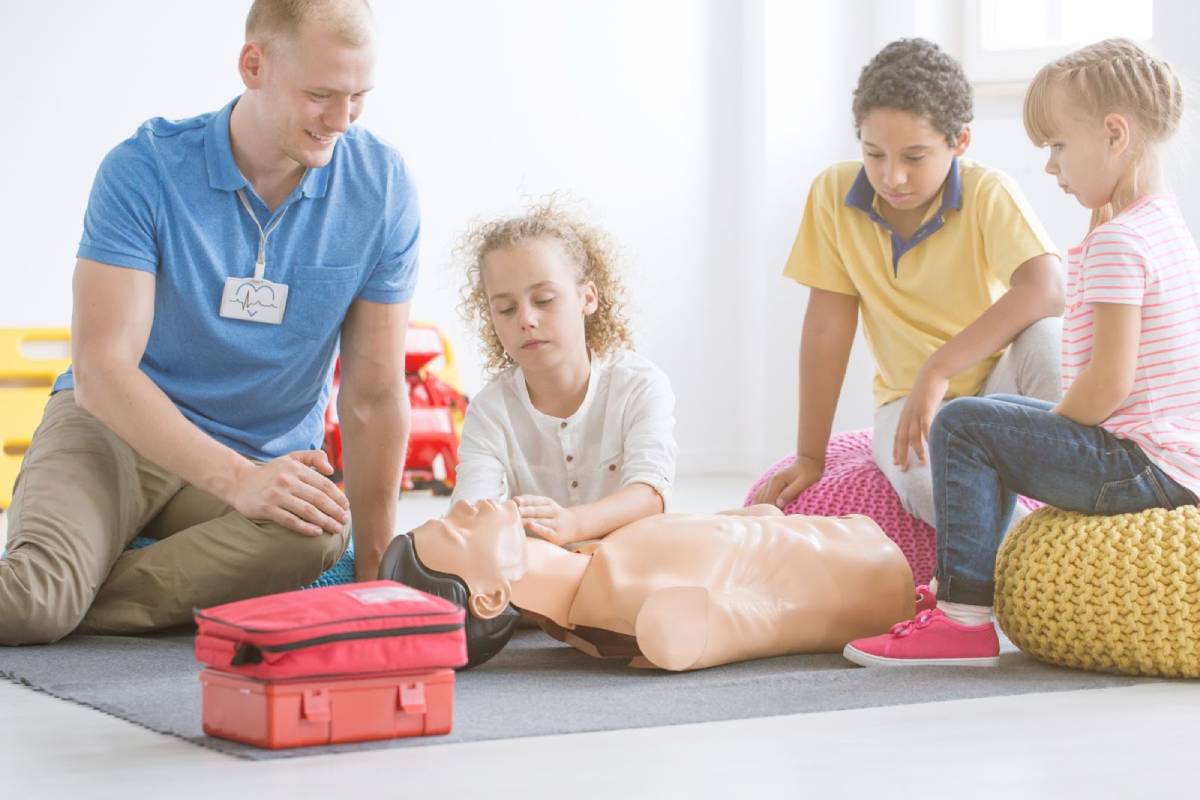
Excursions are a highlight of the school year. A break from routine, a chance to learn outside the classroom, and let’s be honest, a whole lot of fun. But with new environments come new risks. When you’re responsible for a group of kids, safety on school excursions isn’t optional. It’s your top priority.
J
Jason Hitch