J
Jason Hitch
Fainting is one of the most common medical incidents in Australian schools, workplaces, and public events. Most episodes pass quickly and cause no lasting harm, but knowing what to do when someone faints and acting on it fast is what determines how the situation plays out. The right response in the first thirty seconds usually means a smooth recovery. The wrong one can turn a brief incident into a hospital visit, or miss something far more serious going on underneath.
Fainting (syncope) is a brief loss of consciousness caused by a temporary drop in blood flow to the brain
Warning signs usually appear before a faint: pale skin, dizziness, nausea, and sweating
The standard response follows DRSABCD: lay the person flat, raise their legs, loosen tight clothing
Call 000 if the person doesn't recover within a minute, has chest pain beforehand, hit their head, or has no warning signs
Preparedness means trained staff, a well-stocked first aid kit, and access to a defibrillator on site
Fainting, medically known as syncope, happens when blood flow to the brain drops temporarily. The body responds by briefly shutting down consciousness, which is why people typically fall or slump: gravity helps blood return to the head. Most people come around within a minute and feel back to normal shortly after.
Common triggers include:
Standing still for long periods, particularly in the heat
Dehydration or low blood sugar
Sudden emotional stress, shock, or pain
Standing up too quickly from a lying or seated position
Exhaustion or overexertion
Extended standing (cadets at parade, students at assembly)
Pregnancy, low blood pressure, and certain medications can also increase the risk. While most faints are straightforward, fainting can occasionally be the first sign of a cardiac rhythm problem, stroke, or other serious condition. Every episode deserves some level of attention.

Most faints come with a brief window of warning. Spotting the signs early gives you a chance to ease the person safely to the ground before they fall and injure themselves. Watch for:
Pale or clammy skin
Sudden sweating
Dizziness or light-headedness
Nausea
Blurred vision or seeing spots
Confusion or disorientation
Unusual tiredness or yawning
If someone mentions any of these, get them seated or lying down immediately. A controlled descent prevents secondary injuries — head knocks, broken wrists, facial cuts — that can complicate an otherwise simple incident.
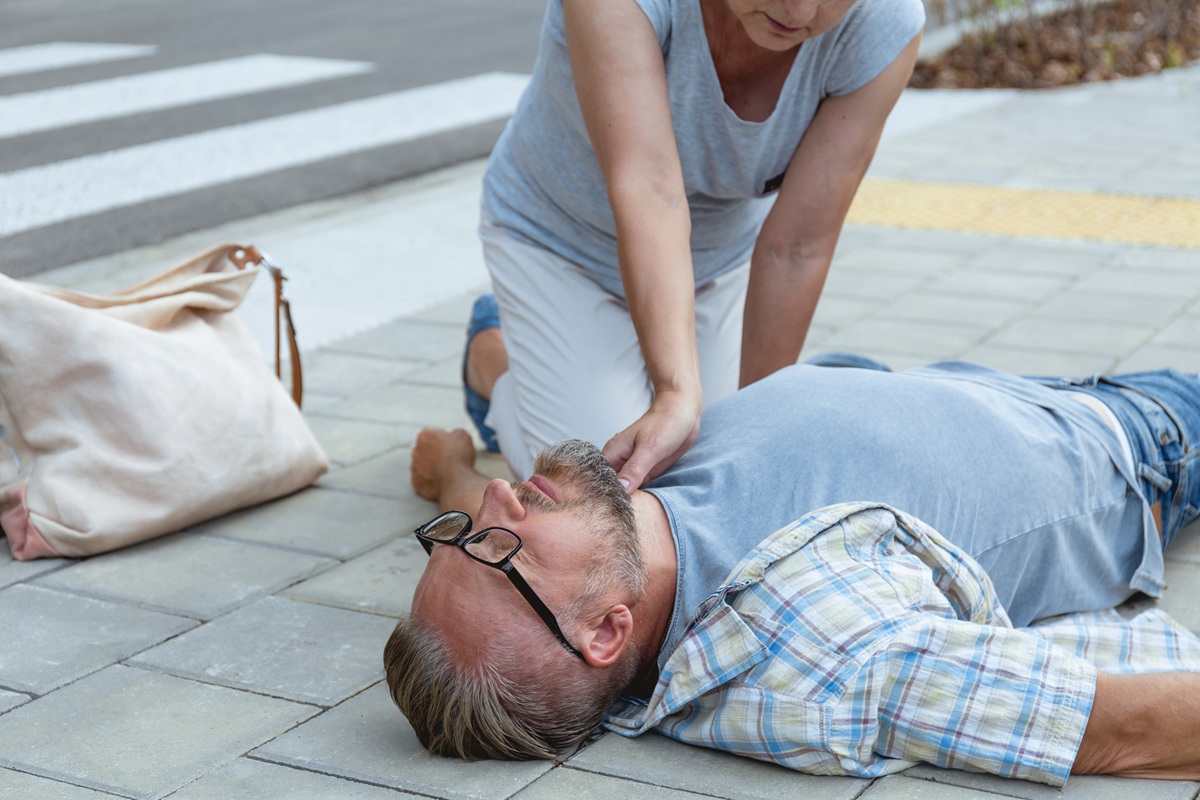
The Australian Resuscitation Council recommends DRSABCD as the standard action plan for any person who has lost consciousness. Here's how it applies.
Make sure the immediate area is safe. Move anything the person could knock against and ask bystanders to step back, giving the person space and fresh air.
Tap their shoulder and ask their name loudly and clearly. No response means treat the situation as a medical emergency and keep moving through the steps.
If the person doesn't come around within about a minute, call 000. Don't leave them alone; ask a bystander to make the call so you can stay with the patient.
Gently tilt the head back and lift the chin. Check the mouth is clear of any obstruction.
Look, listen, and feel for normal breathing for up to ten seconds. If they're breathing normally, place them in the recovery position and stay with them. If not, move straight to CPR.
Start chest compressions immediately. They're the most important part; keep going until paramedics arrive or an AED is ready to use.
If an AED is on site, attach it and follow the voice prompts. These devices are designed to be used by bystanders without prior medical training.
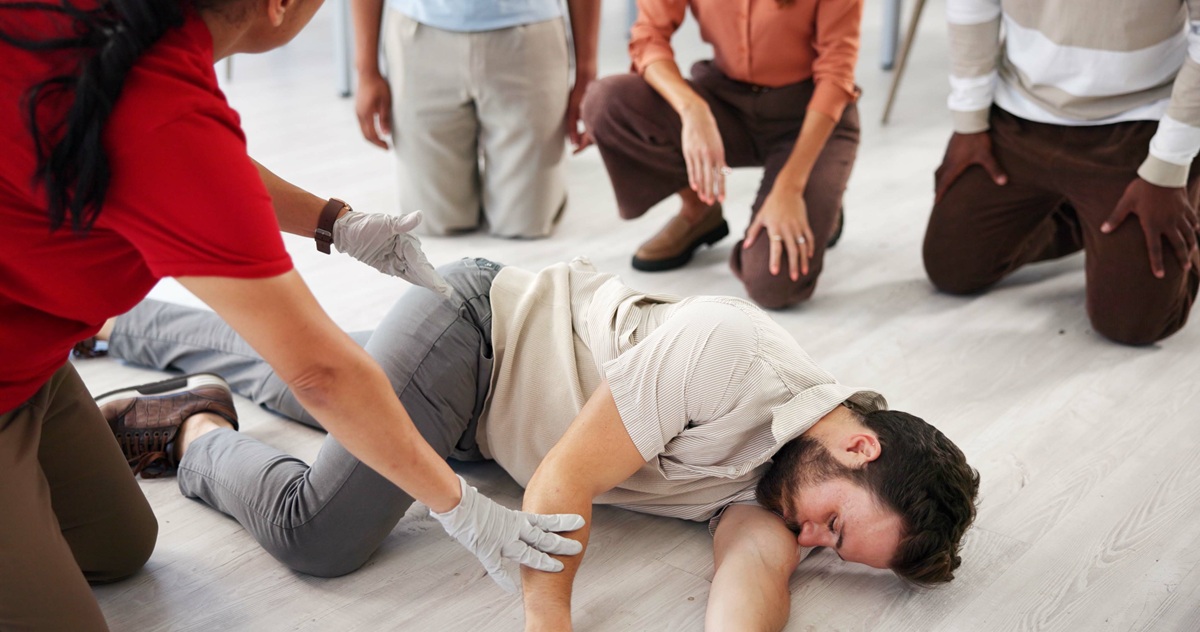
For a straightforward faint where the person is already coming around, lie them flat on their back, raise their legs about 30 centimetres using a chair or cushions, and loosen any tight clothing around the neck or waist. Once they're alert, help them sit up slowly over a few minutes before attempting to stand.
Some common instinctive reactions make things worse. Avoid these:
Don't sit the person upright with their head between their knees; this can worsen the drop in blood pressure
Don't splash water on their face or shake them to rouse them
Don't offer food or fluids until they are fully alert and able to swallow safely
Don't rush them back to their feet; allow a few minutes of recovery before standing
Don't move them if you suspect they hit their head, neck, or back during the fall, unless keeping them still puts them in danger
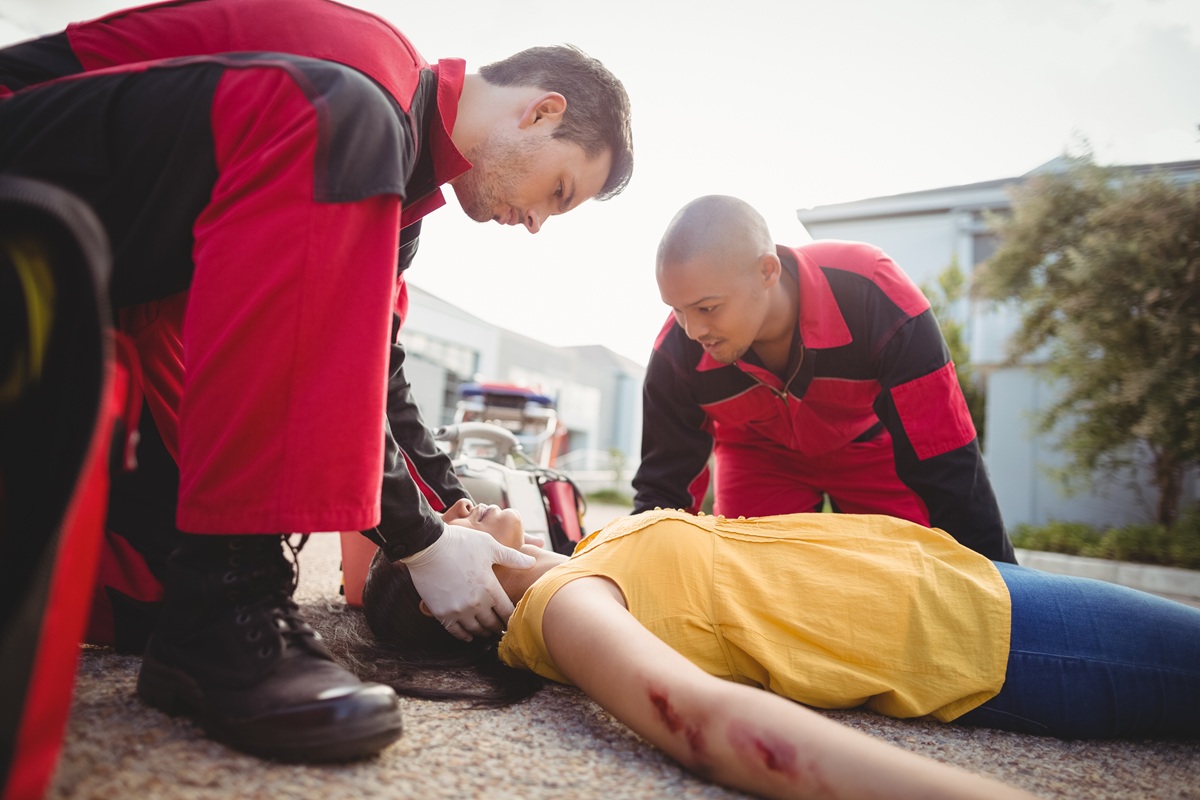
Most faints resolve on their own. But some are the body's warning that something more serious is happening: a cardiac event, a stroke, or a head injury from the fall itself. These situations can't wait.
Call 000 immediately if the person:
Doesn't regain consciousness within a minute
Had no warning signs before collapsing
Had chest pain, an irregular heartbeat, or shortness of breath beforehand
Is over 60, pregnant, or has a known heart condition
Hit their head, neck, or back during the fall
Has slurred speech, ongoing confusion, a severe headache, or blurred vision after recovering
Has fainted more than once in a short period
Don't try to make a judgement call on any of these. If one applies, call.
Responding well to a faint comes down to two things: trained people and the right equipment on hand. For safety officers, school medical staff, and event medics, preparedness is part of the role.
A well-stocked first aid kit: At a minimum, your kit should include gloves, a CPR face shield, sterile dressings for any cuts sustained in a fall, instant cold packs, and a space blanket.
Access to a defibrillator: Because some faints turn out to be cardiac events, an AED on site means you're covered for the worst-case scenario without waiting on paramedics.
Trained first aiders: Staff confident in DRSABCD and CPR respond faster and more effectively. Refresher training every three years keeps skills current and aligns with Safe Work Australia guidance.
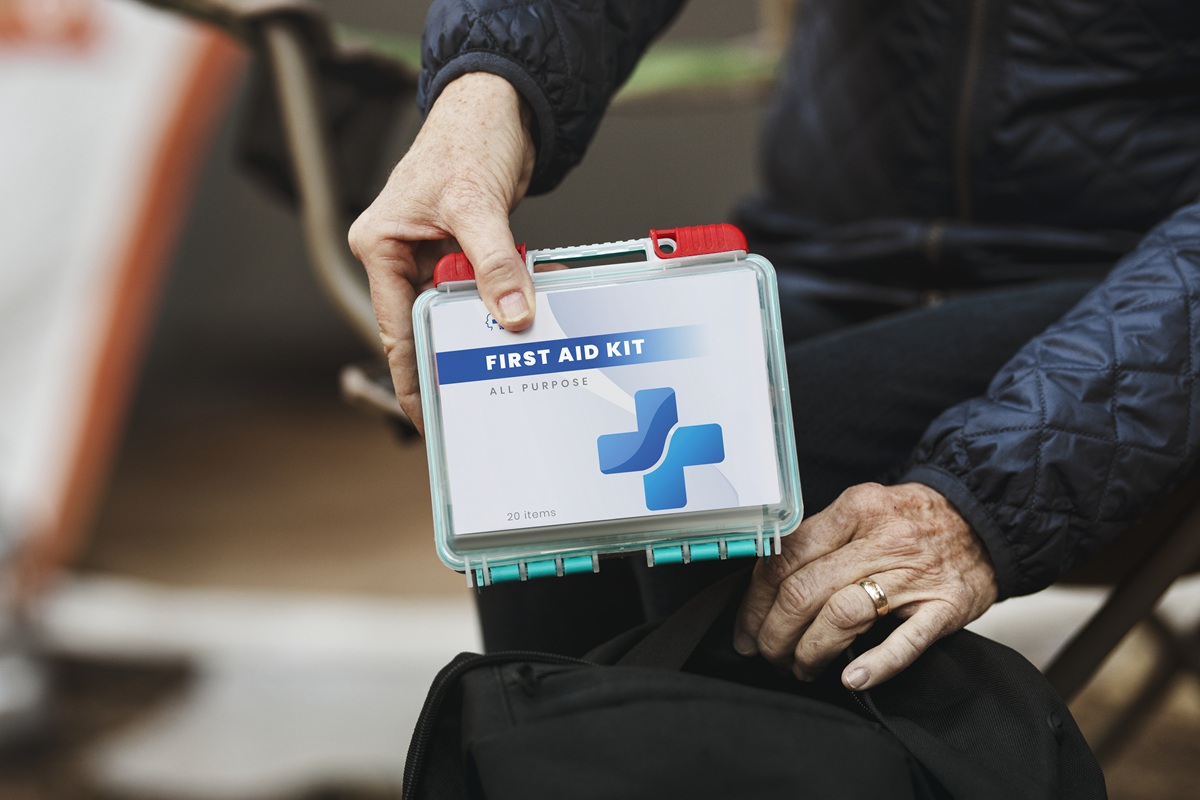
A well-trained team with the right equipment can turn a stressful incident into a managed one. Knowing what to do when someone faints is the first step; having the supplies and training to back it up is the second. LFA First Response supplies TGA-registered first aid kits, defibrillators, and emergency response equipment to schools, workplaces, councils, and sporting events across Australia.
If you'd like help putting together a kit that suits your environment, get in touch with our team or browse our first aid kit range online.
Disclaimer: The information provided in this article is for general informational purposes only and does not constitute medical advice. Always consult a qualified healthcare professional for medical guidance specific to your situation.
Most faints last only a few seconds to about a minute. If the person remains unconscious beyond that, treat it as a medical emergency and call 000 immediately.
Only once they are fully conscious, alert, and able to swallow safely. Offering fluids too early risks choking. Small sips are appropriate after they've been sitting upright for a few minutes.
A faint is brief, with a quick return to normal and usually some warning beforehand. A seizure often involves stiffening or jerking movements, loss of bladder control, and a longer period of confusion afterwards. Any first seizure should be assessed by a doctor.
Under the WHS Act, employers have a duty of care to provide a safe working environment, which includes adequate first aid provisions and trained personnel. Poor incident management can have compliance implications — kit readiness and staff training both matter.
Most faints don't involve the heart. But a small number do, and without an AED you're relying on ambulance response times. For high-traffic sites, schools, and events, a defibrillator is a sound investment in overall emergency preparedness.
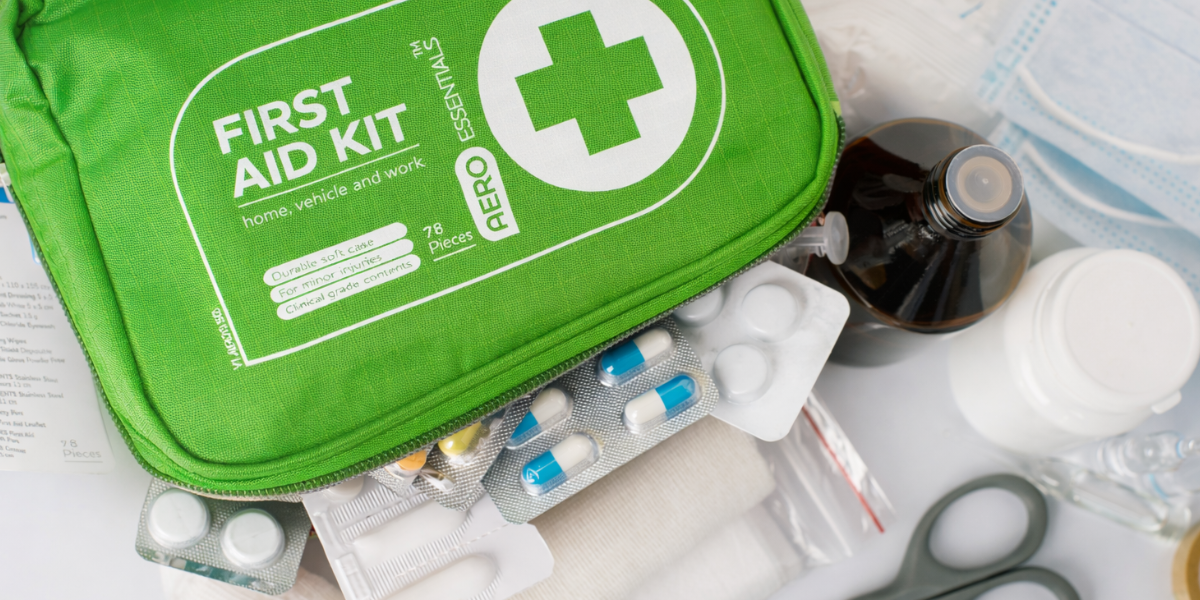
A first aid kit itself does not expire, but many of the medical supplies inside it do. Items like sterile dressings, antiseptics, medications, saline and gloves have manufacturer expiry dates that affect their safety and effectiveness. Regular inspections, timely replacement of expired items and proper storage are essential to keep the kit compliant, reliable and ready to use in an emergency.
J
Jason Hitch

Australia is home to thousands of spider species, but only a few can cause serious harm. This guide explains how to recognise dangerous spider bites, what symptoms to watch for, and the correct first-aid techniques for funnel-web, redback, and white-tailed spiders. With clear steps on when to call 000, how to apply pressure immobilisation, and how to treat low-risk bites at home, it empowers you to respond calmly and effectively. You’ll also learn simple prevention tips, what to keep in you
J
Jason Hitch
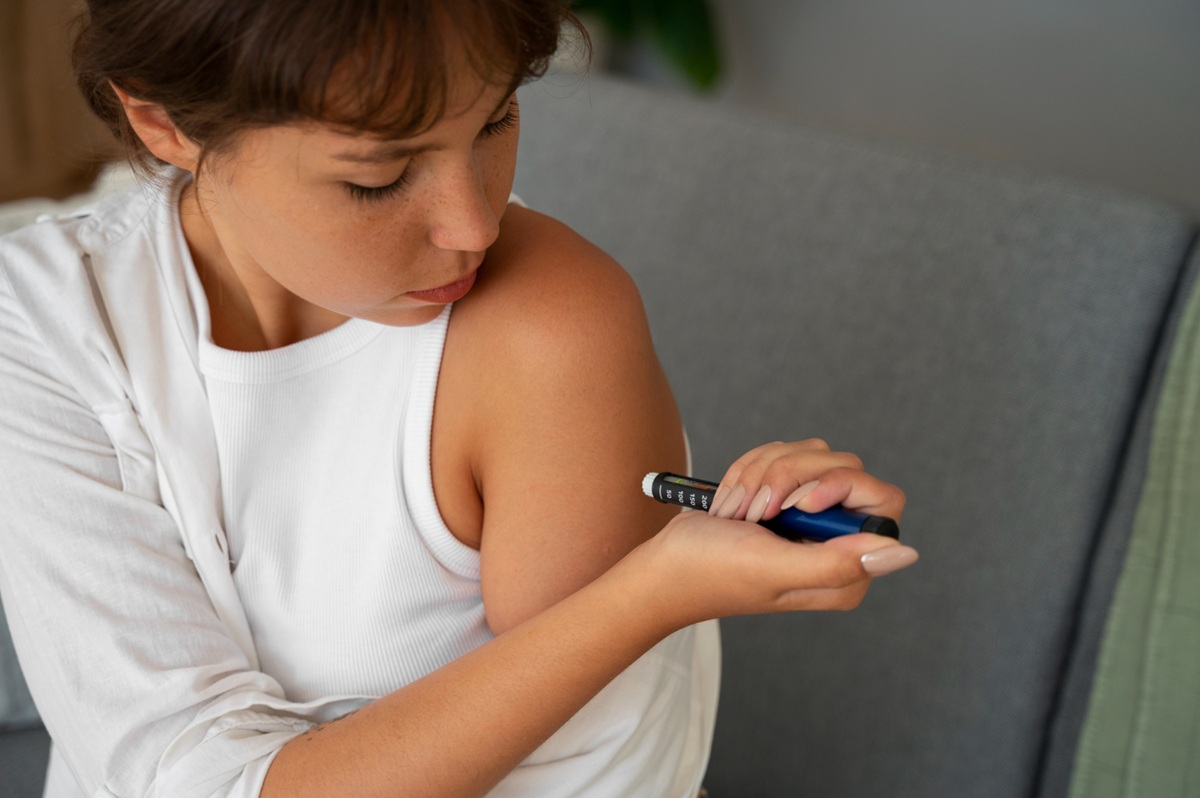
Anaphylaxis can strike without warning and become life-threatening within minutes. Learn how to identify symptoms, administer adrenaline, call 000, and set up an anaphylaxis-ready first aid kit tailored for schools, workplaces, events, and remote areas. This guide walks you through prevention, emergency response, aftercare, and the essential gear every site should have.
J
Jason Hitch
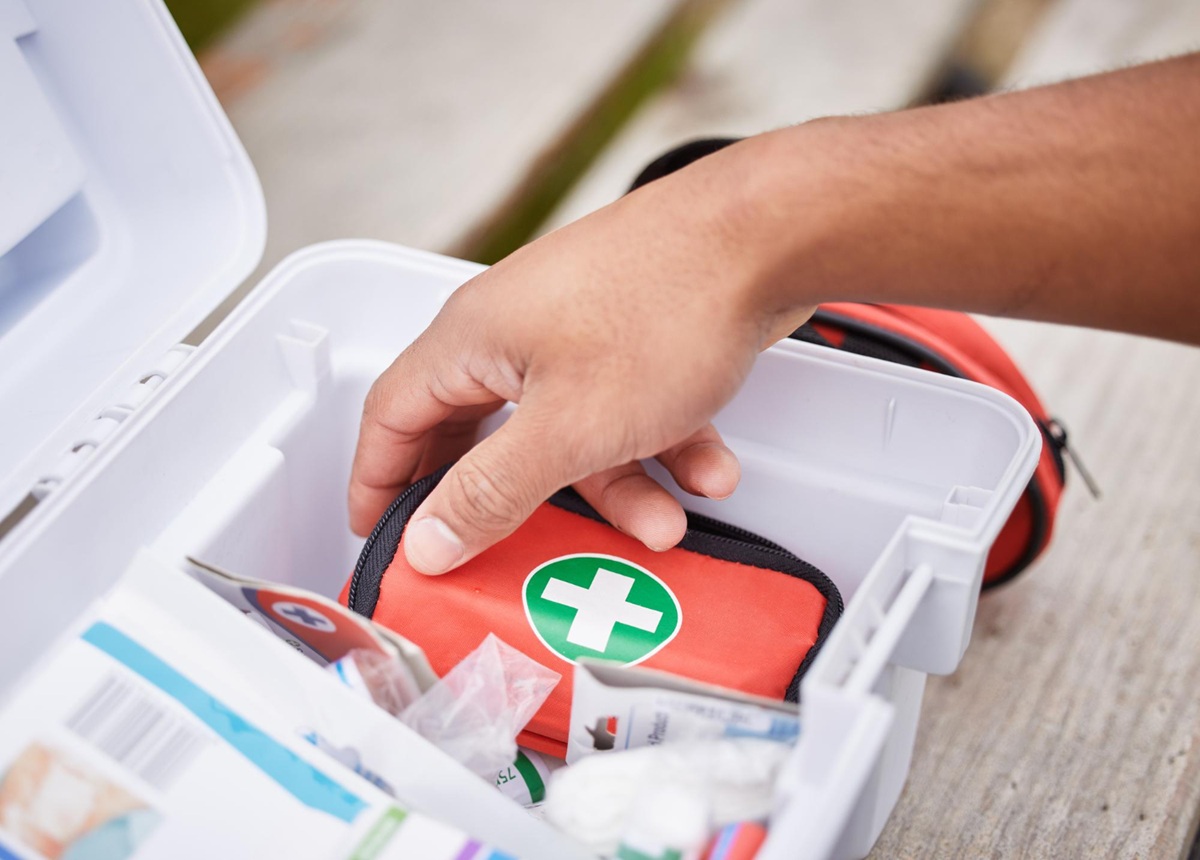
In any school environment, accidents and medical incidents can happen without warning. Whether it’s a scraped knee on the playground, an allergic reaction in the lunchroom, or a sudden asthma attack during sport, having a well-stocked and compliant classroom first aid kit is essential.
J
Jason Hitch