J
Jason Hitch
Sudden cardiac arrest affects approximately 25,000 Australians every year. It can happen to anyone, at any time, regardless of age or apparent fitness level and it can happen in your workplace. Without immediate defibrillation, survival rates decrease by approximately 10% for every minute that passes. The average ambulance response time in Australian metropolitan areas is 8 to 12 minutes. That gap is where a workplace defibrillator saves lives.
Choosing the right workplace defibrillator in Australia isn't simply a matter of picking the most affordable option. The right AED for your organisation depends on your environment, workforce size, industry obligations, and how you plan to manage the device over time.
This guide walks you through everything you need to know from Australian compliance requirements to brand comparisons, industry-specific recommendations, maintenance obligations, and the accessories that complete a ready-to-use AED setup.

A defibrillator, also known as an AED or automated external defibrillator, is a portable electronic device that analyses a person's heart rhythm and, when required, delivers a controlled electric shock to restore a normal rhythm during sudden cardiac arrest.
Modern AEDs are specifically designed for use by non-medical staff. Built-in voice prompts and visual instructions guide users step by step through the process from applying electrode pads to delivering a shock without requiring any clinical knowledge. The device determines whether a shock is needed. If the heart rhythm does not require defibrillation, the device will not deliver a shock, making accidental harm to a conscious person extremely unlikely.
According to the Australian Resuscitation Council, survival rates are significantly higher when defibrillation occurs within the first few minutes of cardiac arrest. For Australian workplaces, this means having an accessible AED on site is one of the most meaningful emergency preparedness investments an organisation can make.
The Safe Work Australia First Aid in the Workplace Code of Practice provides guidance on first aid requirements and recommends that employers assess the risk of injury and illness in their workplace and provide appropriate first aid equipment accordingly.
Specific industries carry more defined requirements:
Mining and resources: State-based mining safety legislation in Queensland, Western Australia and other jurisdictions includes specific requirements for emergency medical equipment, including defibrillators, particularly on remote sites.
Aviation: Aviation safety regulations require AEDs on commercial aircraft and at many airport facilities.
Healthcare and aged care: Clinical governance frameworks and accreditation standards typically require defibrillation capability as part of emergency response preparedness.
The most important factors to consider when choosing a workplace defibrillator are your physical environment, the number of people on site, paediatric capability requirements, ease of use, and ongoing maintenance costs.
The environment where your AED will be stored and potentially used has a significant impact on which device is appropriate. Indoor office environments have different requirements to outdoor construction sites, marine vessels, or remote mining camps.
IP rating (Ingress Protection) indicates how resistant a device is to dust and moisture. For outdoor, dusty, or wet environments, an AED with an IP55 rating or higher is recommended. Devices like the HeartSine defibrillators and ZOLL defibrillators are well regarded for rugged environments. Temperature tolerance is also worth checking.
The recommended guideline is that an AED should be accessible within 3 to 5 minutes of any location in a workplace, roughly 60 to 90 metres in a busy environment. For multi-storey buildings, one AED per floor is the standard baseline. High foot traffic environments such as shopping centres, airports, gyms, and hotels may require multiple units positioned at key access points.
Some AEDs switch between adult and paediatric modes by changing the electrode pad set. Others use a key or selector to reduce shock energy for paediatric use. Confirm paediatric capability before purchase if your environment includes children.
An AED that is confusing under pressure defeats its purpose. The best workplace defibrillators provide clear, step-by-step voice prompts and visual guidance that a bystander with no prior training can follow in a high-stress situation. CPR coaching features which guide users through correct chest compression rate and depth are a significant advantage and can improve outcomes before the ambulance arrives.
The upfront cost of an AED is only part of the total investment. Adult electrode pads typically have a shelf life of two to five years, and replacement batteries last two to five years, depending, on the model and usage. These ongoing costs should be factored into your budget from the outset.
For multi-site procurement managers, AED connectivity features offer a meaningful operational advantage. Some devices support data logging, incident reporting, and integration with fleet management platforms that track battery and pad expiry dates across every location. This removes the manual burden of managing expiry dates site by site and reduces the risk of a device being found unready in an emergency.
A defibrillator that is inaccessible in an emergency is not a defibrillator that works. AED cabinets and wall brackets protect the device from tampering and environmental damage while keeping it visible and immediately accessible.


Five established AED brands are available from LFA First Response, each with strengths suited to different workplace environments and buyer priorities.
| Brand | Best Suited For | Key Features | Paediatric Capable |
|---|---|---|---|
| HeartSine | Mining, remote, rugged environments | Lightweight, IP55 rated, long battery and pad life | Yes (paediatric pad-pak) |
| ZOLL | High-use facilities, healthcare, aged care | Real CPR Help feedback, data transmission, clear prompts | Yes |
| LIFEPAK | Healthcare, corporate, high-compliance environments | Rugged design, trusted clinical performance, durable build | Yes |
| Philips HeartStart | Schools, offices, community facilities | Simple operation, fast shock delivery, compact design | Yes (FRx model) |
| Mindray | Budget-conscious buyers, multi-site programs | Competitive pricing, reliable performance, good support | Yes |
HeartSine defibrillators combine a lightweight design with IP55-rated durability, making them a popular choice for mining sites, remote operations, and construction environments where equipment faces demanding conditions. Their integrated pad-pak system combines pads and battery in one replaceable unit, simplifying maintenance management.
ZOLL defibrillators are distinguished by their Real CPR Help technology, which provides real-time feedback on chest compression rate and depth, a feature that meaningfully improves CPR quality in a workplace response scenario.
LIFEPAK defibrillators are trusted across clinical and high-compliance environments globally. Their build quality and clinical performance make them a strong choice for healthcare, aged care, and corporate environments where reliability and professional credibility matter.
Philips HeartStart defibrillators are designed for simplicity, making them well suited to schools, offices, and community facilities where the person responding is most likely an untrained bystander. The FRx model includes a paediatric key for easy mode switching.
Mindray defibrillators offer dependable performance at a competitive price point, making them a practical choice for budget-conscious buyers and multi-site programs where equipping numerous locations requires careful cost management.
The right defibrillator for your workplace depends significantly on your industry. Here is a practical summary for each major sector.
Schools, universities and childcare centres: Paediatric capability is essential. Choose a device with clear, simple voice prompts for untrained staff, and ensure accessible storage with visible signage. The Philips HeartStart FRx is widely used in education settings.
Mining and resources: Prioritise IP-rated, rugged devices with long battery life. Portable carry cases and spare accessories are critical for remote sites where resupply may take days. HeartSine and LIFEPAK are strong options. Confirm compliance with applicable state mining safety regulations.
Construction and manufacturing: Durable, easy-to-use devices suit fast-paced environments with staff who may have varying levels of training. Large sites may require multiple units to meet the 3-to-5-minute access guideline. Consider locked site offices and welfare facilities as primary placement points.
Healthcare and aged care: Clinical-grade performance and staff familiarity with the device are priorities. ZOLL and LIFEPAK are trusted in clinical environments. Integration with existing emergency response protocols and patient monitoring should be considered.
Government and council facilities: Public access AEDs require weatherproof alarmed cabinets for outdoor placement and clear directional signage. Compliance with relevant government procurement and safety standards applies.
Corporate offices: Ease of use for untrained bystanders is the primary consideration. Discreet wall-mounted cabinets suit professional environments. Establish a maintenance schedule and consider a multi-site program if your organisation operates from several locations.
Shopping centres and retail: High foot traffic creates elevated risk and high visibility. Multiple units positioned at regular intervals, with clear signage, are recommended. Public access AED placement should be part of the centre's emergency response plan.
Hotels and hospitality: Guest-facing environments benefit from discreet, professionally presented AED storage. Staff training is particularly valuable in hospitality settings given the varied age and health profile of guests.
Gyms, leisure centres and sporting clubs: These environments carry an elevated cardiac event risk due to physical exertion. Fast access is critical. Consider positioning AEDs at reception desks, pool surrounds, and outdoor event spaces.
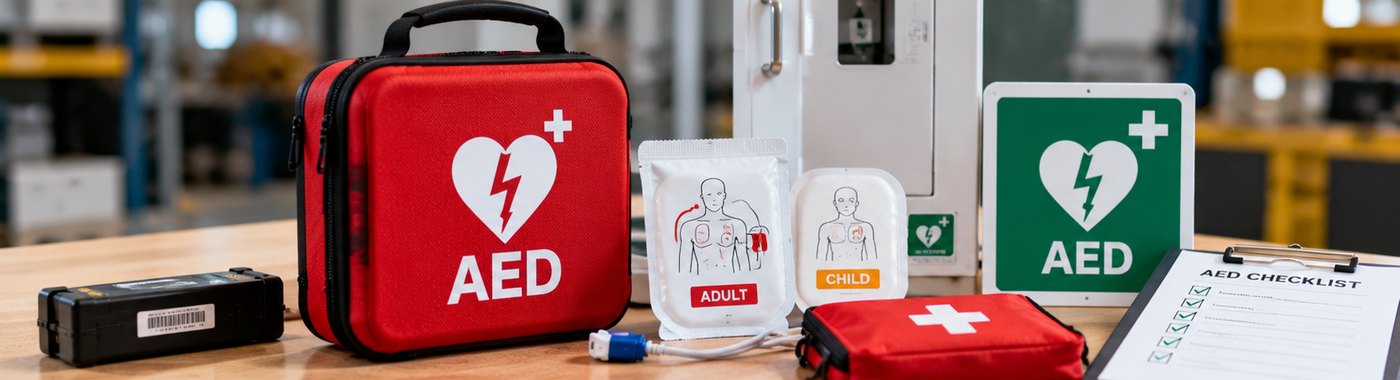
A complete workplace AED setup requires more than just the device itself. The following accessories are essential:
Adult electrode pads: Replace before expiry (typically every two to five years). Always keep a spare set on hand.
Paediatric electrode pads: Required if children may be present in your workplace or facility.
Replacement batteries: Check the manufacturer's recommended replacement schedule and factor this into your maintenance budget.
AED cabinet or wall bracket: Protects the device, deters tampering, and keeps the AED visible and accessible. Alarmed cabinets are recommended for public access areas.
AED signage: Directional and identification signage helps bystanders locate the device quickly under pressure.
Carry case: Essential for mobile teams, remote worksites, and outdoor events where the AED may need to travel.
Training AED or demonstration unit: Allows staff to practise without risking damage to the operational device. AED training and demonstration equipment is available for workplace drills and first aid training sessions.
A workplace defibrillator must be ready to use at a moment's notice. Effective maintenance requires a consistent, documented routine.
Conduct a visual check regularly: Weekly checks are recommended. Inspect the device for physical damage, missing accessories, and ensure it is correctly stored.
Confirm the status indicator shows the device is ready: Most AEDs have a visible ready indicator (a green light or tick symbol). If the indicator shows a fault, act on it immediately.
Check electrode pad expiry dates: Record the expiry date on your maintenance log and order replacements well in advance. Expired pads must be replaced before they are needed, not after.
Check battery charge or replacement date: Follow the manufacturer's recommended battery replacement schedule. Do not wait for the device to alert you, proactive replacement is best practice.
Inspect the cabinet, signage and accessories: Confirm the cabinet is undamaged, the signage is visible, and all accessories in the preparation kit are present and in date.
Record all checks in a maintenance log: Documentation demonstrates compliance and provides a clear record for WHS inspections or incident investigations.
Register the device with the manufacturer: Many manufacturers offer expiry date reminder services when the device is registered. This is particularly useful for managing multiple devices.
For multi-storey buildings, the baseline is one AED per floor. For large footprints, multiple buildings, or sites with significant distances between work areas, additional units should be placed to meet the access time guideline. Outdoor locations, high-risk zones (such as server rooms, production floors, or plant facilities), and remote areas warrant dedicated devices.
High-foot traffic environments like shopping centres, airports, stadiums and hotels typically require multiple units positioned at regular intervals along main pedestrian routes, at reception desks, and near high-exertion areas.
Multi-site organisations benefit from standardising AED models across all locations, simplifying training and reducing the administrative complexity of managing pad and battery expiry dates at scale.
AEDs are designed to be used without prior training. However, staff who have completed AED and CPR training respond faster, with greater confidence, and with better technique than untrained bystanders.
Training does not need to be a significant undertaking. AED awareness sessions can be delivered in under an hour and give staff the confidence to act immediately in an emergency. Formal accredited first aid courses provide a deeper foundation and are recommended for designated first aid officers.
What should I look for when buying a defibrillator for my workplace?
The most important factors are your workplace environment (indoor or outdoor, temperature, dust and moisture exposure), the number of people on site, whether paediatric capability is required, ease of use for untrained bystanders, and the total cost of ownership including pad and battery replacement. Matching the device to your specific environment and risk profile is more important than choosing the most expensive model.
Are defibrillators mandatory in Australian workplaces?
Australian WHS legislation does not universally mandate AEDs in every workplace, but employers have a duty to provide a safe working environment, and the Safe Work Australia First Aid in the Workplace Code of Practice recommends first aid equipment appropriate to the risk profile of the workplace. Some industries, including mining, aviation, and healthcare, have more specific requirements. Consult your state WHS authority for jurisdiction-specific obligations.
How often should a defibrillator be serviced?
Visual checks should be conducted weekly. Electrode pads and batteries should be checked against their expiry dates and replaced proactively before expiry. Most manufacturers recommend a formal inspection or service at intervals specified in the device documentation, typically annually. All checks should be recorded in a maintenance log.
What is the difference between adult and paediatric pads?
Adult electrode pads are designed for use on people over 8 years of age or over 25 kilograms. Paediatric pads deliver a lower energy shock appropriate for children under 8 years or under 25 kilograms, in line with Australian Resuscitation Council guidelines. Using adult pads on a child is not ideal but is preferable to no defibrillation if paediatric pads are unavailable.
Can someone with no training use an AED?
Yes. AEDs are specifically designed for use by untrained bystanders. The device provides clear voice and visual prompts that guide the user through every step, from turning on the device and applying pads to delivering a shock. The AED analyses the heart rhythm and will only advise a shock when clinically appropriate.
How long do AED batteries last?
AED batteries typically last between two and five years, depending on the brand and model. Standby power consumption, the number of self-tests the device performs, and whether the device has been used all affect battery life. Always follow the manufacturer's recommended replacement schedule rather than waiting for the device to indicate a fault.
How long do electrode pads last?
Electrode pads typically have a shelf life of two to five years from the date of manufacture, depending on the brand. Expiry dates are printed on the pad packaging. Pads must be replaced before expiry, expired pads may not adhere correctly or perform as designed, which can compromise the effectiveness of a shock delivery.
How much does a workplace AED cost in Australia?
Workplace AEDs in Australia generally range from approximately $1,500 to $3,500 or more, depending on the brand, model, and included accessories. Budget for ongoing costs including replacement pads and batteries over the device's lifetime. Multi-site buyers may be able to access volume pricing through a dedicated procurement program.
What is the best AED for a school?
The Philips HeartStart FRx is a widely recommended choice for schools, universities, and childcare centres due to its simple operation, clear voice guidance, and paediatric key that enables easy mode switching for use on children. Any AED selected for a school environment must include paediatric electrode pad capability.
Do I need a cabinet for my AED?
An AED cabinet is strongly recommended for all workplace installations. Cabinets protect the device from physical damage and environmental exposure, deter tampering and misuse, and keep the AED visible and immediately accessible in an emergency. Alarmed cabinets are recommended for public access environments where the device may be accessed by members of the public.
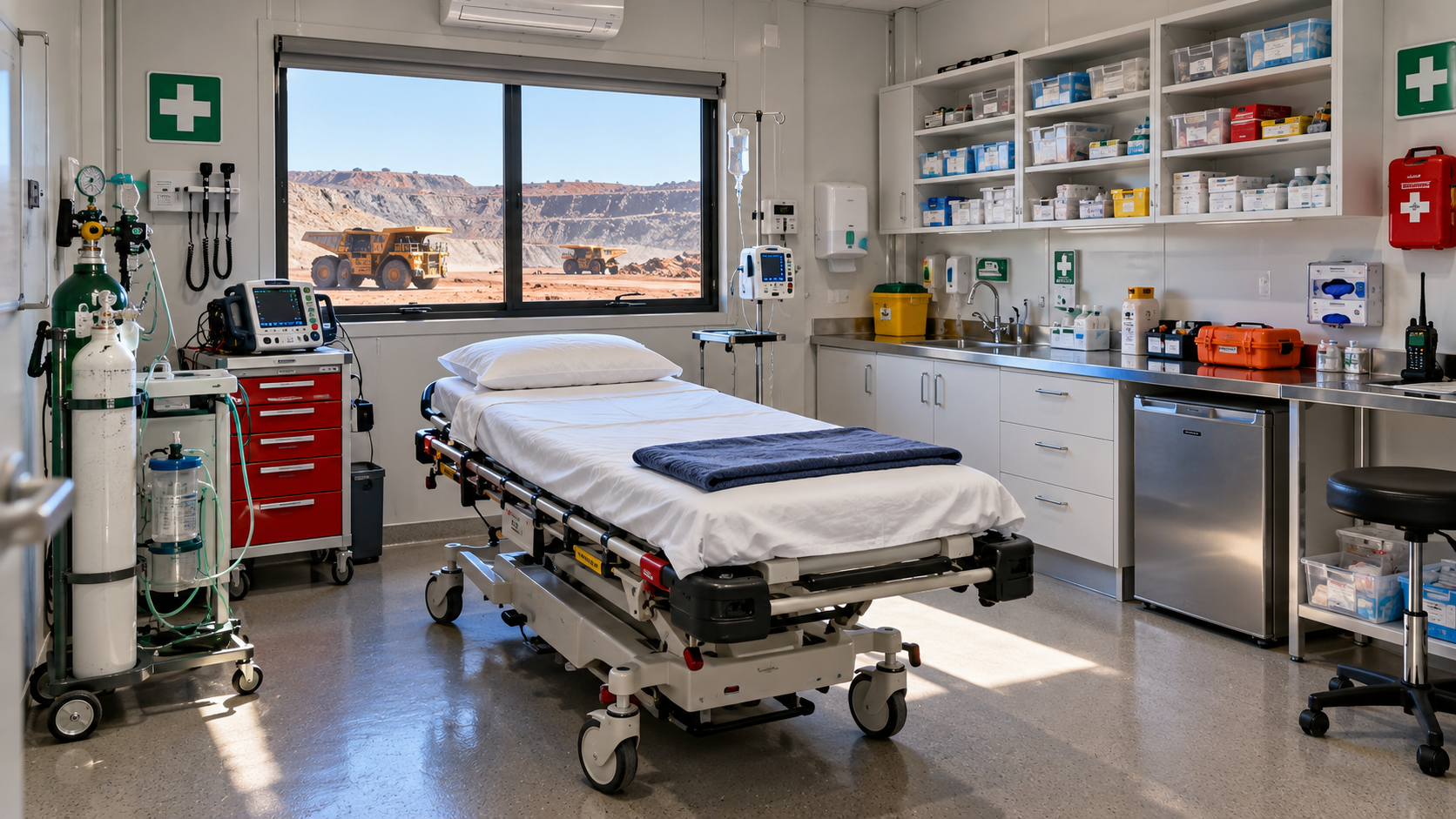
In this guide, you will learn all about the Australian mining site first aid requirements, including equipment and facilities for different remote operations.
J
Jason Hitch

Looking for workplace stretcher that suits your industry? Compare types, safe working loads, environments and key features to make an informed choice.
J
Jason Hitch
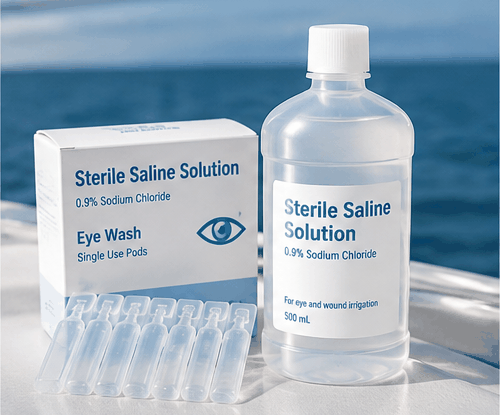
What should a marine first aid kit contain? In this guide, discover 10 essential items for Australian boats, plus practical storage and preparation tips.
J
Jason Hitch
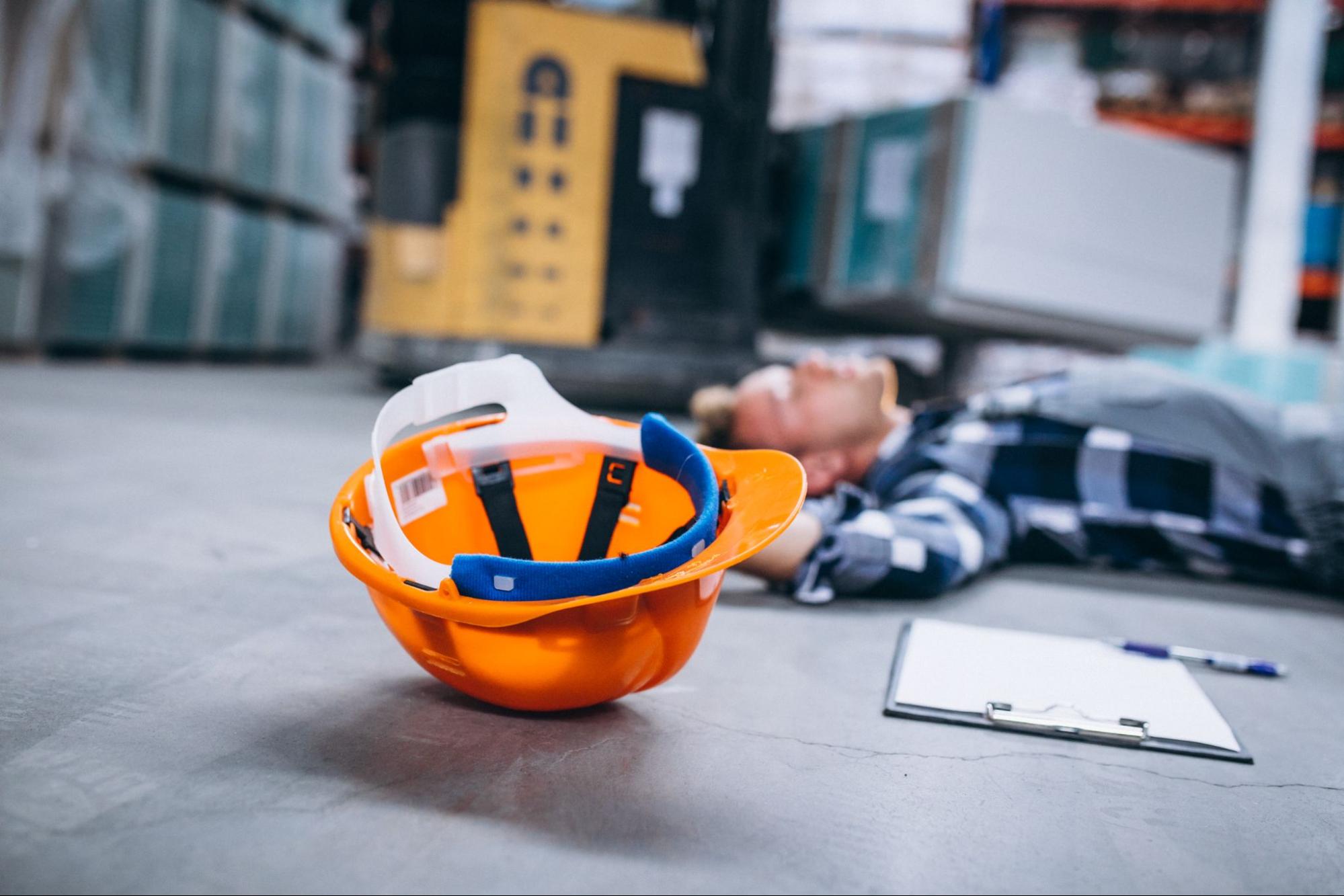
Get first aid for construction right with LFA First Response. Learn about first aiders, kits, placement and compliance for Australian worksites.
J
Jason Hitch
