J
Jason Hitch
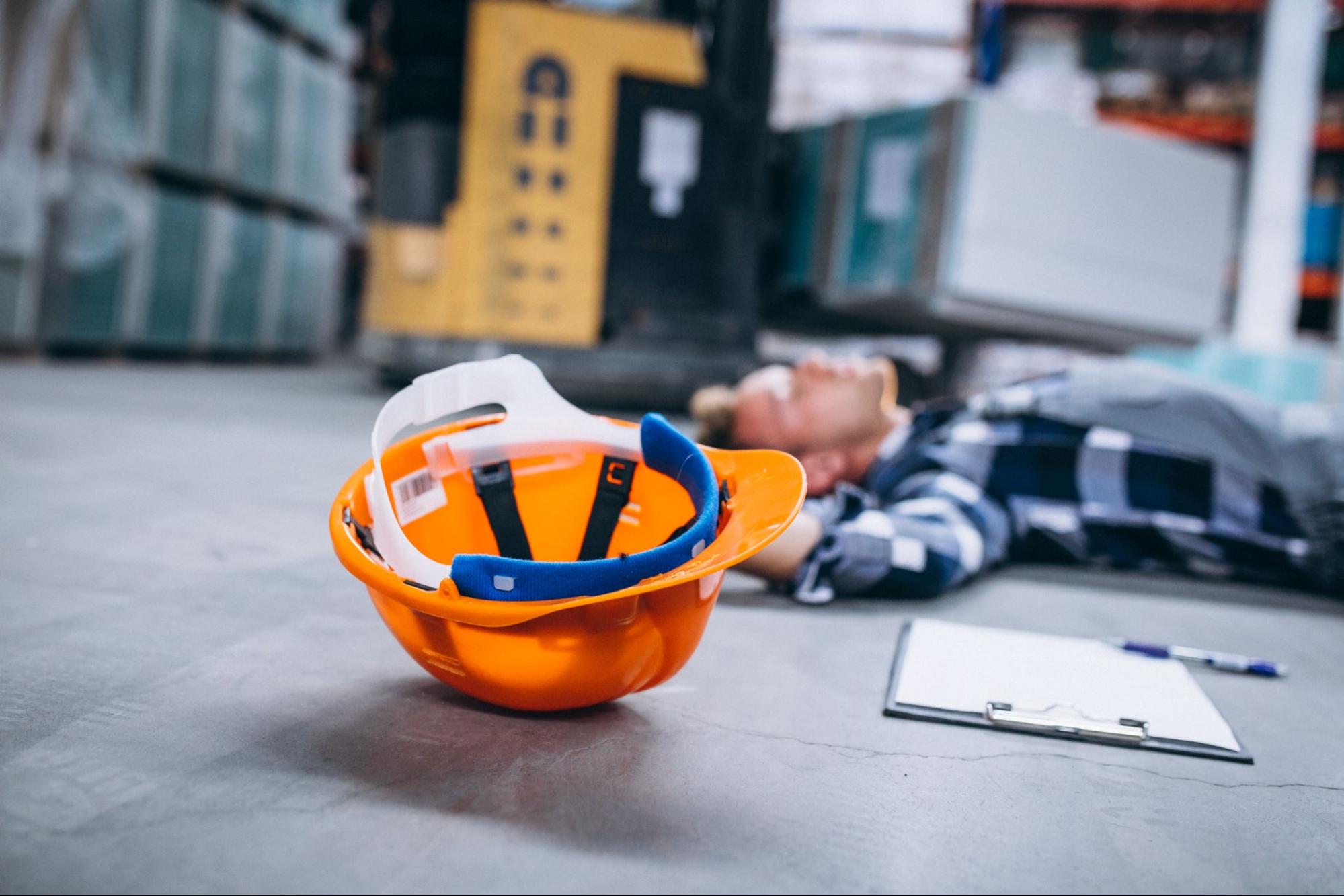
A fall from scaffolding, a serious cut from a power tool or an injury involving a mobile plant can happen quickly on a construction site. When it does, the first few minutes depend on having trained people and the right first aid equipment close at hand.
The national data shows why construction needs stronger first aid planning. Safe Work Australia recorded 9.3 serious workers' compensation claims per million hours worked in construction, based on provisional 2023-24 data. Across all Australian industries, the rate was 6.8, according to its Key Work Health and Safety Statistics Australia 2025.
Getting first aid for construction right means planning for the realities of an active worksite. The right people, equipment and facilities need to be in place before an incident happens, not worked out when one does.
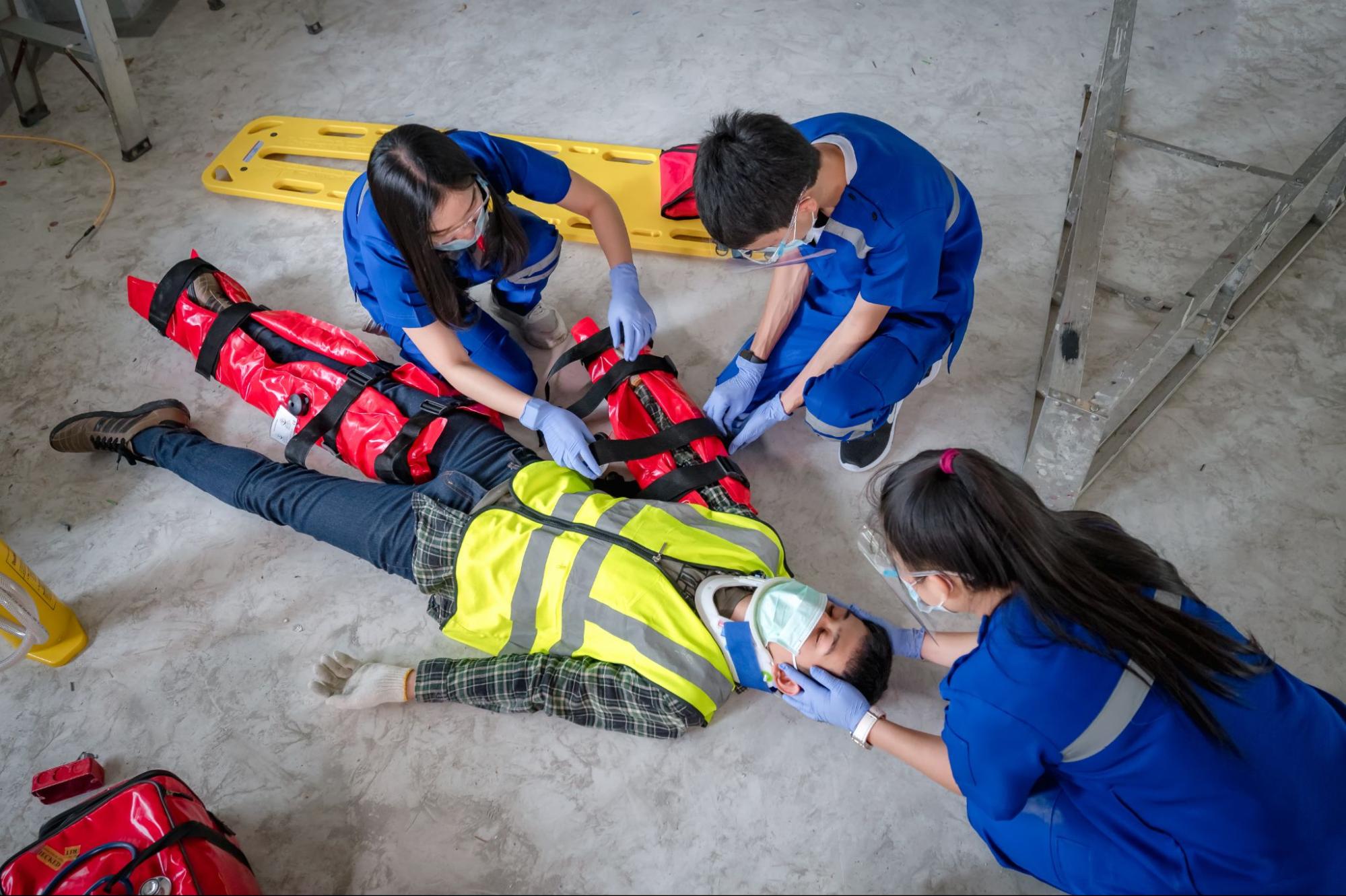
Safe Work Australia uses construction as an example of a high-risk workplace in its first aid guidance . In practice, that means first aid provisions need to account for a greater risk of serious injury than they would in a typical low-risk workplace.
The right setup will also look different from one project to the next. A small fit-out crew working in one building won't have the same needs as a large civil project with workers spread across multiple work areas.
Construction first aid requirements in Australia follow this risk-based approach, although requirements can vary between states and territories. Check the current requirements with your WHS regulator when reviewing your site's arrangements.
For high-risk workplaces such as construction, Safe Work Australia recommends one trained first aider for every 25 workers. For remote high-risk workplaces, that increases to one for every 10 workers.
These ratios are a starting point. A site with 50 workers may need more than two first aiders if crews are split across multiple levels, separate compounds or different shifts. Coverage needs to reflect where and when people are actually working.
Review first aider coverage throughout the project, particularly when workforce numbers, shifts or work areas change.
There’s no single construction site first aid kit that suits every project. Start with a workplace kit appropriate for your workforce, then add supplies for the hazards present on site.
Depending on the work being carried out, this may include:
A high-risk workplace first aid kit should reflect the injuries workers could realistically face on that site.
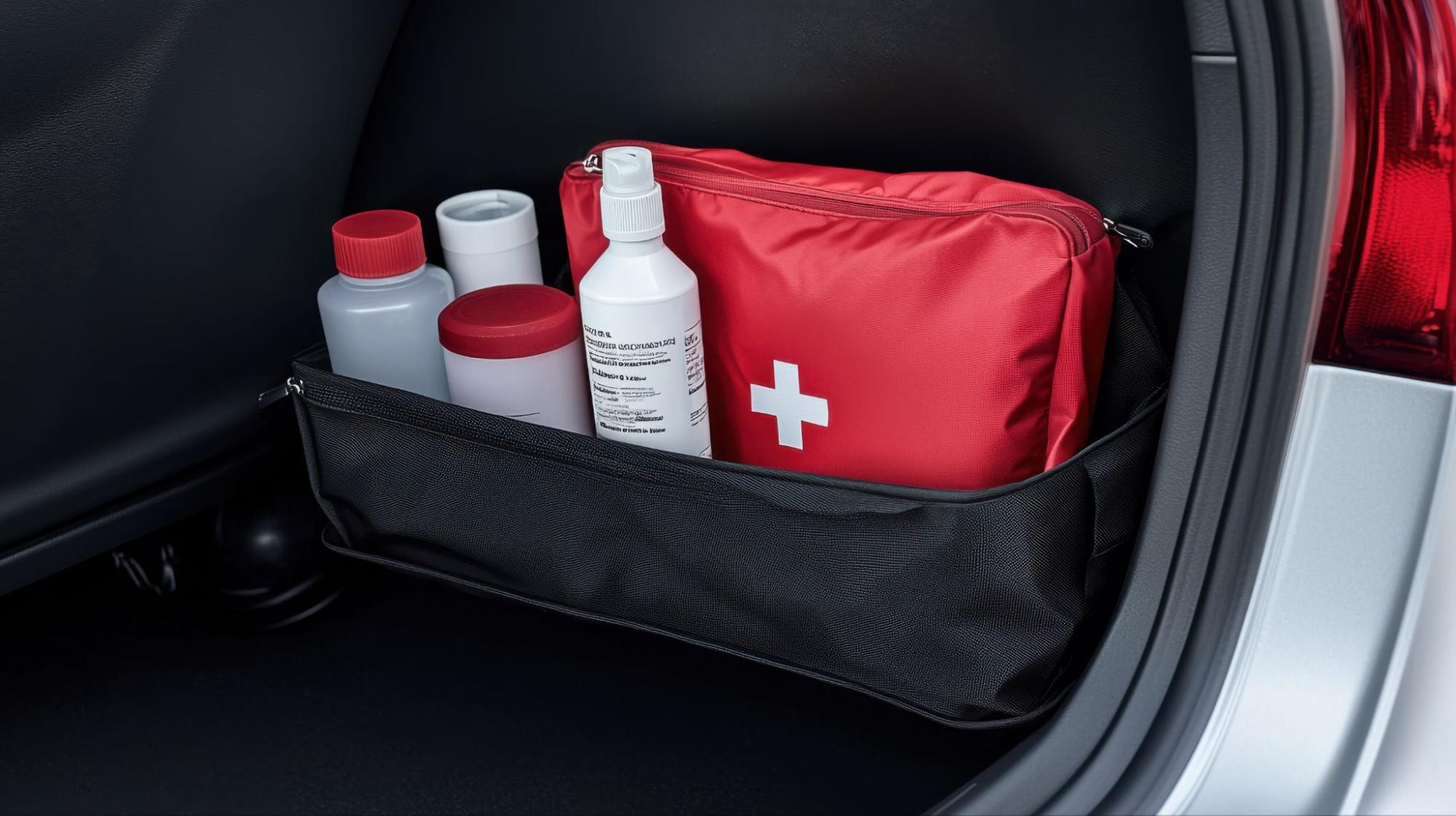
First aid equipment needs to be easy to find and quick to reach. One well-positioned kit may be enough for a small, compact site, while larger or more dispersed projects will often need several.
A multi-level build may need kits on different floors, while a civil project spread across a long work zone may need fixed kits at key locations and portable kits in work vehicles . Keep each kit clearly signed, unobstructed and close to areas where injuries are more likely to occur.
Site layouts rarely stay the same throughout a project. Review kit locations as new levels, compounds or work areas open.
A sole tradie working from a van needs a very different first aid setup from a major construction project. As the workforce grows, first aider coverage, kit capacity and first aid facilities need to scale with it.
There’s no national requirement for every construction site to have an automated external defibrillator (AED) . Workforce size, electrical work, site location and emergency response times can all help determine whether your workplace needs a defibrillator .
If an AED is provided, keep it clearly identified, easy to access and included in the site’s emergency procedures.
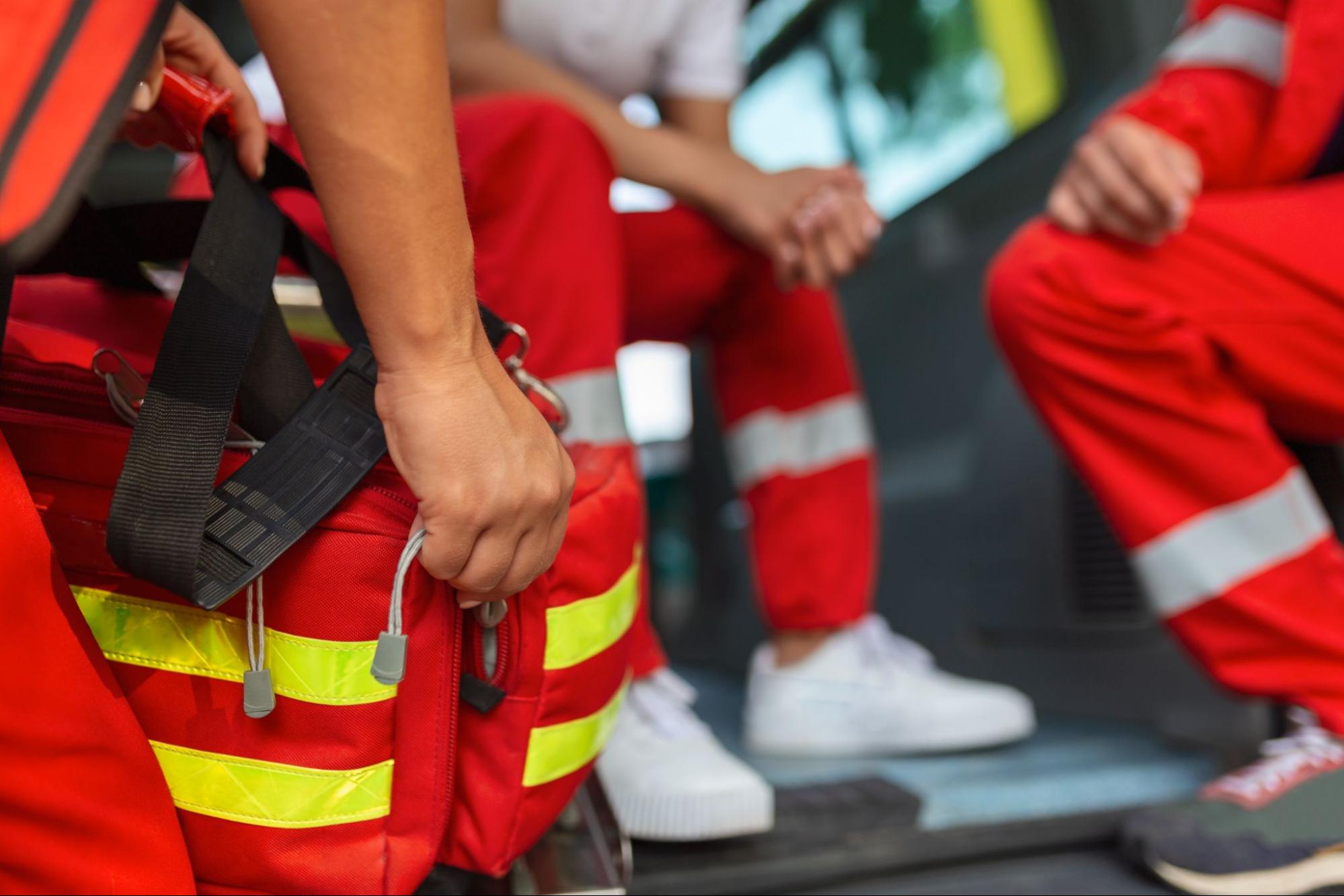
First aid kits need attention throughout the project. Supplies get used, sterile items expire and kit locations can change as work progresses.
Assign someone to check stock levels, expiry dates, packaging condition and accessibility. Set a regular inspection schedule that suits the site, with used items replaced promptly and kits checked again after an incident.
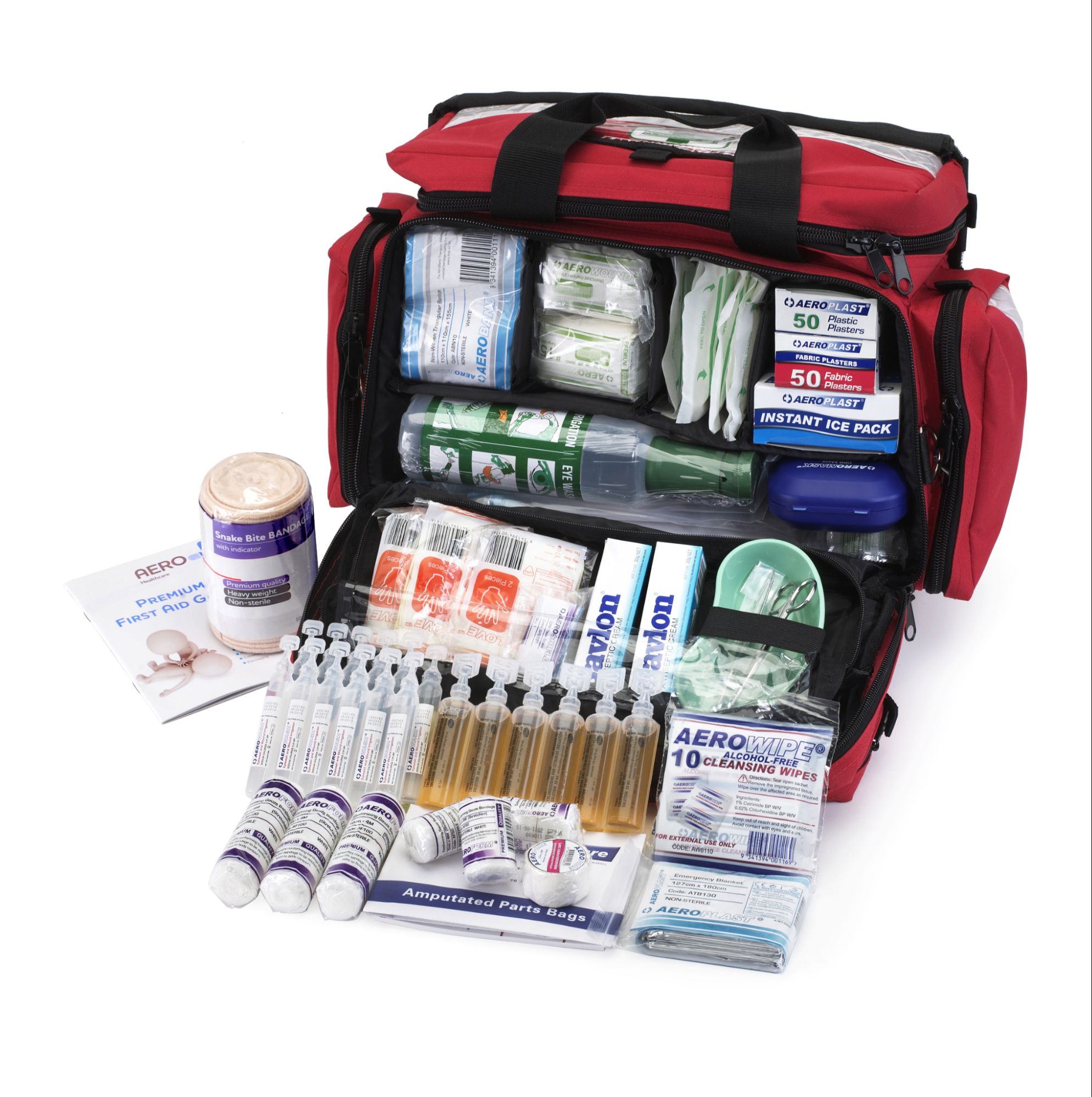
Standardising first aid equipment across crews and worksites can make inspections, restocking and ongoing procurement easier to manage.
LFA First Response supplies the equipment businesses need to manage first aid for construction, including workplace and high-risk first aid kits, trauma kits , vehicle kits and refill packs .
Browse our workplace first aid kit range or contact our team for a wholesale quote. Bulk pricing is available for business and multi-site procurement.
Disclaimer: This article provides general information about workplace first aid and does not constitute legal or medical advice. WHS requirements can vary between states and territories and may change over time. Information is current at the time of writing. Refer to Safe Work Australia's Model Code of Practice: First Aid in the Workplace and confirm current requirements with your relevant state or territory WHS regulator.
It can on a small, compact site if workers can access it quickly. As a project expands across multiple floors, compounds or work zones, additional kits may be needed. The deciding factor is practical access, not simply the number of kits purchased.
First aid planning should consider everyone who may be working at the site, including contractors and subcontractors. PCBUs should consult, cooperate and coordinate where duties overlap so it's clear how first aid will be provided and who is responsible for maintaining coverage.
Work vehicles should have first aid equipment where workers travel as part of their job and may not have ready access to the site's main facilities. This is particularly relevant for mobile trades, civil crews and workers moving between locations.
No. Standardising core equipment can simplify procurement and restocking, but the final kit configuration should still reflect the hazards at each site. A remote civil project, demolition site and commercial fit-out may require different additional supplies.
Changes during a project can affect how much first aid coverage a site needs. Regularly reviewing your approach to first aid for construction helps account for changes in workforce numbers, shifts, site layout, work activities and access to emergency services.

When someone is seriously hurt at work, the minutes before an ambulance arrives are the ones that matter most. On a busy warehouse floor, a remote mine site or a large campus, that early care has to happen somewhere clean, private and set up for the job. That somewhere is a first aid room.
J
Jason Hitch
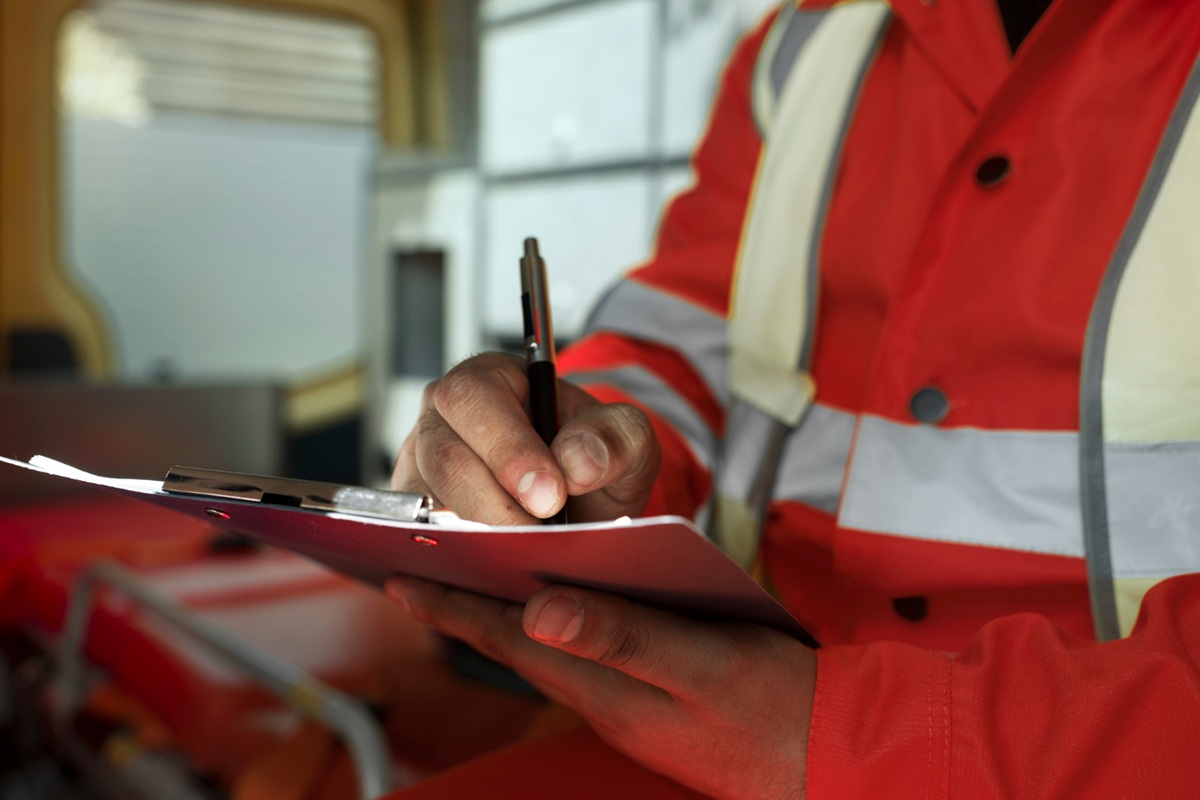
Keeping up with mine health and safety regulations isn’t just about ticking boxes. It’s about making sure every worker on your site goes home safe. In one of Australia’s toughest and riskiest industries, staying compliant with first aid requirements is more important than ever.
J
Jason Hitch

If you’ve ever worked a remote site, you already know it’s a different beast entirely. You're not just thinking about safety protocols. You're thinking about what happens when everything goes sideways and you're the only line of defence.
J
Jason Hitch
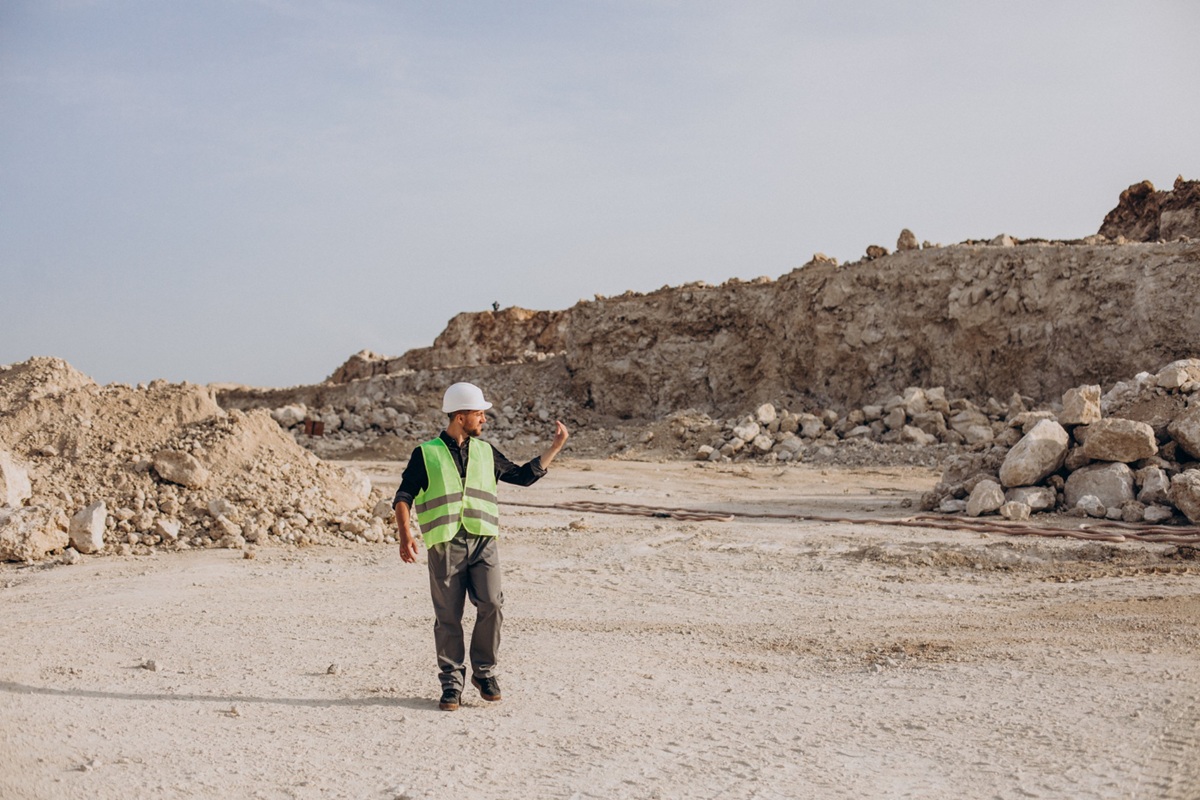
From high-risk machinery to remote locations, every shift brings new challenges. That’s why prevention, preparation, and the right gear are non-negotiable. In this guide, we break down how to minimise injuries and stay compliant with practical, boots-on-the-ground solutions—because when help isn’t just minutes away, being ready makes all the difference.
J
Jason Hitch