J
Jason Hitch
If you’ve ever worked a remote site, you already know it’s a different beast entirely. You're not just thinking about safety protocols. You're thinking about what happens when everything goes sideways and you're the only line of defence.
Remote site working risks aren’t hypothetical. They’re real, recurring, and sometimes life-threatening. You’re dealing with delayed emergency response times, severe injury potential, unpredictable environments, and limited resources, and you’re expected to manage all of that with precision.
This article isn’t here to tell you what you already know. It’s here to help you get ahead of the chaos with actionable strategies, gear that actually holds up in the field, and a focused look at how to keep your team safe when help isn't just around the corner
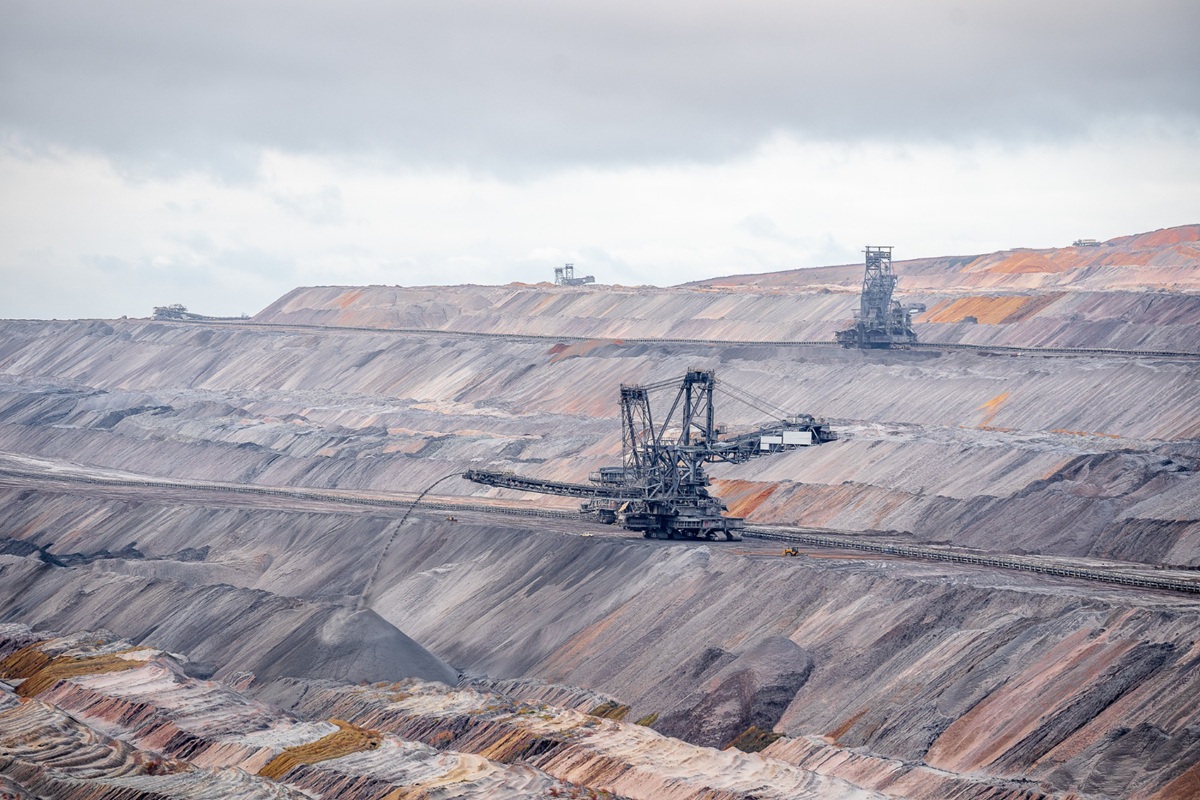
Not all workplaces are created equal, and some don’t even have a road leading to them. A remote work site is any workplace located far from urban infrastructure, emergency services, or immediate medical care. We’re talking about places where mobile reception is patchy at best, and “nearest hospital” could mean hours away by vehicle or airlift.
These work environments are common in industries like mining, construction, energy, and agriculture. And they don’t just come with logistical headaches, they come with real safety concerns. Isolated workers often operate alone or in small teams, far from backup. That means even minor injuries or incidents can become major threats if response times are delayed.
Because of this, remote sites are considered hazardous workplaces by default. The lack of proximity to support services, harsh conditions, and high-risk tasks combine to create a perfect storm for accidents. It’s why work health strategies in remote settings need to go beyond the checklist. They need to be custom-built for worst-case scenarios.
Working on a remote site means constantly navigating high-stakes challenges, and for safety officers, knowing what can go wrong is half the battle. These aren’t “what ifs,” they’re recurring threats that can escalate fast without the right systems in place.
Here are some of the most common remote site working risks examples seen across mining, energy, and rural construction:
Delayed Emergency Response – When someone’s injured, minutes matter. But on remote sites, emergency medical services could be hours away, especially in bad weather or poor terrain.
Environmental Exposure – Extreme heat, freezing temperatures, and wild weather events aren’t just uncomfortable. They’re health hazards, especially when workers are outside for long stretches with limited shelter.
Communication Failures – Patchy mobile service and unreliable radios are still a reality in many remote areas. If a worker goes down or gets lost, a broken comms line can delay rescue efforts dramatically.
Vehicle & Machinery Accidents – With heavy equipment, 4WDs, and long travel times on unsealed roads, remote site transport itself is classified as risk work, and rollovers, collisions, and mechanical failures are all too common.
Mental Fatigue & Isolation – Long shifts, minimal social contact, and demanding physical labour can take a toll on mental health, making even routine tasks more dangerous.
Managing these hazards isn’t just about reaction, it’s about building a culture of safe work before the first shift begins. That means proper training, robust incident protocols, and fully stocked emergency supplies that match the severity of the risks.
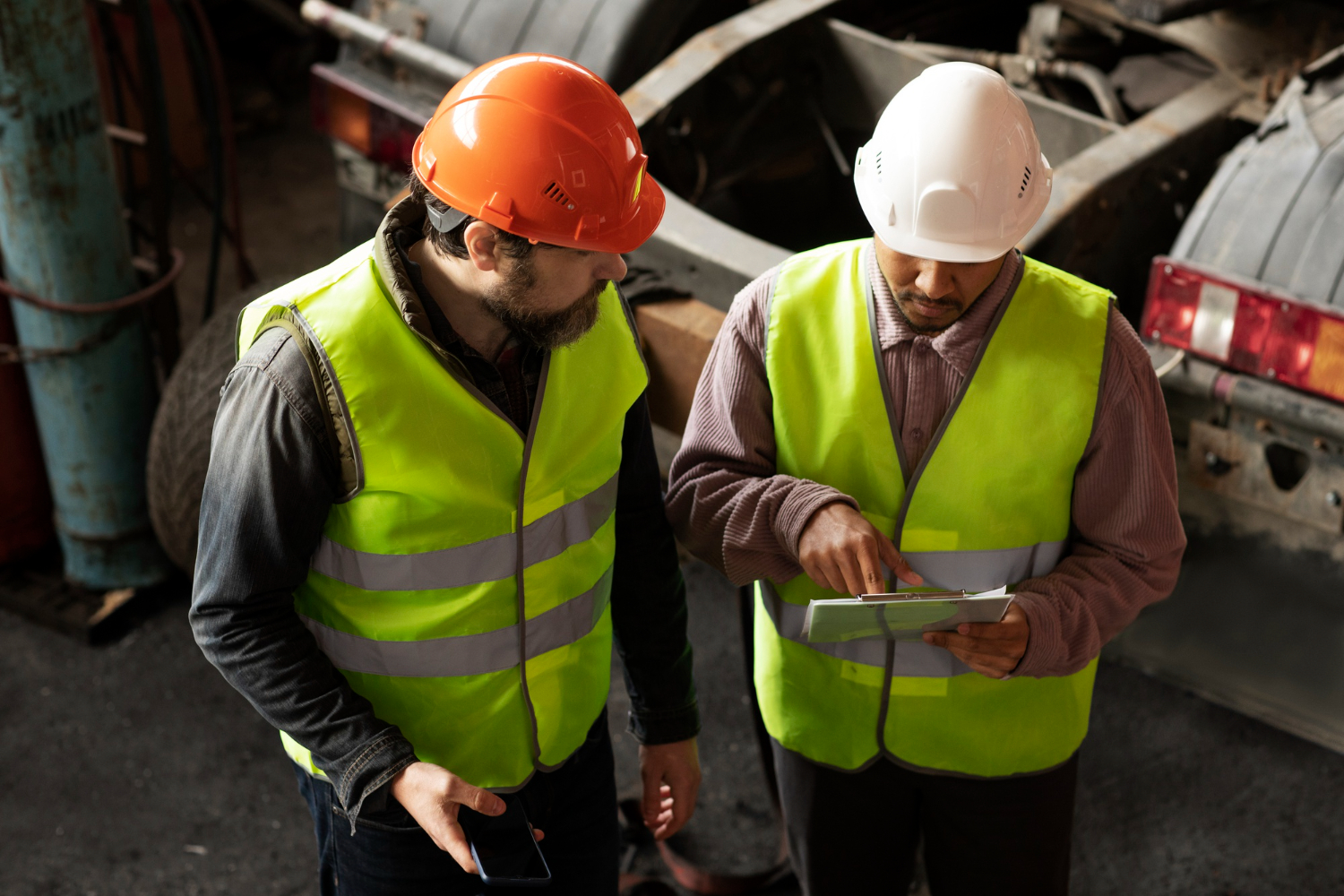
Remote sites don’t leave much room for error, which means strong safety management is not an option. To stay ahead of accidents (not just react to them), mining safety officers and site leads need to invest in systems that go beyond compliance and actively protect people on the ground.
Here’s how to level up your safety game where it matters most:
Run Tailored Safety Training – Generic training doesn’t cut it in remote locations. Workers need hands-on, scenario-based safety training that reflects real challenges they’ll face, like how to use satellite comms, treat crush injuries with minimal gear, or respond when the nearest medic is 300km away. The goal is to help every team member learn how to respond under pressure, fast and effectively.
Use Redundant Communication Systems – Don’t rely on a single comms method. A mix of satellite phones, GPS trackers, radios, and check-in protocols ensures no one falls off the radar even in black spot zones.
Stock and Rotate Critical Safety Resources –Your first aid kits must be strategically stocked. Think trauma supplies, airway kits, IV fluids, thermal blankets, and splints. And don’t forget the less glamorous stuff: batteries, chargers, spare radios, and water purification tablets. Safety resources should be routinely checked and replenished, not just stored and forgotten.
Establish a Real-Time Incident Plan – Every worker should know exactly what happens the moment something goes wrong. A proper safety management plan includes designated emergency leads, clear evacuation routes, documented protocols, and remote-specific SOPs.
The harsh reality of remote work is that help may be hours away, but danger is right there on-site. The more you learn from past incidents—and prepare like they’ll happen again—the safer your team becomes.
Effective emergency response in remote environments depends on preparation, not proximity to help. When access to medical services is delayed, the right equipment on-site can save lives. That’s why LFA supplies specialised medical gear designed specifically for high-risk, hard-to-reach worksites.
As a safety representative, it is your responsibility to ensure that every team member has immediate access to equipment capable of handling serious injuries and life-threatening conditions.
These are the essentials we recommend for remote operations:
Remote Area First Aid Kits – Our kits are purpose-built for isolated workplaces. They include trauma supplies, airway management tools, burn treatments, and splinting gear, everything required for serious injury support until professional help arrives.
Defibrillators (AEDs) – In the event of cardiac arrest, an AED can make the difference between survival and fatality. Our AEDs are portable, durable, and easy to use, ideal for unpredictable and rugged environments.
Spine Boards and Stretchers – Safe patient transport is critical in remote terrain. We provide lightweight, high-strength boards and stretchers that can be deployed quickly, even in difficult conditions.
Oxygen and Resuscitation Equipment – Respiratory emergencies demand immediate intervention. Our resuscitation kits include bag valve masks, oxygen delivery systems, and airway protection tools, ensuring readiness in critical moments.
Communication Tools – In a remote incident, rapid communication is a core part of the response. Equip your team with satellite phones and personal locator beacons to maintain consistent contact with emergency services and base operations.
Thermal and Emergency Shelter Supplies – Environmental exposure can escalate minor injuries into major threats. Our kits include thermal blankets, shelters, and temperature-regulating equipment to prevent hypothermia or heat stress.
Snake and Spider Bite Management – In Australia’s remote regions, bites from venomous snakes or spiders are a serious threat. We stock pressure immobilisation bandages, bite kits, and clear treatment instructions designed to slow venom spread and buy vital time until medical assistance arrives.
At LFA, we support workplace health and safety across Australia's most remote industries. We understand the risks involved in remote site operations, and we provide the equipment you need to meet those challenges—compliantly, efficiently, and without compromise.
Remote site working risks demand more than awareness and require decisive action backed by the right tools and training. Hazardous environments, delayed emergency response, and complex compliance requirements make safety a core operational priority.
At LFA First Response, we provide the resources to meet that standard. Our extensive product range covers everything from advanced first aid kits to specialist emergency gear, tailored specifically for remote and high-risk workplaces. We offer fully custom solutions to ensure your team has exactly what it needs.
If you're responsible for safety in remote environments, talk to us today. We’ll help you build a safer, more responsive workplace from the ground up.
Get in Touch With Our Team and Explore Our Remote Site Safety Solutions
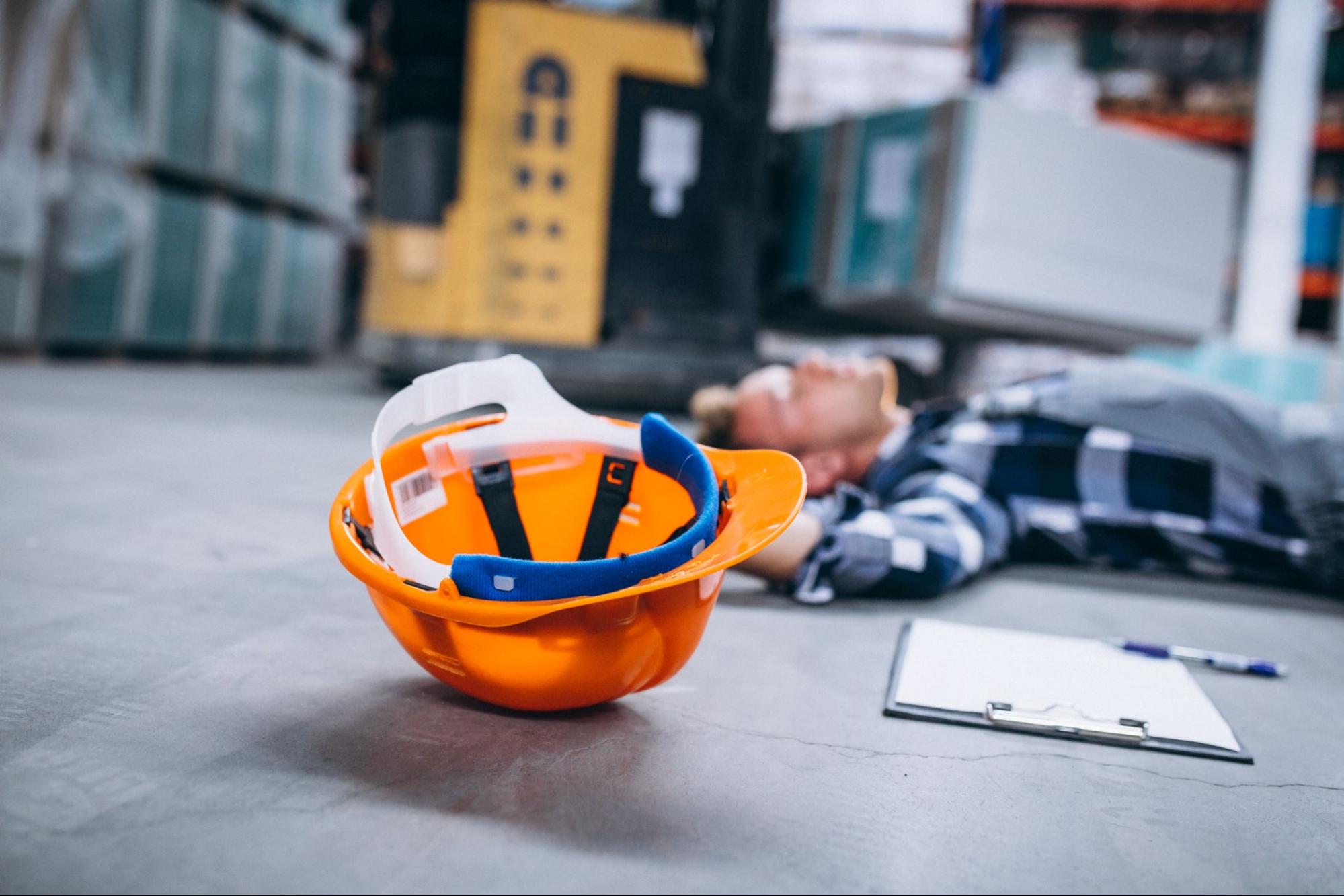
Get first aid for construction right with LFA First Response. Learn about first aiders, kits, placement and compliance for Australian worksites.
J
Jason Hitch

When someone is seriously hurt at work, the minutes before an ambulance arrives are the ones that matter most. On a busy warehouse floor, a remote mine site or a large campus, that early care has to happen somewhere clean, private and set up for the job. That somewhere is a first aid room.
J
Jason Hitch
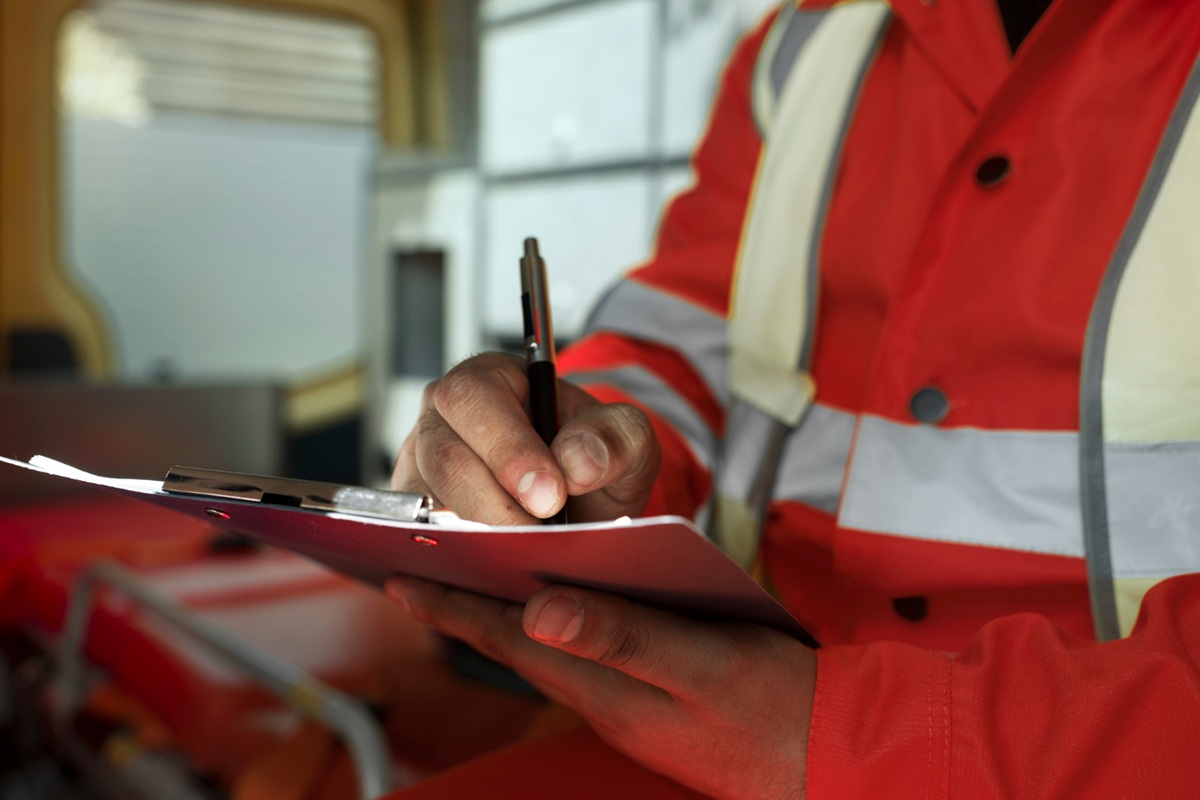
Keeping up with mine health and safety regulations isn’t just about ticking boxes. It’s about making sure every worker on your site goes home safe. In one of Australia’s toughest and riskiest industries, staying compliant with first aid requirements is more important than ever.
J
Jason Hitch
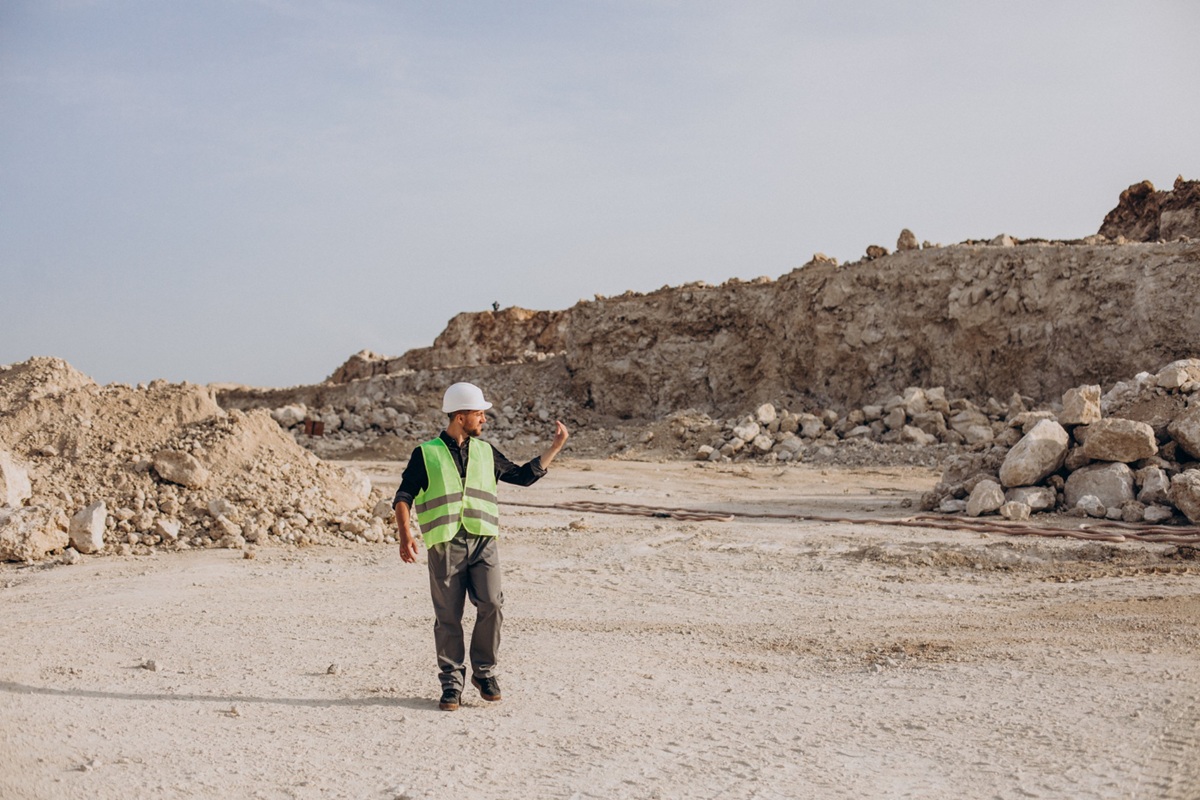
From high-risk machinery to remote locations, every shift brings new challenges. That’s why prevention, preparation, and the right gear are non-negotiable. In this guide, we break down how to minimise injuries and stay compliant with practical, boots-on-the-ground solutions—because when help isn’t just minutes away, being ready makes all the difference.
J
Jason Hitch