J
Jason Hitch
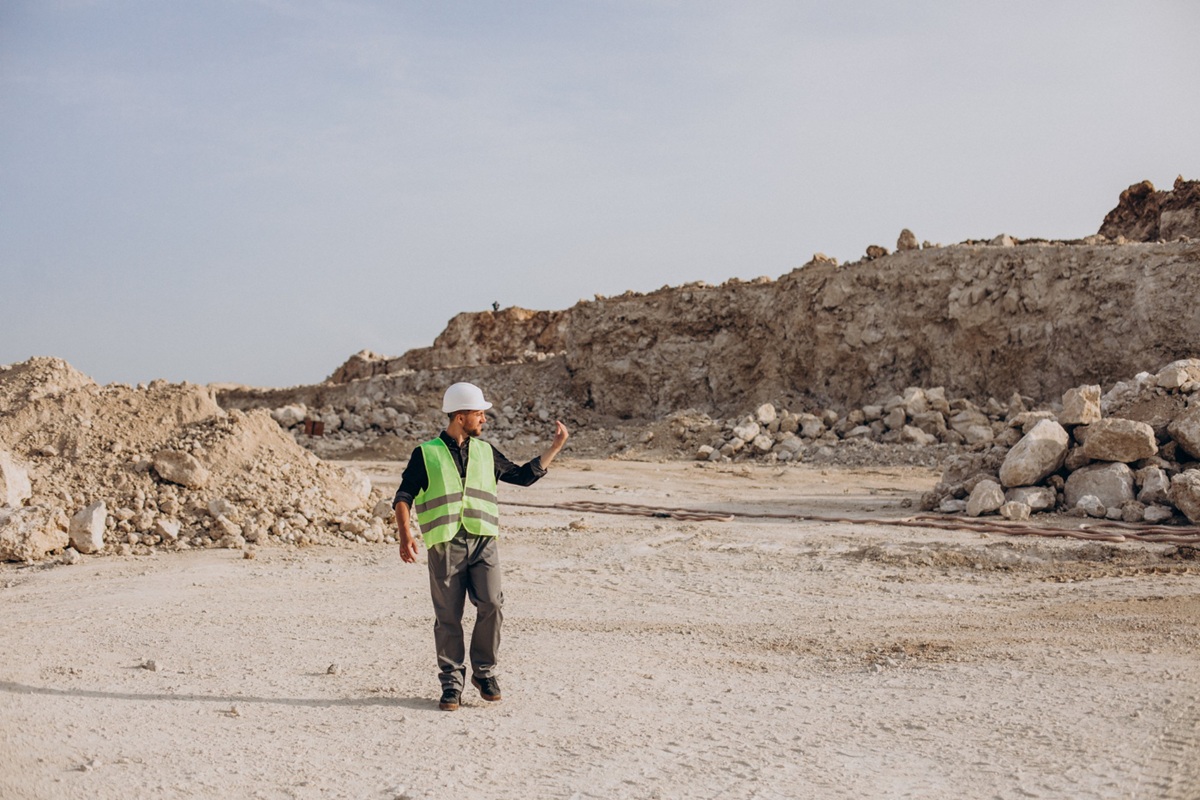
When you’re managing safety on a mine site, there’s no such thing as “just another day at work.” You’re not only watching for hazards, you're prepping for worst-case scenarios in some of the toughest conditions on the planet.
Between the remote locations, heavy-duty machinery, and unpredictable terrain, the stakes are sky-high. One misstep can mean serious injuries, expensive downtime, or worse. And when medical help isn’t exactly five minutes down the road, prevention becomes everything.
This guide breaks down how to prevent mining injuries with real-world strategies that go beyond the basics. From risk assessments and regulation checklists to gear, training, and first aid kits that are actually built for the job, we’ve got your back.
Whether you're gearing up for the next audit or just trying to keep your team safe and your site compliant, consider this your safety game plan.
Before we talk solutions, let’s talk about the risks.
Mining injuries aren’t rare. They’re a constant possibility, especially when you're working with massive machinery, unstable terrain, and unpredictable conditions, often hours away from the nearest hospital. That’s why prevention isn't just a checkbox but your first line of defence.
Here are some of the most common injuries you’re up against:
Crush injuries from machinery, rockfalls, or vehicle incidents
Falls from elevated surfaces or unstable ground
Respiratory issues from exposure to dust, gas, or poor ventilation
Heat-related illnesses like heat exhaustion or stroke
Electrical injuries from faulty wiring or equipment malfunctions
Each one can escalate quickly, which is why spotting the risk before it happens is half the battle. And that’s where smart planning comes in.
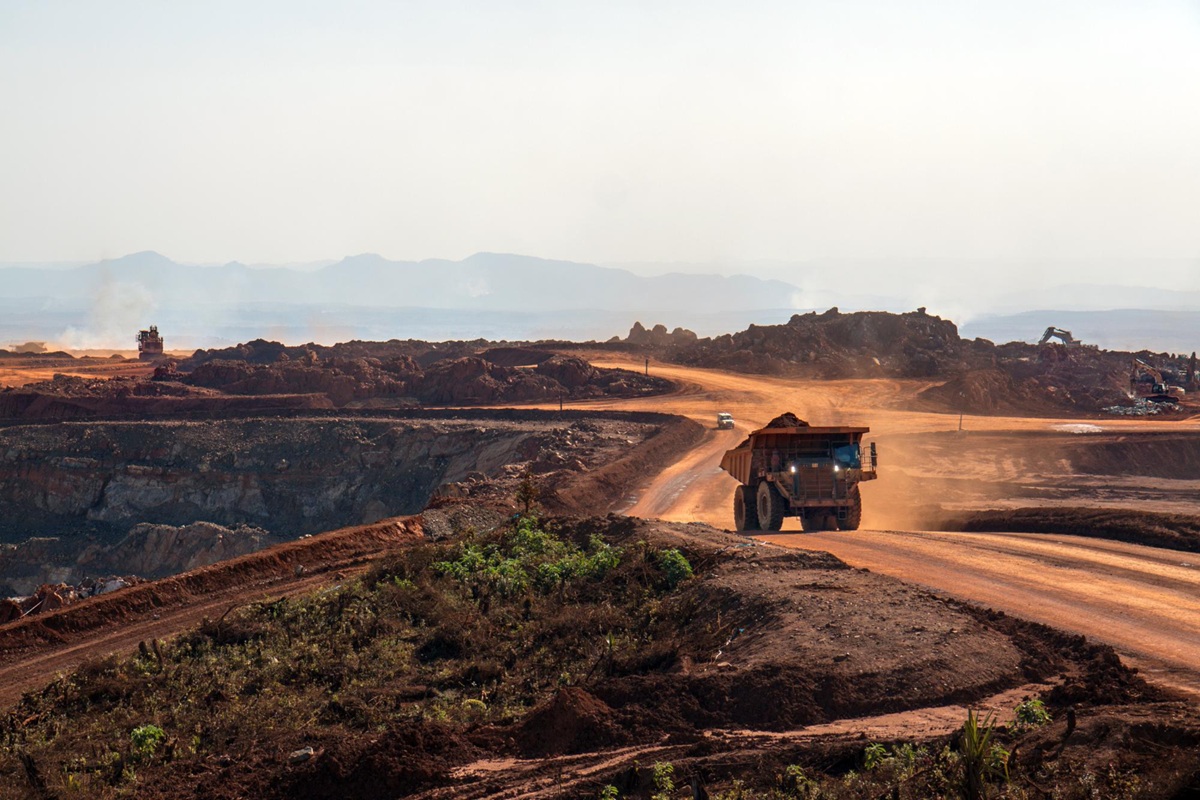
Every safe mine site starts with a thorough risk assessment and not just a generic checklist. We’re talking site-specific, detail-driven audits that look at everything from terrain hazards and equipment use to emergency exit routes and supply access.
Here’s what a strong safety plan for the mining industry should always include:
Regular site audits to identify new risks as operations evolve
Job-specific risk assessments that factor in task, environment, and worker experience
Clear emergency protocols for everything from minor injuries to major incidents
Compliance checks to make sure you're up to speed with WHS regulations
Keep in mind, this isn’t a one-and-done kind of thing. Risk evolves. Weather shifts. Equipment breaks down. New team members join. The smartest mine safety officers review and update their safety plans constantly.
Staying ahead of injuries starts long before something goes wrong. With a solid plan, you’re not just ticking off requirements, you’re actively building a safer site.
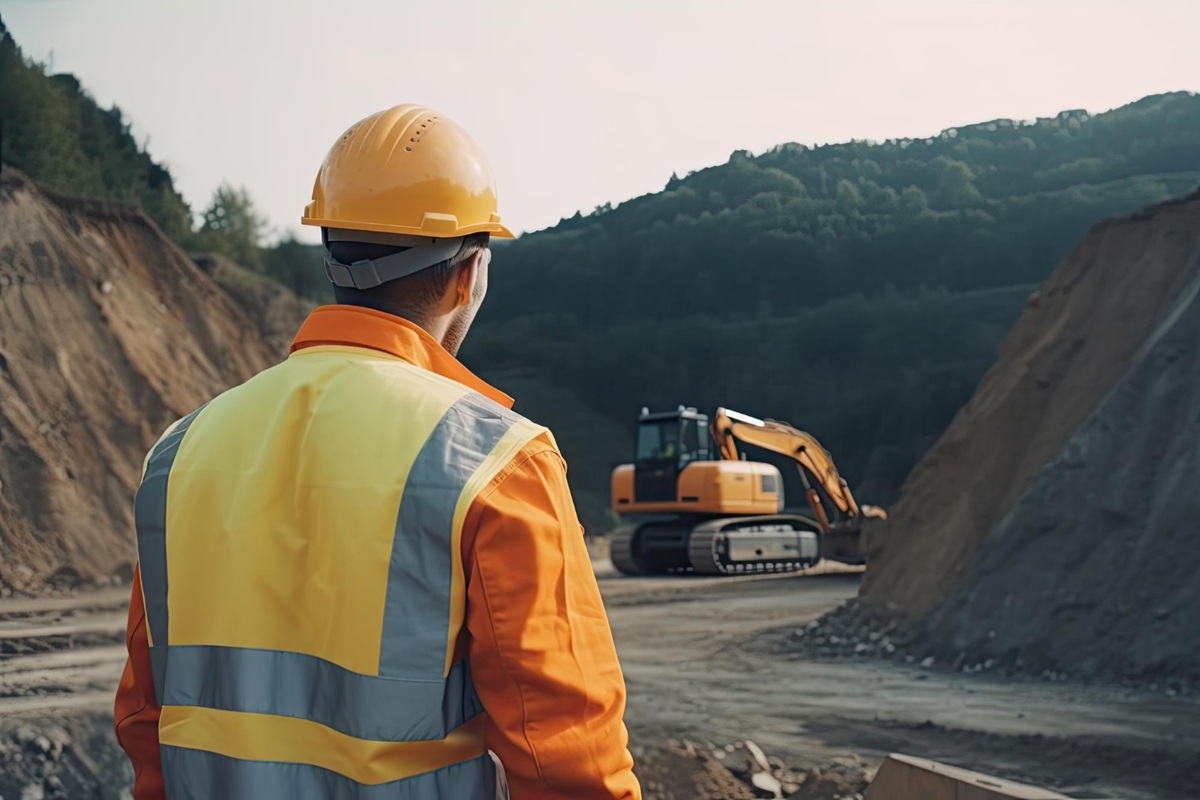
Safety systems only work when they align with the right standards and are backed by action on the ground.
Australian mining companies are required to meet strict Work Health and Safety (WHS) standards. These aren’t just legal obligations, they’re the foundation for keeping workers safe in high-risk, often remote environments. Compliance ensures everyone from new hires to veteran operators understands how to prevent and respond to incidents.
A critical piece of that puzzle is first aid compliance. Mining first aid kits must be stocked according to WHS guidelines, placed in accessible locations, and tailored to site-specific hazards. A generic kit won’t cut it in a high-risk zone where crush injuries, burns, or respiratory incidents are real threats.
Key compliance priorities:
First aid kits that meet or exceed WHS requirements
Ongoing kit inspections and restocking protocols
Mandatory training programs to ensure proper use of safety equipment
Regular reviews to align emergency tools with current site operations
LFA First Response supports this process with first aid kits designed for mining environments. Each kit includes high-quality, TGA-registered medical supplies with extended shelf lives, reducing the need for frequent replacements. Our gear meets safety requirements and is built for long-term, remote use.
Strong safety standards and proper medical gear are essential to creating a site that’s not just compliant, but genuinely prepared.
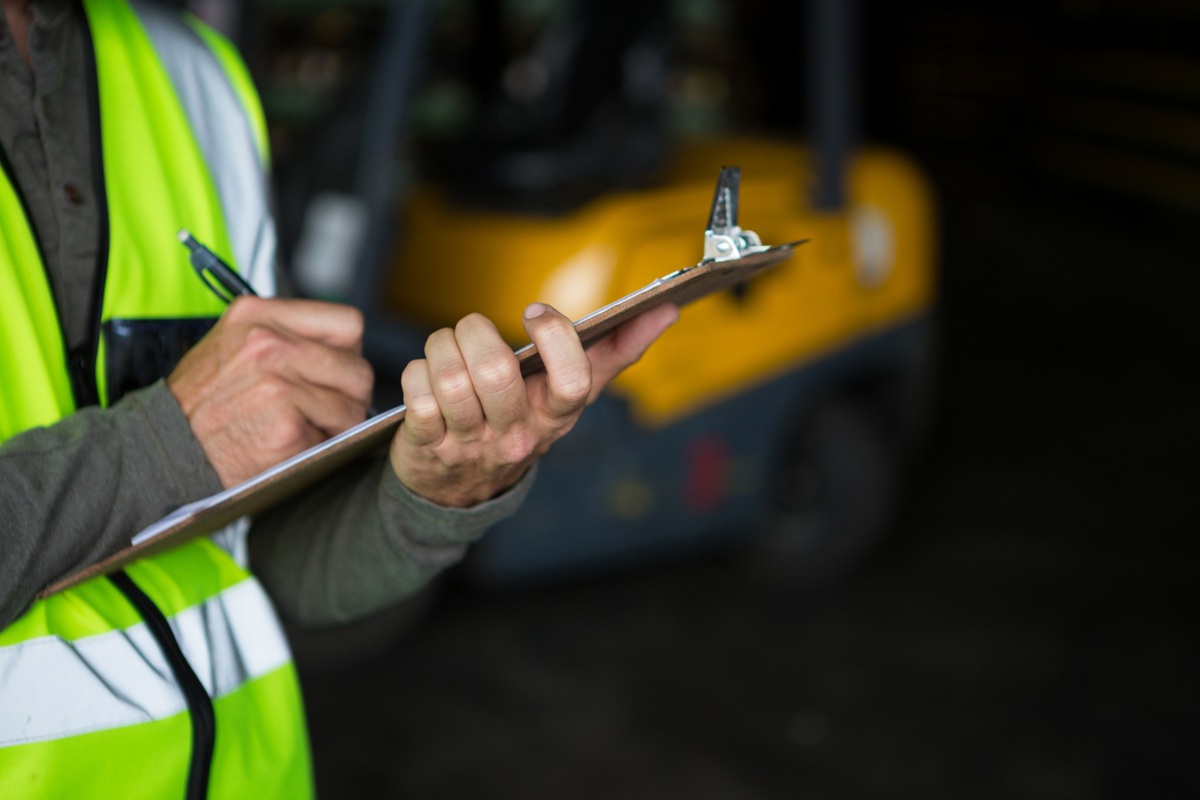
Every worker on-site needs access to PPE ( personal protective equipment ) that’s up to the task. That means helmets that can take a hit, high-vis that doesn’t fade into the dust, gloves that actually protect, and respiratory masks that can handle more than just a puff of dirt.
The right equipment reduces the risk of injury from falls, impacts, exposure to harmful substances, and extreme heat. More importantly, it gives miners the confidence to focus on the job, knowing their gear has their back.
Essentials include:
Hard hats and impact-resistant eyewear
High-visibility clothing and reflective gear
Steel-toe boots and anti-slip footwear
Gloves suited for task-specific hazards
Respiratory masks for dust, gas, and airborne particles
Hearing protection for high-noise zones
All gear must be industry-grade and regularly inspected. Worn-out or poorly maintained equipment creates a false sense of safety in the mines, which can cause accidents.
Strong gear saves lives. There’s no shortcut here.
Knowing what to do in an emergency shouldn’t be guesswork; it should be muscle memory.
In high-risk environments like underground mines, comprehensive training is one of the most effective safety measures available. Every team member needs to understand the site's safety procedures inside and out, including evacuation protocols, how to use emergency equipment, and how to respond to common injuries.
Initial onboarding is only the start. Refresher courses are critical for keeping safety knowledge sharp, especially in operations where turnover is high or conditions constantly evolve. Training should be frequent, practical, and relevant to the real risks workers face every day in their mining operations.
Key areas to cover:
Emergency response and evacuation drills
First aid and trauma management
Fire safety and hazard recognition
Task-specific safety protocols
Communication procedures during critical incidents
Strong risk management starts with a team that’s trained, confident, and ready to act. It means building a culture where preparedness is non-negotiable and safety is everyone’s responsibility.
LFA First Response complements these efforts with first aid kits and emergency equipment designed for mining emergencies, ensuring that when something does go wrong, the right tools are already on-site and ready to go.
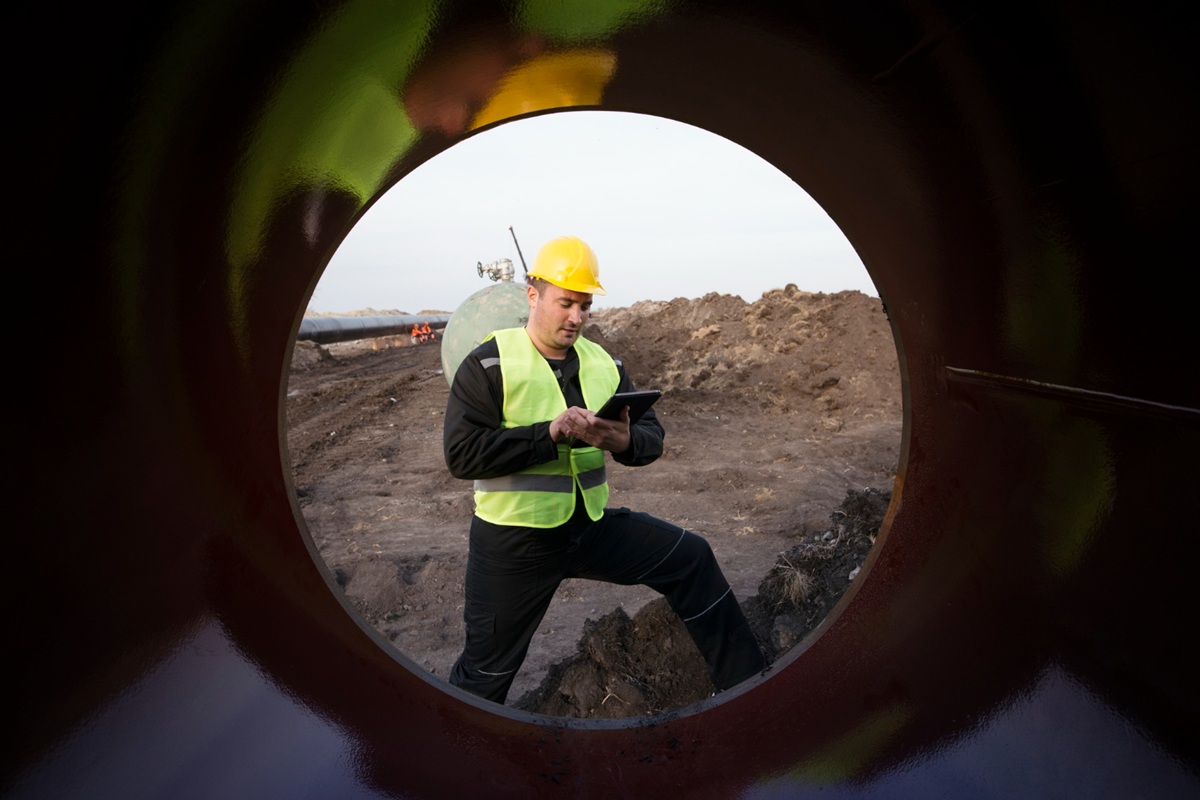
As a safety officer, the well-being of your team should always be your top priority. In the mining industry, the physical demands placed on workers are immense, and ensuring they are fit to perform their tasks safely is a responsibility you can’t afford to overlook.
Regular health checks are not just a formality; they’re essential for preventing mining accidents and maintaining a safe working environment, especially in underground mining.
To keep your team safe, you need to prioritise:
Routine health screenings to catch issues like hearing loss, fatigue, and stress before they impair performance
Assessments for respiratory and cardiovascular health, ensuring workers are physically prepared for the demands of the job
Fitness evaluations to confirm workers are fit for duty, reducing the risk of strain-related injuries or accidents
By integrating health checks into your safety protocols, you're not just meeting mining safety rules and regulations, you're creating a culture of care that values the long-term health of your team.
This proactive approach shows workers that their well-being is taken seriously and that you're committed to reducing the risks that come with the job. When health is prioritised, the chances of accidents decrease, morale improves, and your workers can focus on what matters most: doing their jobs safely and effectively.
When it comes to mining safety, LFA First Response offers solutions tailored specifically to your site’s needs. Here’s why they’re the smart choice for your operation:
Custom first aid kits for mining: Tailored to your site’s unique risks
Long shelf life consumables: Reduces the need for frequent replacements
Price beat guarantee: Cost-effective for bulk orders
Fast delivery: Even to the most remote underground mines
TGA-registered products: Peace of mind that your supplies meet safety standards
Keeping your site safe isn’t just about ticking boxes—it’s about taking care of your team every single day. From personal protective equipment to compliant first aid kits, every detail matters. And when lives are on the line, shortcuts aren’t an option.
Shop now with LFA First Response to get mining-specific safety gear, fast delivery, and trusted support that goes wherever your crew does.

Fast and effective emergency oxygen therapy can save lives for patients experiencing low oxygen levels. In this article, we look at when and how to administer oxygen in an emergency situation – and what oxygen therapy equipment you need to ensure a safe and effective treatment.
J
Jason Hitch
Get first aid for construction right with LFA First Response. Learn about first aiders, kits, placement and compliance for Australian worksites.
J
Jason Hitch

When someone is seriously hurt at work, the minutes before an ambulance arrives are the ones that matter most. On a busy warehouse floor, a remote mine site or a large campus, that early care has to happen somewhere clean, private and set up for the job. That somewhere is a first aid room.
J
Jason Hitch
Keeping up with mine health and safety regulations isn’t just about ticking boxes. It’s about making sure every worker on your site goes home safe. In one of Australia’s toughest and riskiest industries, staying compliant with first aid requirements is more important than ever.
J
Jason Hitch