J
Jason Hitch
Keeping up with mine health and safety regulations isn’t just about ticking boxes. It’s about making sure every worker on your site goes home safe. In one of Australia’s toughest and riskiest industries, staying compliant with first aid requirements is more important than ever.
As we step into 2025, new rules and expectations are reshaping how mining sites handle safety. From remote operations in the Pilbara to underground sites in Queensland, it’s crucial to stay on top of these changes. In this blog, we’ll walk you through what’s new, what’s required, and how the right first aid gear can help keep your team protected and your site compliant.

Mining comes with its fair share of hazards. Heavy machinery, harsh environments, and remote locations all pose serious risks. That’s why Australian regulators like Safe Work Australia and the DMIRS are constantly reviewing and updating safety requirements to match the realities of the job.
Falling short on compliance doesn’t just put your site at risk of fines or shutdowns. It puts your people in danger. And no one wants that. A solid, well-thought-out first aid setup is a key part of creating a safer workplace.
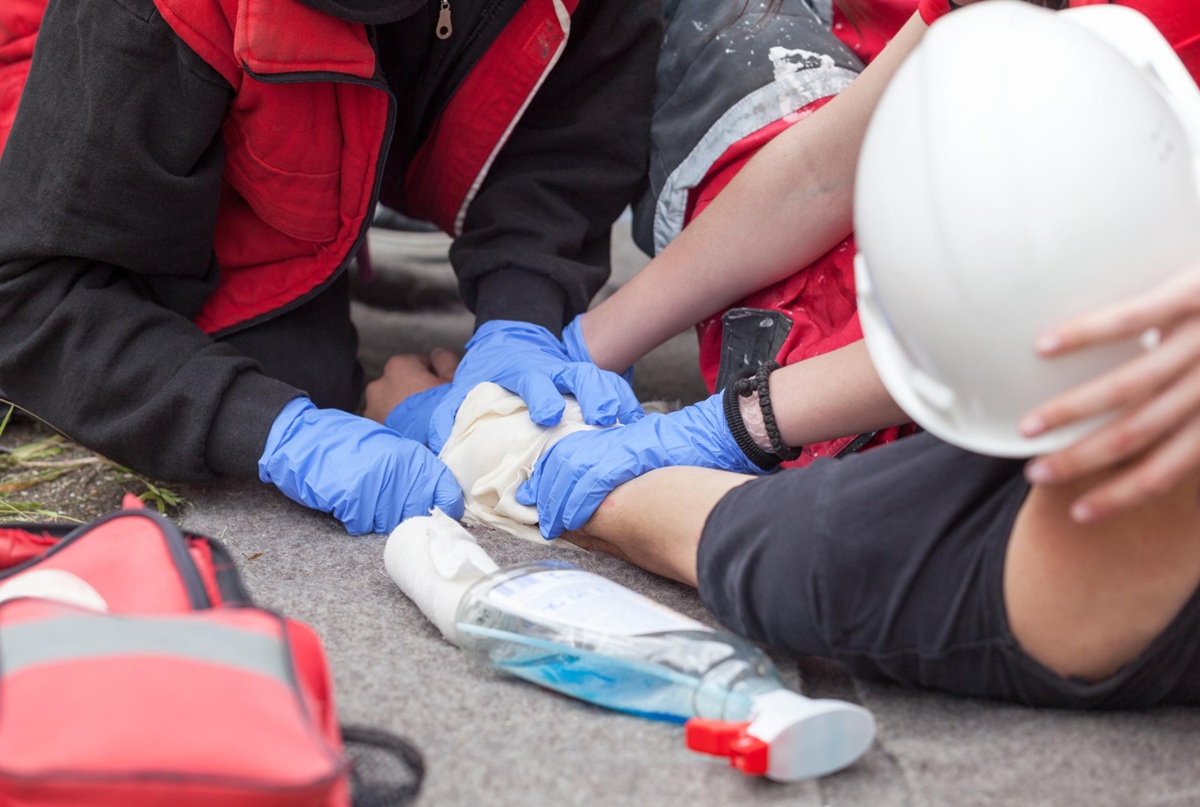
This year, a few big updates have come into play:
Upgraded first aid kits for high-risk sites: Standard kits won’t cut it anymore. Sites now need trauma-ready kits packed with gear for burns, crush injuries, and respiratory issues.
Annual risk assessments: You’ll need to carry out and document a first aid risk assessment every year, tailored to the specific hazards on your site.
More frequent training: First aid officers now need to refresh their skills every 12 months instead of every three years. It’s all about keeping things sharp and up to date.
Easy access to first aid gear: Kits and AEDs need to be clearly signed and easy to reach. No more digging through locked rooms or cluttered sheds.
These changes aren’t just red tape—they’re about giving your team the best chance in an emergency.
Staying on the right side of the regulations starts with having the right tools on hand. Here’s what every compliant mining operation should have in 2025:
Specialised mining first aid kits: These include everything from splints and tourniquets to burn treatments and trauma supplies.
AEDs (automated external defibrillators): Mandatory on all sites, especially the remote ones. They can make a life-or-death difference.
Portable oxygen kits: Vital in areas where toxic gases or low oxygen levels are a concern.
Evacuation stretchers and gear: You’ve got to be able to move an injured worker quickly and safely, no matter the terrain.
Need help sourcing the right gear? At LFA First Response, we’ve got a full range of mining medical supplies designed specifically for Aussie worksites.
Not all mining sites are the same, and your first aid setup should reflect that. Think about where your site is, what kind of work is being done, and what risks are most likely.
Remote sites: If help is hours away, you’ll need more comprehensive kits, multiple AEDs, and maybe even a sat phone.
Underground mines: Tight spaces and poor air quality call for compact oxygen kits, confined space rescue gear, and advanced respiratory tools.
Processing facilities: With chemical hazards in the mix, you’ll need proper PPE, eye wash stations, and neutralising agents on standby.
Customising your setup shows you’re serious about safety, not just ticking a box.
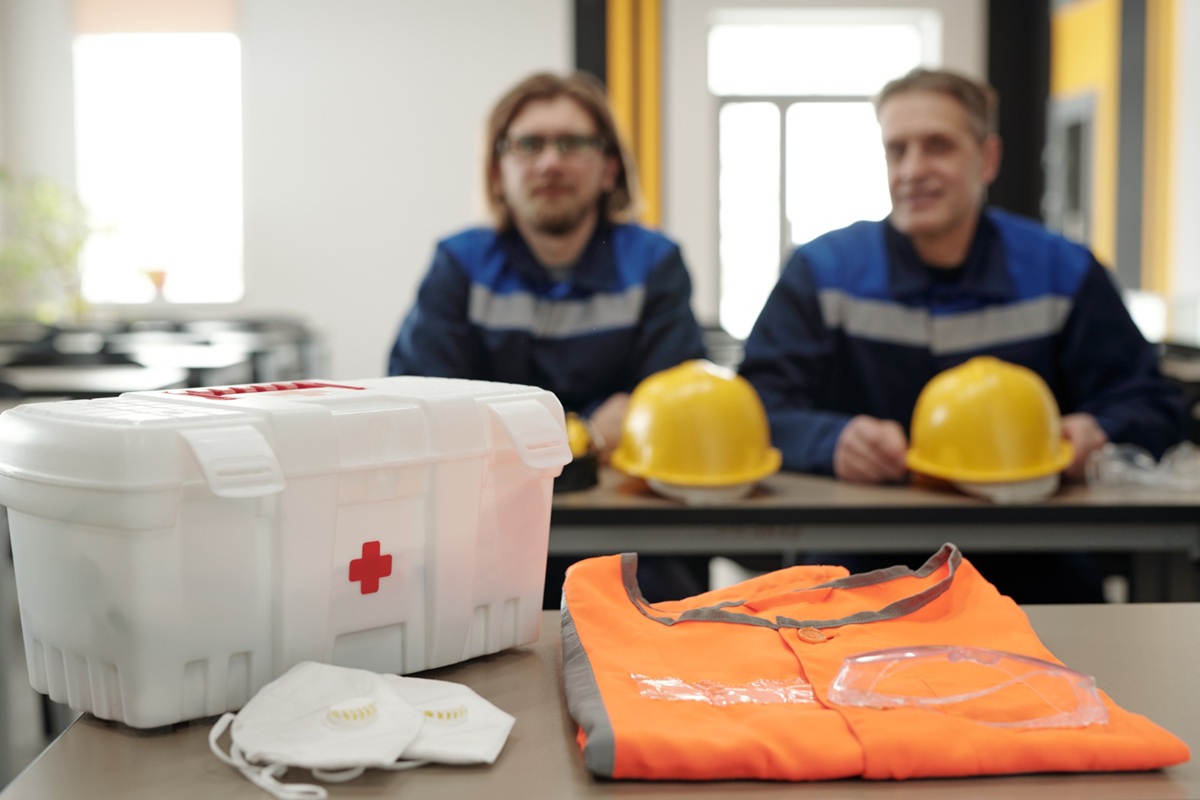
Having the right supplies is crucial, but they’re only part of the picture. To stay truly compliant:
Keep your team trained: Run regular drills and refreshers so everyone knows what to do when it counts.
Check your gear regularly: Set reminders to audit your kits and replace anything that’s missing or expired.
Document everything: From training records to kit inspections, having your paperwork in order can save a lot of headaches if you’re ever audited.
A good supplier can help with reminders, audits, and expert advice to keep things running smoothly.
With stricter mine health and safety regulations in place for 2025, now’s the time to check in on your site’s first aid setup. It’s not just about compliance. It’s about creating a culture of safety and making sure your crew is looked after.
Whether you're building a kit from scratch or just need to update your existing supplies, LFA First Response is here to help. Explore our full range of mining medical supplies and make sure your site is ready for anything.
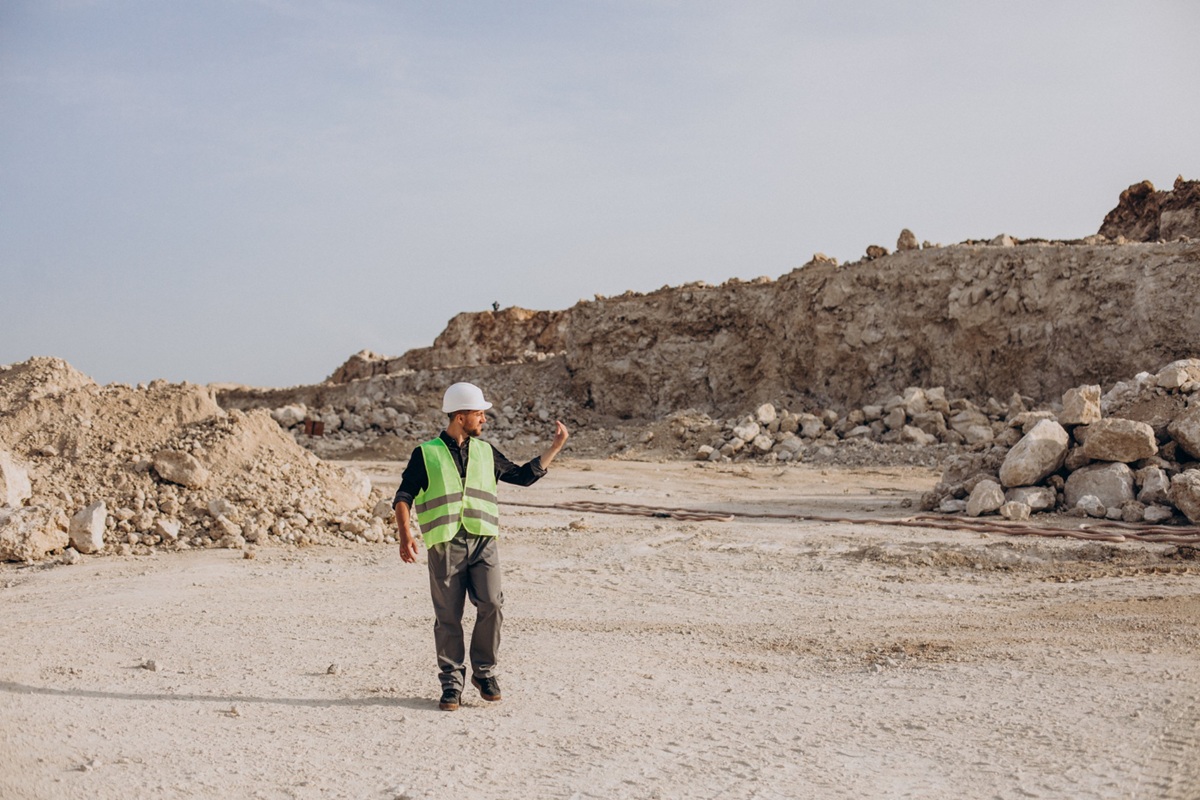
From high-risk machinery to remote locations, every shift brings new challenges. That’s why prevention, preparation, and the right gear are non-negotiable. In this guide, we break down how to minimise injuries and stay compliant with practical, boots-on-the-ground solutions—because when help isn’t just minutes away, being ready makes all the difference.
J
Jason Hitch

Mining is a vital industry that powers economies around the globe, and Australia plays a significant role in it, being one of the largest producers of valuable resources like coal, iron ore, and gold.
J
Jason Hitch
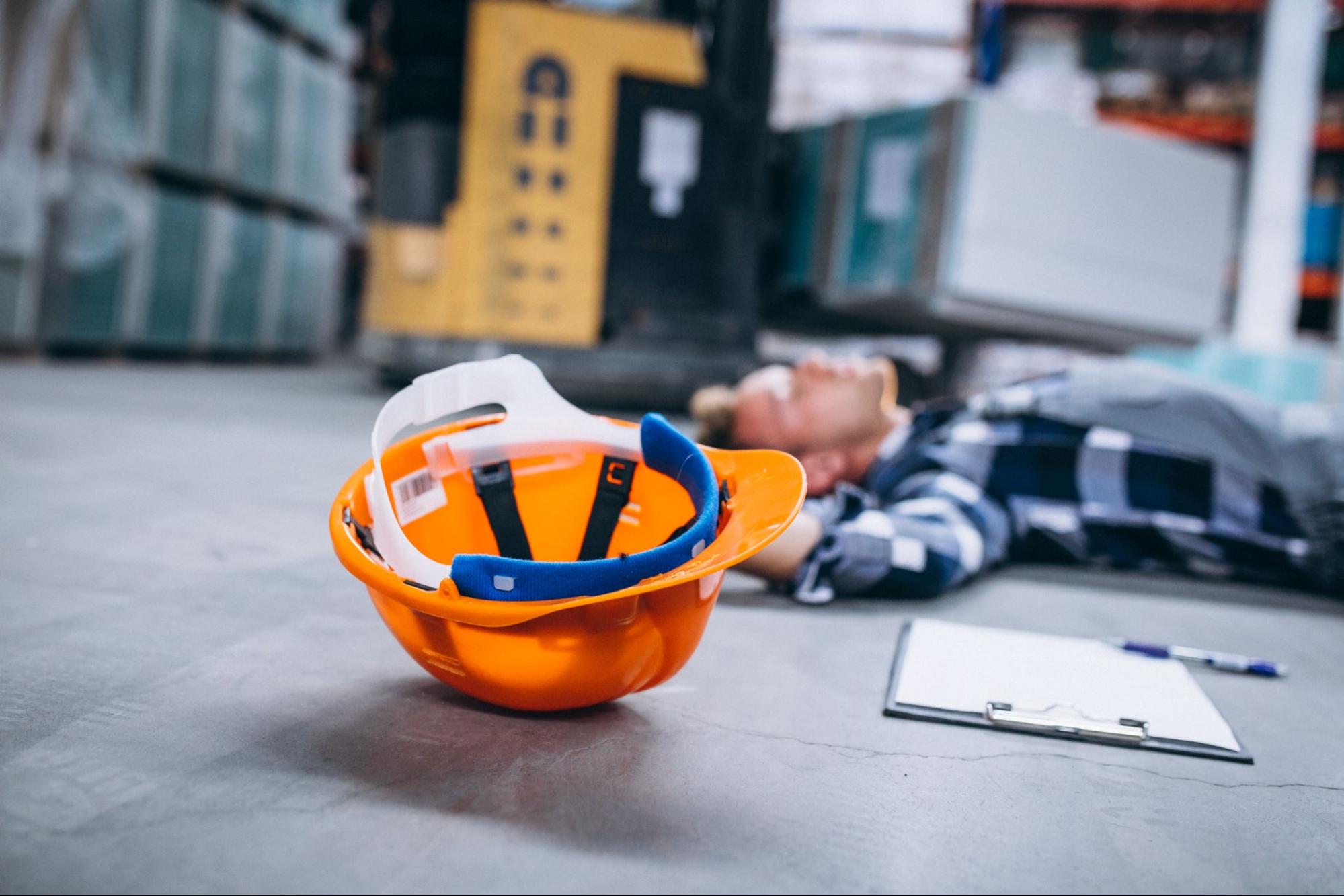
Get first aid for construction right with LFA First Response. Learn about first aiders, kits, placement and compliance for Australian worksites.
J
Jason Hitch

When someone is seriously hurt at work, the minutes before an ambulance arrives are the ones that matter most. On a busy warehouse floor, a remote mine site or a large campus, that early care has to happen somewhere clean, private and set up for the job. That somewhere is a first aid room.
J
Jason Hitch