J
Jason Hitch
Advances in medical equipment over recent decades have contributed to faster and more effective health care. Even so, the human element remains a limiting factor. Ineffective use of medical equipment can have serious negative outcomes for the patient, and can even mean the difference between life and death in some situations. When medical personnel and first responders undergo proper training using medical training equipment and simulation scenarios, they respond faster and more confidently in an emergency. Quality medical training equipment can improve response times and outcomes in emergency situations, and will ensure best practices and current regulations are met.
Healthcare providers and first responders are increasingly reliant on medical devices to provide safe and effective care. It is therefore crucial that users receive effective teaching and training to ensure they are competent at using all relevant devices. Medical training devices are designed to mimic the real device while being safe and appropriate for training situations.
The importance of using medical training equipment:
Improves the user's competence and confidence in emergency situations.
Improves patient care and patient outcomes.
Decreases response times, ensuring patients get the help they need faster.
Improves health and safety for the user, patient and any bystanders.
Ensures the user is using current best practices and complying with current regulations.
Protects and extends the life of the device.
Medical training aids are used throughout the healthcare industry by medical students, practicing health care professionals, first responders and emergency services. Training supplies can also be used to train first aid officers in workplace, residential and school settings.
Medical students – training devices give students the chance to put theory into practice before working directly with patients. Students should be trained with a range of devices relevant to their line of study.
Medical professionals – training devices can be used for training or retraining working professionals in the healthcare industry. Training devices are particularly important when new equipment is adopted or when a new worker is hired. Retraining can play an important role in workplace health and safety and compliance with industry regulations.
First aid courses – training equipment is crucial for first aid training for healthcare workers as well as the general public. First aid courses rely on training equipment to build confidence and competence in a short time period.
Patients and carers – patients living with a health condition that requires specific medical equipment, and their carers, should be trained to use their devices effectively and competently. For example, a patient who is prescribed an EpiPen because of severe allergies should practice administering the auto-injector with a training EpiPen device.
Common medical training equipment includes:
Having a defibrillator on hand and knowing how to use it can dramatically improve survival rates for sudden cardiac arrest. Research shows that survival rates can increase by 70% if an AED is used promptly. Training defibrillators allow users to feel confident and competent about using an AED appropriately and effectively.

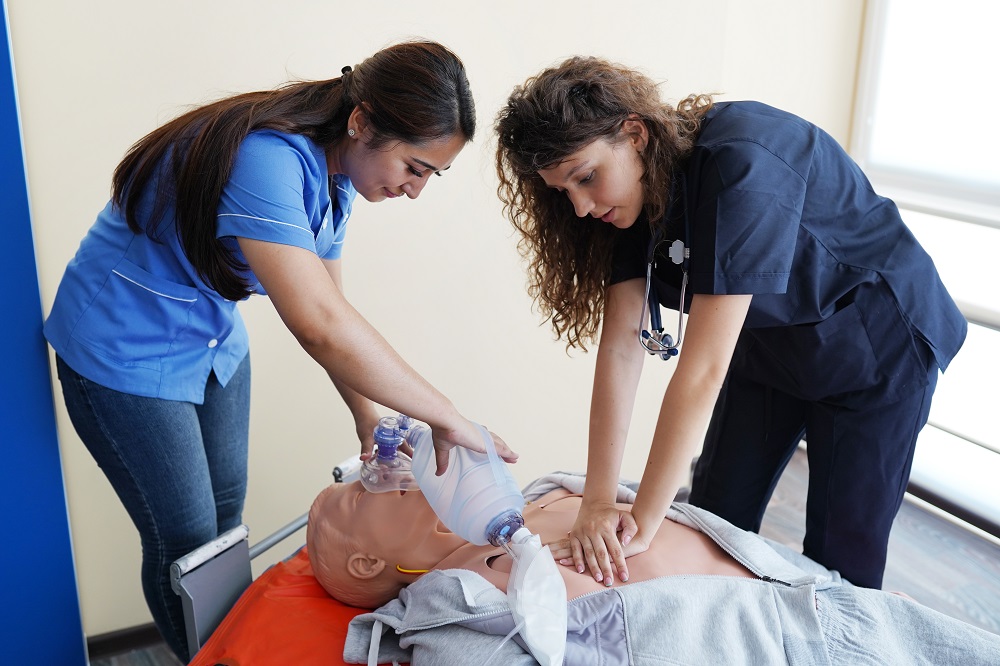
CPR manikins are essential for first aid and CPR training, allowing students to put their training into practice. There is a wide variety of training manikins on the market, including infant, child and adult manikins. Advanced manikins like the Brayden Pulse CPR manikin contain LED lights that respond to CPR depth, rate and quality to provide instant feedback to the student.

Training pharmaceuticals can help patients and carers feel confident about administering their own medication. For example, in the case of anaphylaxis, administering an epinephrine auto-injector is crucial. Training with an EpiPen trainer allows patients to feel familiar with how the device works for fast and competent application in an emergency. Other common training pharmaceuticals include training inhalers and placebo tablets.
The NIO gun is a convenient, effective and safe solution for immediate vascular access. Often required in emergency and life threatening situations, it is crucial that first responders are confident handling the NIO gun. Available in both adult and child sizes, training NIO guns allow users to practice using the device for improved outcomes in emergency situations.
Training equipment is particularly crucial for first aid training, helping reinforce the theoretical information. At LFA First Response, we supply a range of first aid training equipment, including cardboard splints, training tourniquets, wound dressing items and full first aid trainers kits.
LFA First Response supplies a wide range of quality medical training equipment and wholesale medical supplies at competitive prices. We can assist with training supplies for medical simulations, first aid courses, public education and more. Order online today or call our friendly customer service team on 1800 681 544 to discuss your needs.
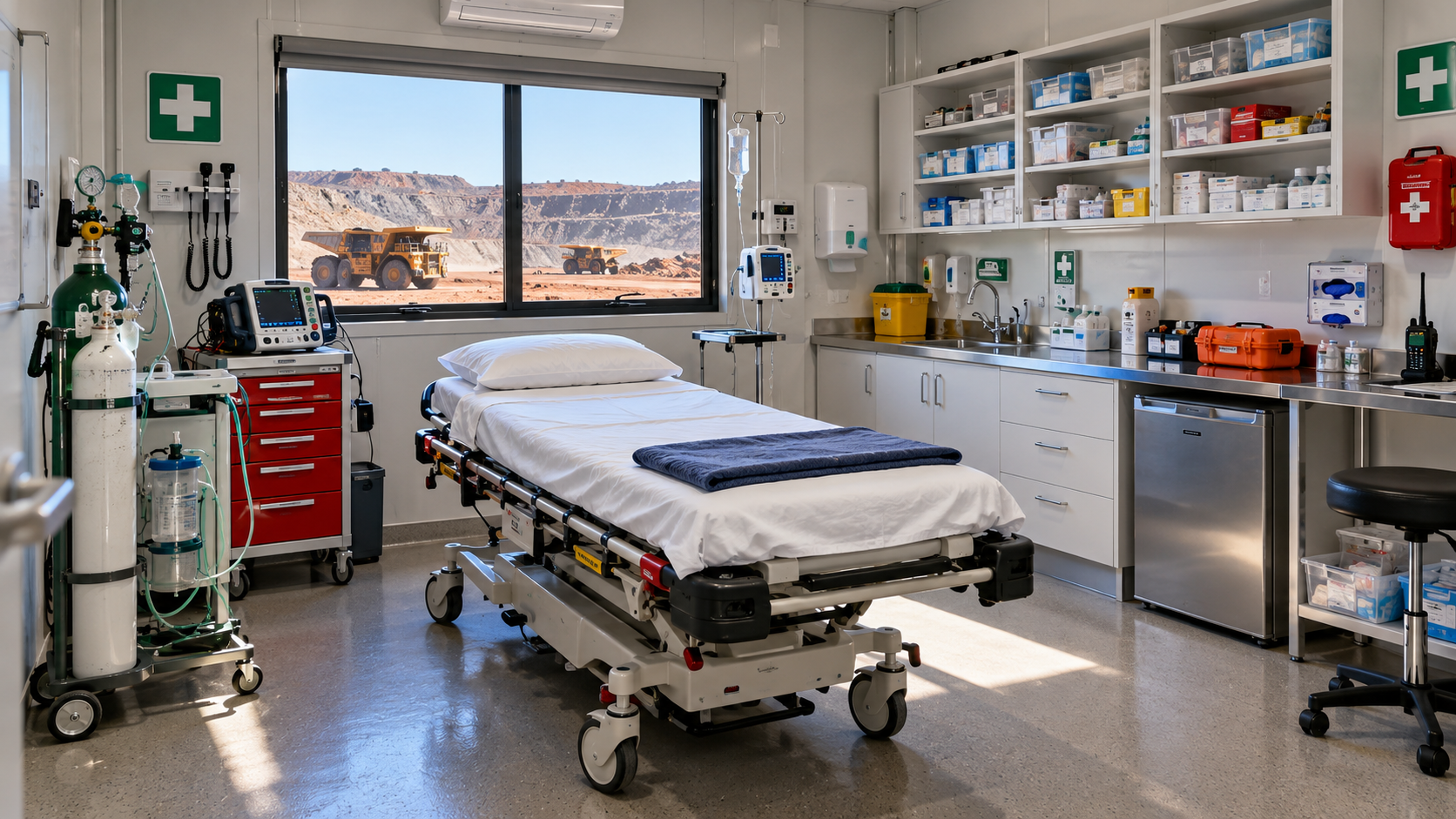
In this guide, you will learn all about the Australian mining site first aid requirements, including equipment and facilities for different remote operations.
J
Jason Hitch
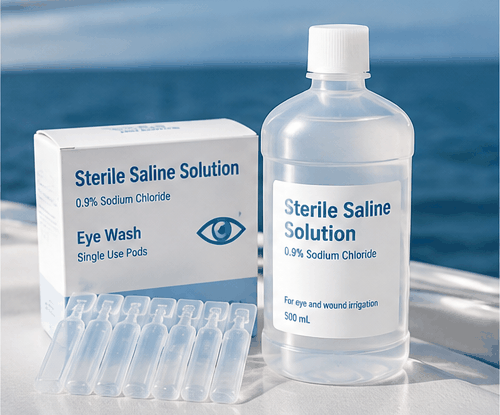
What should a marine first aid kit contain? In this guide, discover 10 essential items for Australian boats, plus practical storage and preparation tips.
J
Jason Hitch

Learn how to choose the right workplace defibrillator based on your environment, workforce, compliance needs, maintenance and on-going AED support in this guide.
J
Jason Hitch
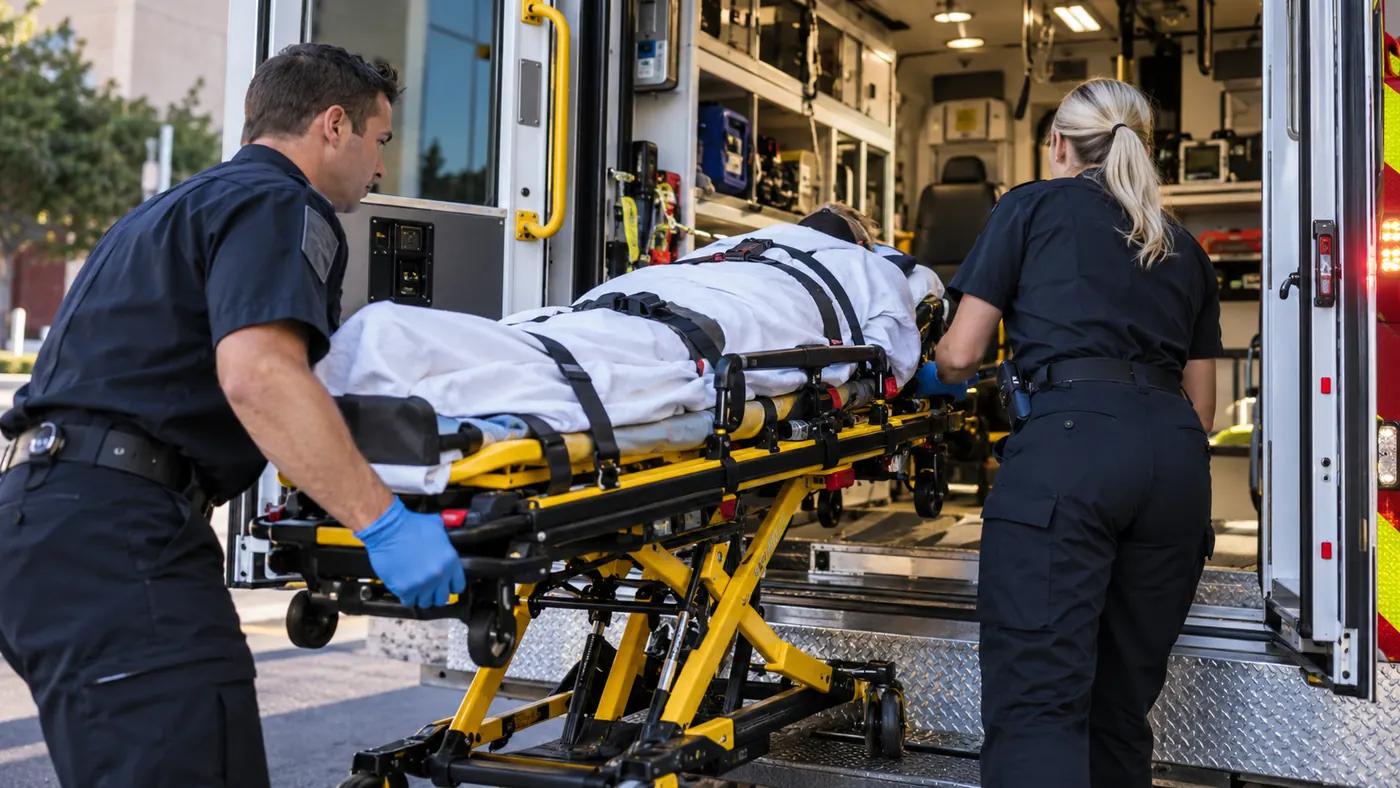
Looking for workplace stretcher that suits your industry? Compare types, safe working loads, environments and key features to make an informed choice.
J
Jason Hitch