J
Jason Hitch
The Christmas holiday season in Australia is a time for families to come together and enjoy the great outdoors. With the warm weather and sunny skies, it's no wonder that many families choose to go camping or embark on outdoor adventures during this time.
However, as much as we look forward to these trips, it's essential to prioritise safety, injury prevention, and preparedness, especially when traveling with loved ones and young children. That's where a well-stocked travel first aid kit comes into play.
In this guide, we'll walk you through what to pack for a family holiday, focusing on essential items for your travel first aid kit, and why choosing LFA First Response for your wholesale medical supplies is a smart choice for peace of mind.
Before we dive into the specific items you should include in your family holiday first aid kit, let's talk about why having one is crucial. Australia's summer season is an exciting time, but it also presents unique challenges. From snake bites to sunburn and insect stings, being prepared can make all the difference in ensuring a safe and enjoyable holiday.
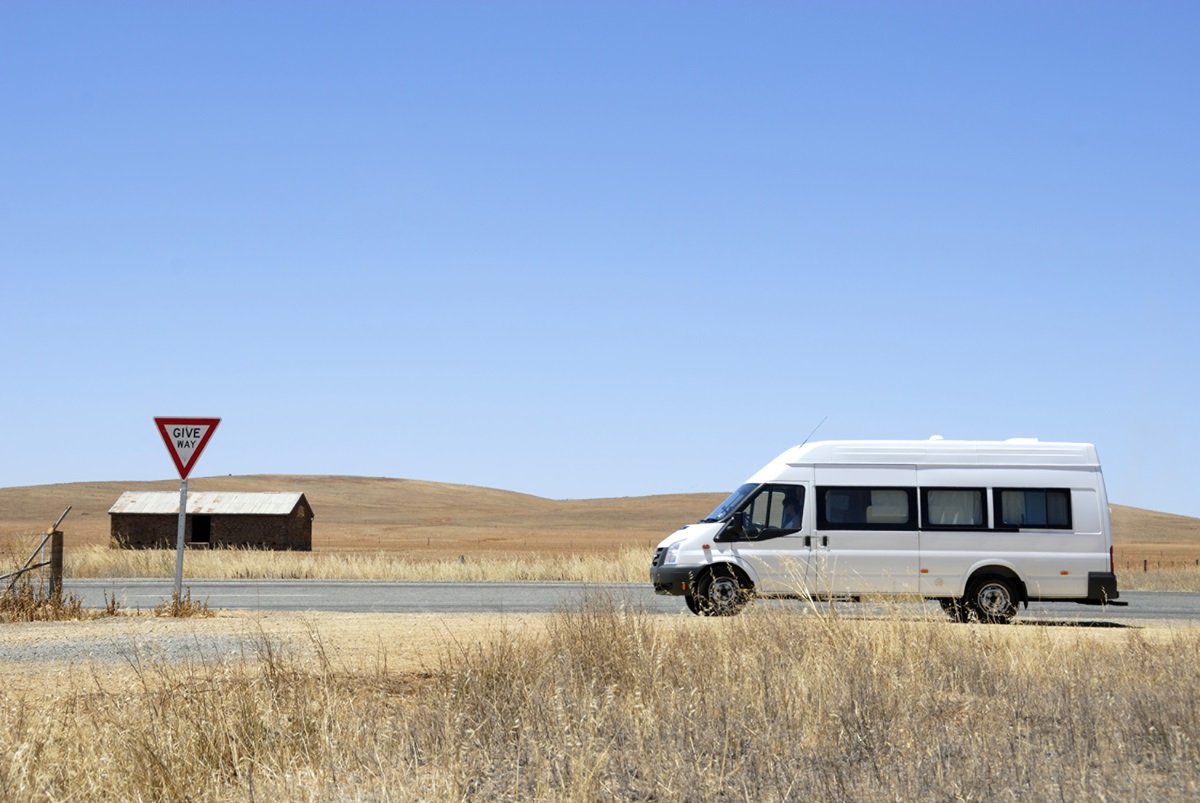
When camping or exploring the great outdoors, it is crucial to be aware of the potential injuries and risks you are more exposed to:
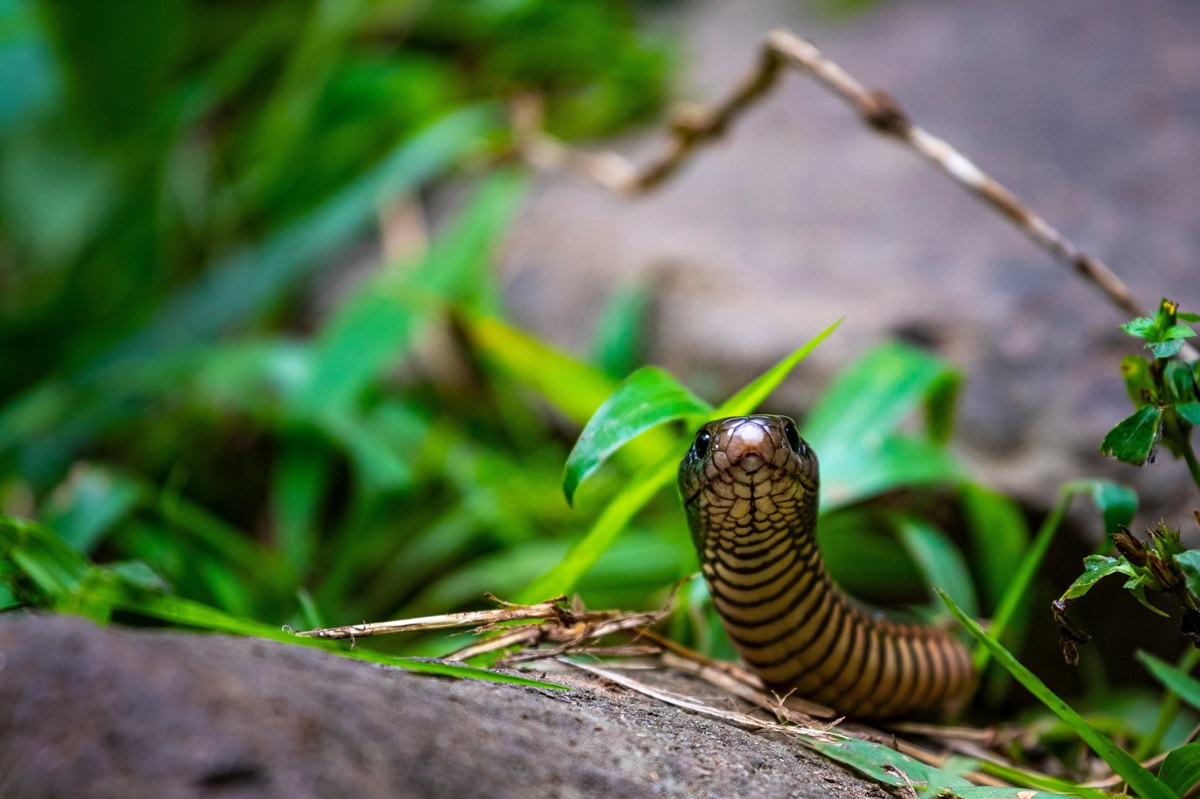
Australia is home to some of the world's most venomous snakes, making encounters with these reptiles a possibility, particularly in rural and outdoor settings. While most snake species are shy and prefer to avoid human contact, accidents can happen. A snake bite can be life-threatening if not treated promptly and correctly. Hence, having the right supplies in your first aid kit, such as a snake bite kit, can mean the difference between a swift recovery and a potentially dangerous situation.
To read more: Snake Bite Awareness Day 2023: Understanding The Dangers of Venomous Snakes in Australia
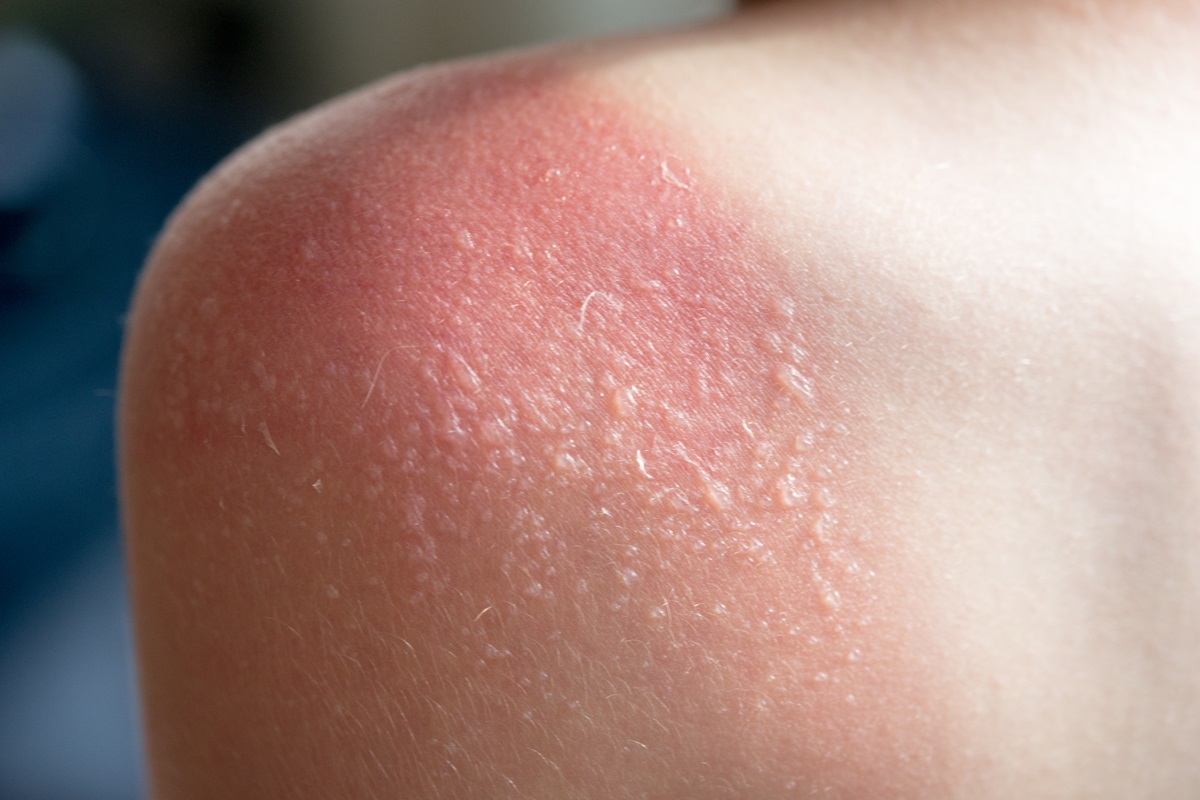
The Australian sun can be unforgiving, especially during the summer months. The scorching UV rays can lead to severe sunburn if adequate precautions aren't taken. Sunburn not only causes discomfort but also increases the risk of skin damage and even skin cancer in the long term. Therefore packing sun protection items like broad-spectrum sunscreen and burn gel in your first aid kit is essential for safeguarding your family's skin health.
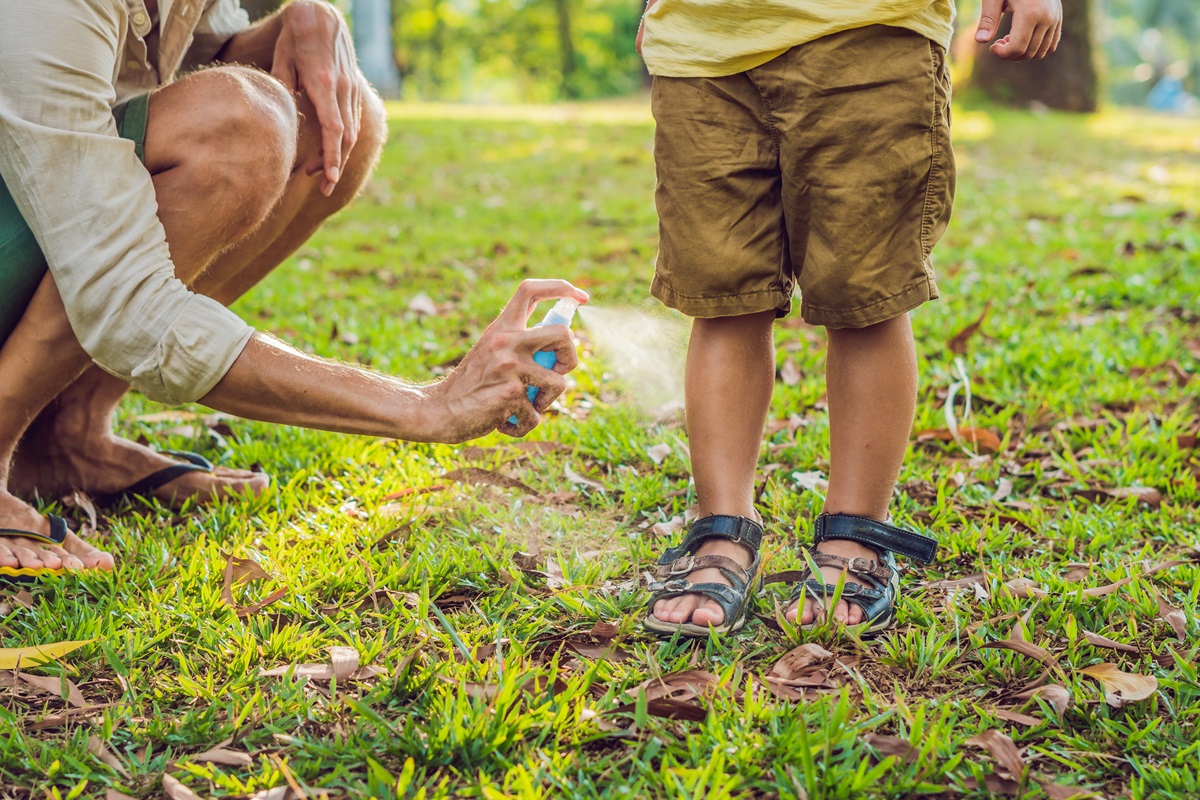
Australia's diverse ecosystem includes an array of insects, some of which may deliver painful stings or bites. Whether it's a wasp sting, mosquito bite, or encounter with a less-friendly critter, knowing how to manage and alleviate the discomfort is vital. Antiseptic cream and insect bite relief should always have a place in your first aid kit, ensuring quick relief for those affected.
To read more: Our Guide To Australian Insect Bites
Marine stings or bites are a potential threat to anyone, and when in Australia, the possibility of encountering a marine sting exists whenever we are in or around the water. These include jellyfish stings, fish stings, sea urchin injuries, and stingray and octopus stings. Acquiring knowledge of first aid for marine bites and stings is crucial, as it enables you to be prepared in case you or someone in your vicinity gets injured by a marine animal.
To read more: Our Guide To First Aid For Marine Bites & Stings
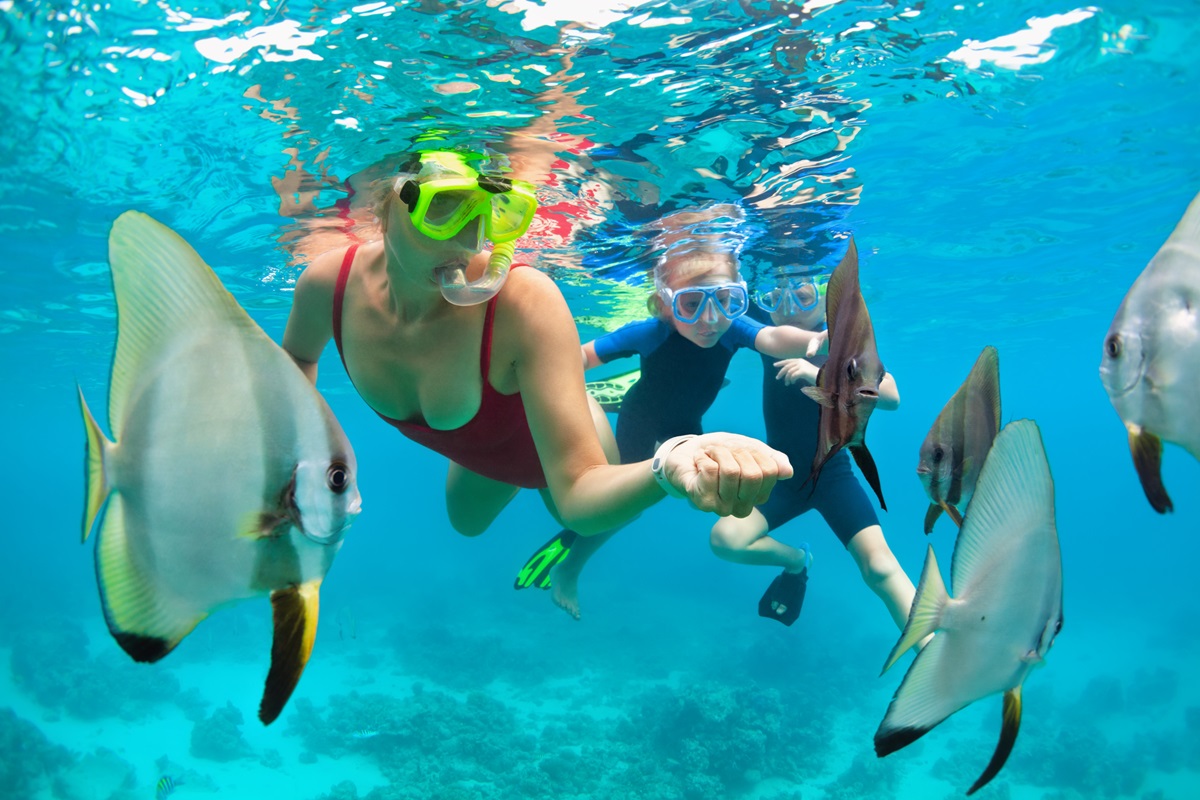
With temperatures soaring during the Australian summer, heat-related illnesses like heat exhaustion and heatstroke become genuine concerns. These conditions can be life-threatening if not addressed promptly. Being equipped with electrolyte solutions and knowing how to cool down an overheated family member can be a lifesaver in these situations.
Outdoor activities often come with their fair share of minor injuries, such as cuts, scrapes, and blisters. Failing to tend to these seemingly small wounds properly can lead to infections, ruining your holiday plans. By including wound dressings, antiseptic liquid, and bandages in your first aid kit, you're ensuring that even the smallest injuries receive the care they need.
In remote or wilderness settings, access to medical facilities can be limited. In such cases, you become the first responder. Having the necessary supplies and knowledge on hand can mean the difference between effectively addressing an emergency and feeling helpless in a crisis.
Lastly, but no less important, is the peace of mind that a well-prepared family first aid kit provides. Knowing that you have the tools to handle unexpected situations can alleviate anxiety and allow you to focus on making lasting memories with your loved ones during your holiday.
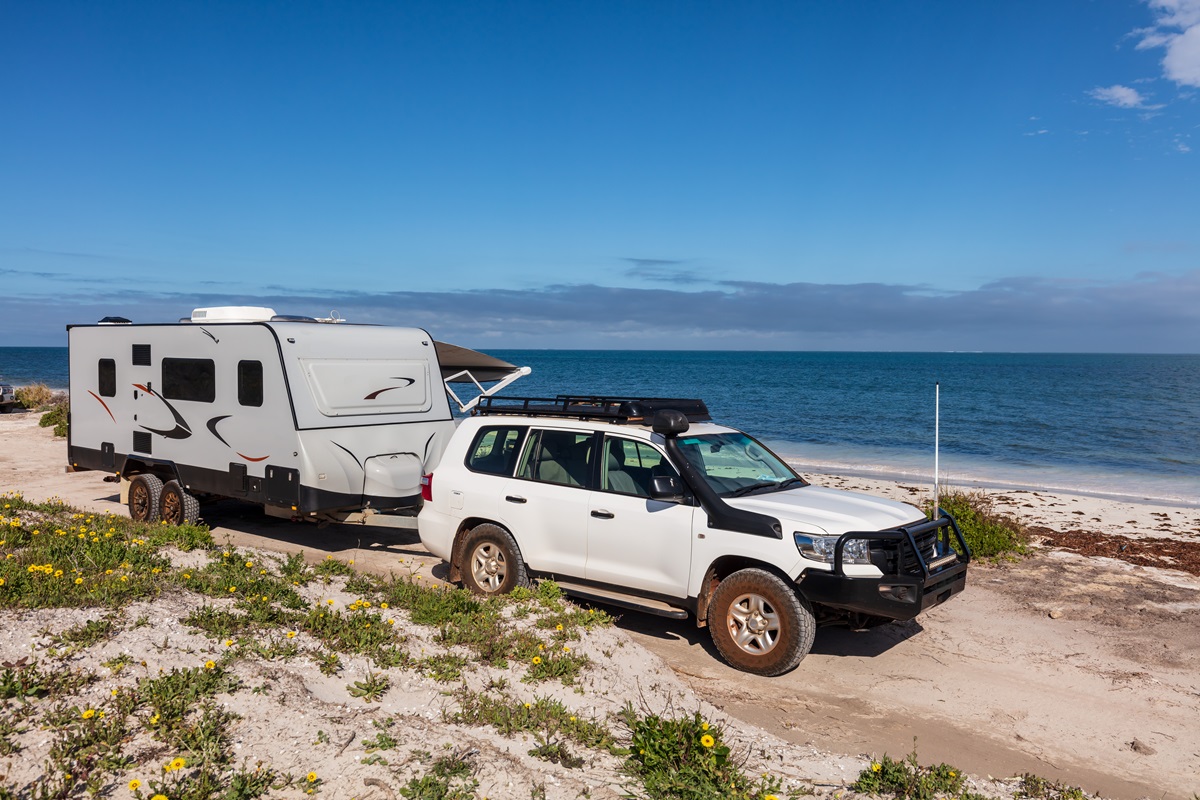
So you're packing your bags to get ready for your upcoming holiday. What do you need to make sure to include in your first aid kit?
Wound Dressings and Antiseptics: Accidents happen, especially when you're spending time outdoors. Be sure to pack a variety of wound dressings, adhesive strips, and antiseptic wipes to clean and protect any cuts, scrapes, or blisters that may occur.
Bandages and Adhesive Tape: These are essential for securing dressings in place and providing support for sprains and strains. Consider different sizes to accommodate various injuries.
Scissors and Tweezers: Scissors can be handy for cutting tape or clothing in emergency situations, while tweezers are essential for safely removing splinters, ticks, or thorns.
Snake Bite Kit: If you're heading to areas where snakes are prevalent, include a snake bite kit in your first aid supplies. Make sure to familiarise yourself with its use beforehand.
Burns Kit: With the summer sun and campfires, there's always a risk of burns. A burns kit should contain burn dressings, burn gel, and burn sheets to provide immediate relief and protect against further damage.
Sunscreen and Aloe Vera: Sun protection is critical in Australia's harsh sun. Pack a broad-spectrum sunscreen with a high SPF and aloe vera gel to soothe and hydrate skin in case of sunburn.
Insect Sting and Bite Relief: Insect stings and bites can put a damper on your holiday fun. As well as having some insect repellant on hand, ensure you've packed antihistamine tablets, and insect bite relief products to alleviate itching and discomfort.
Pain Relief Medication: Over-the-counter pain relievers such as paracetamol or ibuprofen can be a lifesaver when dealing with headaches, muscle aches, or minor injuries.
Personal Medications: Don't forget any prescription medications, or anaphylaxis treatments your family members may need. Ensure you have an ample supply for the duration of your trip.
Emergency Contact Information: Always have a list of emergency numbers, including local medical facilities and poison control, readily accessible.
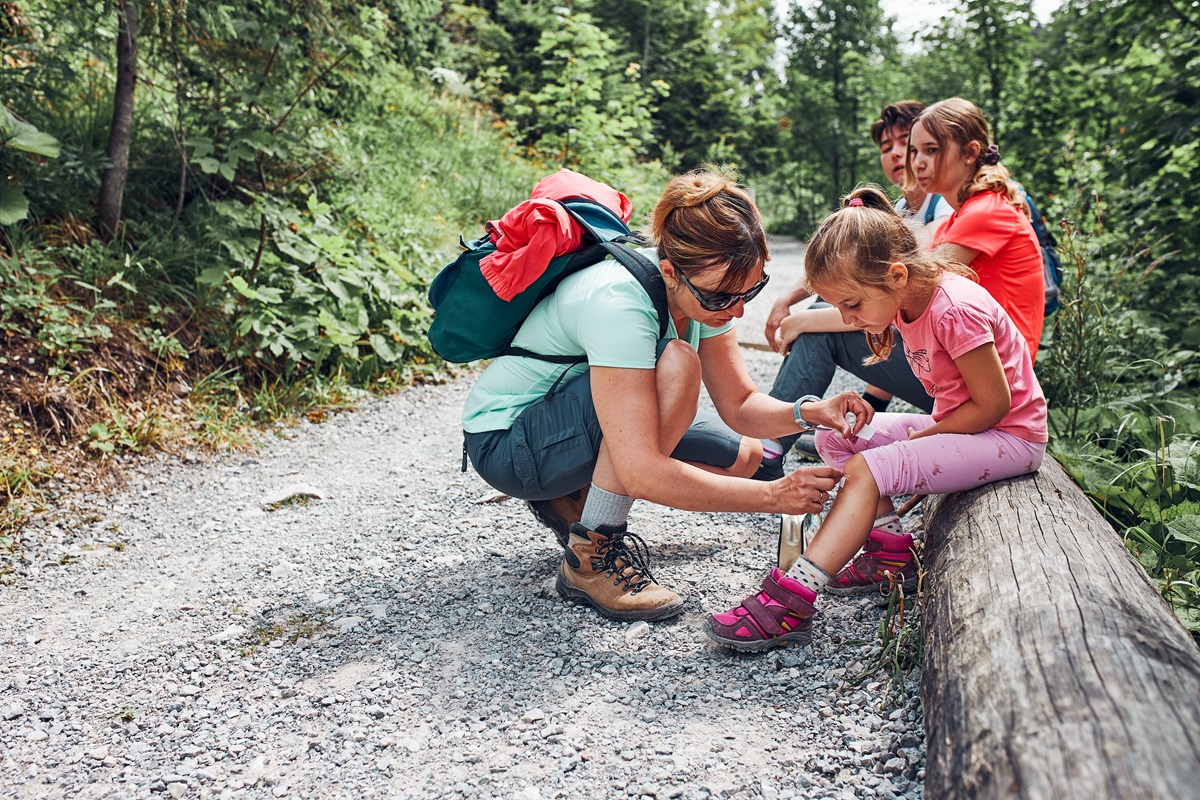
Now that you know what to pack in your family holiday first aid kit, it's vital to have access to high-quality supplies. LFA First Response is your trusted source for wholesale medical supplies, first aid kits, and pharmaceutical products.
Our user-friendly website makes ordering essential items a breeze for both families and medical professionals. Explore our extensive product catalog to find everything you need, from wound care items to snake bite kits and insect bite care.
With years of experience in the field, LFA understands the unique needs of Australian families when it comes to first aid. Our experts can guide you in selecting the right products for your specific requirements, feel free to contact us.
As you gear up for your Christmas and summer holiday adventures in Australia, don't leave home without a well-equipped travel first aid kit. Being prepared for the unexpected can make all the difference in ensuring a safe and enjoyable trip for your family. Browse our website today and take the first step towards a worry-free holiday season.

Fainting is one of the most common medical incidents in Australian schools, workplaces, and public events. Most episodes pass quickly and cause no lasting harm, but knowing what to do when someone faints and acting on it fast is what determines how the situation plays out.
J
Jason Hitch
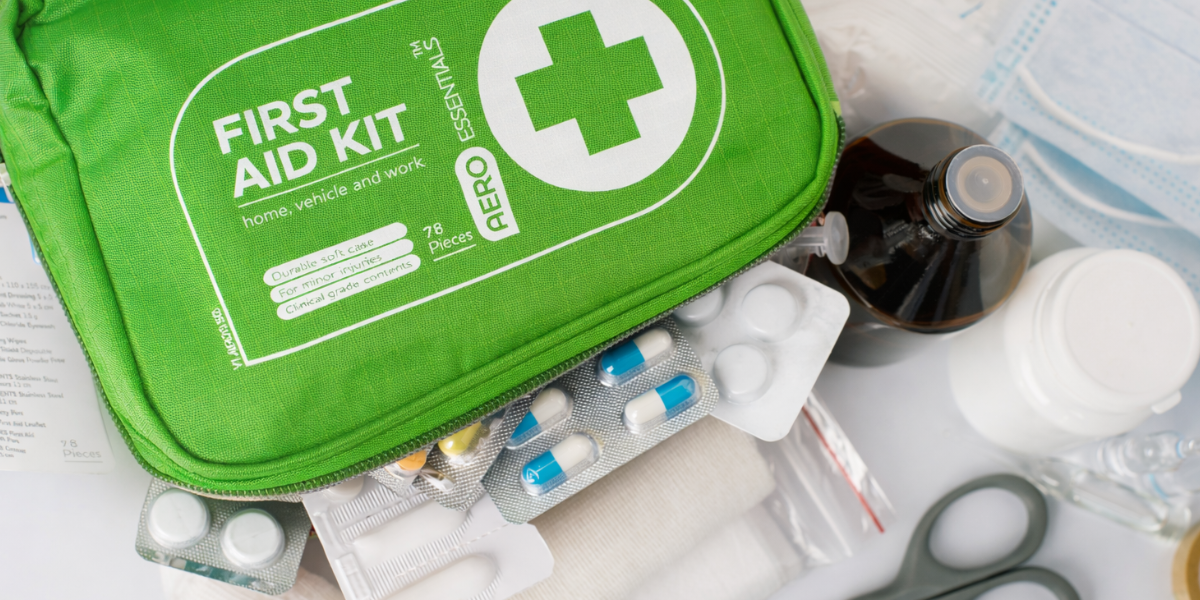
A first aid kit itself does not expire, but many of the medical supplies inside it do. Items like sterile dressings, antiseptics, medications, saline and gloves have manufacturer expiry dates that affect their safety and effectiveness. Regular inspections, timely replacement of expired items and proper storage are essential to keep the kit compliant, reliable and ready to use in an emergency.
J
Jason Hitch
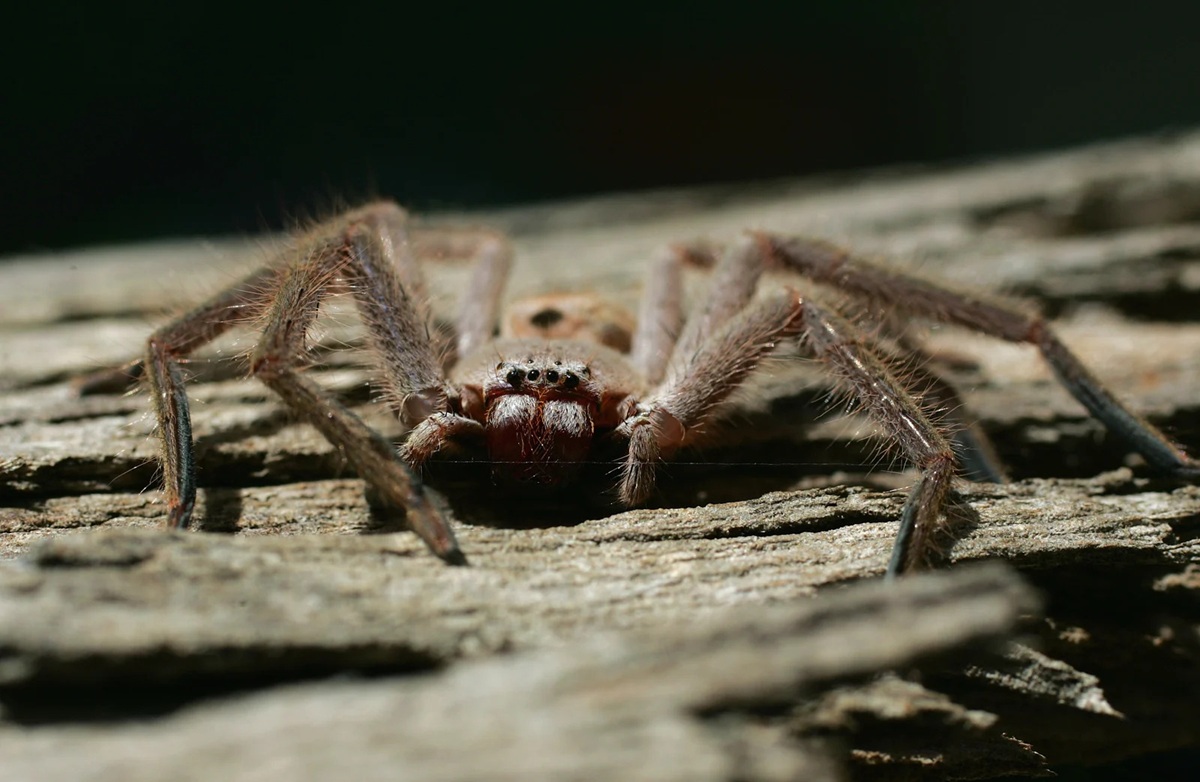
Australia is home to thousands of spider species, but only a few can cause serious harm. This guide explains how to recognise dangerous spider bites, what symptoms to watch for, and the correct first-aid techniques for funnel-web, redback, and white-tailed spiders. With clear steps on when to call 000, how to apply pressure immobilisation, and how to treat low-risk bites at home, it empowers you to respond calmly and effectively. You’ll also learn simple prevention tips, what to keep in you
J
Jason Hitch
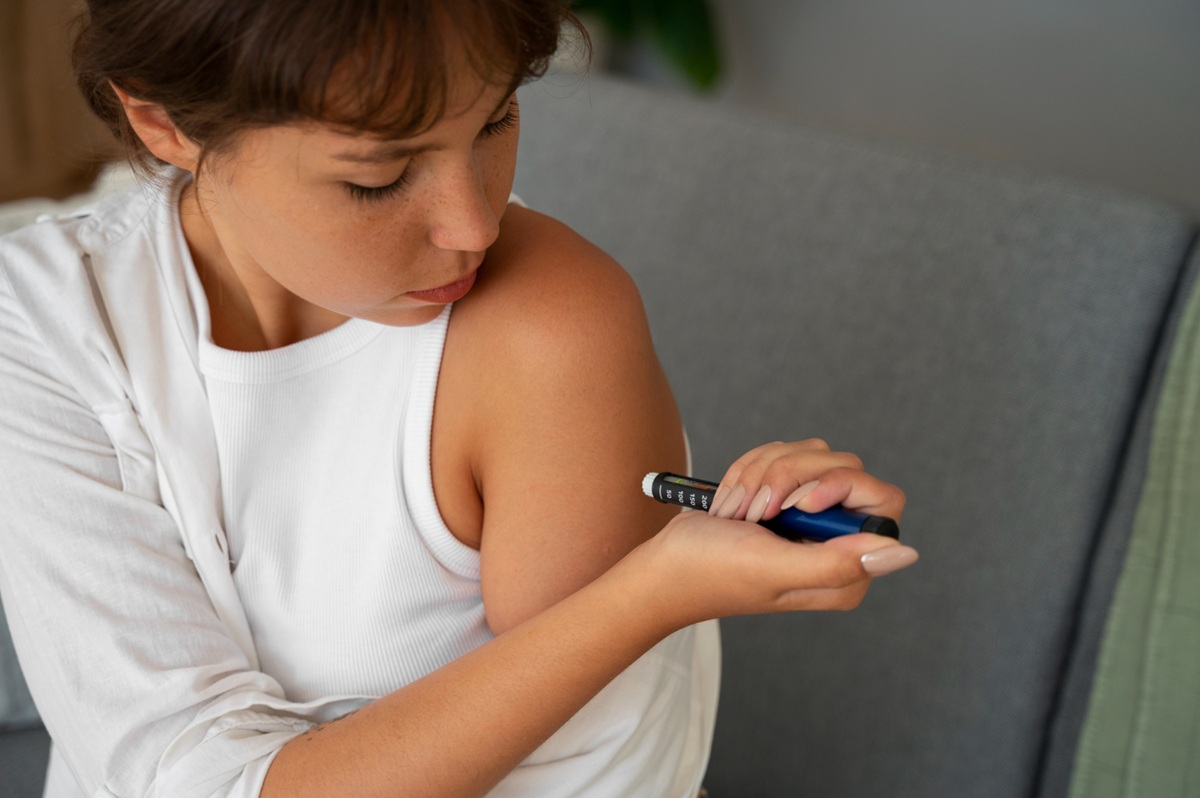
Anaphylaxis can strike without warning and become life-threatening within minutes. Learn how to identify symptoms, administer adrenaline, call 000, and set up an anaphylaxis-ready first aid kit tailored for schools, workplaces, events, and remote areas. This guide walks you through prevention, emergency response, aftercare, and the essential gear every site should have.
J
Jason Hitch