J
Jason Hitch
As we navigate through 2024, the landscape of COVID-19 continues to evolve, with new strains emerging and spreading across the globe.
Australia is not immune to these developments, and it is crucial for businesses and individuals to stay informed about the latest COVID-19 strains, their symptoms, and the necessary precautions to maintain a safe environment.
We will discuss the current status of new strains of COVID-19 in Australia, the importance of early detection and testing, the critical role of personal protective equipment (PPE) in the workplace, and the enhanced hygiene practices needed to prevent the spread of the virus.
The year 2024 has seen the emergence of a new strain of COVID-19 in Australia, KP.2, known more commonly as FLiRT.
This variant, an omicron strain identified through extensive genomic sequencing, has shown mutations that could potentially impact transmissibility and the effectiveness of existing vaccines.
While research is ongoing, it is clear that this new strain requires attention and action from all sectors of society.
As of mid-2024, new strains of COVID-19 in Australia have been reported in multiple states and territories.
KP.2, one of the most recent subvariants, was recently detected in NSW and Victoria. Health authorities are closely monitoring its spread and implementing measures to control outbreaks.
Public health campaigns are emphasising the importance of vaccination, booster doses, and adherence to safety protocols to mitigate the impact of new COVID strains.
Health authorities, including the Australian Department of Health and state health departments, have issued guidelines to help manage the spread of the new strain of COVID in Australia.
These include recommendations for increased testing, updated quarantine procedures, and the use of PPE in various settings. It is essential for businesses and individuals to stay updated on these guidelines and ensure compliance to protect public health.

The new COVID strain symptoms in 2024 are similar to those of previous variants, but with some notable differences.
Common symptoms include fever, cough, and fatigue, while distinguishing symptoms may involve more severe respiratory issues, increased incidence of sore throat, and gastrointestinal symptoms, such as nausea and diarrhoea.
Early detection of COVID-19 is crucial in preventing the spread of the virus. Recognising symptoms early and seeking testing promptly can help isolate cases and reduce transmission.

Rapid antigen tests (RATs) have become an invaluable tool in this effort, providing quick and accurate results that allow an individual to quickly identify whether or not they are COVID positive, and take the necessary precautions following.
RATs are essential in identifying COVID-19 infections quickly, particularly in workplaces and other high-traffic environments. These tests can be administered on-site, offering immediate results and allowing for isolation of positive cases. This reduces the risk of widespread outbreaks and helps maintain safer environments.
Personal protective equipment (PPE) remains a cornerstone in the fight against COVID-19.
Key PPE items include splash gowns, masks, face shields, and gloves. Each of these items plays a vital role in protecting individuals from exposure to the virus. For example:
Splash gowns: Splash gowns provide full-body protection, preventing the virus from contaminating clothing and skin, particularly in healthcare settings where exposure risk is high.
Masks: N95 masks and/or surgery masks are crucial in filtering out respiratory droplets that may contain the virus. They are essential for both preventing the spread of the virus from infected individuals and protecting uninfected individuals from exposure.
Face shields: Face shields protect the face, especially the eyes, from exposure to respiratory droplets and are often used in conjunction with masks for added protection. They are often used in medical and infection control settings.
Gloves: Nitrile gloves help prevent the transfer of the virus through contact with contaminated surfaces and are particularly important in healthcare and high-contact roles.
Each PPE item plays a specific role in creating a barrier against the virus. Splash gowns and gloves protect against direct contact with the virus, while masks and face shields protect the eyes and respiratory system. When used together, splash gowns and masks significantly reduce the risk of transmission in various environments, particularly in healthcare settings where exposure to the virus is the highest
In healthcare settings, PPE is essential for protecting frontline workers from high-risk exposure.
In customer-facing roles, such as retail and hospitality, masks and gloves are essential in maintaining safety during customer interactions.
Additionally, in offices and other enclosed spaces, the use of masks and regular hand sanitation can prevent outbreaks and help contribute to safer working environments. These protective measures can also protect against other common air-borne infectious diseases such as influenza and the common cold.
Workplaces should establish regular cleaning schedules, using effective surface hospital-grade disinfectants to clean high-touch areas such as doorknobs, light switches, and shared equipment.
Employees should also be encouraged to use antibacterial gel frequently, especially after touching shared surfaces.
The use of antibacterial gel for hand sanitation and surface disinfectants for cleaning workspaces can drastically reduce the presence of the virus on hands and surfaces, thereby preventing transmission.
Regular disinfection reduces the risk of surface-to-person transmission. By maintaining a clean environment, businesses can protect their employees and customers, ensuring a healthier and safer space for everyone.
At LFA First Response, we offer a comprehensive range of high-quality PPE products designed to meet the needs of various workplaces and healthcare settings.
Our PPE products are designed with the user in mind, offering features such as durability, comfort, and superior protection. Our splash gowns are made from high-quality materials that provide excellent barrier protection, while remaining comfortable for extended wear. Our range of masks are designed to fit securely and offer high filtration efficiency, essential for preventing the spread of the virus.
As we continue to face the challenges posed by the new COVID-19 strains in 2024, it is more important than ever to stay vigilant and protected.
Although living in a world impacted by COVID is no longer new, we must remain proactive in our approach to managing the virus. Staying informed about new strains and adhering to recommended safety protocols for specific settings will help us navigate this ongoing challenge more effectively.

We encourage all businesses to equip their workplaces with essential PPE and sanitisation products. By doing so, you not only protect your employees and customers, but also contribute to the broader effort to control the spread of new strains of COVID-19 in Australia.
For high-quality PPE and sanitisation products, trust LFA First Response. You can browse our full range of infection control supplies online, or get in touch with our expert team for advice.
By staying informed and prepared, we can navigate the ongoing challenges of COVID-19 together. Stay safe, stay protected.

In this guide, you will learn all about the Australian mining site first aid requirements, including equipment and facilities for different remote operations.
J
Jason Hitch

Learn how to choose the right workplace defibrillator based on your environment, workforce, compliance needs, maintenance and on-going AED support in this guide.
J
Jason Hitch
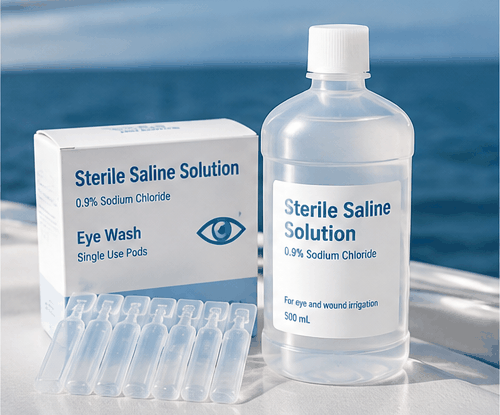
What should a marine first aid kit contain? In this guide, discover 10 essential items for Australian boats, plus practical storage and preparation tips.
J
Jason Hitch

Looking for workplace stretcher that suits your industry? Compare types, safe working loads, environments and key features to make an informed choice.
J
Jason Hitch
