J
Jason Hitch
Workplaces that handle hazardous chemicals are required to have the appropriate eye washing and shower equipment in case of an emergency.All workers should know how to use an eye wash station as it can take as little as 5 seconds for some chemicals to cause serious damage to a person's eyes or skin.Read on to find out when and how to use an eye wash station, where they should be located and what type is appropriate for your workplace.

Eye wash stations are used when someone's face is exposed to hazardous materials or chemicals. The first 15 seconds after chemical exposure is critical and can influence outcomes. Having immediate access to an emergency eyewash station can reduce the risk of serious long term damage.Eyewash stations are used to flush the eyes of hazardous chemicals and are legally required in certain workplaces. Even when you are using the correct protective equipment, eye contamination can still occur and eyewash stations are necessary to deal with emergency situations.

The recommended length of use for eyewash stations depends on the type of contaminant. In general, you should use the eyewash for:
5-10 minutes for non-irritants
15-20 minutes for mild-irritants or if the substance is unknown
30 minutes for most corrosives
60 minutes for strong alkalis such as sodium and potassium
Some stations use tap water or potable water. Others use distilled and sterile solutions to ensure there is no bacteria which could damage the eyes. Both sterile solutions and potable water used in portable eyewash units should be regularly replaced to avoid the growth of bacteria.For recommendations about which type of water or solution you should use at your workplace, it's best to seek professional advice.

Since the first 10-15 seconds after eye contamination are critical, eye wash stations should be located within 10 seconds reach of high-risk areas on a job site. Keep in mind that a person who is exposed to hazardous chemicals may not be able to reach the station as fast as usual.Eye wash stations and shower equipment should be accompanied by a highly visible sign. Signs should be green with a white pictogram signalling the location of an eyewash station.
Workplaces that have potential hazards which could cause an eye injury are required to have an eye wash station installed according to Australian Standards (AS 4775-2007). Examples include:
Laboratory activities
Spraying chemicals
Cleaning with chemicals
Battery charging
You should conduct a thorough workplace risk assessment specific to your workplace to identify potential hazards and develop suitable risk management procedures.

Wall mounted eyewash units are ideal if you are looking for a more permanent solution. Plumbed systems can run indefinitely (compared to bottled and portable systems) which is an advantage for high risk workplaces.
Free standing eye wash basins can be positioned anywhere and do not require a wall to mount onto. In addition to a typical hand operation, many can also be operated by foot.
Portable eyewash stations contain a tank of water and use gravity to deliver at least 15 minutes of water flow. They can be mounted on a wall using a bracket if required. Portable eyewash units are ideal for workers who are exposed to hazardous substances in different locations or for temporary job sites.
A combination eyewash and shower safety station comes with an eyewash basin as well as a showerhead and can be used for eye injuries, contaminated clothing and skin contamination.
A Regulator eye wash kit can help you provide quick and effective first aid for minor eye injuries. It contains a selection of non-adhesive eye pads and eye wash solutions and bandages, making it ideal for schools and workplaces.
LFA First Response stocks a range of eyewash stations and workplace first aid kits to help improve safety and emergency response times in your workplace.We offer fantastic lead times, unbeatable use-by dates and great prices. Browse our eye care products or call our friendly customer service staff on 1800 681 544 to discuss your needs.
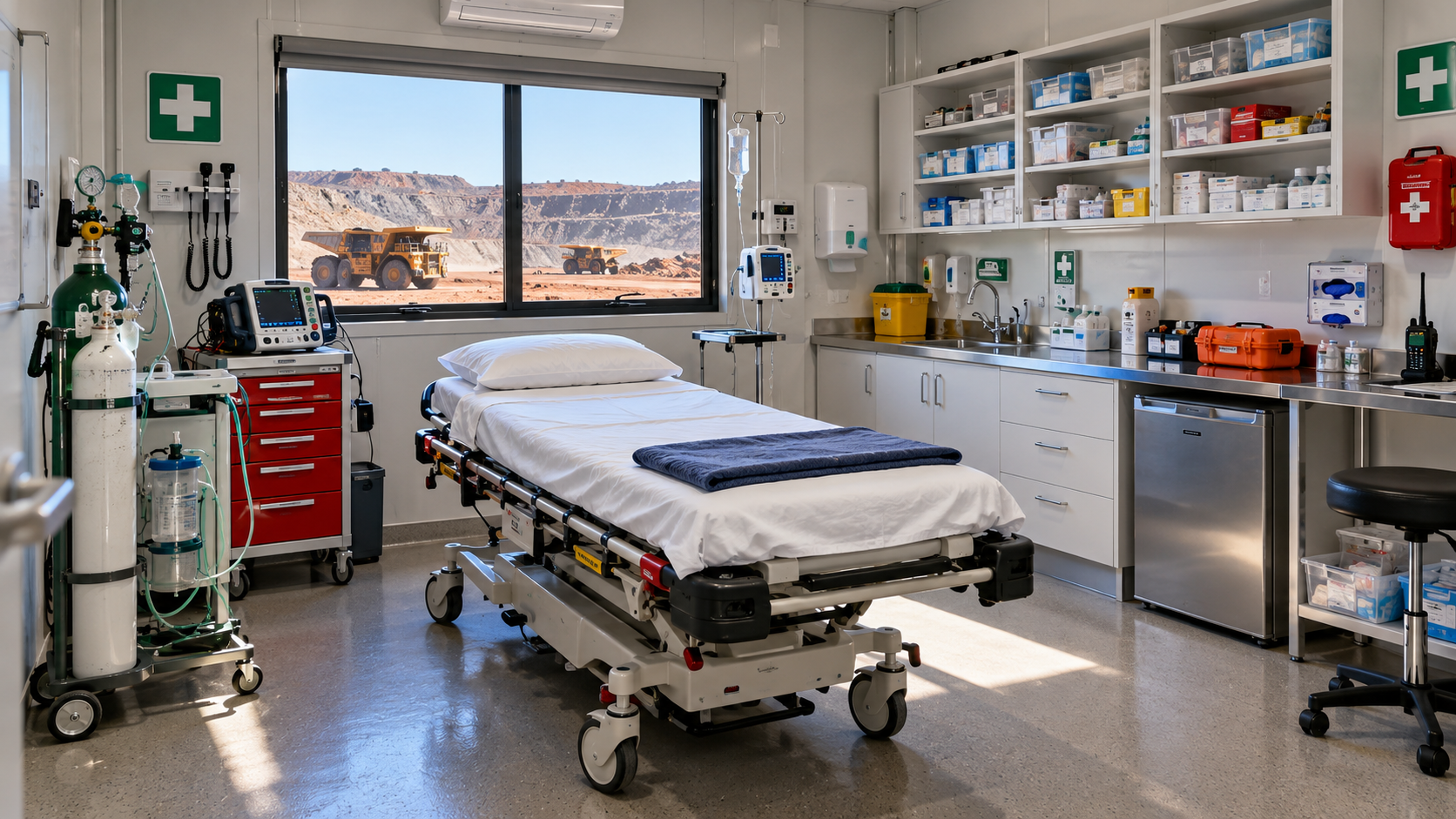
In this guide, you will learn all about the Australian mining site first aid requirements, including equipment and facilities for different remote operations.
J
Jason Hitch

Learn how to choose the right workplace defibrillator based on your environment, workforce, compliance needs, maintenance and on-going AED support in this guide.
J
Jason Hitch
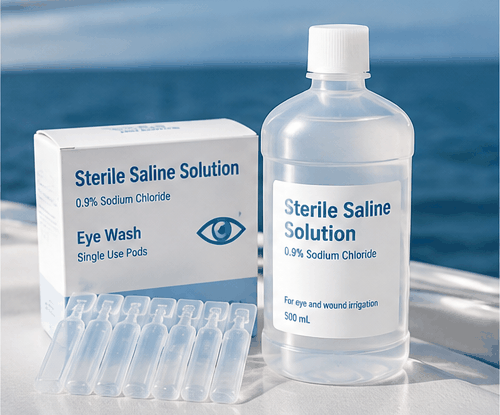
What should a marine first aid kit contain? In this guide, discover 10 essential items for Australian boats, plus practical storage and preparation tips.
J
Jason Hitch
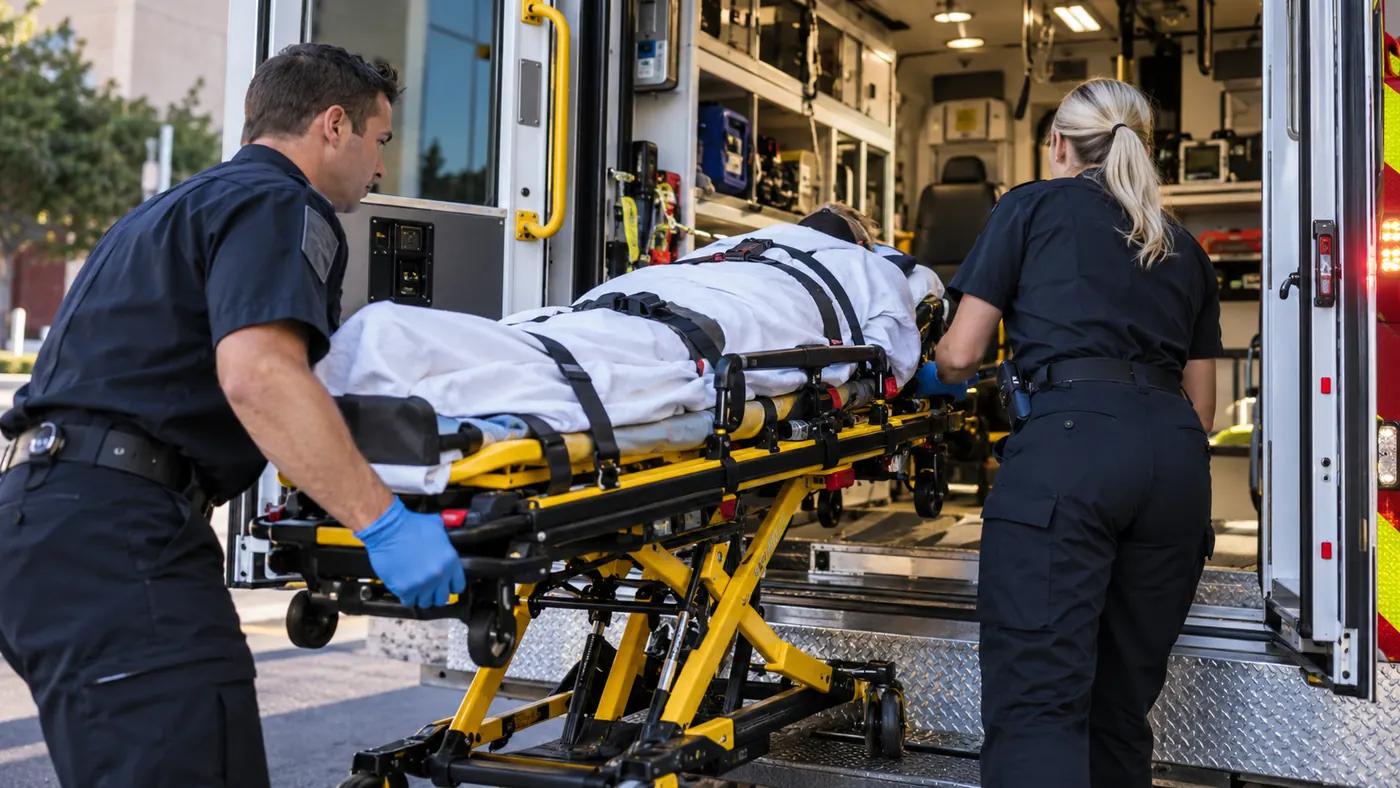
Looking for workplace stretcher that suits your industry? Compare types, safe working loads, environments and key features to make an informed choice.
J
Jason Hitch
