J
Jason Hitch
Sudden Cardiac Arrest (SCA) is a life-threatening condition that can strike without warning. SCA happens when the heart unexpectedly stops beating due to an electrical malfunction. This leads to a complete loss of blood flow to the brain and other vital organs. Without immediate intervention, SCA can be fatal within minutes. Understanding the symptoms of Sudden Cardiac Arrest can significantly improve the chances of survival.
Sudden Cardiac Arrest (SCA) is an electrical malfunction in the heart that causes it to stop beating entirely. It is different from a heart attack, which happens when blood flow to the heart is blocked, typically by a blood clot, often with warning signs like chest pain. SCA strikes without warning, leading to collapse, unresponsiveness, and no pulse. Immediate medical intervention is crucial when SCA occurs. Survival can be as high as 90% if treatment starts within the first minutes after Sudden Cardiac Arrest. Every minute that passes without treatment reduces the chances of survival by 7-10%. This is why knowing the symptoms of Sudden Cardiac Arrest and acting quickly with a defibrillator can be the difference between life and death.
The common symptoms of Sudden Cardiac Arrest are immediate and severe, including:
The most obvious sign of Sudden Cardiac Arrest is an immediate collapse. The person will fall to the ground without warning and become completely unresponsive.
A person experiencing Sudden Cardiac Arrest will have no detectable pulse. This occurs because the heart is no longer pumping blood, making it crucial to act fast.
Breathing will stop immediately during Sudden Cardiac Arrest. Without proper oxygen flow, brain damage can occur within minutes, making timely CPR and defibrillation essential.
Sudden Cardiac Arrest leads to an immediate loss of consciousness. The brain is deprived of blood, causing the individual to become unresponsive and unaware of their surroundings.

In some cases, there may be warning signs before Sudden Cardiac Arrest occurs, such as:
Before Sudden Cardiac Arrest, some individuals may experience chest discomfort, pressure, or tightness, often mistaken for heart attack symptoms, signalling potential heart trouble.
Difficulty breathing or shortness of breath can occur prior to Sudden Cardiac Arrest, especially during physical activity or rest, indicating the heart is struggling to pump effectively.
Feelings of unexplained weakness or fatigue may precede Sudden Cardiac Arrest, signalling that the body isn’t receiving enough blood flow and oxygen due to heart malfunction.
A rapid or irregular heartbeat, often described as fluttering or pounding, may be a warning sign of an impending cardiac event, as the heart’s rhythm becomes erratic.
Time is critical during a Sudden Cardiac Arrest event. If you witness someone exhibiting the symptoms of Sudden Cardiac Arrest, it’s essential to take immediate action:
The first step is to dial 000 and alert emergency medical services. Provide clear and concise information about the individual’s condition and location.
Begin chest compressions immediately if the person is unresponsive and not breathing. Effective CPR can help maintain blood flow to vital organs, including the brain, while waiting for medical professionals to arrive.
Having access to an automated external defibrillator (AED) can dramatically improve survival rates. AEDs are designed to detect irregular heart rhythms and deliver a life-saving shock to restore the heart’s normal rhythm. These devices are simple to use, providing verbal and visual prompts to guide even untrained bystanders through the process.
The use of defibrillators in the first few minutes of Sudden Cardiac Arrest can greatly enhance the chances of survival. AEDs like the Heartsine Defibrillator and Zoll Defibrillator are essential tools in both public spaces and private settings, as they can be used by anyone to administer a shock when needed.
Both the Heartsine and Zoll defibrillators are designed for ease of use, even for those with no medical training. These devices automatically analyse the heart’s rhythm and determine whether a shock is necessary. Their portability, clear instructions, and automated systems make them invaluable in any situation where sudden cardiac arrest occurs.
While Sudden Cardiac Arrest can happen to anyone, some individuals are at higher risk, including:
People with a history of heart disease
Those who have experienced a previous heart attack
Individuals with a family history of SCA or arrhythmias (irregular heartbeat)
Patients with heart failure or other heart-related conditions
Athletes engaging in high-intensity sports, particularly if they have underlying heart issues
Given that SCA can affect anyone, regardless of age or fitness level, it’s important to stay aware of the warning signs and be prepared with the right tools.
SCA is a silent and unpredictable killer, but knowing the symptoms of Sudden Cardiac Arrest and how to respond can save lives. Recognising the signs—such as sudden collapse, unresponsiveness, or chest pain—can help you act quickly. Equally important is having access to life-saving equipment like the Heartsine Defibrillator or Zoll Defibrillator to ensure the best possible outcome.
Be prepared, act fast, and you could make a critical difference in a life-or-death situation.
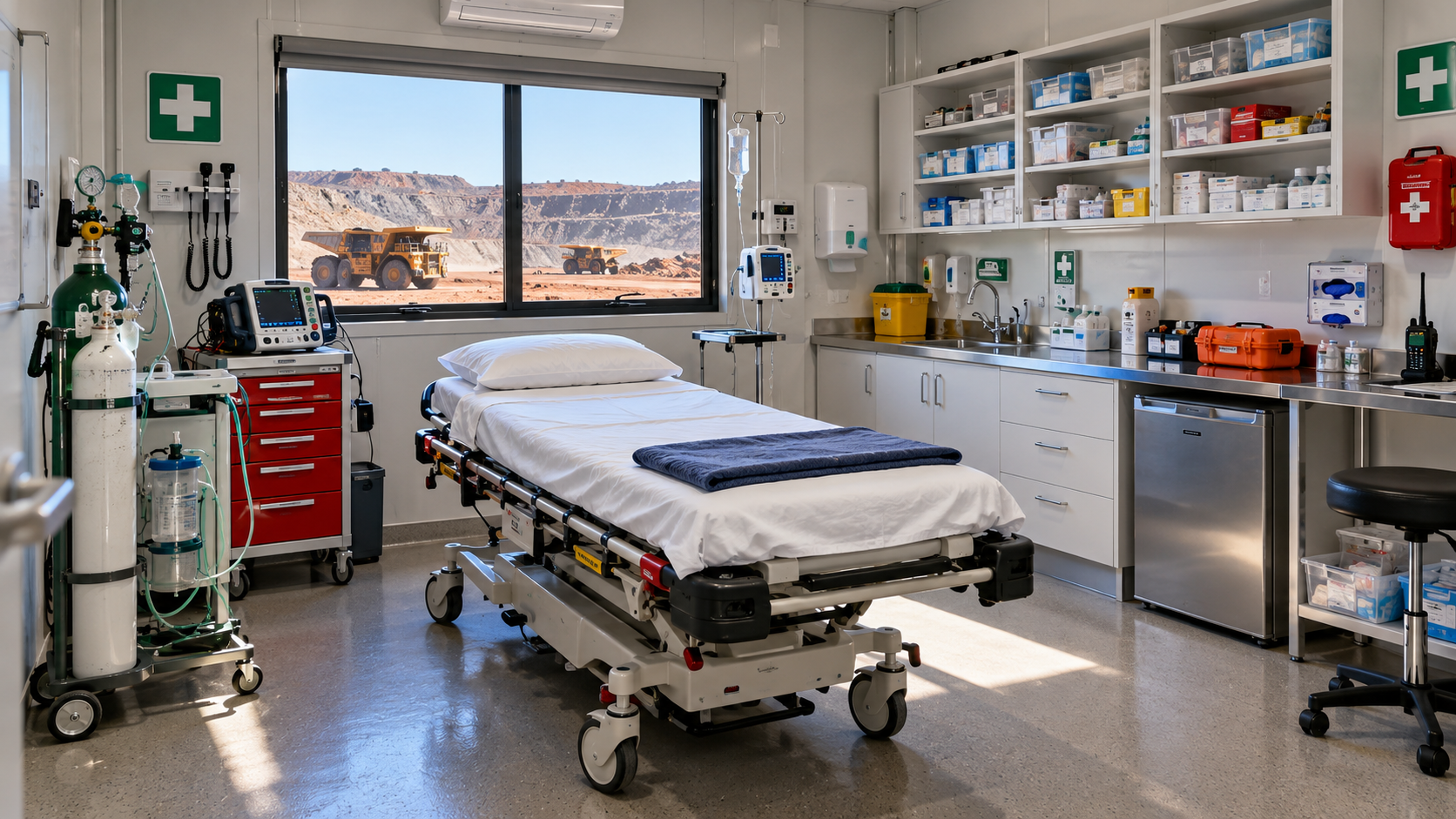
In this guide, you will learn all about the Australian mining site first aid requirements, including equipment and facilities for different remote operations.
J
Jason Hitch

Learn how to choose the right workplace defibrillator based on your environment, workforce, compliance needs, maintenance and on-going AED support in this guide.
J
Jason Hitch
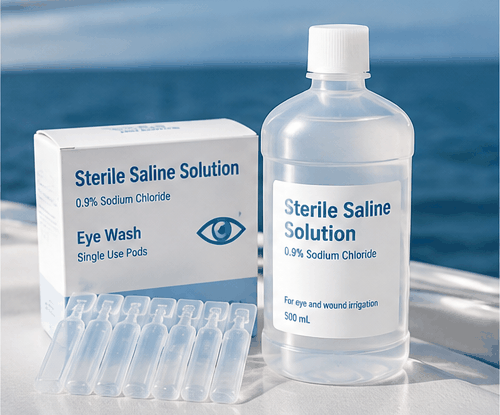
What should a marine first aid kit contain? In this guide, discover 10 essential items for Australian boats, plus practical storage and preparation tips.
J
Jason Hitch
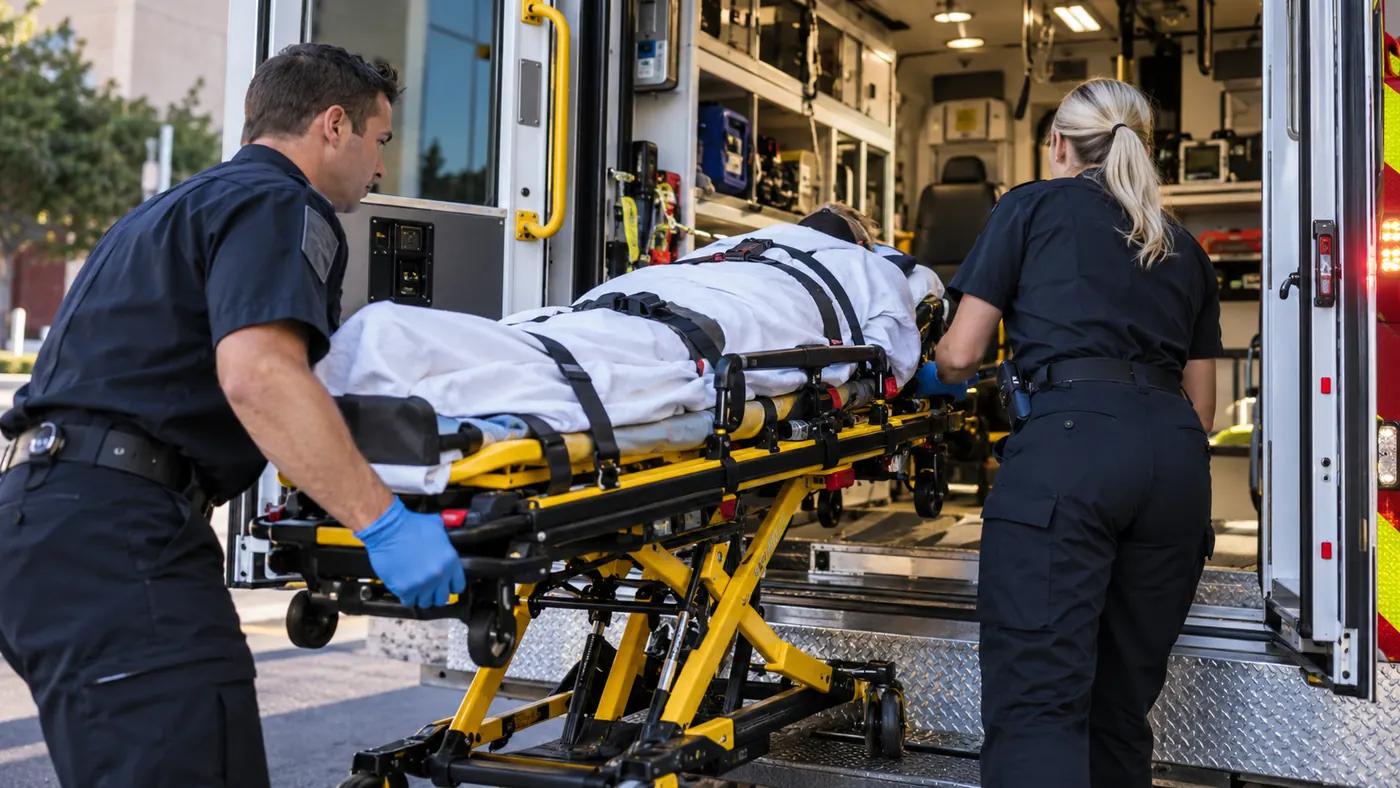
Looking for workplace stretcher that suits your industry? Compare types, safe working loads, environments and key features to make an informed choice.
J
Jason Hitch
