J
Jason Hitch
In the world of healthcare, cleanliness and hygiene are paramount. Properly cleaning and storing reusable medical instruments is not just a matter of compliance; it's a fundamental step in ensuring patient safety and preventing cross-contamination. Healthcare professionals, including doctors, nurses, dentists, and allied health practitioners, rely on common medical instruments such as forceps, surgical scissors and laryngoscopes daily. In this guide, we will walk you through the best practices for maintaining the cleanliness and integrity of your reusable medical instruments.
At LFA First Response, we understand the critical role these instruments play in your daily practice. That's why we're committed to providing high-quality medical instruments that meet stringent quality standards. We believe that by equipping healthcare professionals with the knowledge to care for their instruments, we contribute to a safer and more hygienic healthcare environment.

Before we dive into the nitty-gritty of cleaning and storing medical instruments, let's understand why it's so crucial.
Patient safety: Patients trust healthcare professionals to provide safe and effective care. Contaminated or improperly cleaned instruments can lead to infections and complications, putting patients' health at risk.
Infection control: Healthcare-associated infections are a significant concern in medical settings. Properly cleaned and sterilised instruments are a frontline defence against these infections.
Instrument longevity: Reusable medical instruments are an investment for healthcare facilities. By following correct cleaning and storage procedures, you can extend their lifespan, reducing the need for frequent replacements.
Regulatory compliance: Compliance with healthcare regulations and international standards is essential. Non-compliance can lead to legal and reputational issues.
Cleaning reusable medical instruments is a multi-step process that involves careful selection of cleaning agents, effective techniques, and proper equipment. Here's a breakdown of the essential steps:
Choosing the right cleaning agents and disinfectants is critical. Consider the following factors:
Compatibility with instrument materials.
Effectiveness against a broad spectrum of microorganisms.
Compliance with local regulations.
User safety.
Once you've selected the appropriate cleaning agents, it's time to get to work. Here's what you need to do:
Always thoroughly wash your hands prior to handling any medical instruments with a hospital grade hand disinfectant such as Bactol 2% CGE handwash.
Wear appropriate personal protective equipment (PPE).
Disassemble instruments where possible for thorough cleaning.
Use a specific cleaning solution designed for medical instruments to for cleaning.
Use soft brushes, sponges, and lint-free cloths for cleaning.
Pay special attention to hard-to-reach areas.
Rinse instruments thoroughly to remove all residues.
Ensure that all cleaning equipment is properly maintained and cleaned between uses.

Sterilisation is the final step in ensuring your instruments are safe for use. Common sterilisation methods include autoclaving, chemical sterilants, and dry heat sterilisation. Follow the manufacturer's recommendations for each instrument type and ensure proper documentation of sterilisation cycles.
Once your instruments are clean and sterilised, it's essential to store them correctly to maintain their quality and prevent contamination. Consider the following tips:
Invest in high-quality storage solutions that offer protection against dust, moisture, and contaminants. Stainless steel or plastic trays with individual compartments can help keep instruments organised and prevent damage.

Store instruments in a clean and dry environment to prevent rust and corrosion. Avoid exposure to direct sunlight, extreme temperatures, and humidity. Keep all surfaces clean, by using a hospital grade disinfectant such as Viraclean disinfectant.

Implement a systematic approach to instrument storage. Ensure that all staff members are aware of the proper storage procedures and that instruments are returned to their designated places after use.

It's crucial to stay up-to-date with Australian healthcare regulations related to instrument cleaning and storage. Compliance not only ensures patient safety but also protects your facility from legal and regulatory issues. Regular audits and training can help maintain compliance in healthcare settings.
While we've covered the best practices for cleaning and storing reusable medical instruments, let's also highlight some common mistakes to avoid:
Neglecting regular maintenance: Regularly inspect instruments for signs of wear and damage. Replace or repair them as needed.
Using harsh chemicals: Avoid using abrasive or corrosive cleaning agents that can damage instrument surfaces.
Skipping documentation: Keep detailed records of cleaning, sterilisation, and maintenance processes. This documentation is essential for compliance and quality assurance.
Investing in high-quality, reusable medical instruments not only ensures patient safety but also offers several benefits to healthcare professionals and facilities:
Cost-efficiency: High-quality instruments have a longer lifespan, reducing the need for frequent replacements.
Enhanced performance: Quality instruments are designed for precision and durability, leading to better patient outcomes.
Peace of mind: Knowing that you have reliable instruments at your disposal can boost confidence and reduce stress in healthcare settings.
Proper cleaning and storage of reusable medical instruments are essential for patient safety, infection control, and regulatory compliance. By following the steps outlined in this guide, healthcare professionals can maintain a high standard of hygiene and safety in their practices.
At LFA First Response, we're committed to providing healthcare professionals with high quality medical instruments. Our range of instruments meets stringent quality standards to ensure your patients receive the best care possible. If you have any questions about our products or need further guidance on instrument care, please don't hesitate to get in touch with our team.

In this guide, you will learn all about the Australian mining site first aid requirements, including equipment and facilities for different remote operations.
J
Jason Hitch

Learn how to choose the right workplace defibrillator based on your environment, workforce, compliance needs, maintenance and on-going AED support in this guide.
J
Jason Hitch
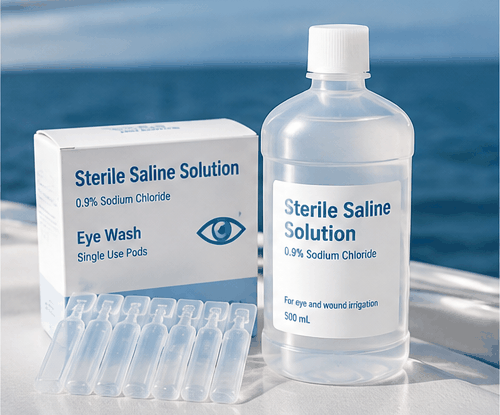
What should a marine first aid kit contain? In this guide, discover 10 essential items for Australian boats, plus practical storage and preparation tips.
J
Jason Hitch

Looking for workplace stretcher that suits your industry? Compare types, safe working loads, environments and key features to make an informed choice.
J
Jason Hitch