J
Jason Hitch
Picture this: you’re walking through your backyard or hiking a favourite trail when you spot a snake basking in the sun. Your heart rate spikes. Is it dangerous? Should you run? Try to identify it?
Here’s the truth that might surprise you: even professional herpetologists struggle to identify snakes from a safe distance, and getting close enough for a positive ID is exactly when most snake bites occur.
Living in a country with 109 species of terrestrial venomous snakes sounds intimidating, but Australia’s strong medical system, effective antivenoms, and public education mean people are well prepared to respond safely. Understanding how to tell if a snake is venomous starts with knowing that safe behaviour and proper first aid matter far more than visual identification.
Let’s address the uncomfortable truth about snake identification: those neat guides with clear photos of each species? They’re almost useless in real-world encounters.
When you see a snake outdoors, it’s rarely in perfect lighting or at a safe, close distance. You’re seeing a partially hidden animal, possibly in shadow, often moving, and definitely not posing for a clear ID shot.
Even within the same species, appearance varies widely. Some harmless snakes mimic dangerous ones, and factors like age, shedding, temperature, and lighting all change a snake’s colouring.
Those “foolproof” rules like triangular heads mean danger or vertical pupils mean venom? They don’t work in Australia. Most of our venomous snakes have rounded heads and round pupils, the exact opposite of those myths.
And even if you could identify every snake perfectly, it wouldn’t change your safest course of action: keep your distance. All native snakes are protected under Australian law, and harming or capturing them is illegal.
While perfect identification isn’t realistic, knowing which species are responsible for most serious bites can help you understand why caution matters when thinking about how to tell if a snake is venomous.
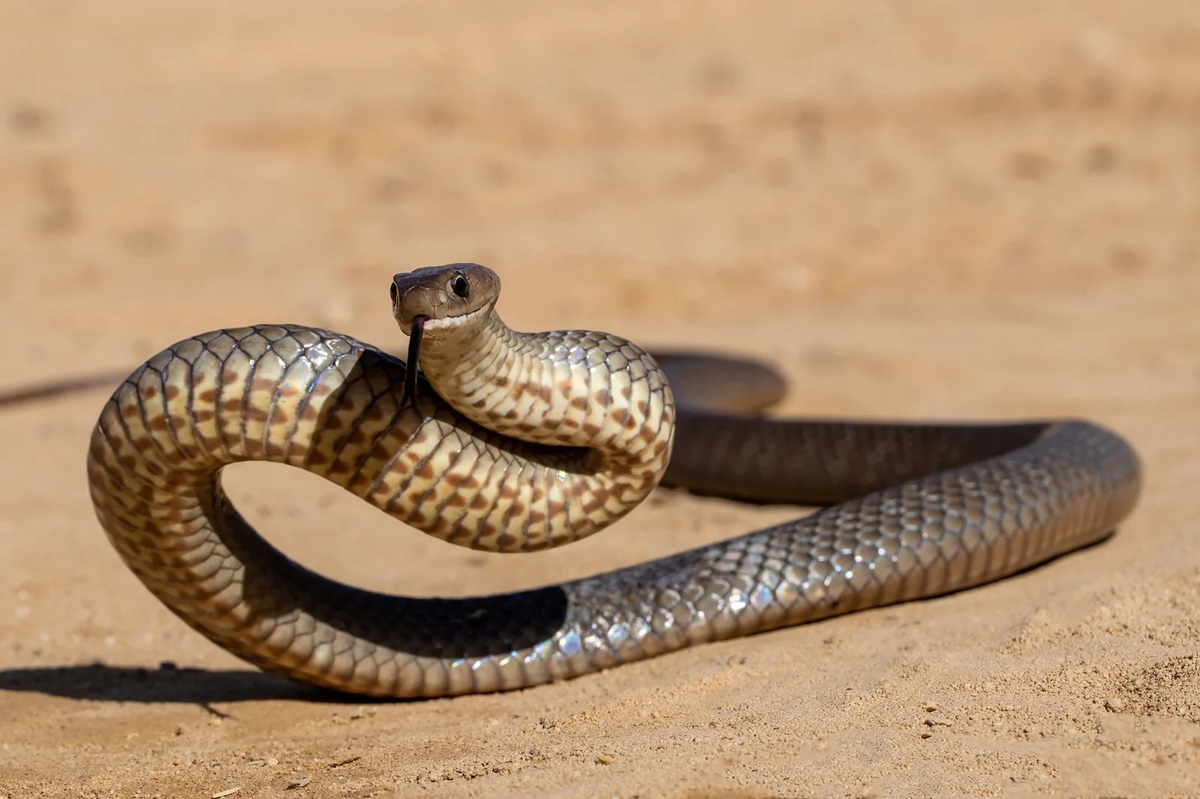
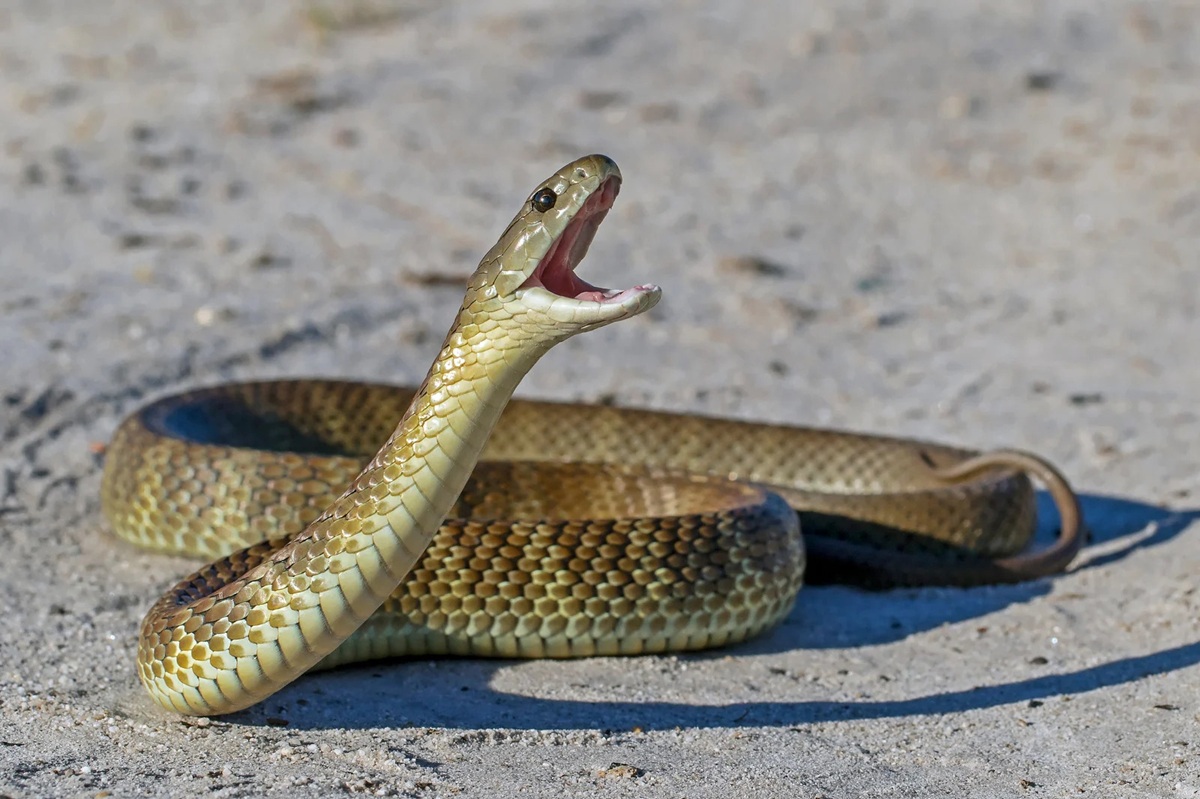
The Eastern Brown Snake claims more lives than any other Australian snake because it lives where people live. With a slim build and highly variable colouring from cream to almost black, these snakes thrive in farmland and increasingly in suburban areas. They're fast, nervous, and when threatened, they'll raise their front third in a distinctive S-shape before striking repeatedly.
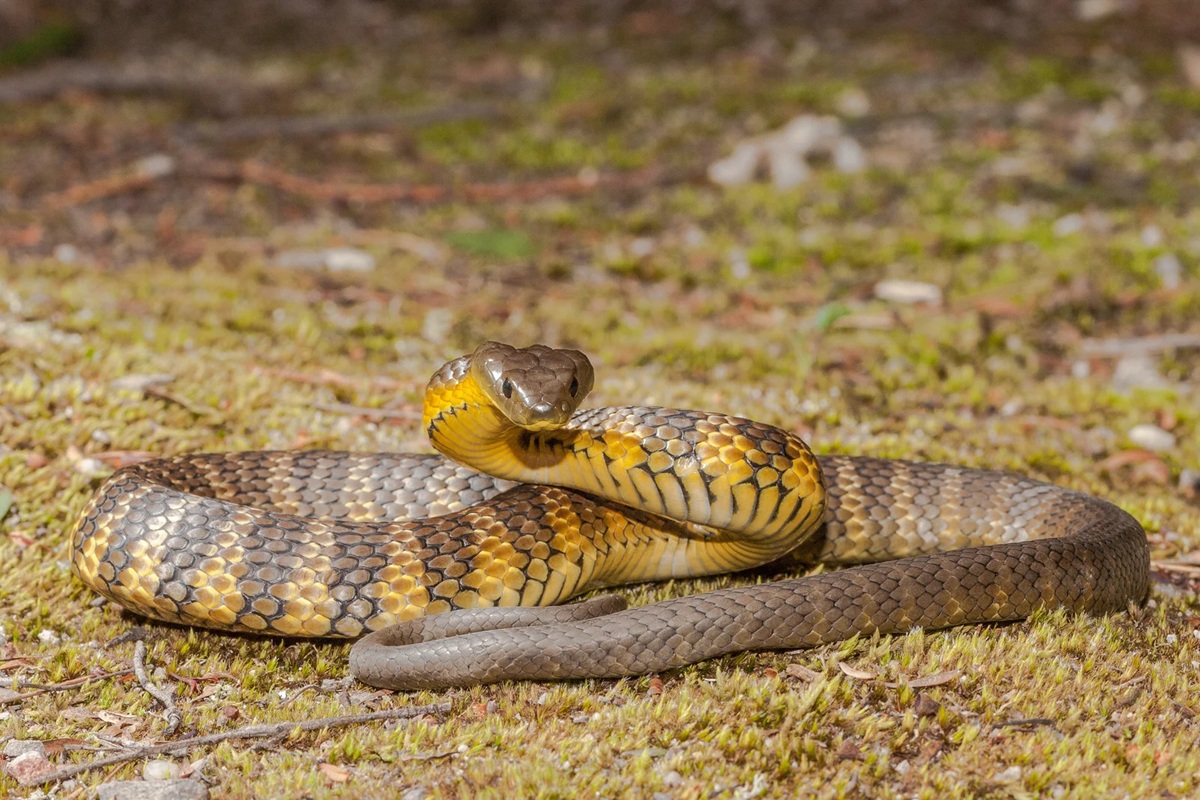
Found throughout southern Australia's waterways, the Tiger Snake ranks second for dangerous encounters. Don't rely on seeing tiger stripes; many individuals lack clear banding entirely. These muscular snakes are excellent swimmers and are often found near rivers, lakes, and wetlands. They're generally reluctant to bite but will defend themselves vigorously if cornered.
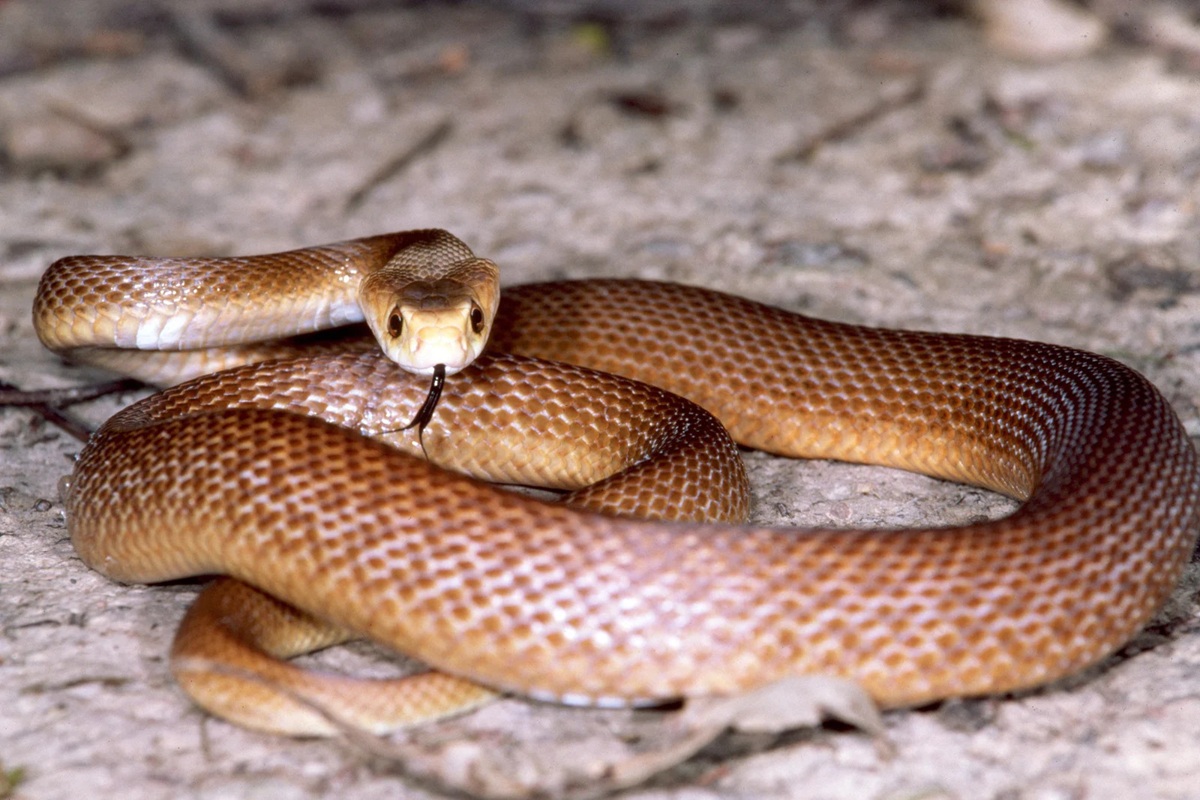
With the longest fangs of any Australian snake and lightning reflexes, the Coastal Taipan is the snake you hope never to meet. Found along northern and eastern coastal regions, they're large, pale-faced, and incredibly fast. Fortunately, they're also shy and will usually disappear long before you spot them, unless surprised or cornered.
Perhaps Australia's most recognisable snake, the Red-bellied Black Snake's glossy black back and crimson belly make it unmistakable, if you can see its underside. Often found near water, they're generally less aggressive than browns or tigers, but that doesn't mean harmless. They're still dangerously venomous and should never be approached.
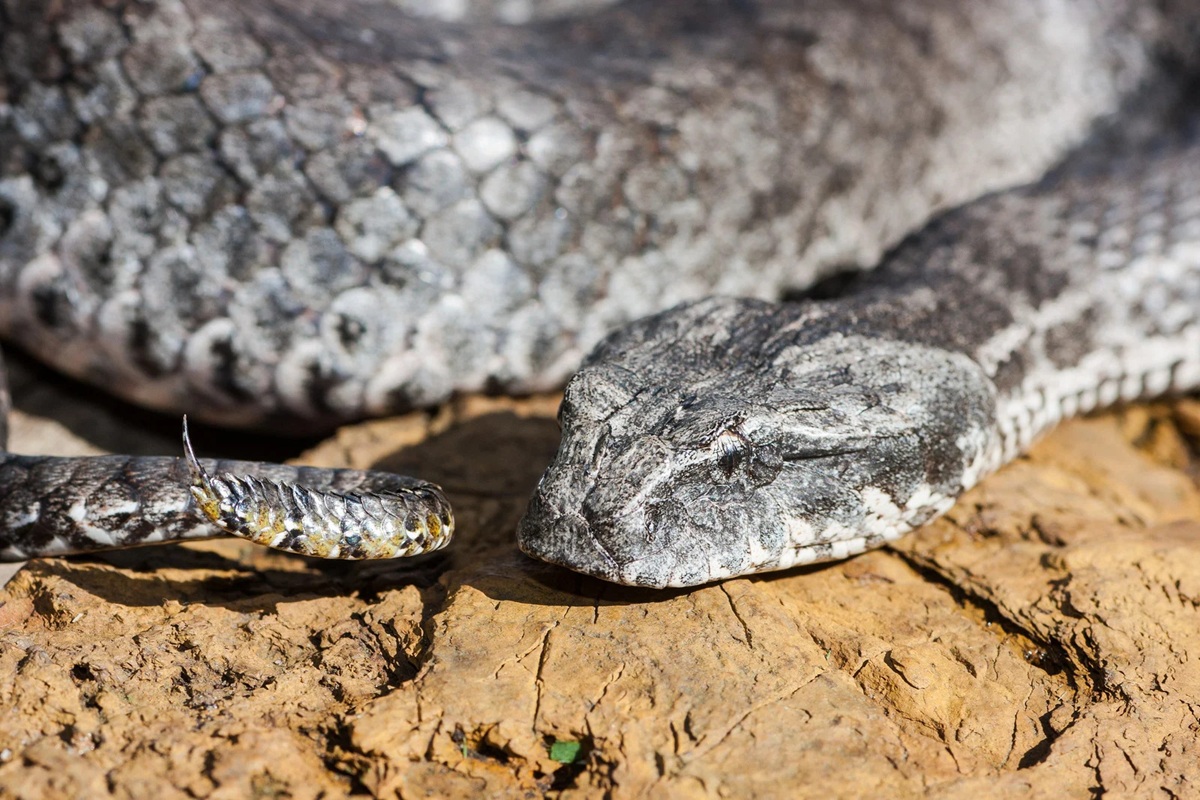
Unlike other Australian snakes that flee from threats, Death Adders are ambush predators that sit perfectly still, relying on camouflage. With a short, thick body and genuinely triangular head, they're one of the few Australian snakes that match the "classic" venomous snake appearance. However, by the time you're close enough to notice, you're too close.
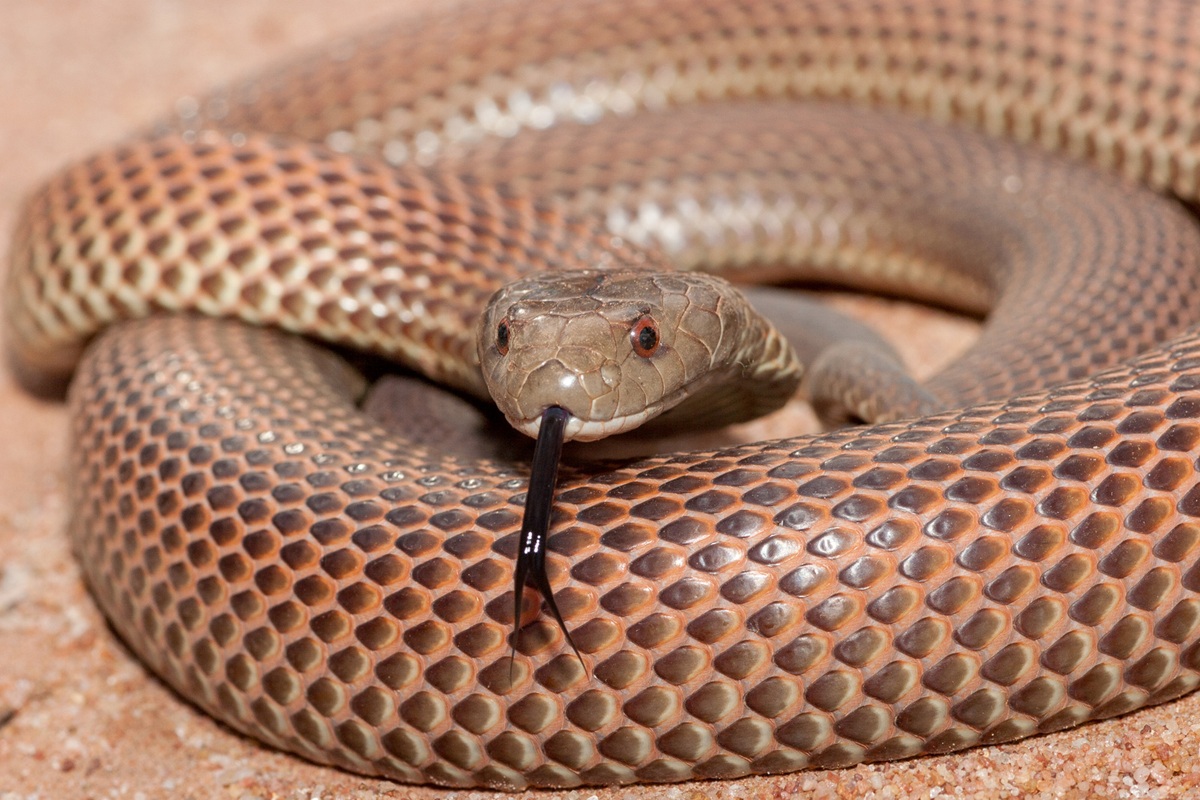
The King Brown is actually a massive black snake that happens to be brown. As Australia's heaviest venomous snake, it compensates for less potent venom by injecting enormous quantities, sometimes maintaining its bite for several seconds.
When it comes to how to tell if a snake is venomous, the truth is: most of the “rules” are unreliable in Australia.
"Look for a triangular head," they say. Except that Death Adders are the only Australian venomous snakes with consistently triangular heads. Browns, taipans, and tigers, responsible for most serious bites, have slender, rounded heads. Meanwhile, harmless snakes can flatten their heads when threatened, creating a triangular shape that means nothing except "this snake is scared."
That advice about checking pupil shape? Completely useless in Australia. Our venomous snakes have round pupils, just like their harmless cousins. Plus, pupils change shape with lighting; a snake's round pupils in bright sun become elliptical in shade. You'd need to be dangerously close to make this assessment anyway.
Identifying snakes by colour is like identifying cars by paint, technically possible but practically useless when it matters. Tiger Snakes might lack stripes entirely, while the distinctive red belly of a Red-bellied Black Snake is only visible from below. Brown snakes come in every shade from cream to black, and many harmless species sport similar colours to their dangerous cousins.
"Baby snakes can't control their venom," goes the myth, "so they're more dangerous than adults." Completely false. Juvenile venomous snakes have full venom control from birth, but adult snakes pack significantly more venom. A baby brown snake is dangerous, but an adult brown snake is catastrophically dangerous.
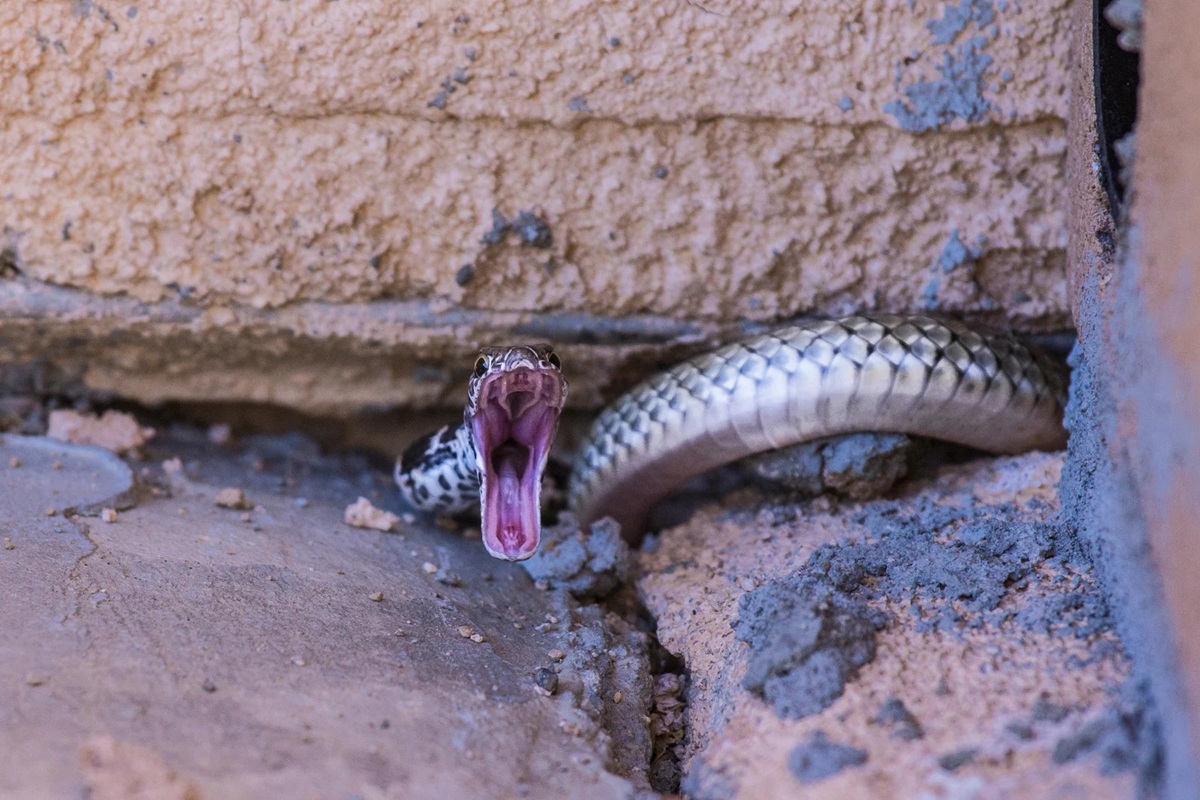
Understanding behaviour helps far more than trying to identify appearance. Snakes don’t hunt people, they react defensively when surprised or cornered.
They can’t hear airborne sounds but are highly sensitive to vibration and movement. Stay still, and most will move away.
Different species favour different habitats:
Tiger Snakes and Red-bellied Blacks near water
Death Adders in leaf litter and mulch
Brown Snakes in open fields or suburban gardens
Knowing where you’re walking is one of the best ways to prevent unwanted encounters.
These persistent myths cause both unnecessary panic and dangerous overconfidence:
When snakes appear to chase, they're actually trying to reach their shelter, which you're accidentally blocking. Step aside rather than backing up, and the snake will ignore you completely.
Snake reflexes persist for hours after death. Severed heads can bite, inject venom, and cause serious injury. Never handle a "dead" snake.
This isn't just ineffective; it's dangerous. You'll damage tissue, introduce infection, and waste precious time that should be spent applying proper first aid.
This assumption could be fatal. Dozens of species are brown-coloured, including the King Brown, which is actually a black snake species. Harmless keelbacks look remarkably similar to deadly rough-scaled snakes. Colour alone tells you nothing.
Some do, some don't, and patterns fade with age or vary between individuals. Relying on patterns for identification is like relying on human hair colour for DNA matching; it occasionally correlates, but never confirms.
When you spot a snake, knowing how to respond calmly and correctly makes all the difference.
Stop moving immediately. Snakes have poor distance vision but detect vibration and movement excellently. That split second of stillness lets the snake recognise you're not prey and gives it time to choose an escape route.
Once the snake knows you're there (it might tongue-flick rapidly or raise its head), back away slowly and smoothly. No sudden movements, no running, just steady, calm retreat until you're at least 3-5 metres away. At this distance, even the fastest snake can't reach you before you can react.
Alert others in the area, call out calmly, don't shout or panic. Bring children and pets indoors or well away from the area. If the snake is in your home or a place it can't easily leave, close doors to contain it and place towels under gaps.
Never attempt removal yourself; this is when most bites occur, and it's illegal to harm native snakes. Contact licensed snake catchers who have proper training and equipment. For species information specific to your region, check your state wildlife authority.
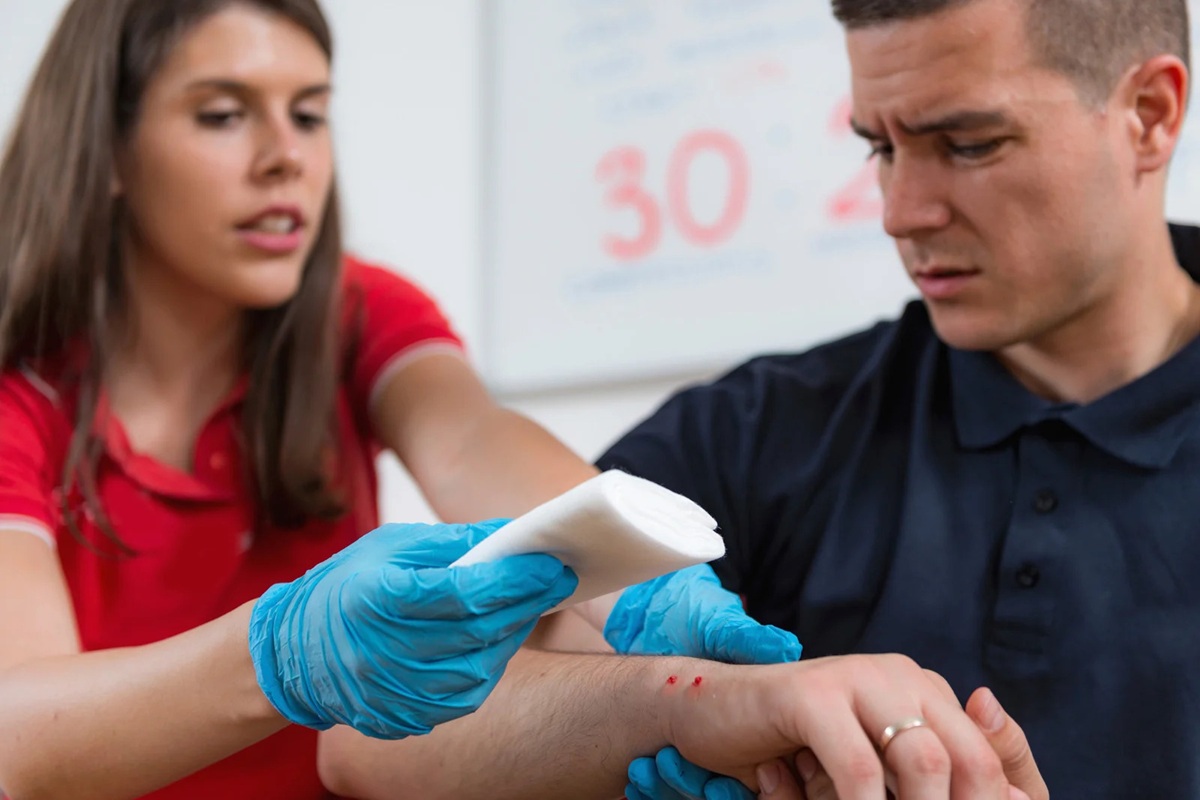
Every suspected bit is an emergency: always call 000 immediately. Even if symptoms seem mild, assume venom exposure/
The Pressure Immobilisation Technique
Apply a wide elastic bandage over the bite site, then wrap the entire limb from extremity to groin or armpit.
The pressure should be firm but not painful, like strapping a sprained ankle.
Immobilise the limb with a splint.
Mark the bite location and time on the bandage.
Keep the person completely still until medical help arrives.
Do not:
Wash or cut the bite site
Apply a tourniquet or ice
Attempt suction
Give alcohol or sedatives
If you need guidance, call the Poisons Information Centre (13 11 26) for expert advice.
Keep a dedicated snake bite kit that includes:
Multiple wide compression snake bite bandages (with pressure indicators if possible)
A rigid splint
Clear step-by-step first aid instructions
For workplaces and schools, larger snake bite & spider kits or snake bite module refills are available to cover multiple responders or training sessions.
Remove food sources and rodent attractants
Clear clutter and vegetation near structures
Maintain short grass and tidy garden edges
Seal gaps and install door sweeps
Workplace and school staff need proper training before encounters occur. A calm, trained responder who knows the Pressure Immobilisation Technique can begin treatment immediately while waiting for paramedics.
Regular drills using training bandages help build muscle memory. When someone's been bitten, you don't want people googling "how to treat a snake bite"; you want automatic, correct responses. Understanding what to do and not to do when bitten by a snake before an emergency happens can save lives.
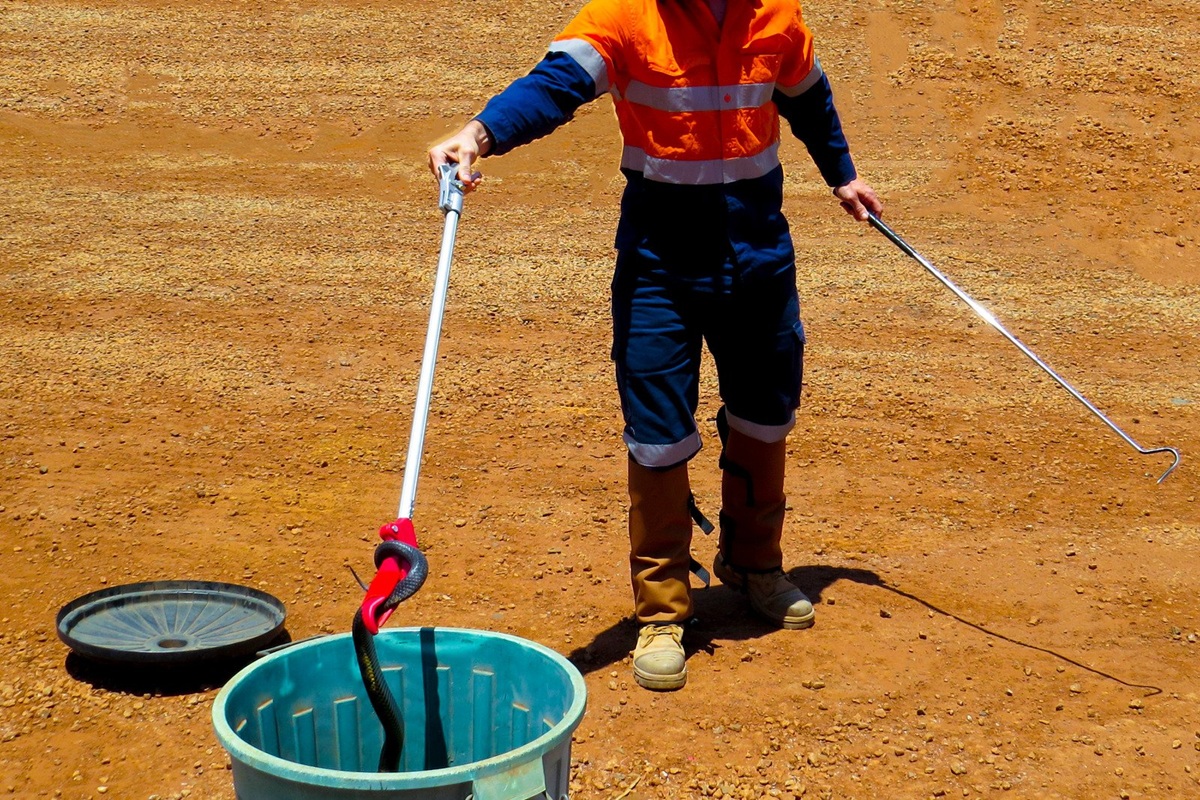
If you see a snake:
Freeze, then back away slowly
Maintain 3-5 metres minimum distance
Never attempt identification up close
Call professional relocators
Assume any snake could be dangerous
If someone's bitten:
Call 000 immediately, every bite is an emergency
Keep them completely still
Apply Pressure Immobilisation Technique
Never wash, cut, or tourniquet
Mark bite time on the bandage
Australia’s snakes are part of the natural landscape, not enemies to be feared. You don’t need to become a reptile expert to stay safe, just understand how to tell if a snake is venomous (or, more importantly, that you don’t need to get close enough to find out).
Respect distance, know the correct first aid, and keep essential equipment, like our snake bite module refill kits, close at handWith preparation and calm, you can live safely and confidently alongside Australia’s most misunderstood wildlife.

In this guide, you will learn all about the Australian mining site first aid requirements, including equipment and facilities for different remote operations.
J
Jason Hitch

Learn how to choose the right workplace defibrillator based on your environment, workforce, compliance needs, maintenance and on-going AED support in this guide.
J
Jason Hitch
What should a marine first aid kit contain? In this guide, discover 10 essential items for Australian boats, plus practical storage and preparation tips.
J
Jason Hitch
Looking for workplace stretcher that suits your industry? Compare types, safe working loads, environments and key features to make an informed choice.
J
Jason Hitch