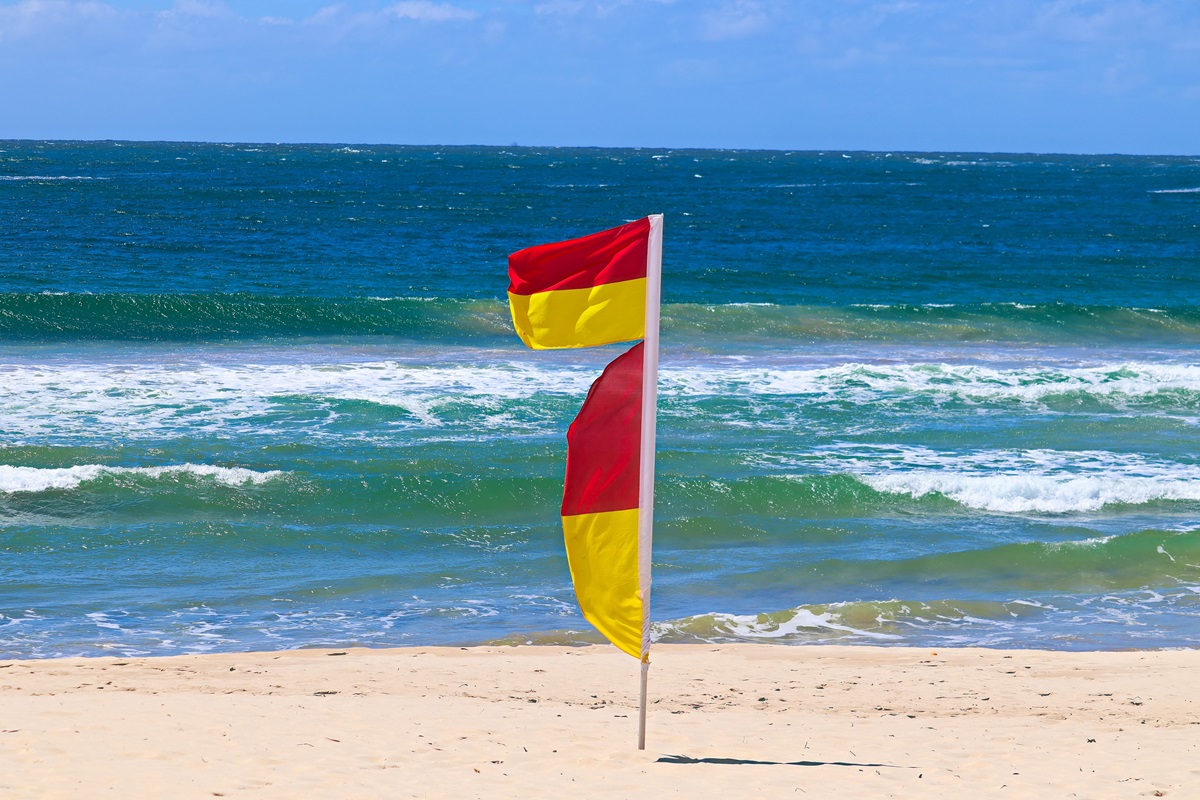
J
Jason Hitch
Surfing is not just a sport in Australia; it's a way of life. With our stunning coastlines and world-renowned waves, the land down under attracts surf enthusiasts from all over the globe. However, the thrill of riding the waves also comes with certain risks. Surfers and beach goers can sometimes find themselves in situations where first aid knowledge is crucial. In this blog, we'll delve into the importance of surf life saving first aid, common injuries in surfing, prevention strategies, and the essential surf first aid kit.
Australia's surf culture revolves around the ocean. Every day, countless surfers and beach goers take to the water, seeking adventure and relaxation. While the majority of these outings are safe and enjoyable, accidents can and do happen. Whether it's a wipeout, a collision with a surfboard, or an encounter with marine life, injuries can occur unexpectedly. This is where surf life saving first aid plays a critical role.
Surf life savers are the unsung heroes of our coastal communities. They undergo extensive training to ensure the safety of beachgoers and surfers. Part of this training includes first aid techniques specifically tailored to the unique challenges of the surf environment. When accidents happen, surf life savers are often the first on the scene, providing immediate assistance and stabilising injured individuals until professional medical help arrives.
To fully appreciate the importance of surf life saving first aid, it's essential to understand the common injuries that surfers and beachgoers might encounter in the ocean.
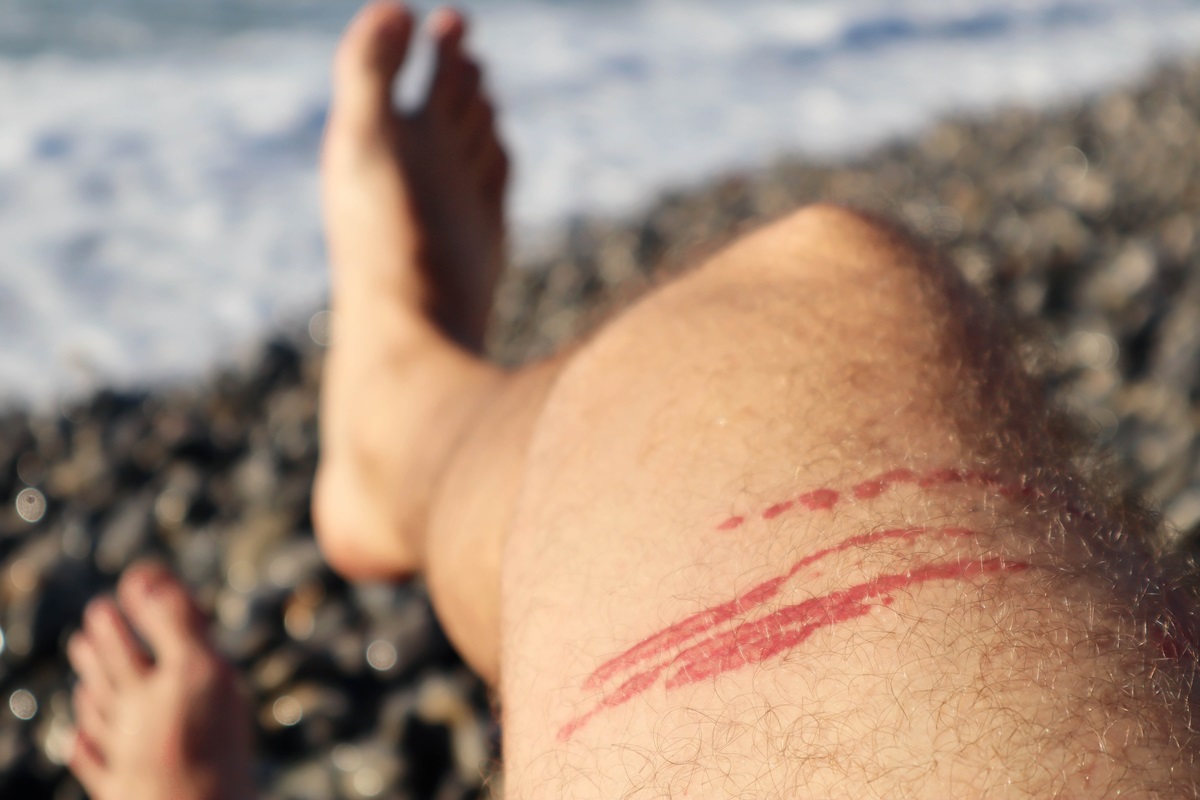
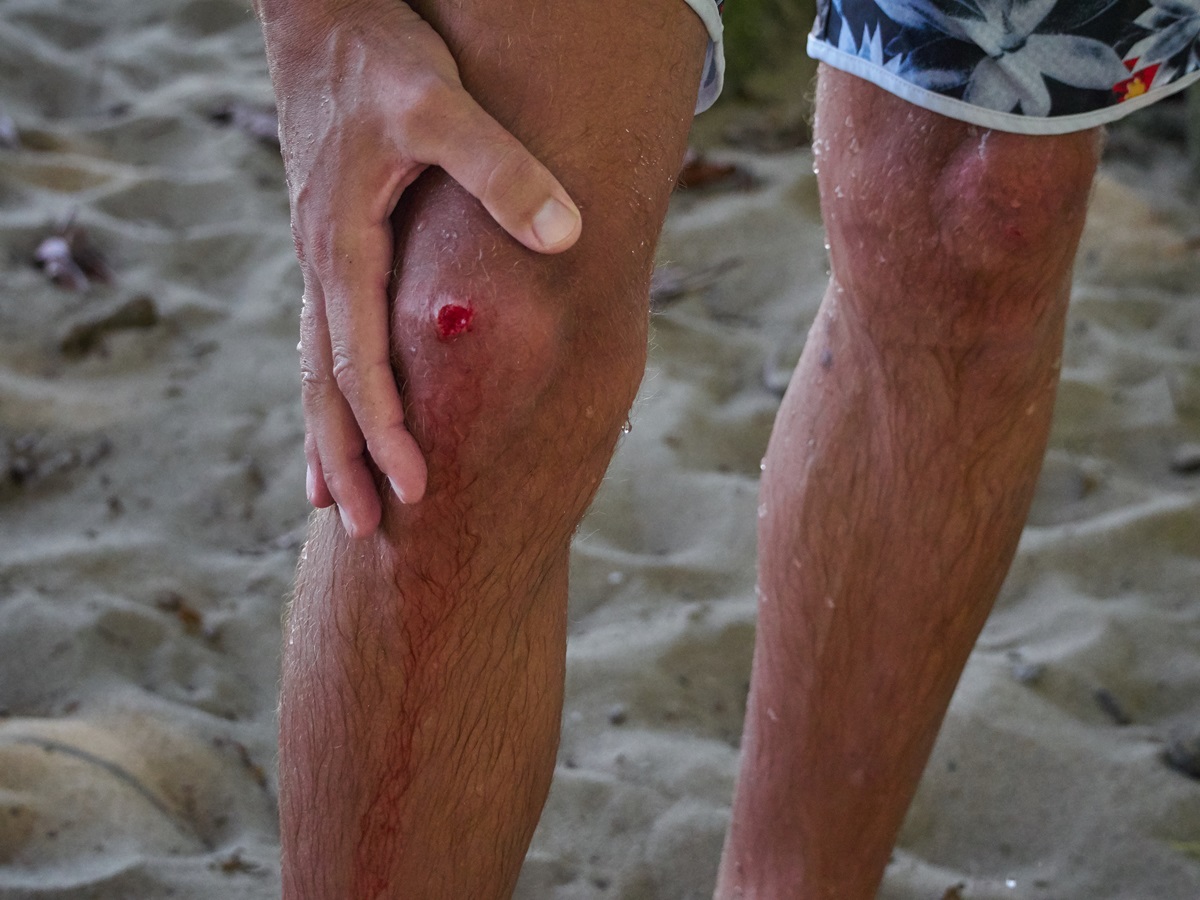
Sharp rocks, coral, and even the edges of surfboards can lead to cuts and bruises. While these injuries may seem minor, they can become infected if not treated promptly.
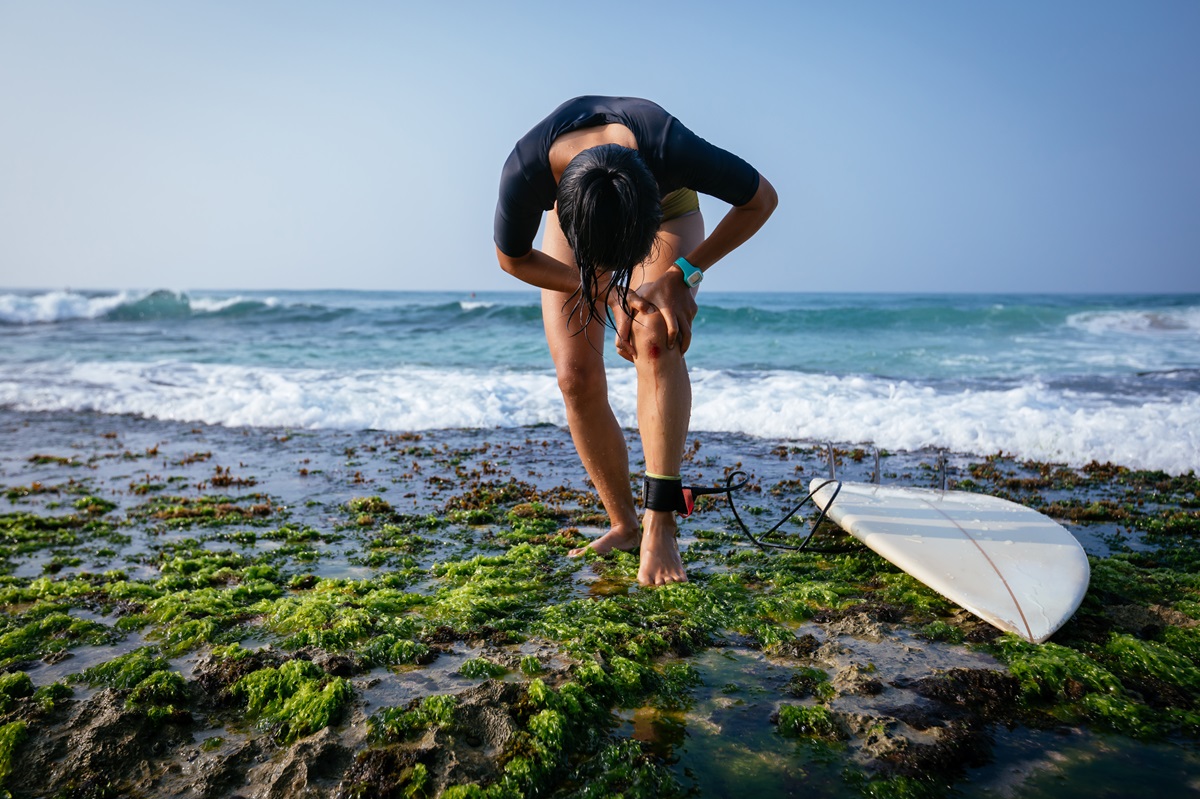
Australia's waters are home to various marine creatures, including jellyfish and bluebottles, which can deliver painful stings. Knowing how to treat these stings is crucial for a swift recovery.To read more: Our Guide To First Aid For Marine Bites & Stings
Collisions with the sea floor or other surfers can result in fractures or dislocations. Immediate attention is essential to prevent further damage.
The ocean's unpredictability means that accidents can sometimes lead to drowning or near-drowning incidents. Proper first aid techniques can make all the difference in these life-threatening situations.
Spending hours in the sun can lead to sunburn and heat exhaustion. Recognising the signs and taking appropriate action can prevent serious complications. To read more: How To Best Treat Sunburn In Australia
Sharks, stingrays, and other marine creatures inhabit the ocean on our coastlines. Understanding how to respond to encounters with these creatures is vital for safety.
While accidents can happen, there are several strategies surfers and beachgoers can employ to minimise the risk of injuries while enjoying the waves.
Understand your skill level and the conditions. Don't push yourself into waves or water conditions that are beyond your abilities.
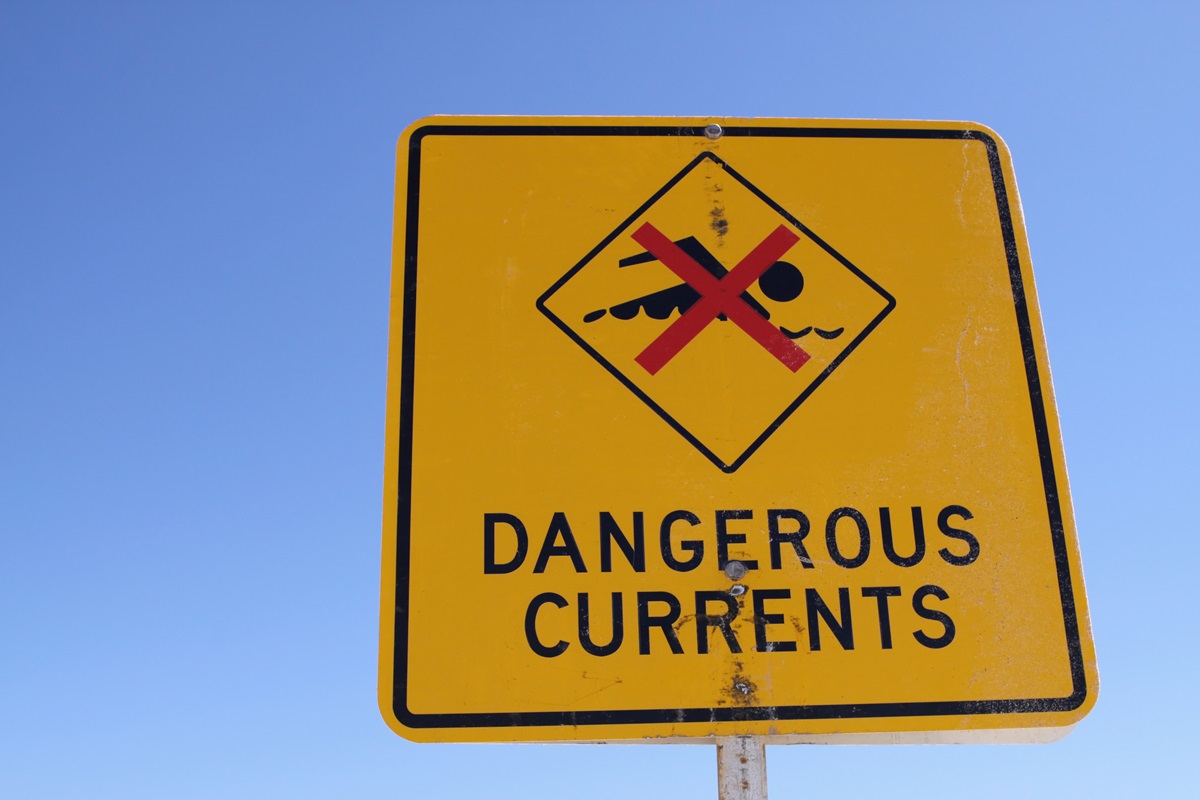
Before hitting the surf, check the surrounding warning signage, weather, tide, and wave conditions. Be aware of rip currents and other hazards.
Invest in appropriate protective gear, such as wetsuits, rash guards, and helmets. These items can offer crucial protection in the water.
Dehydration can increase the risk of heat exhaustion. Drink plenty of water before, during, and after your surf session.
Enroll in a surf life saving first aid course to acquire the necessary skills to help yourself and others in emergencies.
Whenever possible, swim and surf in areas patrolled by surf life savers. Their presence can make a significant difference in your safety.

Now that we've covered the importance of surf life saving first aid and the common injuries in surfing, let's discuss a crucial tool for your safety: the surf first aid kit.
A well-equipped surf first aid kit is your lifeline in emergencies. It should include:
Sterile gauze, adhesive waterproof dressings, and bandages for wound care.
Antiseptic wipes to clean wounds and prevent infection.
Scissors and tweezers for cutting tape, removing splinters, or cutting clothing away from injuries.
Instant cold packs to reduce swelling and ease pain.
CPR face shield for providing rescue breaths if needed.
Calamine lotion and burn and bite gel for treating jellyfish and marine creature stings.
A rescue whistle for alerting others in distress.
First aid manual with instructions on how to administer first aid for various injuries.
Having the right first aid kit is only part of the equation. Knowing how to use it effectively can be a lifesaver. Let's go over some basic steps for treating common surfing injuries:
Cuts and bruises: Clean the wound with antiseptic wipes and apply an adhesive bandage or sterile gauze. Use adhesive tape to secure the dressing in place.
Stings: Rinse the affected area with vinegar or saltwater to neutralize the stingers. Apply a calamine lotion or burn/bite gel to soothe the area.
Fractures and dislocations: Immobilise the injured area using splints or clothing. Seek professional medical assistance immediately.
Drowning and near-drowning: Perform CPR if necessary and seek immediate medical attention.
Sunburn and heat exhaustion: Move to a shaded area, hydrate, and apply aloe vera gel or Aeroburn gel for sunburn. For heat exhaustion, cool the person down and provide fluids.
Marine life encounters: Rinse the wound with saltwater, control bleeding, and seek medical attention for marine creature encounters.
In Australia, surfing is more than just a sport; it's a cherished part of our culture. With the joy of riding the waves also comes a responsibility to ensure safety for ourselves and our fellow surfers. Surf life saving first aid is an essential part of this responsibility. By understanding the common injuries in surfing, adopting prevention strategies, and having a well-equipped surf first aid kit, you can enjoy the ocean with confidence, knowing you're prepared for any situation. For surf life savers and water enthusiasts, having the right medical supplies in your first aid kit is paramount. That's where LFA First Response comes in. We specialise in providing high-quality medical supplies, including surf life saving first aid kits, tailored to the unique needs of surfers and beachgoers. If you are employed at a surf living club and are searching for high quality medical supplies for your surf first aid kit, we are your one stop shop. Feel free to contact us for personalised advice.
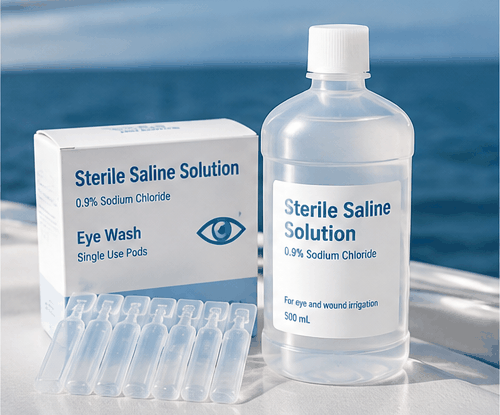
What should a marine first aid kit contain? In this guide, discover 10 essential items for Australian boats, plus practical storage and preparation tips.
J
Jason Hitch

In this guide, you will learn all about the Australian mining site first aid requirements, including equipment and facilities for different remote operations.
J
Jason Hitch

Learn how to choose the right workplace defibrillator based on your environment, workforce, compliance needs, maintenance and on-going AED support in this guide.
J
Jason Hitch

Looking for workplace stretcher that suits your industry? Compare types, safe working loads, environments and key features to make an informed choice.
J
Jason Hitch