Explore expert insights, product news, and practical advice to support your medical supply needs.

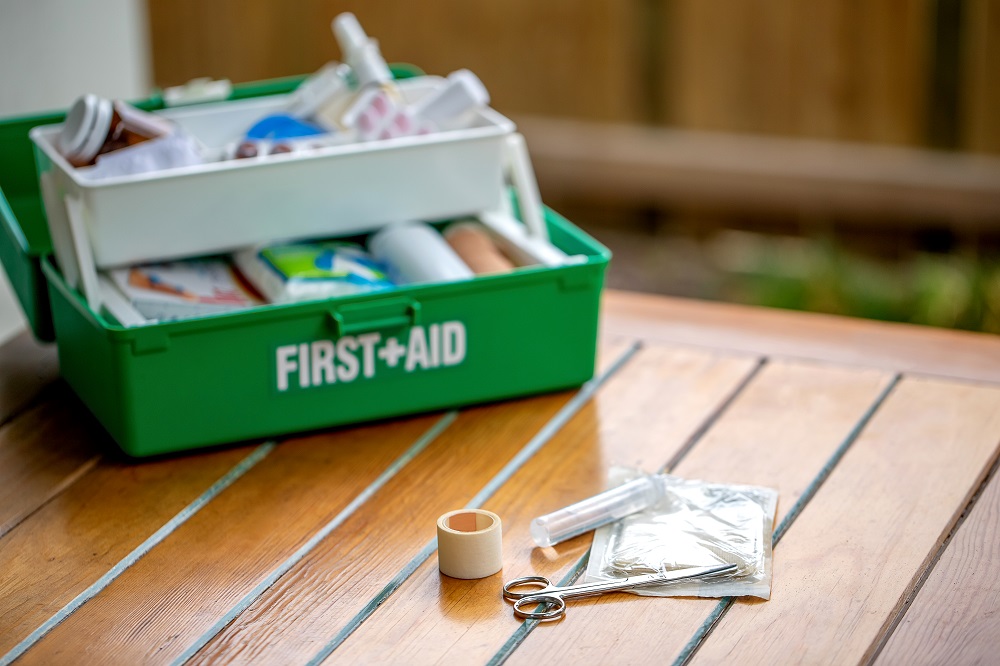
When an emergency happens at school, compliance gaps quickly become legal risks. With 2025–2026 updates to Safe Work Australia's Code of Practice and evolving state mandates, principals and WHS officers must rethink what “adequately stocked” really means. This expert checklist outlines the exact supplies, kits, and audit systems schools need to protect students and staff with confidence.
J
Jason Hitch

The hot weather is here, which means more and more people are spending time at the beach and in the water. Marine stings or bites can happen to anyone, and in Australia, there is the risk of a marine sting every time we're in or on the water. It's important to know first aid for marine bites and stings so that you know how to respond as quickly as possible.
J
Jason Hitch

One part of an immune response the body may undergo when sick is an increase in body temperature, which is known as a fever. Let's take a look at how to use a thermometer, the different kinds of thermometers, and how to regulate body temperature.
J
Jason Hitch

School camps in Australia offer students unique opportunities for learning, exploration, and adventure. However, with our diverse landscape, wildlife, and climate, it's crucial for teachers and decision-makers at schools to prioritise safety and preparedness. This month’s blog aims to provide valuable information and guidance on essential first aid supplies for Australian school camps, ensuring the safety and well-being of students during outdoor excursions.
J
Jason Hitch

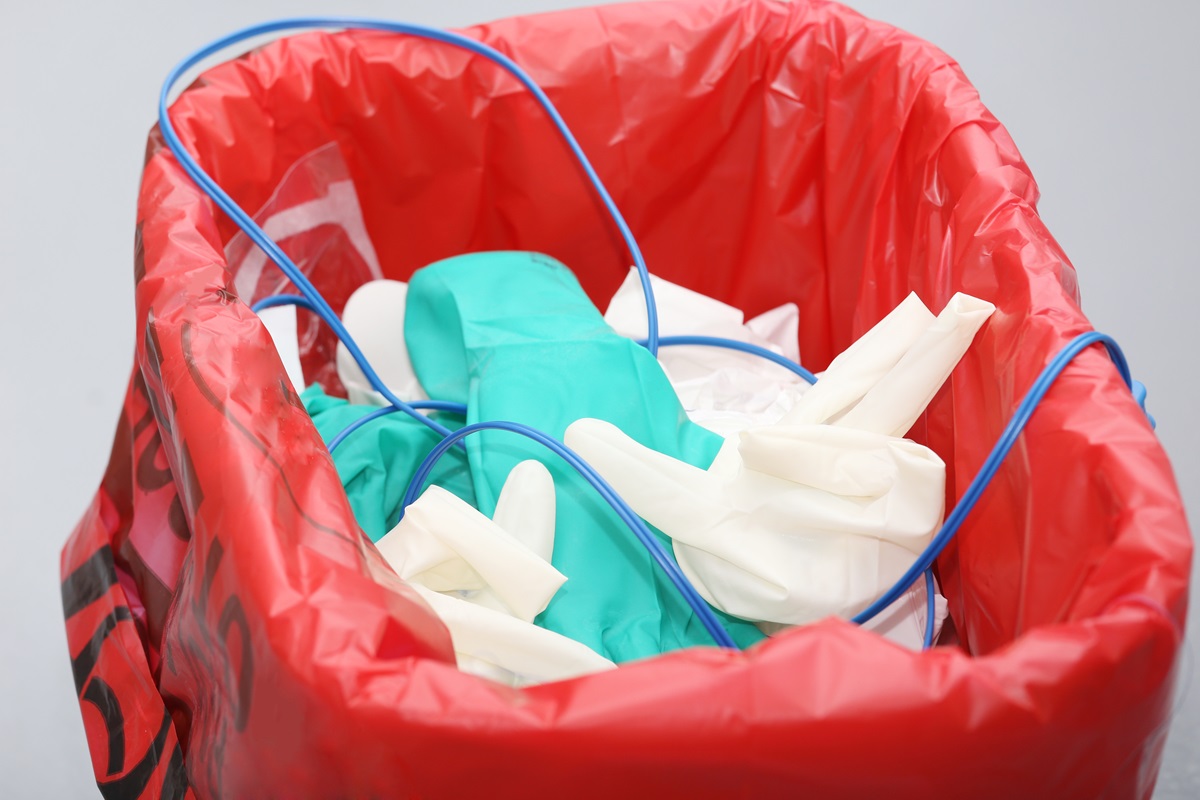
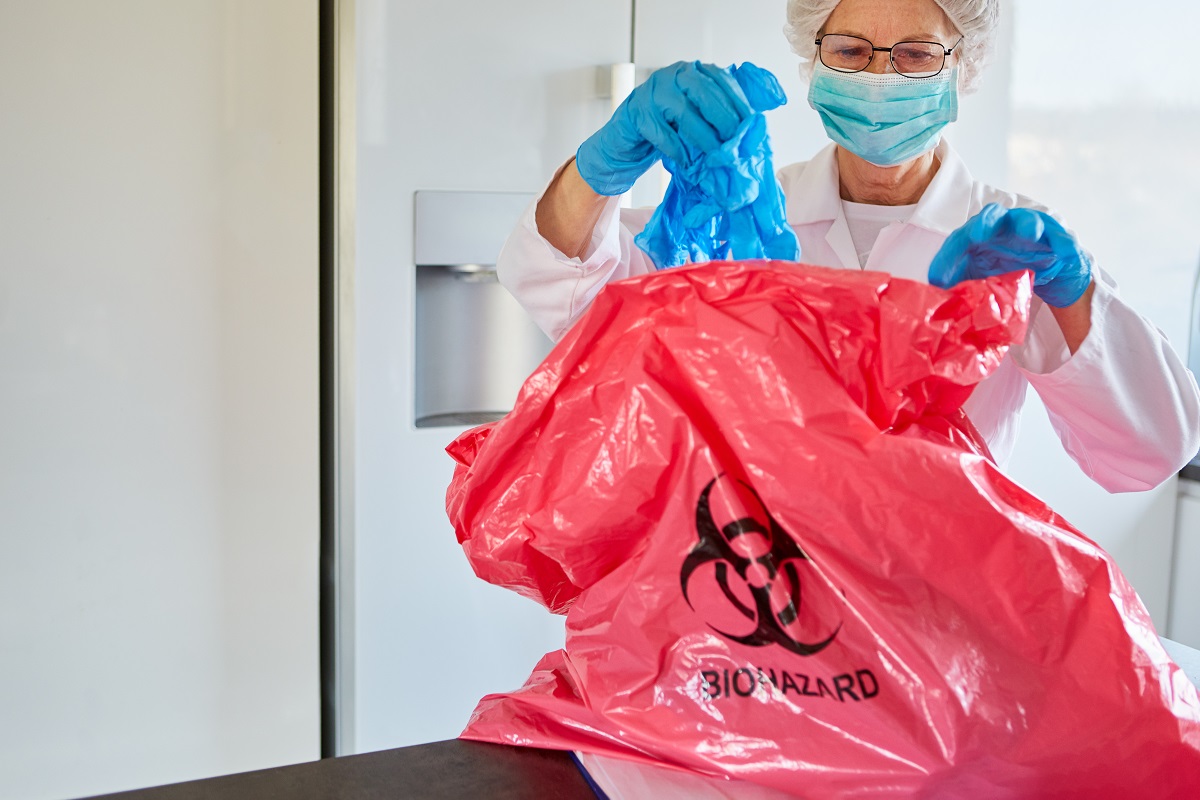
Clinical waste has the potential to cause harm to patients, staff, the local community and the environment, so it’s important it’s disposed of properly. Let's take a look at what is clinical waste, what goes into a clinical waste bin, and how to dispose of clinical waste.
J
Jason Hitch

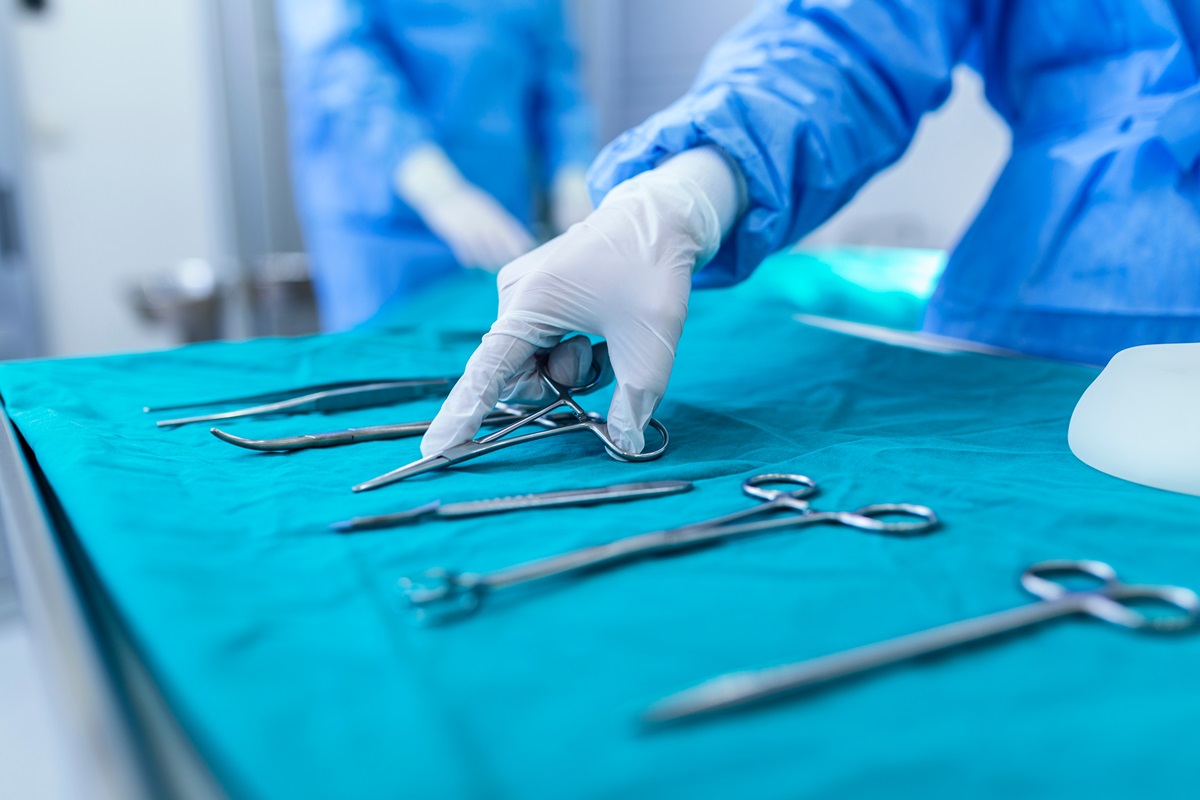
In the world of healthcare, cleanliness and hygiene are paramount. Properly cleaning and storing reusable medical instruments is not just a matter of compliance; it's a fundamental step in ensuring patient safety and preventing cross-contamination. At LFA First Response, we understand the critical role these instruments play in your daily practice.
J
Jason Hitch

The South Australian Government has recently passed the Automated External Defibrillators (Public Access) Act 2022, requiring the installation of automated external defibrillators (AEDs) in all public buildings, including schools, universities, libraries, sporting facilities, and local council offices etc.
J
Jason Hitch

Surfing is not just a sport in Australia; it's a way of life. With our stunning coastlines and world-renowned waves, the land down under attracts surf enthusiasts from all over the globe. However, the thrill of riding the waves also comes with certain risks. Surfers and beach goers can sometimes find themselves in situations where first aid knowledge is crucial. In this blog, we'll delve into the importance of surf life saving first aid, common injuries in surfing, prevention and the essent
J
Jason Hitch

Advances in medical equipment over recent decades have contributed to faster and more effective health care. When medical personnel and first responders undergo proper training using medical training equipment and simulation scenarios, they respond faster and more confidently in an emergency.
J
Jason Hitch

Epinephrine is the fastest and most effective way to reverse the effects of a severe allergic reaction. In Australia, the EpiPen is the most common epinephrine auto injector, providing fast and safe emergency treatment for anaphylaxis. In this guide, we explain how an EpiPen works, and how to administer one in an emergency situation.
J
Jason Hitch

Dehydration is a common condition that can affect anyone, although small children, pregnant women, older adults and people with chronic conditions are at greater risk. While moderate dehydration can be treated on site with the right first aid, severe dehydration can be potentially life threatening.
J
Jason Hitch

Personal protective equipment or PPE is any clothing or equipment worn or used by workers to reduce health and safety risks. Common types of PPE include face masks, hard hats, safety classes, safety harnesses and respiratory protective equipment.
J
Jason Hitch

Heat and cold therapies have been used for centuries for treating injuries and managing pain. Naturally, heat and cold have different effects on the body so the different treatments shouldn't be used interchangeably.
J
Jason Hitch

Restart a Heart Day is a global initiative aimed at educating people about the risks of cardiac arrest, how to spot the warning signs and what to do in an emergency. This year's Restart a Heart Day falls on October 16th 2022.
J
Jason Hitch

Splints are an effective first aid treatment for injured bones, major sprains and muscle strains. When applied correctly, a splint will prevent movement at the injured site, reducing pain and stopping further injury.
J
Jason Hitch

Medical tape is used by health professionals for treating injured muscles, dressing wounds, preventing sports injuries and supporting recovery. It's an essential component of first aid kits for health clinics, workplaces, sports clubs, schools and more.
J
Jason Hitch

CPR (cardiopulmonary resuscitation) is an essential first aid skill that can save lives in a medical emergency. Like most skills you don't use on a regular basis, your memory and competence with CPR decreases as time goes on. That's why it's crucial for first aid providers to refresh their CPR skills regularly.
J
Jason Hitch