Explore expert insights, product news, and practical advice to support your medical supply needs.

People often focus on trying to identify whether a snake is venomous, but that’s not what keeps you safe,” says Dr. Emily Richards, herpetologist and wildlife safety educator. “What really matters is behaviour — yours and the snake’s. Staying calm, keeping your distance, and knowing first aid will always do more to save a life than any visual identification ever could.
J
Jason Hitch

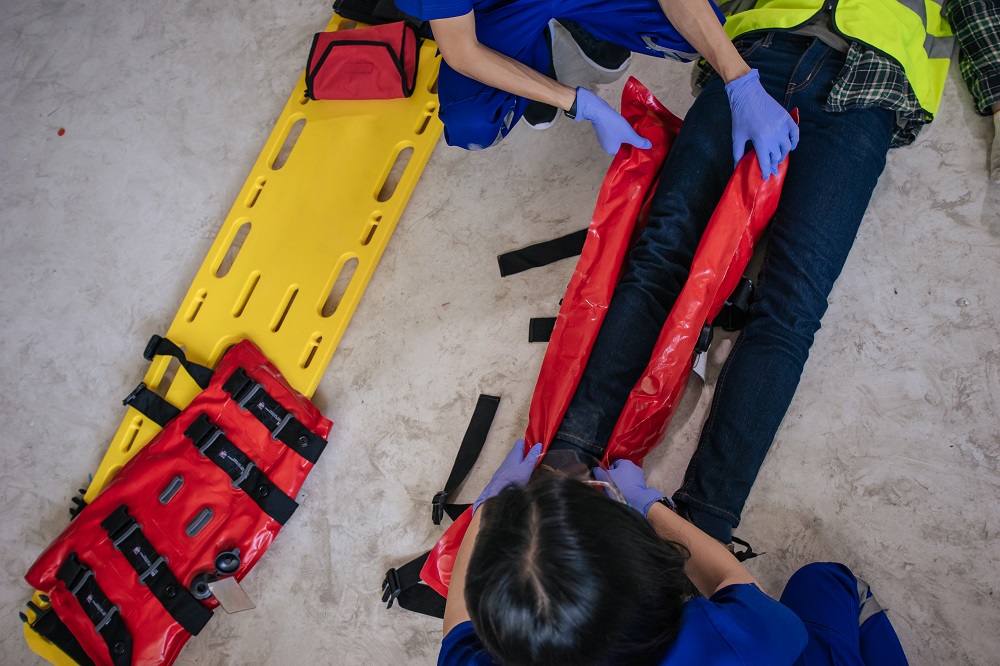
Bone fractures are a common type of injury, especially in children, sports players and the elderly. Although they are not usually life threatening, fractures should be managed quickly and effectively to ensure they heal properly. First aid for fractures can reduce pain, prevent further injury and improve healing outcomes for the patient.
J
Jason Hitch

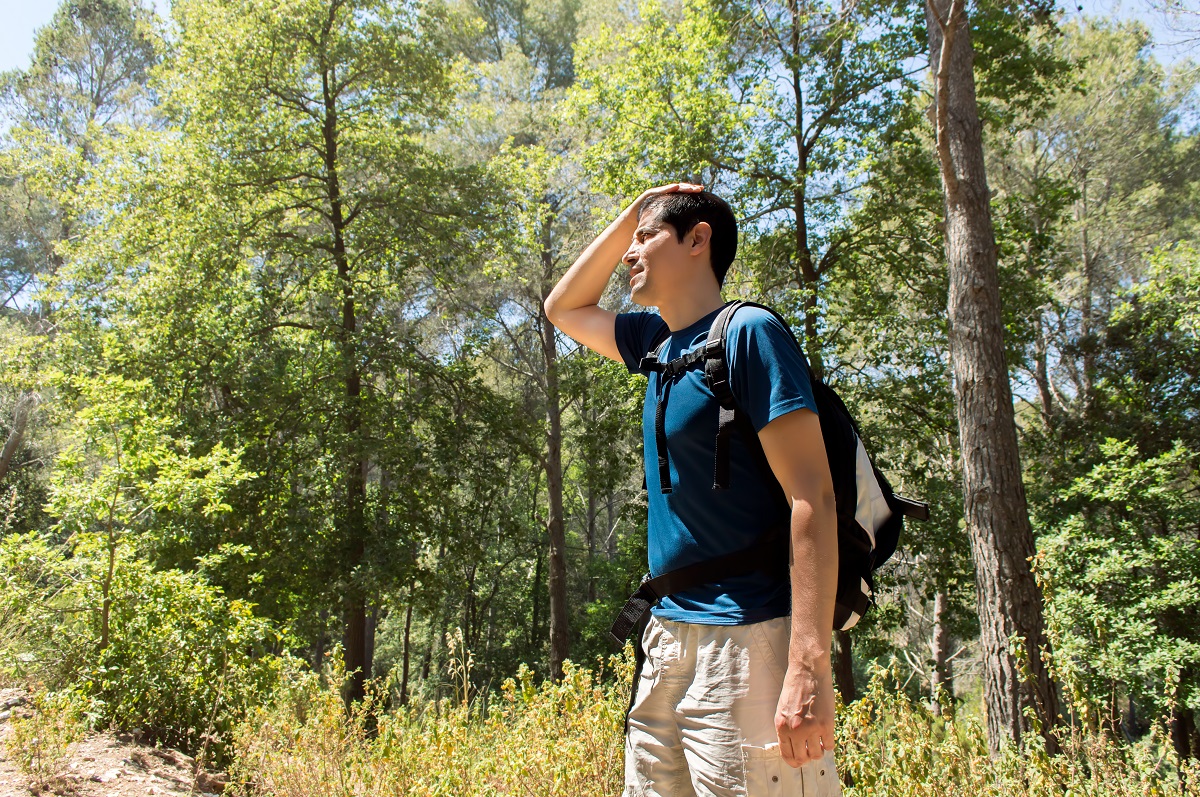
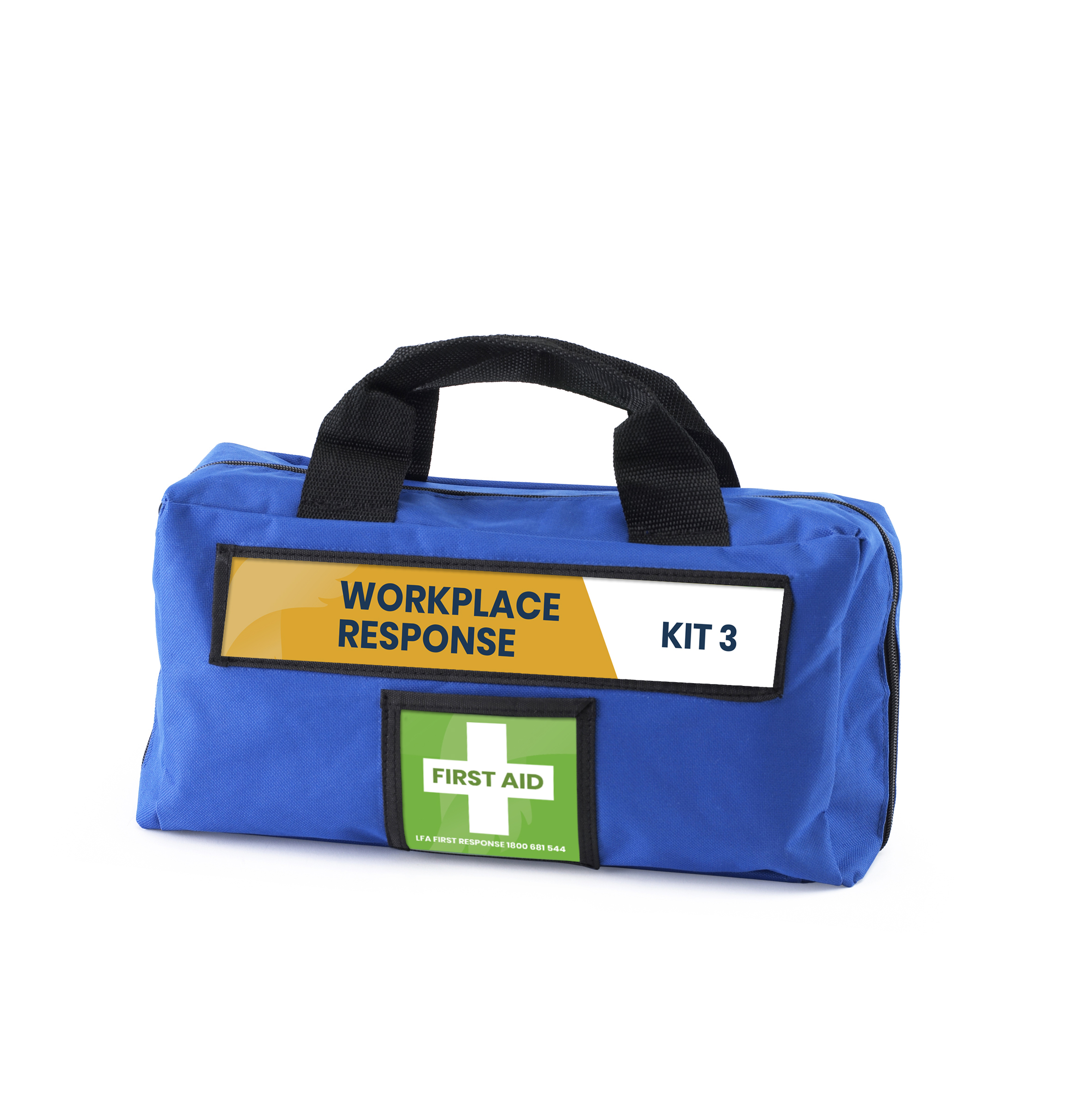
When travelling remotely, it's important to be prepared for any emergency. Whether you're heading off road for work or pleasure, being prepared with an appropriately stocked first aid kit will ensure you're ready to handle any unexpected first aid situations that arise.
J
Jason Hitch

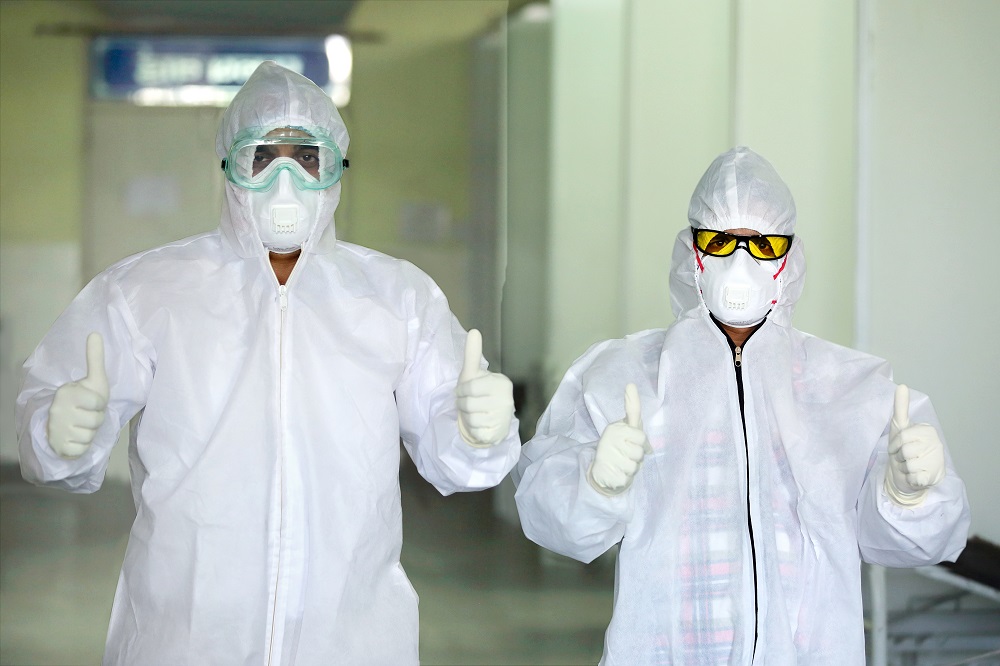
Face masks are one of the best ways to protect against the transmission of airborne particulates – including airborne viruses such as COVID-19. However, not all face masks are the same. The N95 is one of the best rated face coverings when it comes to respiratory protection.
J
Jason Hitch

Whether you're a health care worker, first aid provider, business owner or school facilitator – World Hand Hygiene Day is the perfect opportunity to encourage better hand hygiene in your community.
J
Jason Hitch

Infections can easily be passed from person to person during first aid and medical procedures. Knowing how to prevent cross infection in first aid can protect first responders and improve outcomes for the patient.
J
Jason Hitch

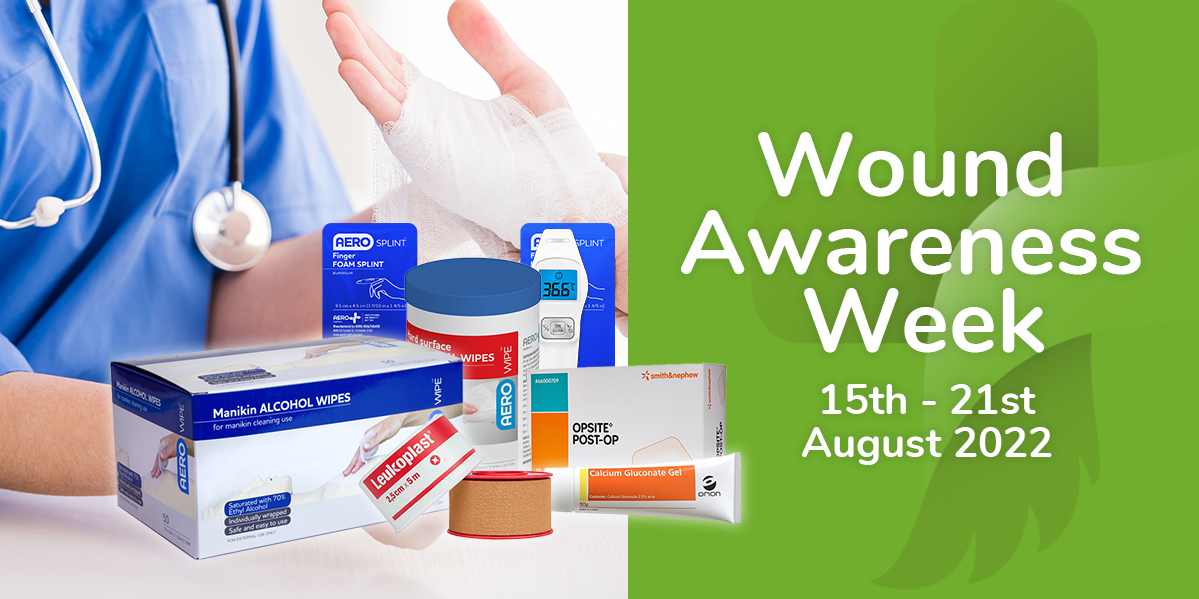
Wounds range from minor cuts and abrasions to serious deep injuries and life threatening traumatic wounds. Many acute wounds can be treated using a first aid kit, while others require urgent medical attention.
J
Jason Hitch

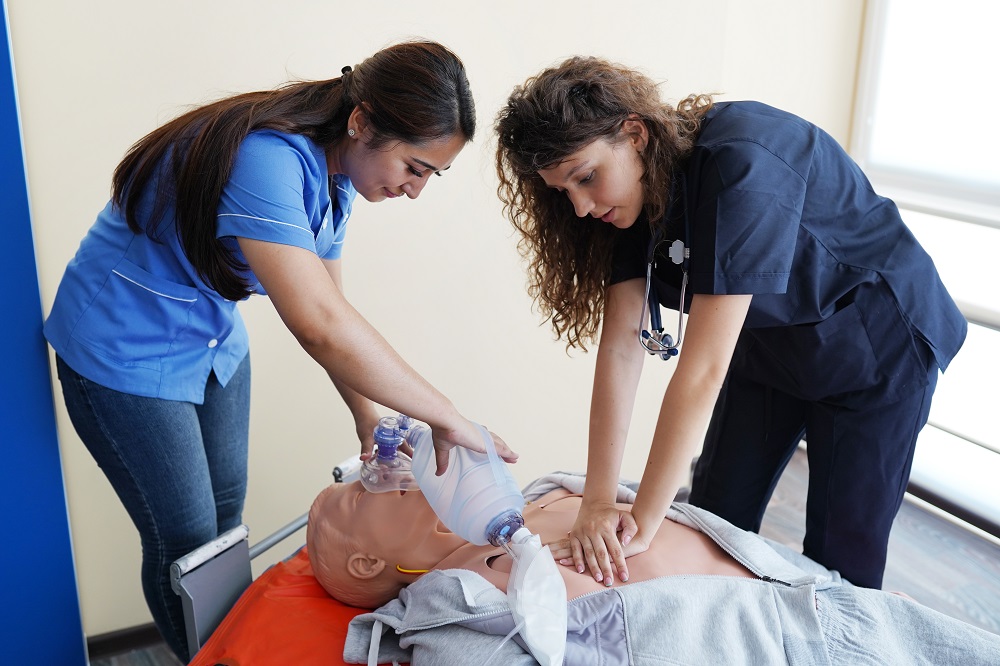
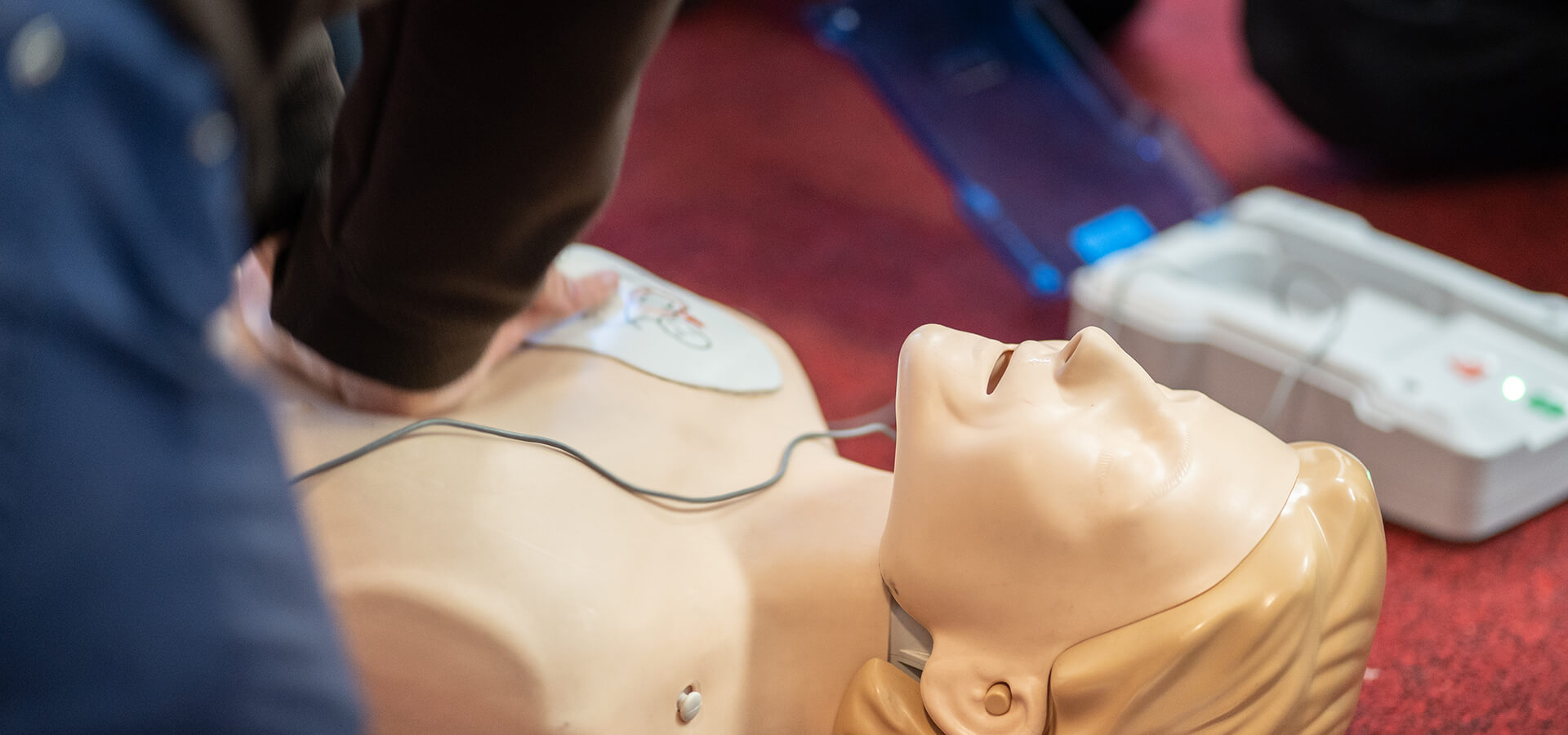
Knowing how to use a defibrillator could save someone's life. While less than 1 in 10 people survive a cardiac arrest outside of hospital, defibrillation within the first few minutes of cardiac arrest can increase their chances of survival to 70%.
J
Jason Hitch

Australia is notorious for its many stinging insects and poisonous animals. While the majority of insect bites in Australia cause a mild reaction that clears up in a few days, some insect bites and stings can be deadly.
E
Ebony Taylor

Everyone is at risk of sunburn, even on cold and cloudy days. Knowing how to prevent skin damage from UV radiation is crucial since sunburn is responsible for 95% of melanomas, the deadliest form of skin cancer.
J
Jason Hitch

Infection and inflammation can occur together in your body, but they aren't the same process. In fact, they can have different effects on your body tissues, different causes and different treatments.
J
Jason Hitch

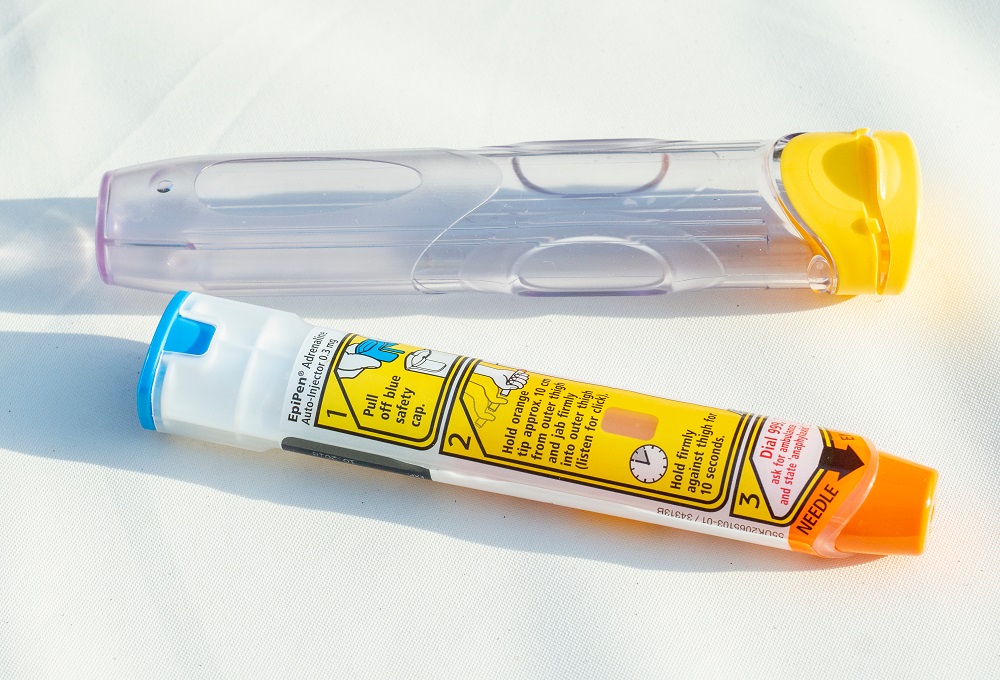
An EpiPen is a type of epinephrine injection device administered in the upper mid thigh when someone is experiencing a severe allergic reaction. Having an EpiPen in an accessible location and in good working condition can save someone's life.
J
Jason Hitch

Whether you're camping with your family, with a school group or on your own, it's important to have the right first aid supplies with you to deal with any emergencies that arise.
J
Jason Hitch

When someone is sick or injured, first aid provides them with immediate, potentially lifesaving care until full medical help is available.
J
Jason Hitch

Proper cleaning and sanitising of surfaces is essential for preventing the spread of infectious disease and protecting the health of the community.
J
Jason Hitch

Since the first 10-15 seconds after eye contamination are critical, eye wash stations should be located within 10 seconds reach of high-risk areas on a job site.
J
Jason Hitch

Thermal burn injuries cause around 5,900 hospitalisations and 100 deaths every year in Australia. Understanding how to provide first aid for burns can help improve outcomes, reduce the risk of infection and may even save a life.
J
Jason Hitch